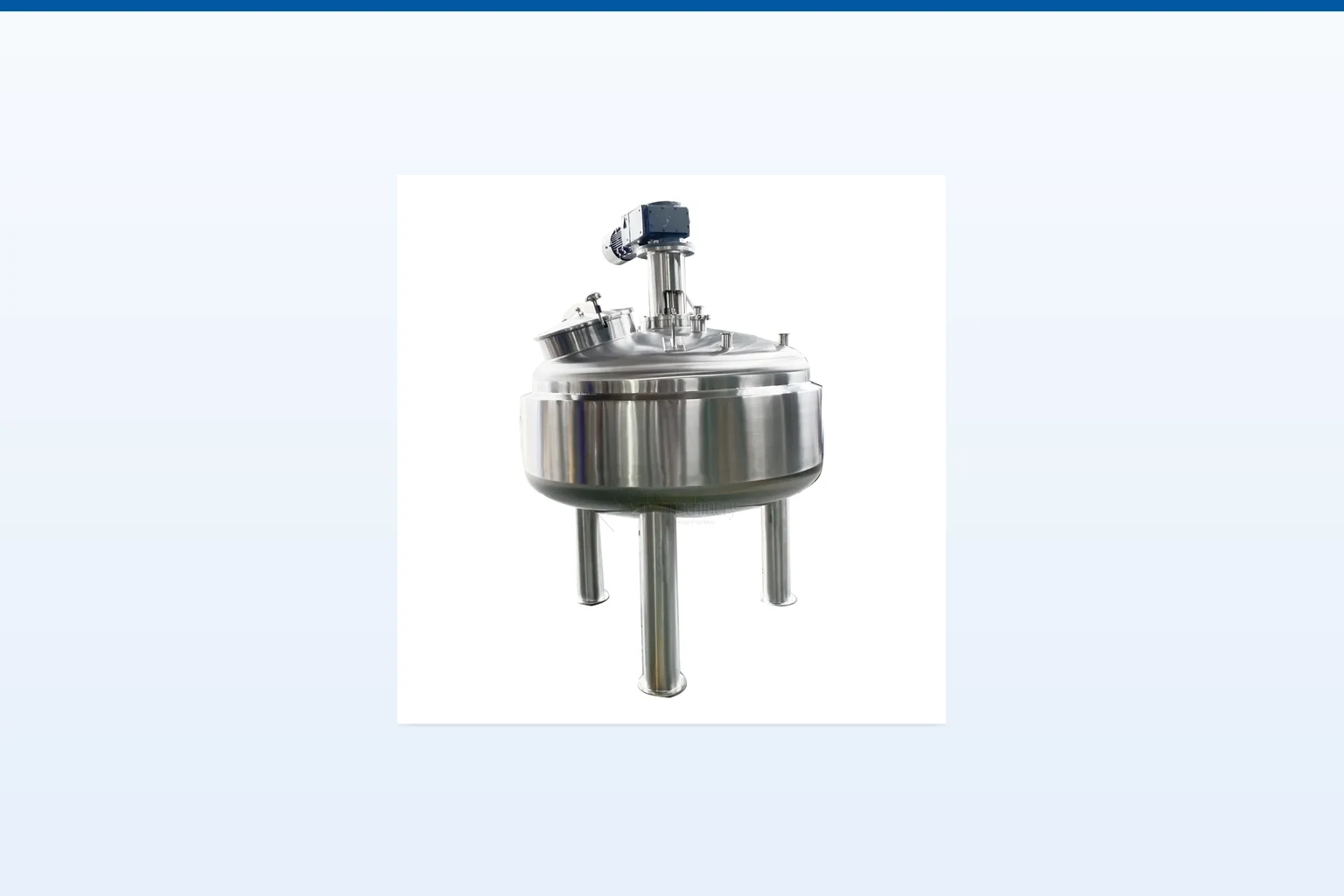
Mixing Tank Scale-Up: Maintaining Tip Speed, Power, or Mixing Time
Mixing tank scale-up is not achieved by multiplying every dimension and motor size by one factor. Engineers choose which process behavior to preserve—such.


Mixing tank scale-up is not achieved by multiplying every dimension and motor size by one factor. Engineers choose which process behavior to preserve—such.
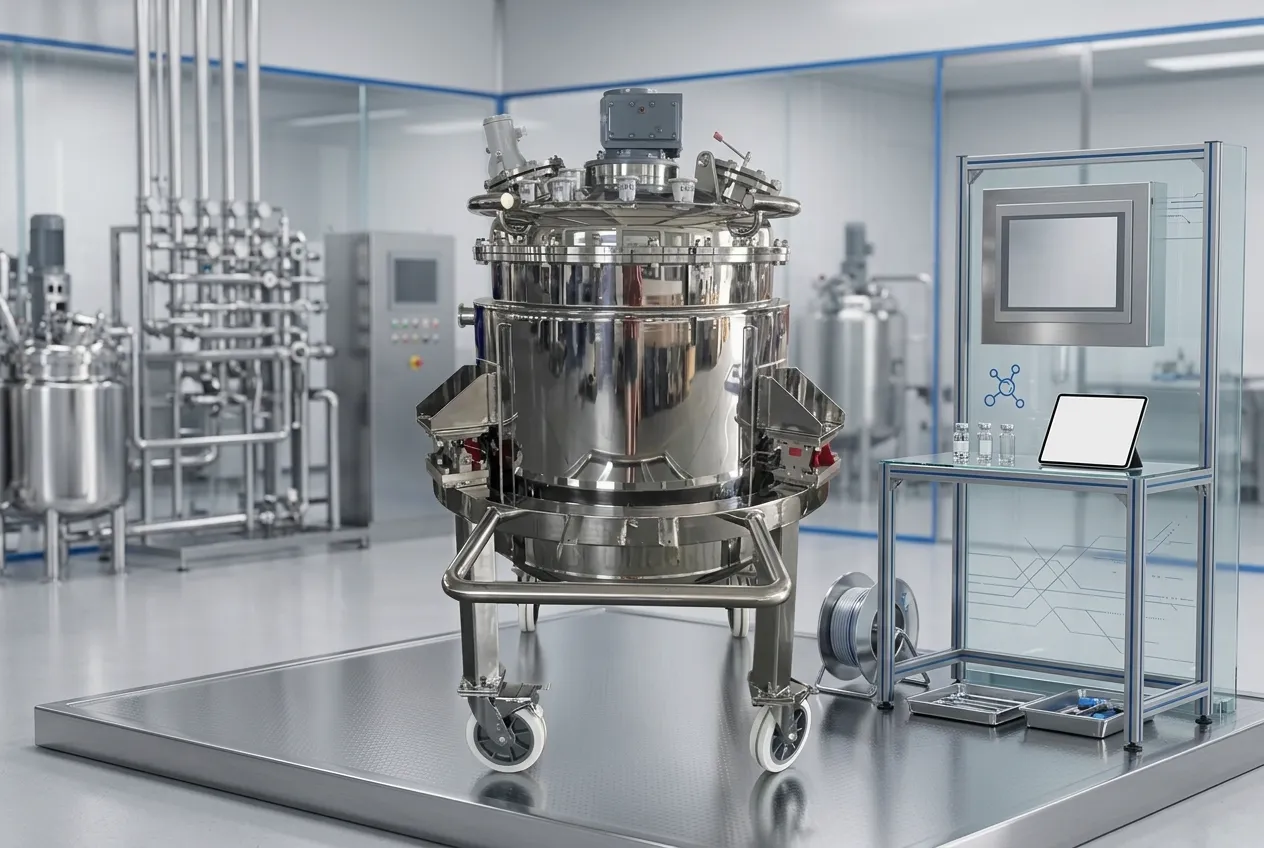
Mixing tank foam control starts by identifying whether foam comes from formulation, contamination, gas release, surface vortex, powder addition,.

Powder induction into a mixing tank should wet and disperse solids at a controlled rate without dust exposure, floating rafts, persistent lumps, excessive.

Mixing tank vortex prevention requires control of circumferential swirl, impeller submergence, speed, mounting position, baffles, and liquid level. A.

Pitched-blade and hydrofoil impellers both provide axial circulation, but they differ in blade geometry, pumping efficiency, shear distribution, power.
Anchor agitator clearance is the gap between the moving blade and the vessel wall or bottom. A smaller gap can improve wall renewal and heat transfer in.
A bottom-entry agitator is often selected for sanitary mixing when a short shaft, low product heel, compact top head, and strong bottom circulation are.
Side-entry and top-entry agitators differ in flow path, mounting load, seal position, maintenance access, and ability to mix across changing liquid.
A variable speed mixing tank uses a variable-frequency drive to adjust agitator speed across recipe stages, batch levels, viscosities, and cleaning.