
Mixing Tank Level Measurement: Choosing Sensors for Foam and Agitation
A mixing tank level sensor should be selected from the product, foam, vapor, agitation, pressure, temperature, tank geometry, cleaning method, and.


A mixing tank level sensor should be selected from the product, foam, vapor, agitation, pressure, temperature, tank geometry, cleaning method, and.
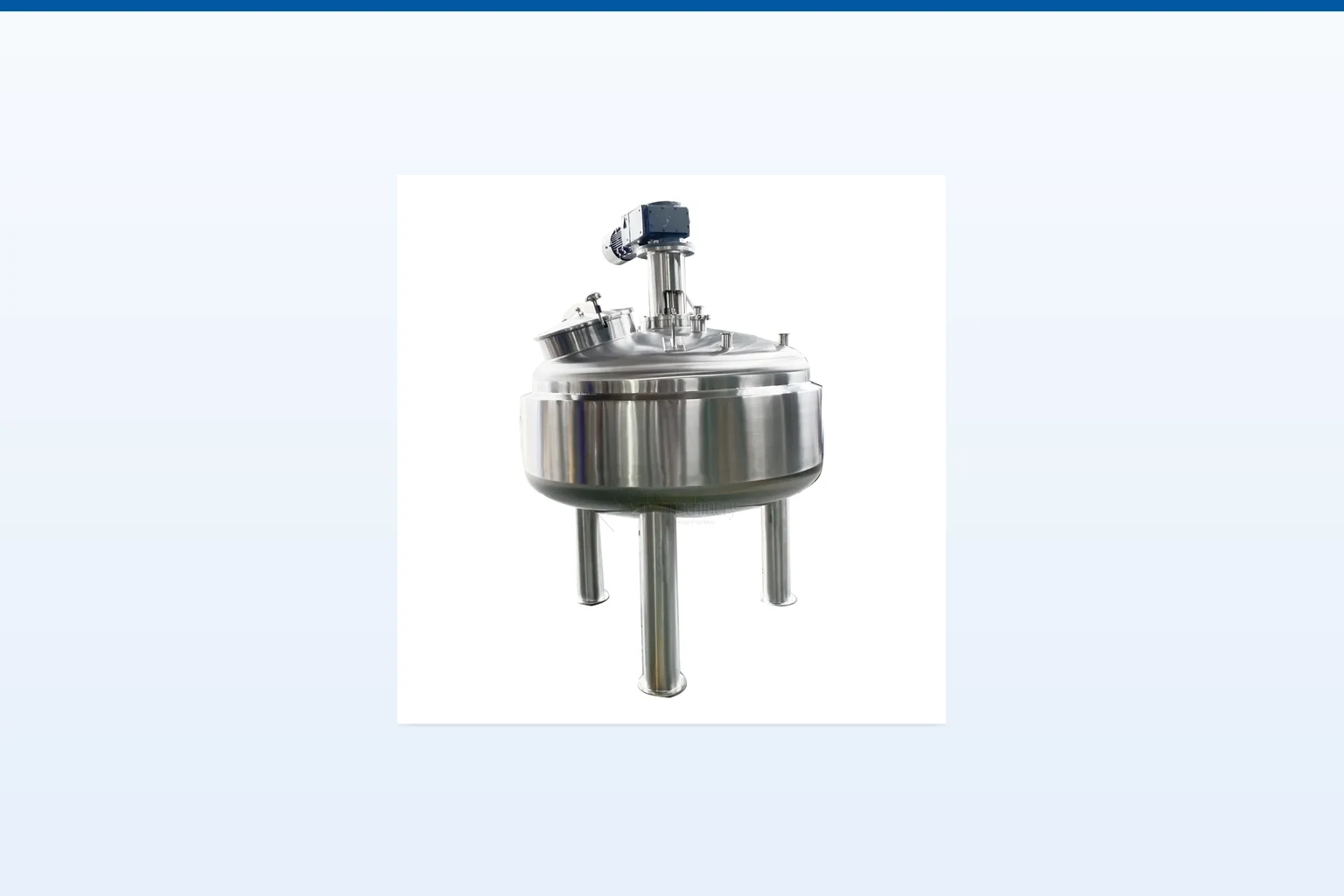
Mixing tank load cells can measure batch mass accurately only when the vessel is mechanically isolated from unwanted forces. Piping, hoses, ladders,.
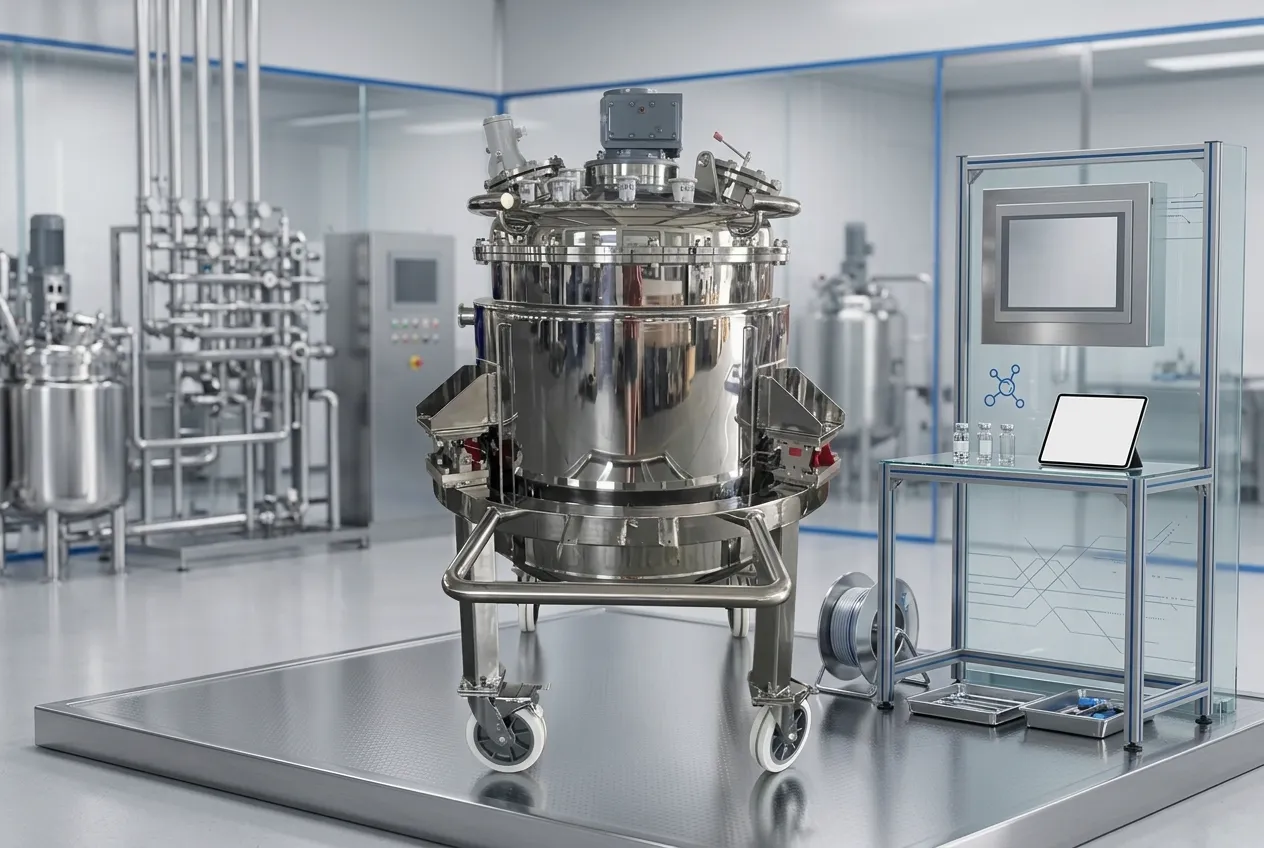
Mixing tank drainability depends on the complete liquid path: bottom slope, outlet position, valve geometry, connected piping, installation level,.
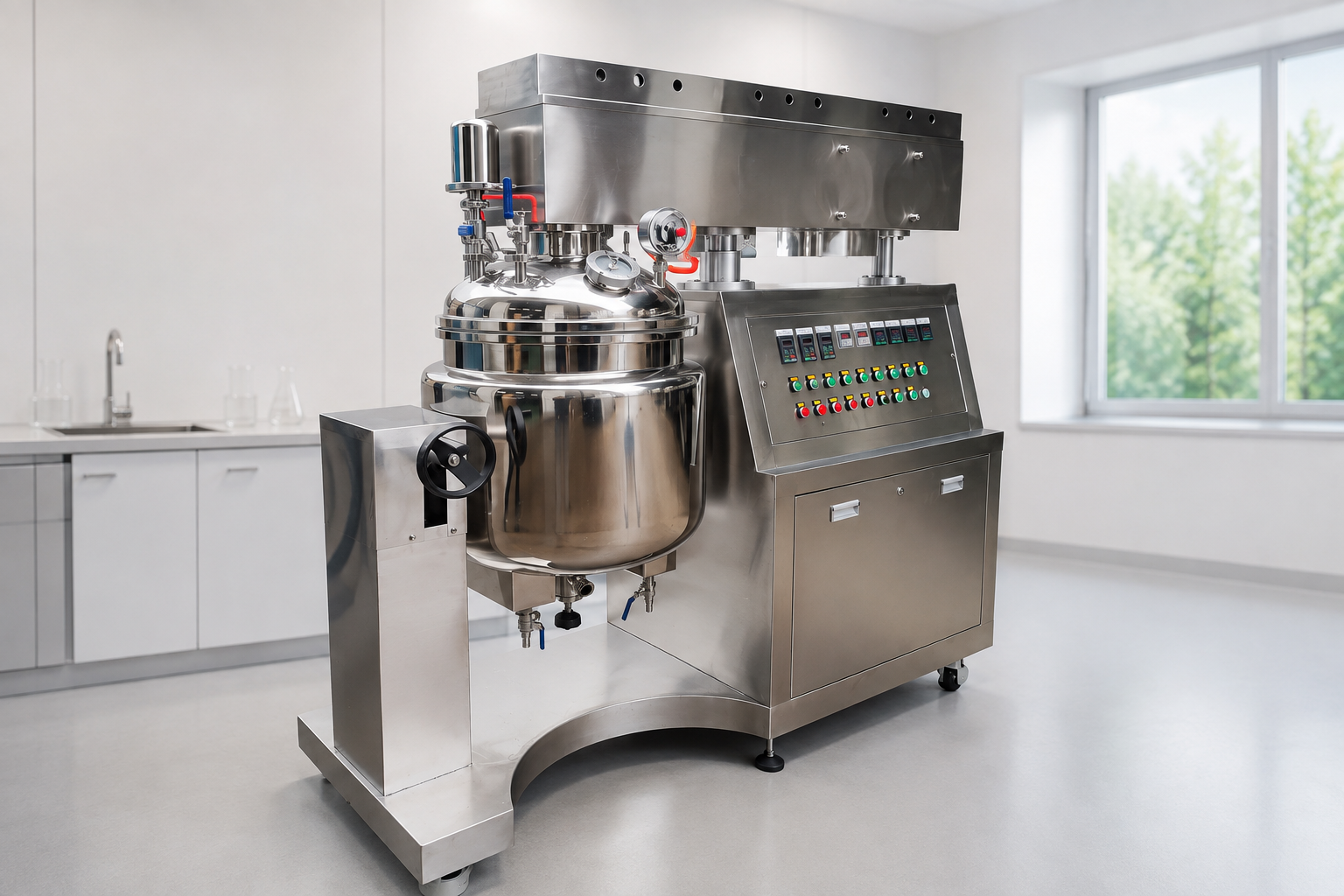
Vacuum mixer deaeration troubleshooting should separate vacuum-generation problems from product, agitation, temperature, seal, foam, and discharge.

Mixing tank bottom design should be selected from the required drainage, mixing pattern, pressure or vacuum duty, fabrication method, support arrangement,.

A mixing tank nozzle layout must support filling, recirculation, sampling, venting, instrumentation, cleaning, and complete discharge without interfering.
Mixing tank working volume is the usable process volume, while total volume includes headspace and unusable geometric capacity. Buyers should specify both.
A chemical make-up tank should produce a solution at the required concentration without unsafe addition, poor dissolution, dead zones, excessive heat, or.
Reliable mixing tank temperature monitoring requires a representative sensor location, enough immersion, good thermal contact, a suitable response time,.