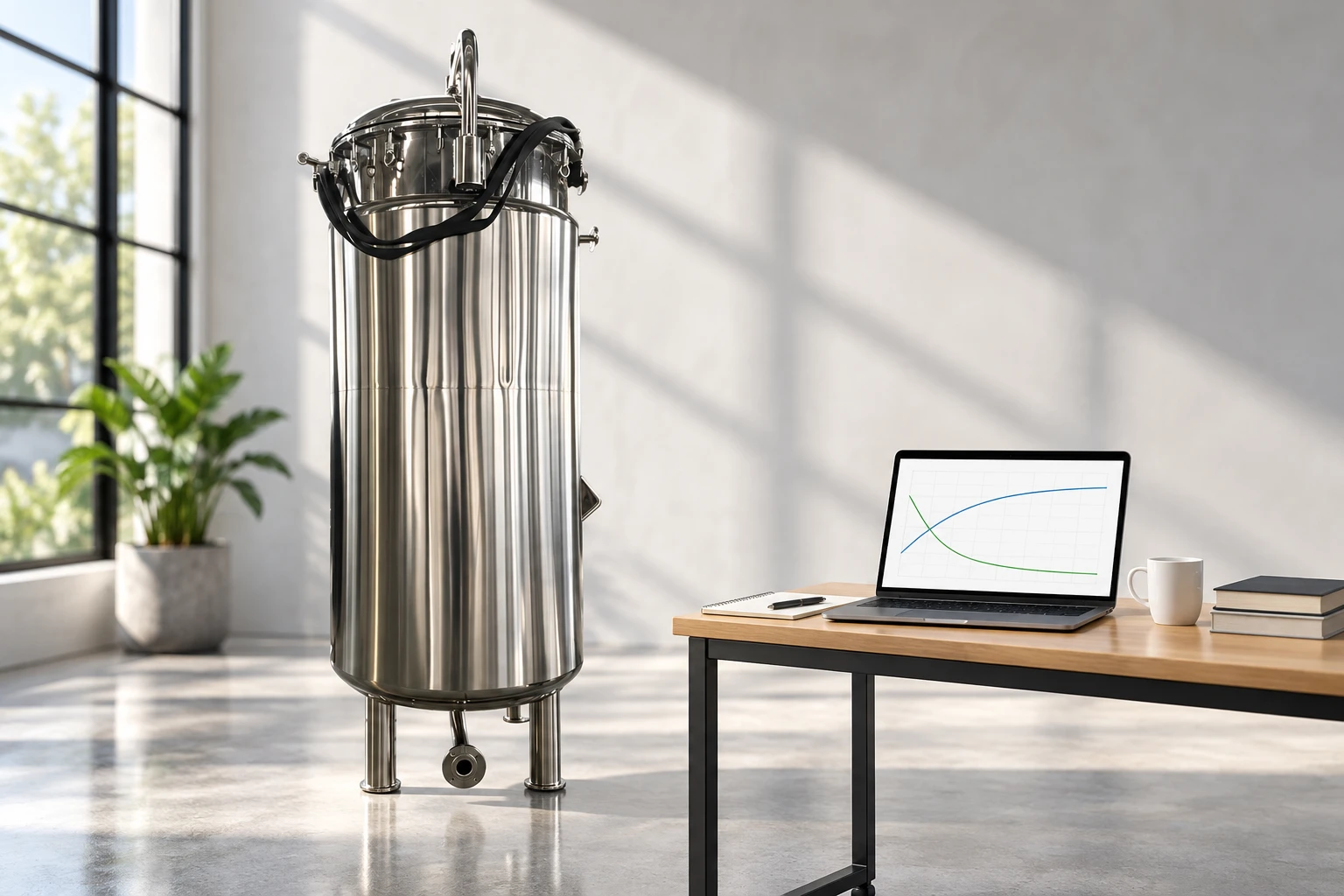
Fermenter Off-Gas Respiratory Quotient: Check the Gas Balance Before Interpreting the Trend
Check fermenter off-gas respiratory quotient using consistent gas balances, sample-system evidence and data-quality flags before interpreting batch trends.


Check fermenter off-gas respiratory quotient using consistent gas balances, sample-system evidence and data-quality flags before interpreting batch trends.
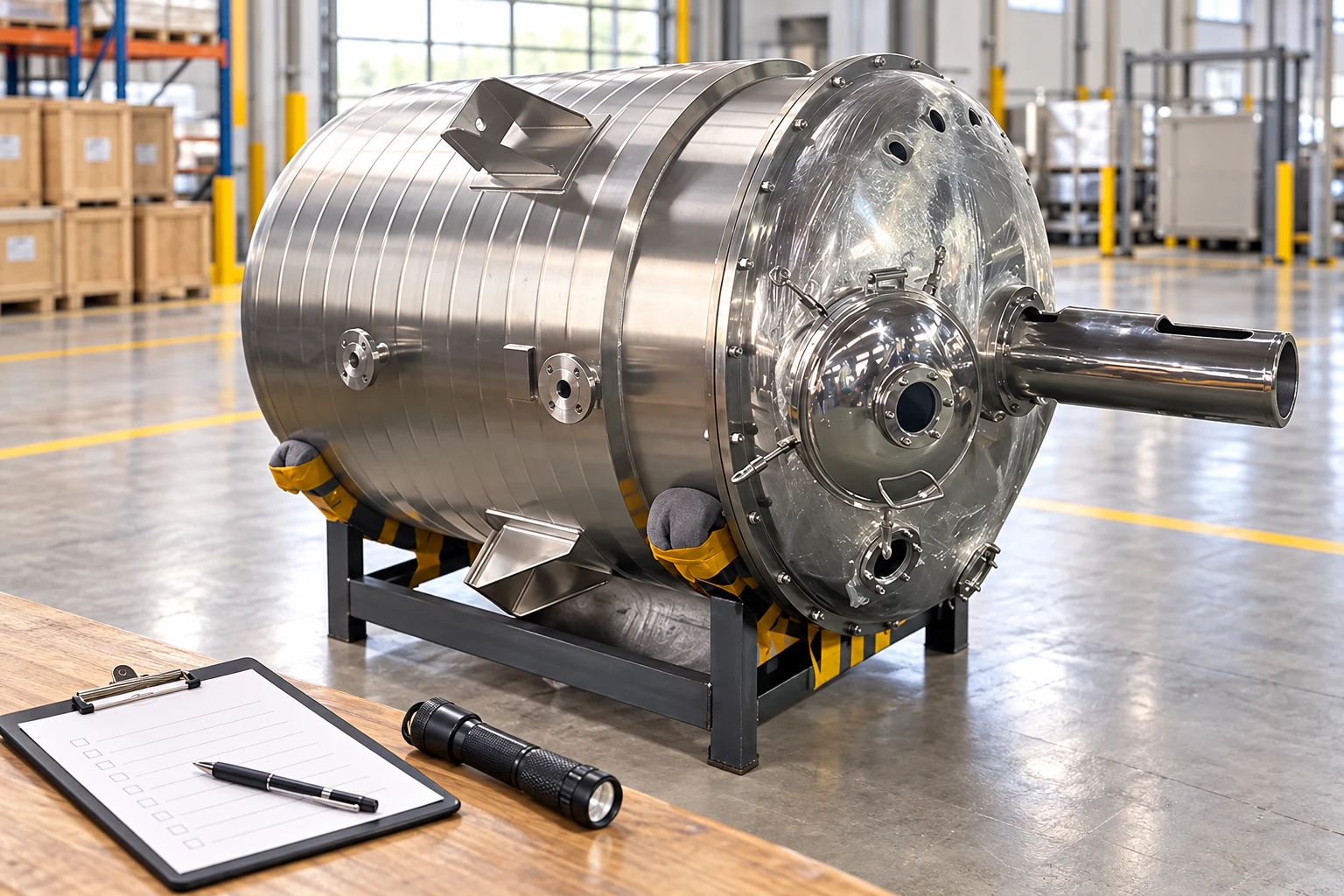
Plan storage tank corrosion under insulation inspection with traceable locations, suitable screening, confirmation, engineering review and reinstatement records.
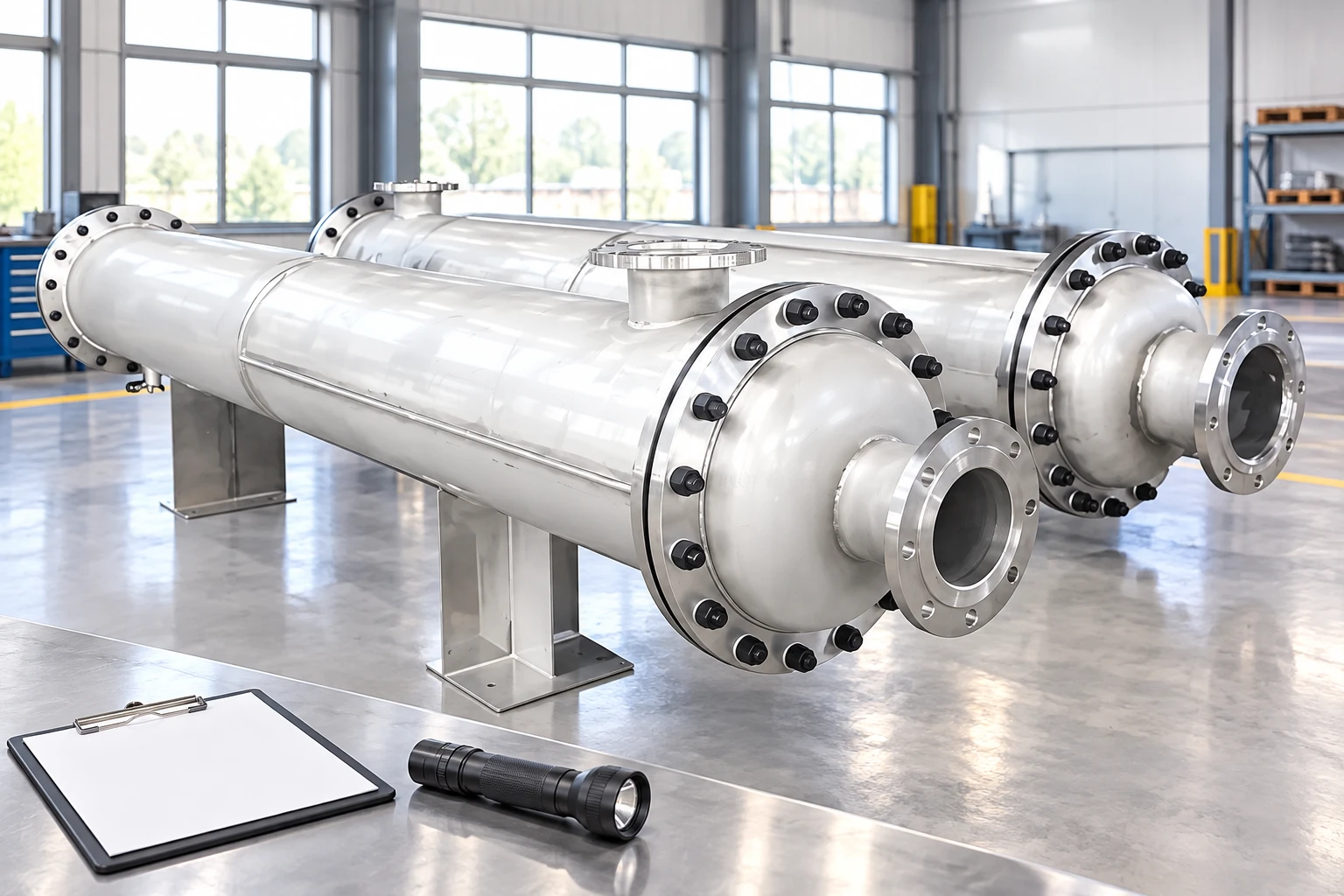
Investigate heat exchanger gasket failure using an operating timeline, removed-part evidence, joint inspection and a documented repair and restart review.
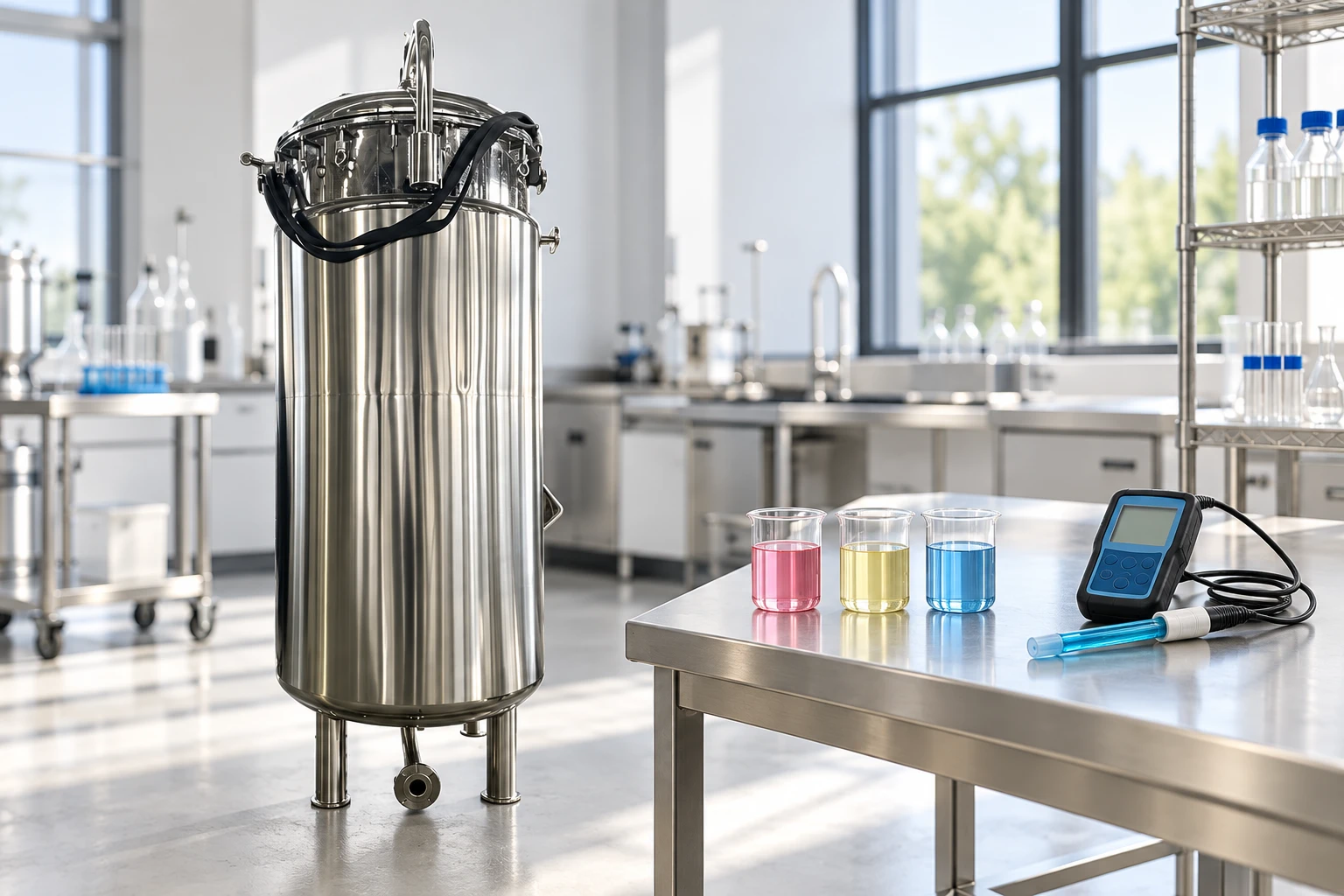
Plan fermenter pH probe calibration with traceable buffers, as-found checks, temperature records and a documented response to post-batch drift.
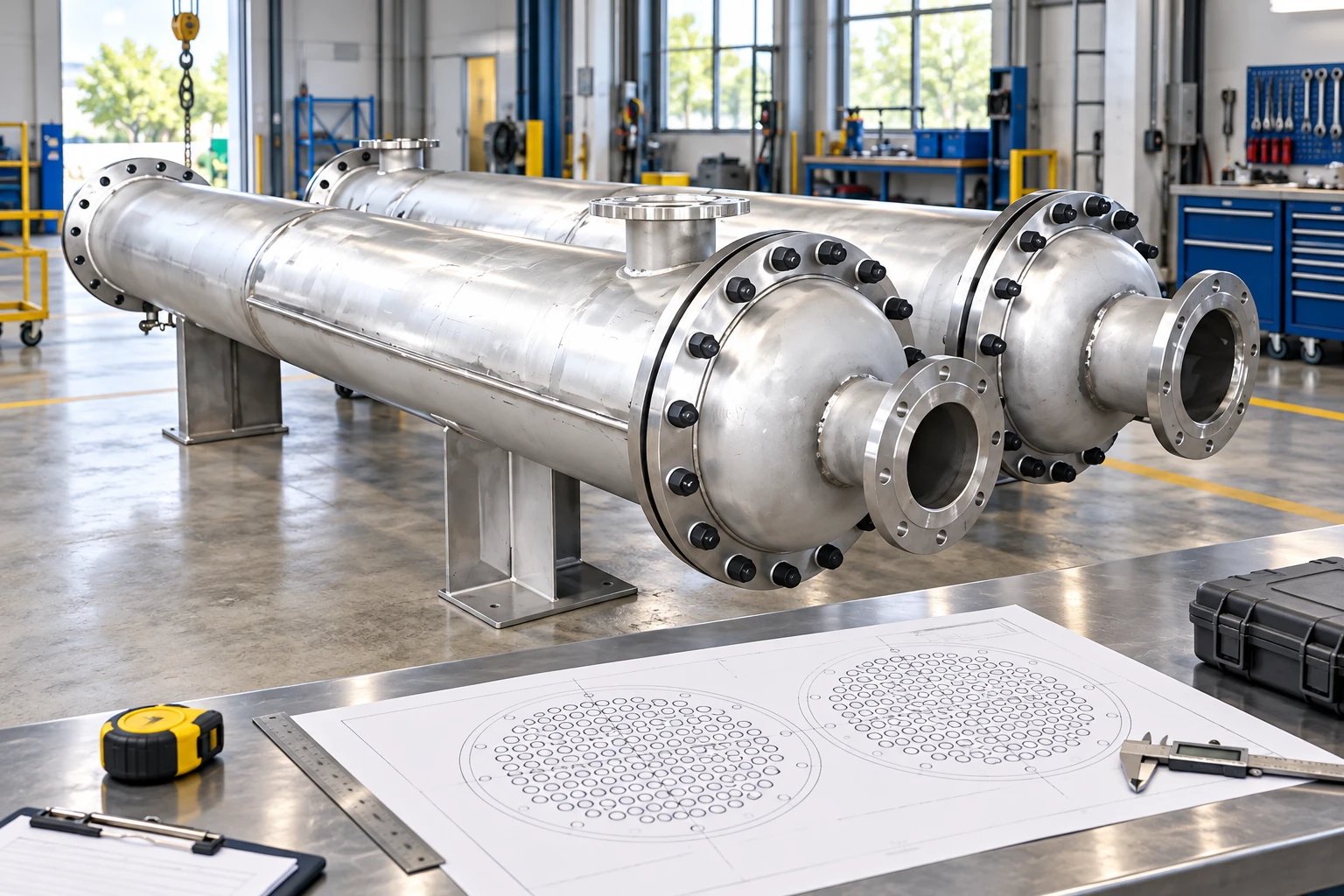
Assess heat exchanger tube plugging using a complete tube map, inspection findings, revised thermal and hydraulic rating, and continued-service conditions.
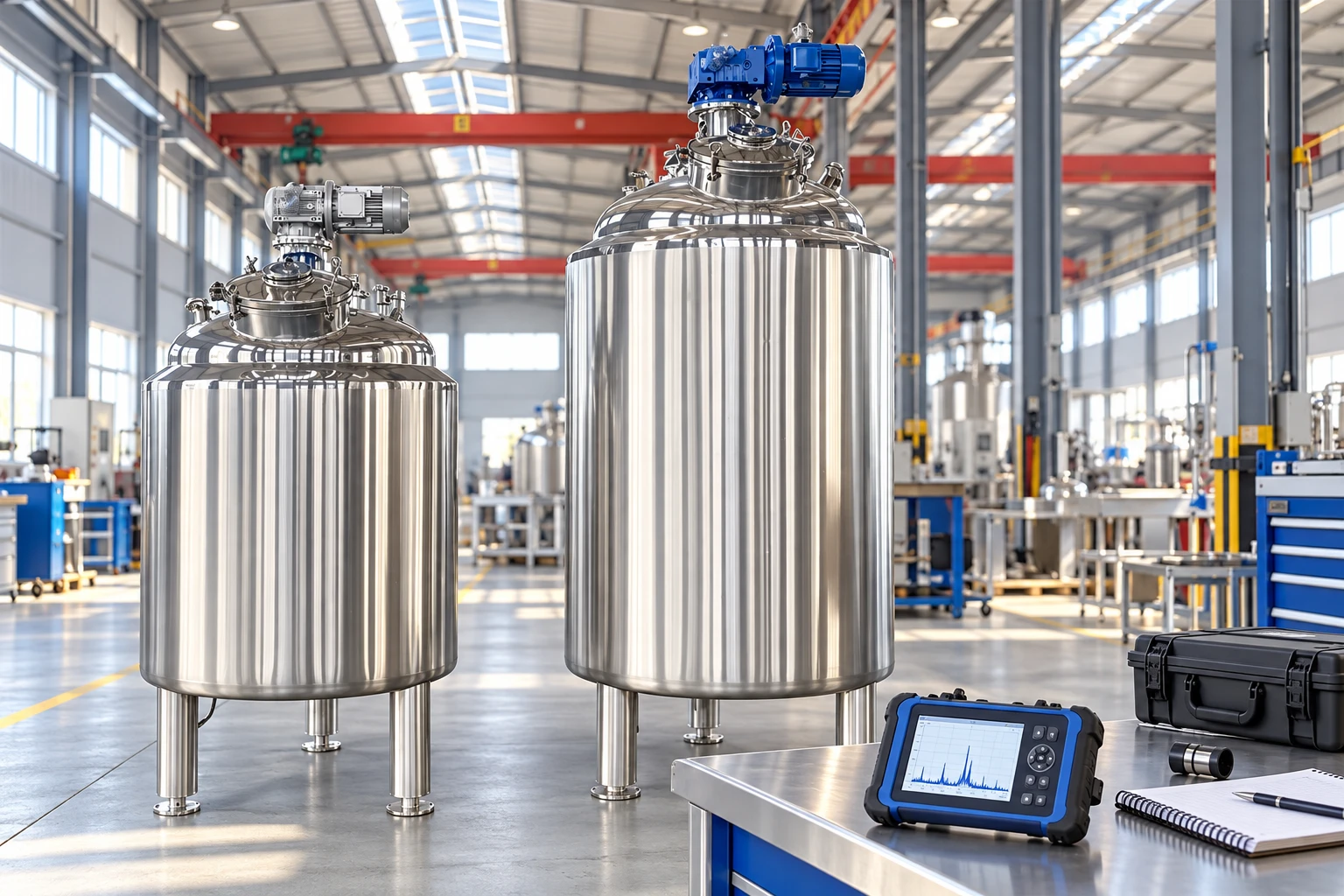
Investigate mixing tank agitator vibration with repeatable measurements, batch conditions, maintenance evidence and a clear supplier review request.
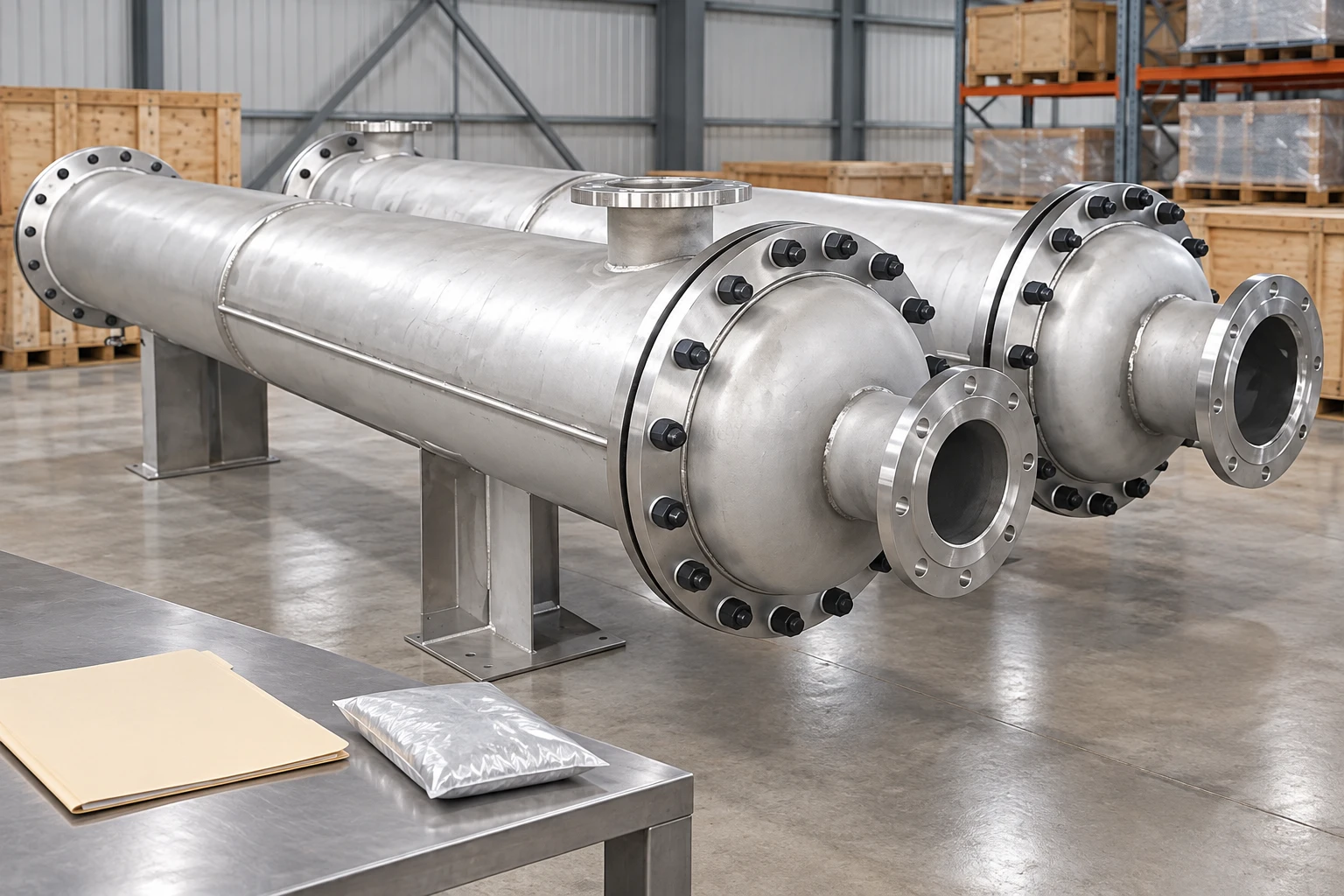
Plan heat exchanger storage preservation using starting-condition records, equipment-specific methods, inspections and a clear reinstatement register.
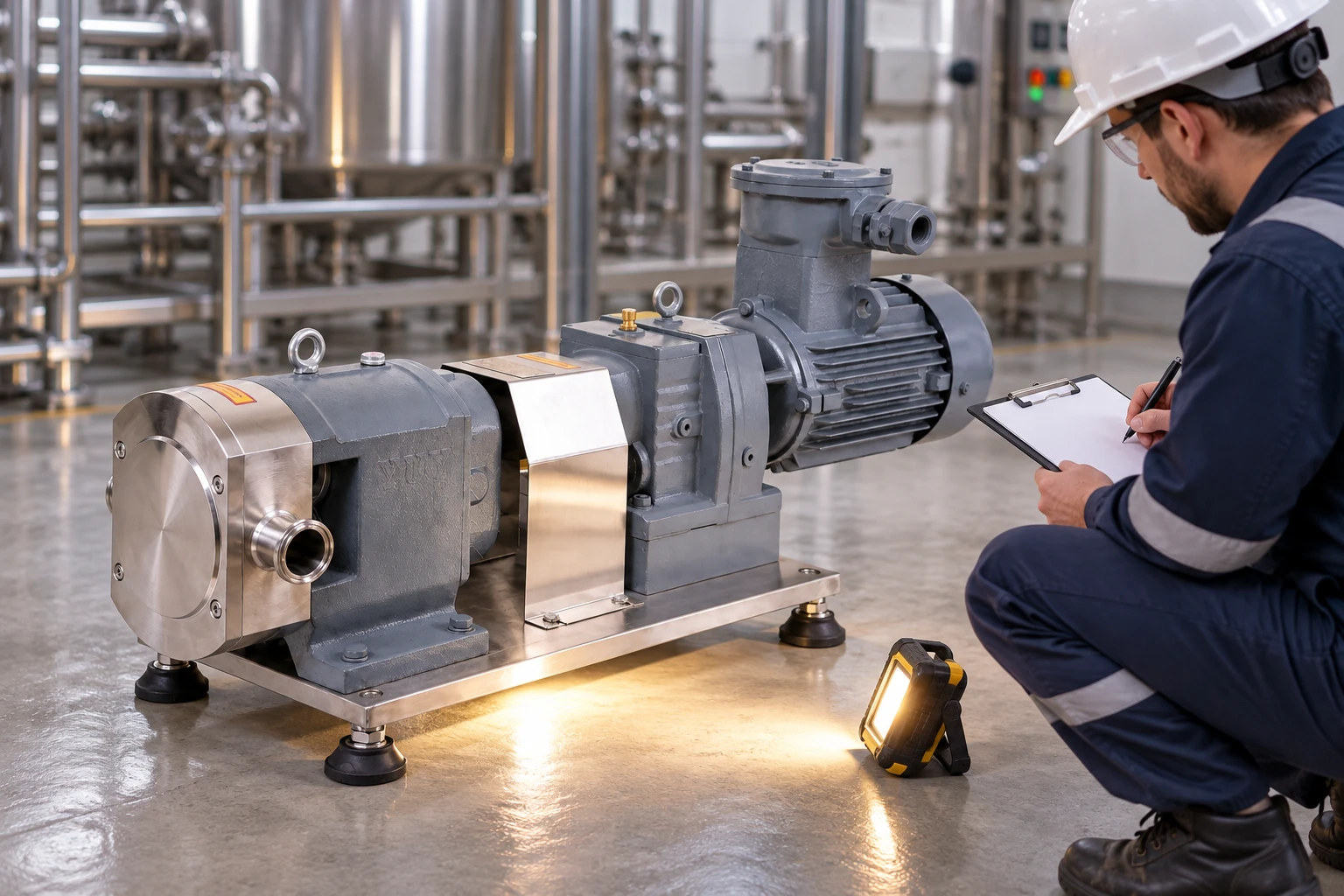
Investigate rotary lobe pump seal leakage with fluid identification, first-wet-point evidence, operating history and a manufacturer-specific parts request.
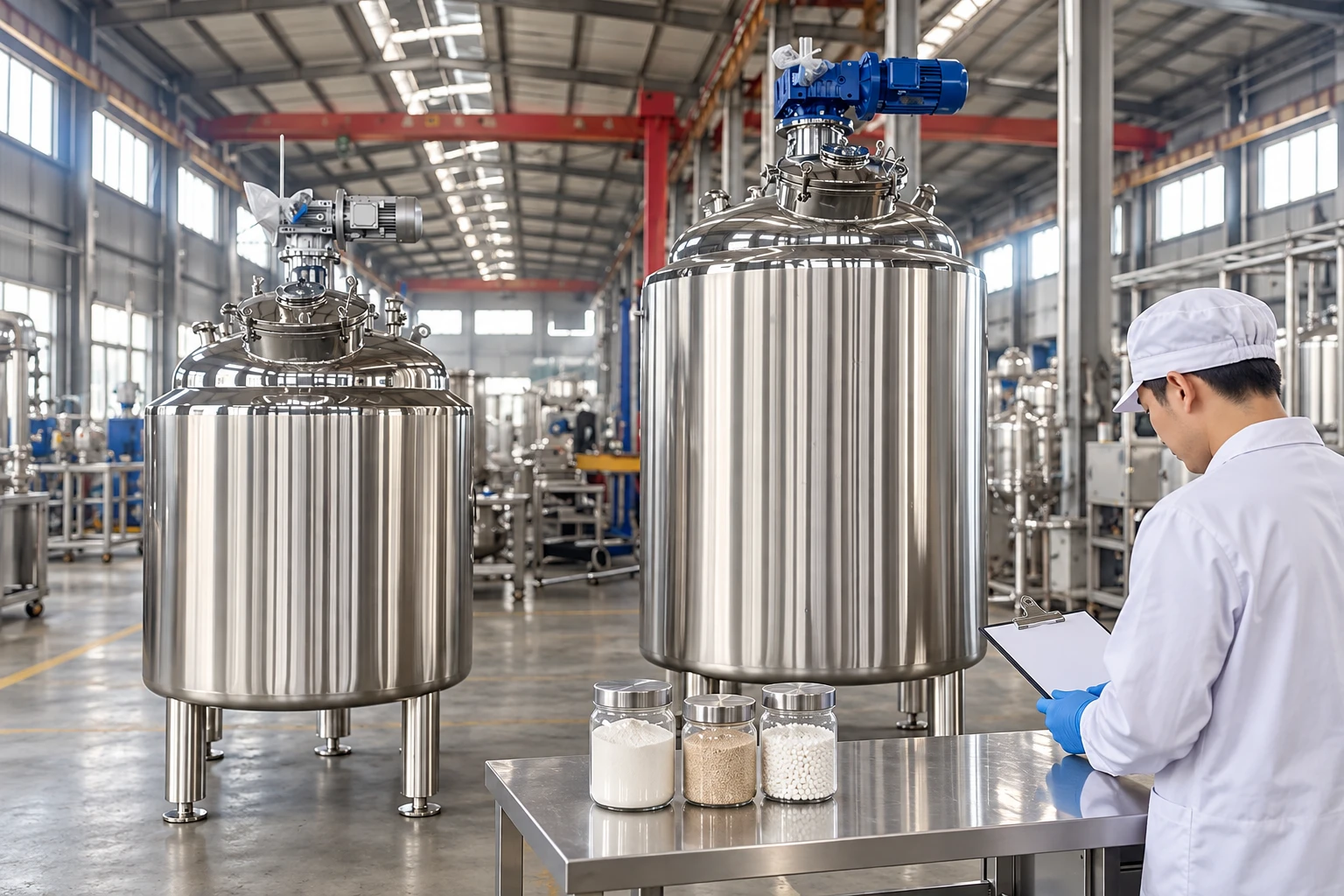
Connect ingredient lots, mixed batches, transfers and rework with practical food mixing tank traceability records and retrieval checks.