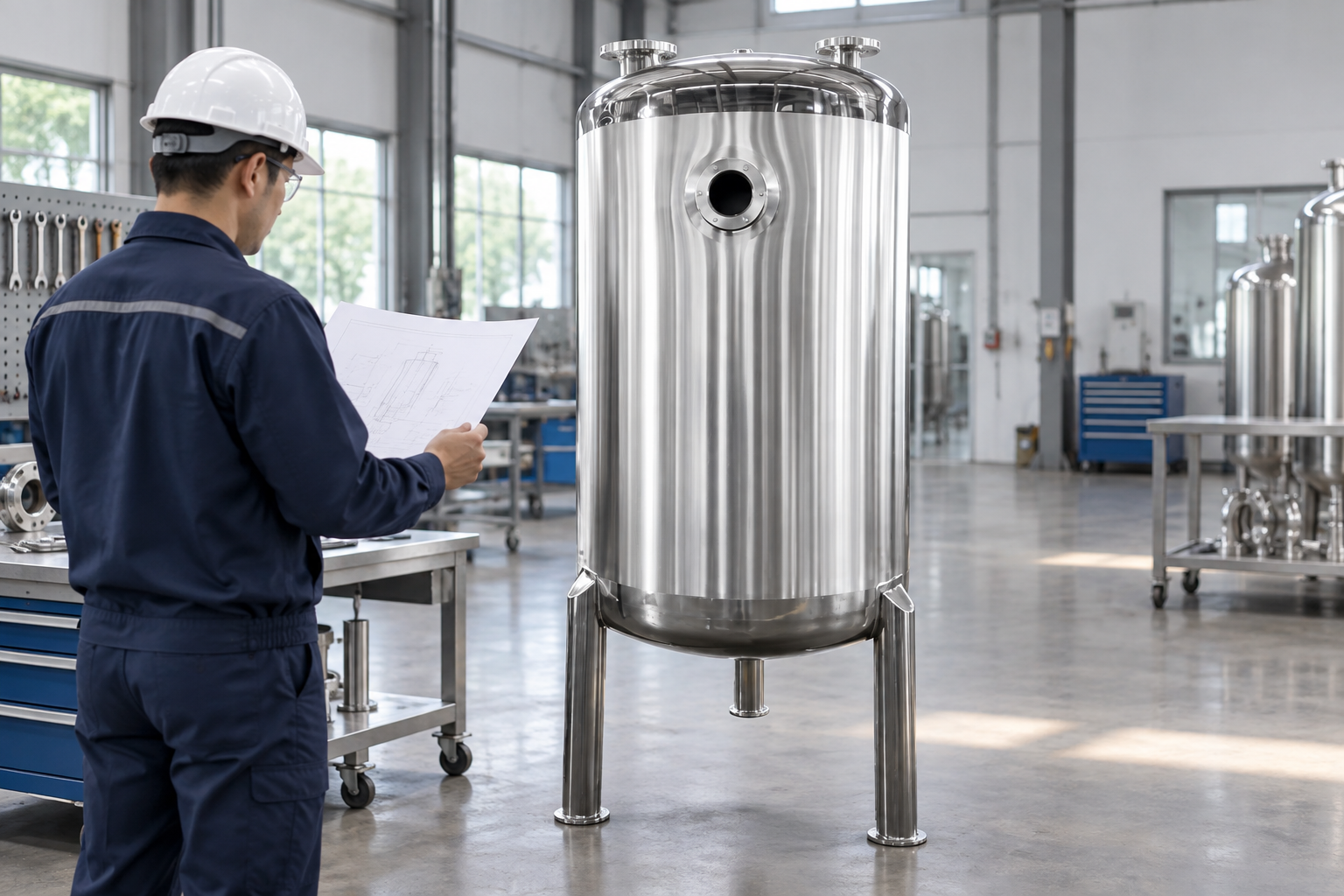
Ethanol Storage Tank Vent Sizing and Vapor Control
What ethanol tank vent sizing must cover: fill and withdrawal, thermal breathing, emergency relief, vapor routing, tank limits, and buyer documentation.


What ethanol tank vent sizing must cover: fill and withdrawal, thermal breathing, emergency relief, vapor routing, tank limits, and buyer documentation.
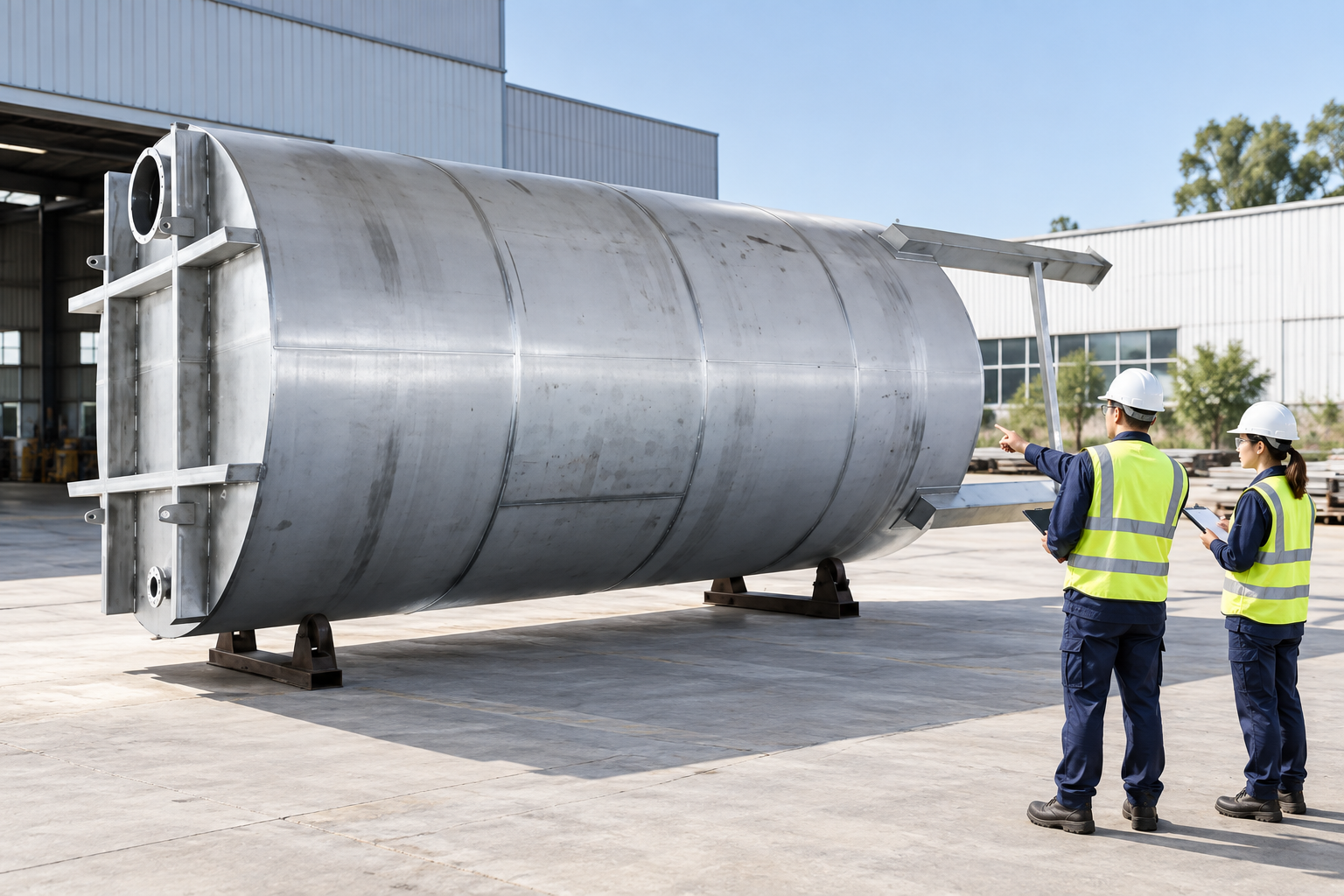
A risk-based chemical storage tank safety checklist for exterior inspection, transfers, vents, containment, hot work, entry, and escalation.
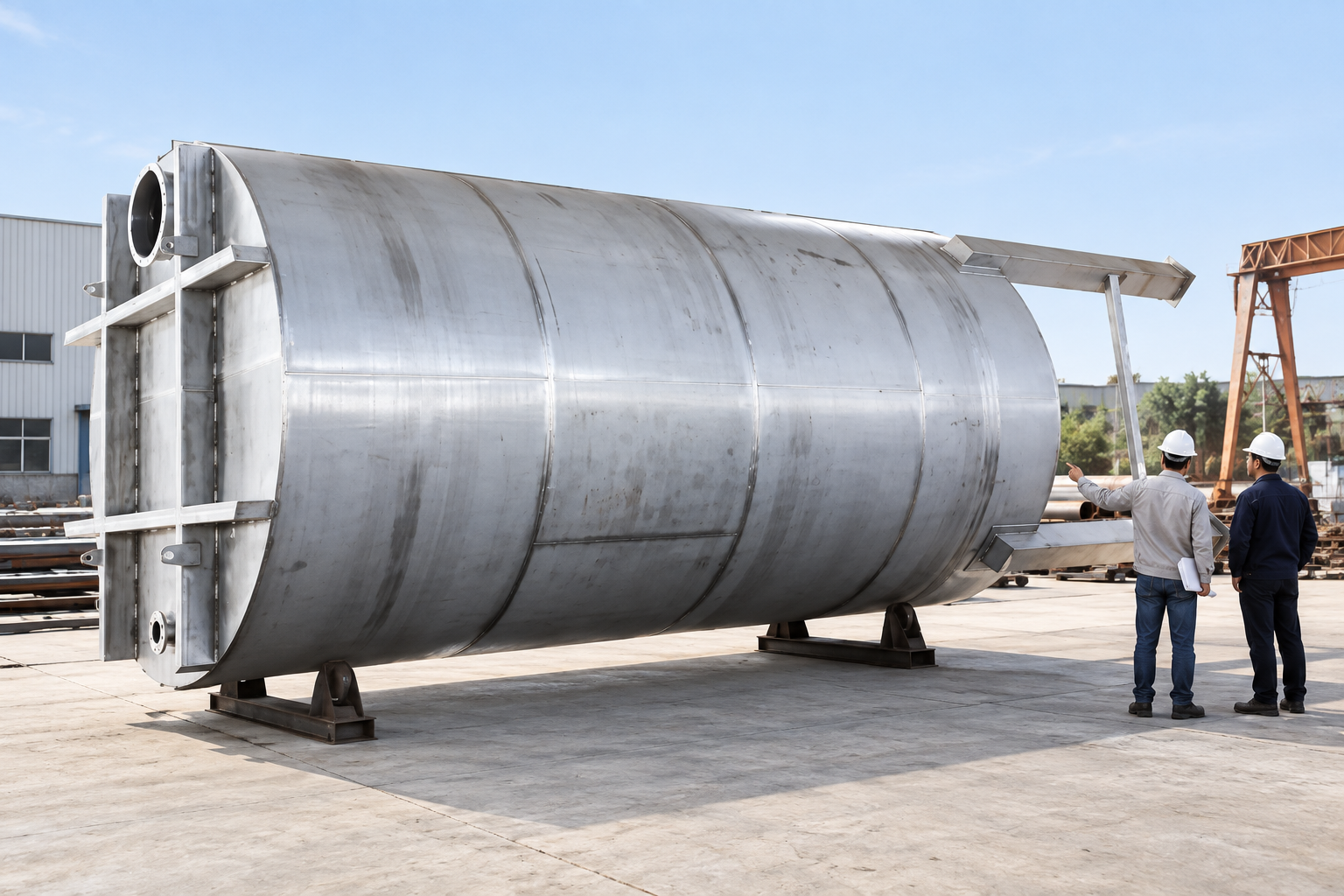
Plan chemical storage tank design from fluid data: materials, geometry, venting, overfill protection, secondary containment, and inspection evidence.
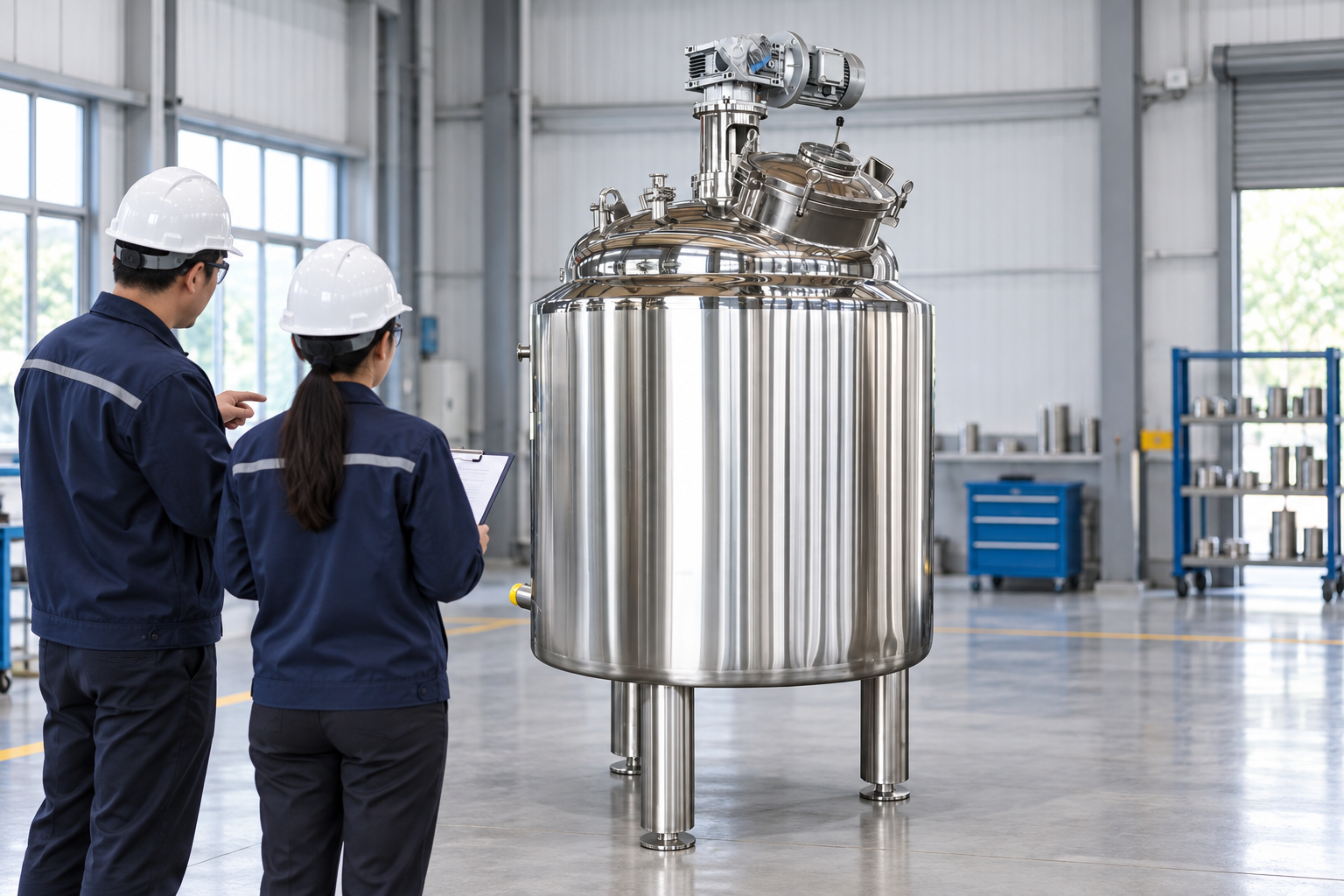
Use this mixing tank FAT checklist to verify construction, materials, agitator operation, containment, controls, records, and shipment release against agreed criteria.
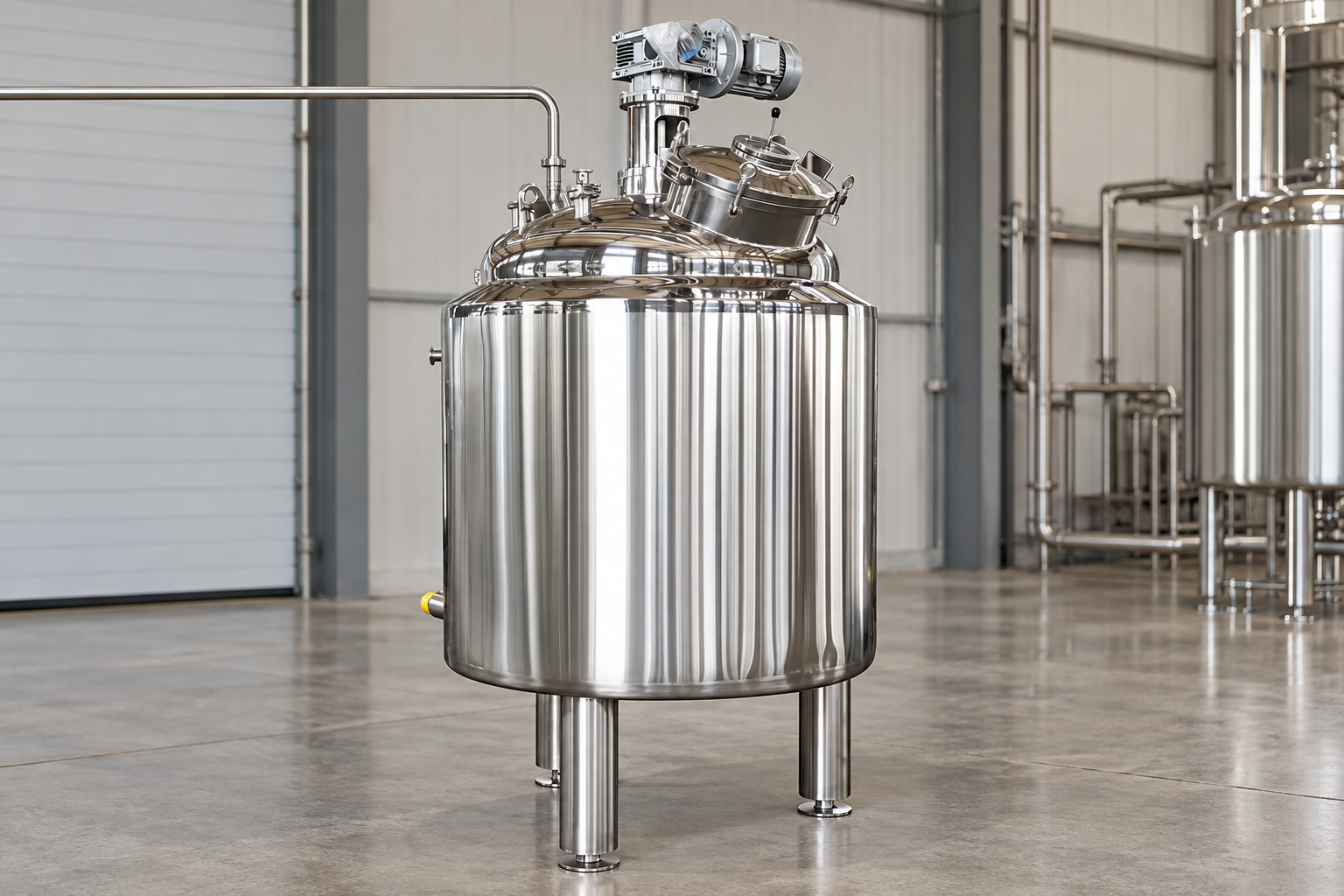
Specify a mixing tank nitrogen blanket with the right vessel limits, gas quality, pressure control, venting, safety checks, and acceptance evidence.

Mixing tank weld inspection should verify joint identity, geometry, surface condition, continuity, cleanliness, and any required nondestructive.

Hygienic mixing tank surface finish must be specified as more than a single Ra value. Buyers should define the product-contact boundary, measurement.

Mixing tank residence time describes how long material remains in a vessel or system, but its meaning differs for batch, semi-batch, and continuous.
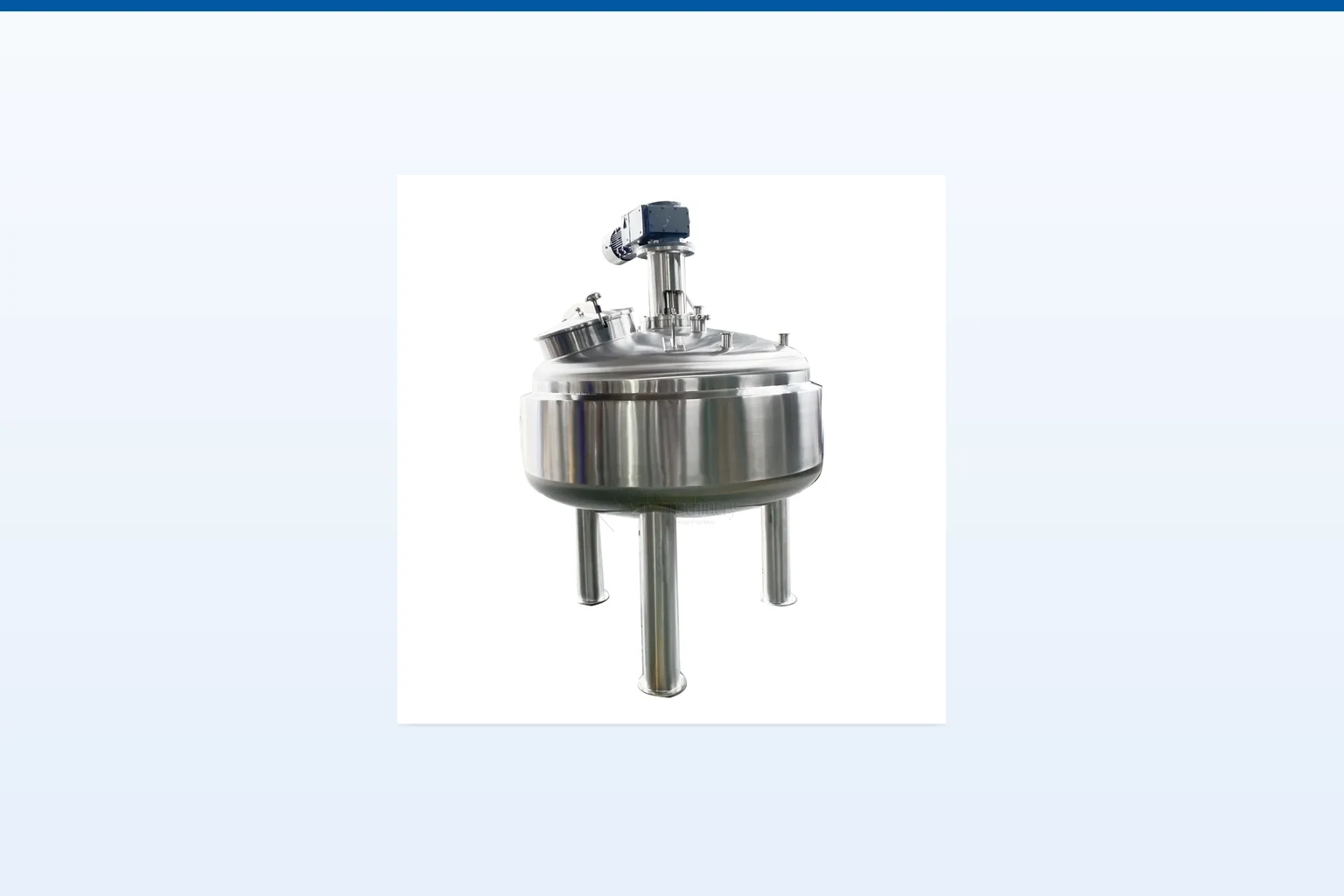
Mixing tank scale-up is not achieved by multiplying every dimension and motor size by one factor. Engineers choose which process behavior to preserve—such.