







Product Introduction
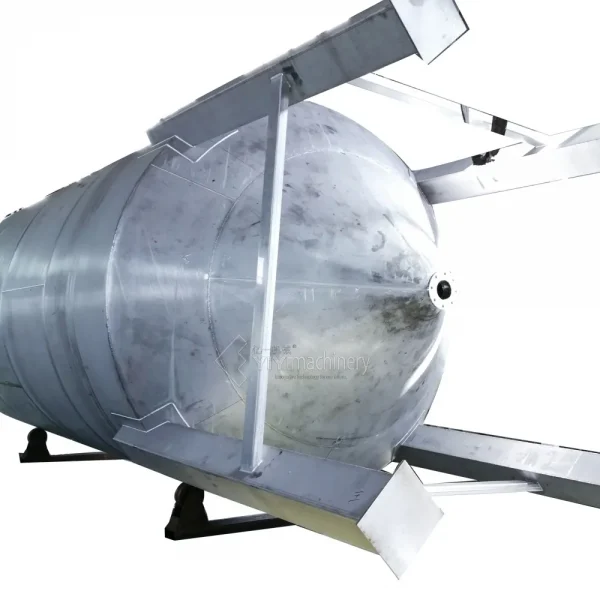
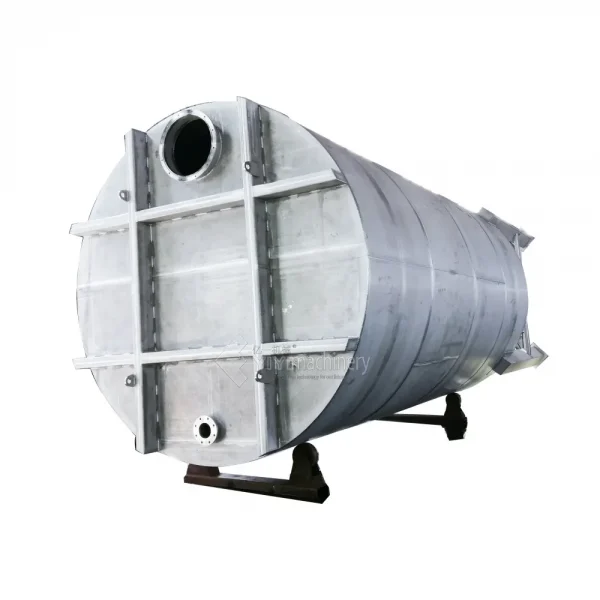
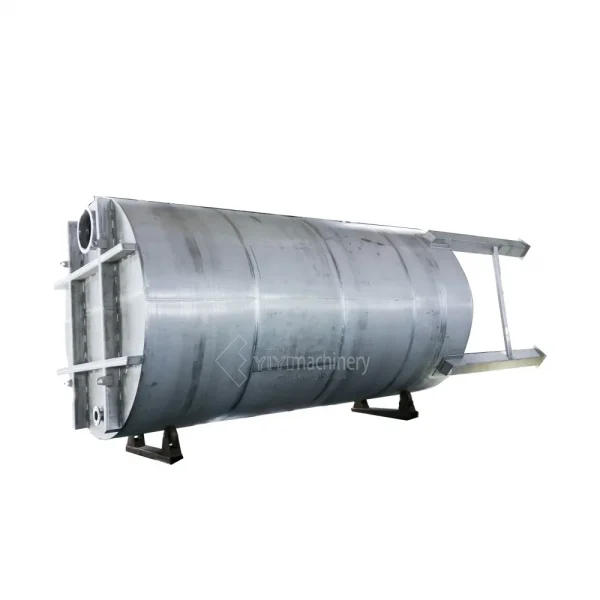
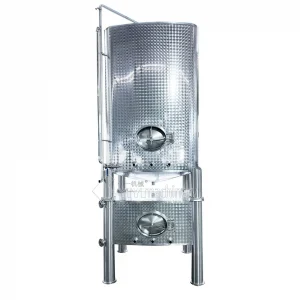
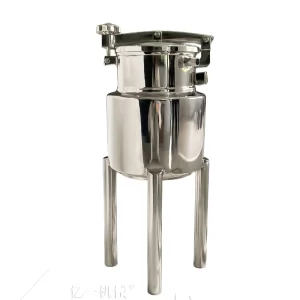
Stainless steel reactor tanks are essential for pharmaceuticals, chemicals, food and beverage, and biotechnology. They provide a controllable environment for reactions, mixing, and sterilization, ensuring product quality and safety. Made of high-quality stainless steel, they resist high pressure, high temperature, and corrosion, with easy cleaning and long durability.
Product Features
Material: 304/316L Stainless Steel – Food-grade, corrosion-resistant, compliant with FDA/GMP. 304 for non-corrosive materials; 316L (with molybdenum) for strong acids/alkalis, suitable for pharmaceuticals and biotechnology.
Capacity: Customizable – 100L-20000L, tailored to laboratory, small-batch, or large-scale production needs.
Surface Treatment: Polishing or sandblasting – Mirror polishing (Ra ≤ 0.8μm) for hygiene-focused industries; sandblasting for anti-slip/wear resistance in chemical workshops.
Structure: Single/double/multi-layer – Single-layer for normal pressure; double-layer for temperature control; multi-layer with insulation for heat retention.
Heating/Cooling: Steam/electric/thermal oil/cooling jackets – Steam for large-scale heating; electric for precise control; thermal oil for high-temperature processes; cooling jackets for exothermic reactions.
Agitator: Anchor/paddle/propeller/turbine – Selected by material viscosity: anchor for high-viscosity; propeller for low-viscosity; turbine for strong shear force.
Applications
Pharmaceutical Production – For APIs, biological preparations, complying with GMP standards.
Chemical Processing – For organic/inorganic reactions, polymerization, and fine chemicals.
Food and Beverage – For mixing, sterilizing, and fermenting beverages, dairy, and condiments.
Cosmetic Manufacturing – For emulsifying and mixing creams, lotions, and shampoos.
Biotechnology – For microbial fermentation and cell culture, ensuring product activity.
Selection Guide
1. Determine Capacity – Choose based on production needs, reserve 10%-20% spare capacity.
2. Choose Material – 304 for non-corrosive materials; 316L for corrosive materials or high purity needs.
3. Design Pressure – Specify pressure requirements, reserve 1.2-1.5 times safety margin for high-pressure processes.
4. Heating/Cooling – Select based on temperature needs and on-site conditions.
5. Agitator Type – Choose by material viscosity and mixing requirements.
6. Special Requirements – Specify insulation, control systems, or sterile design in advance.
7. Accessory Selection – Choose necessary accessories based on usage needs.

Reviews
There are no reviews yet.