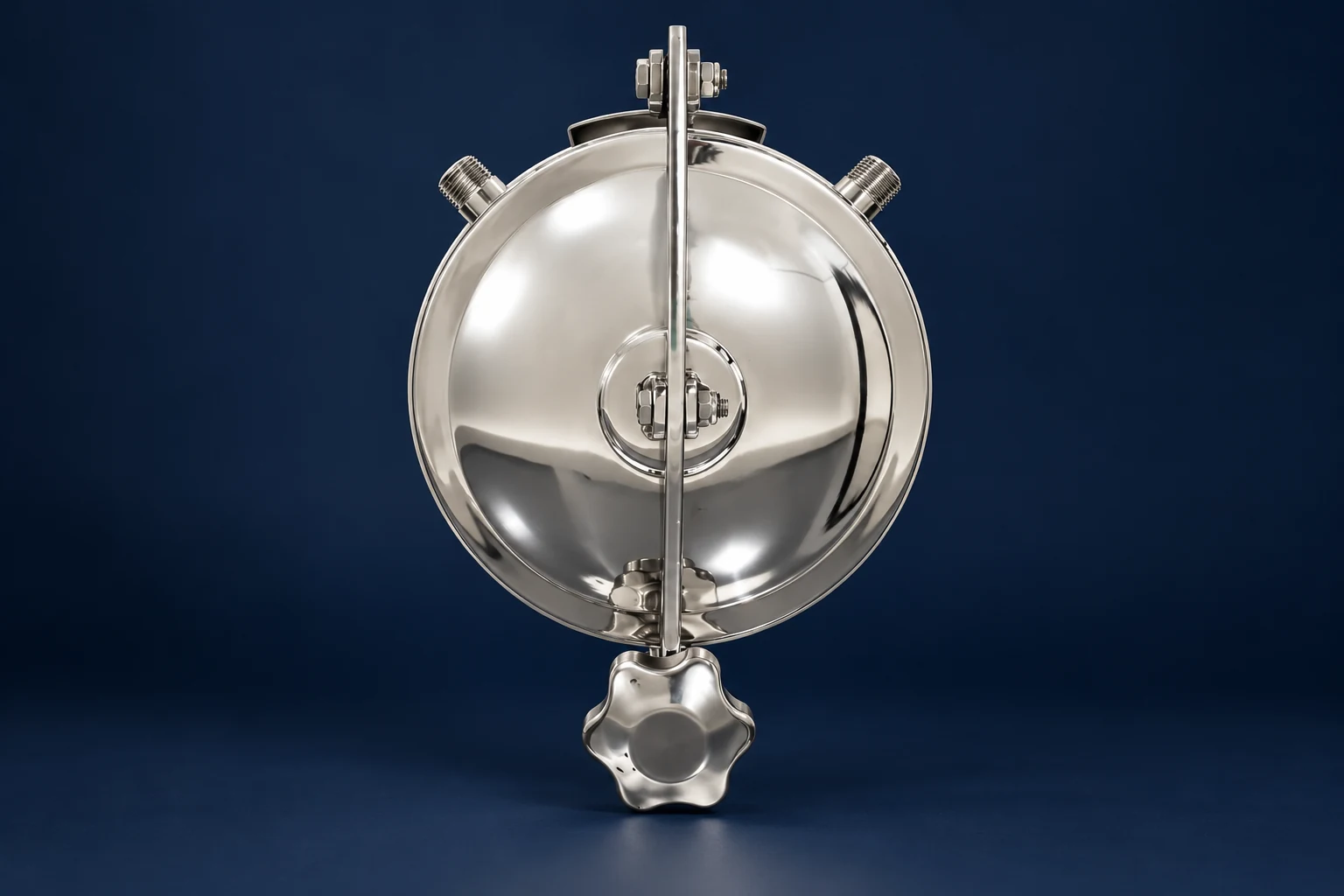
Tank Manhole Size: Access, Cleaning, and Inspection Requirements
Choose tank manhole size using the clear opening, maintenance task, internal obstructions, cover movement, vessel design and competent access assessment.


Choose tank manhole size using the clear opening, maintenance task, internal obstructions, cover movement, vessel design and competent access assessment.
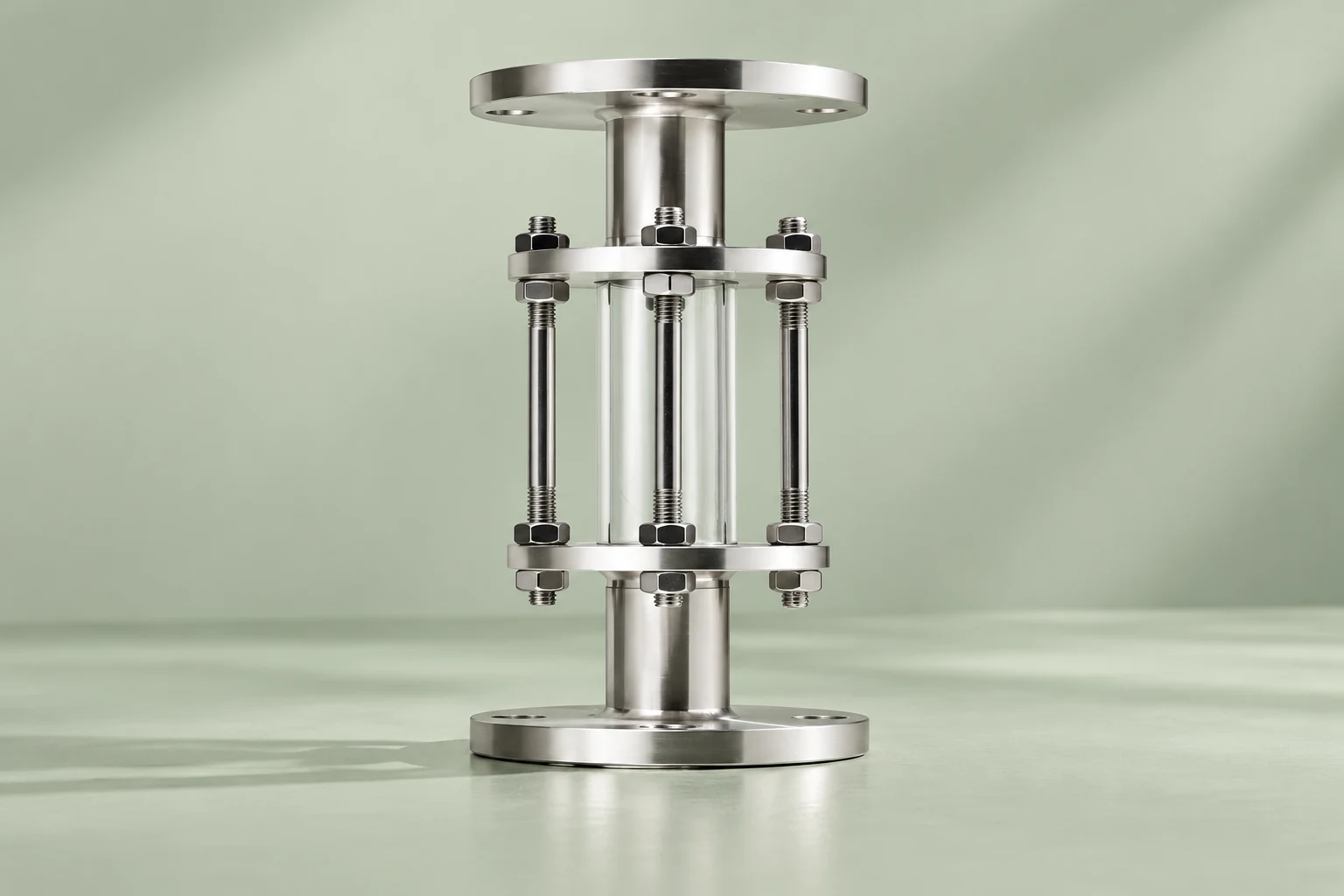
Verify sight glass pressure and temperature ratings for the complete assembly, including glass, seals, connections, vacuum, thermal changes and testing.

Compare tank sight glasses and level gauges using observation purpose, range, pressure balance, fluid properties, visibility and installed verification.
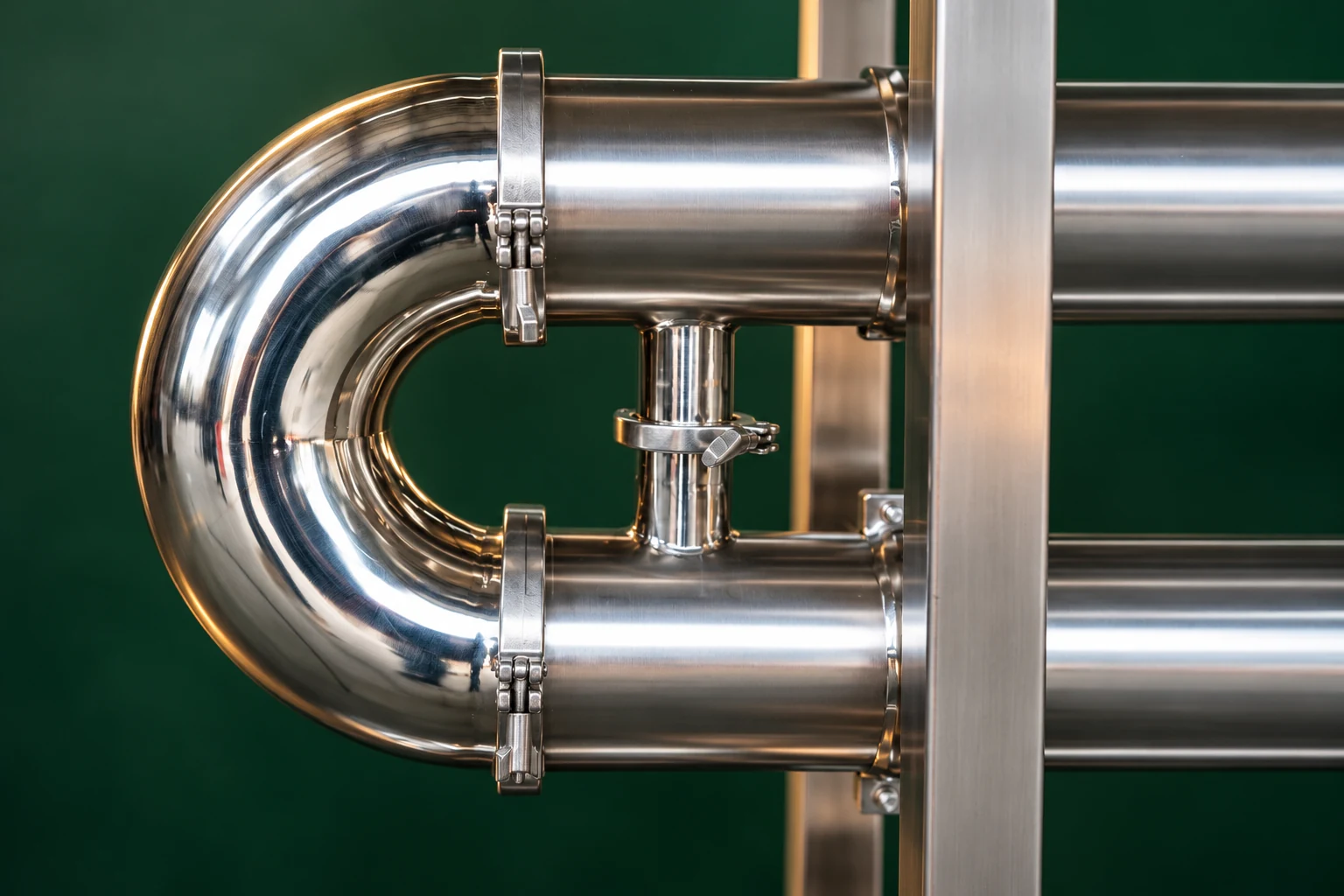
Specify sanitary heat exchanger CIP with the correct cleaning circuit, active flow area, drainage, compatible materials, measurable conditions, and validation records.
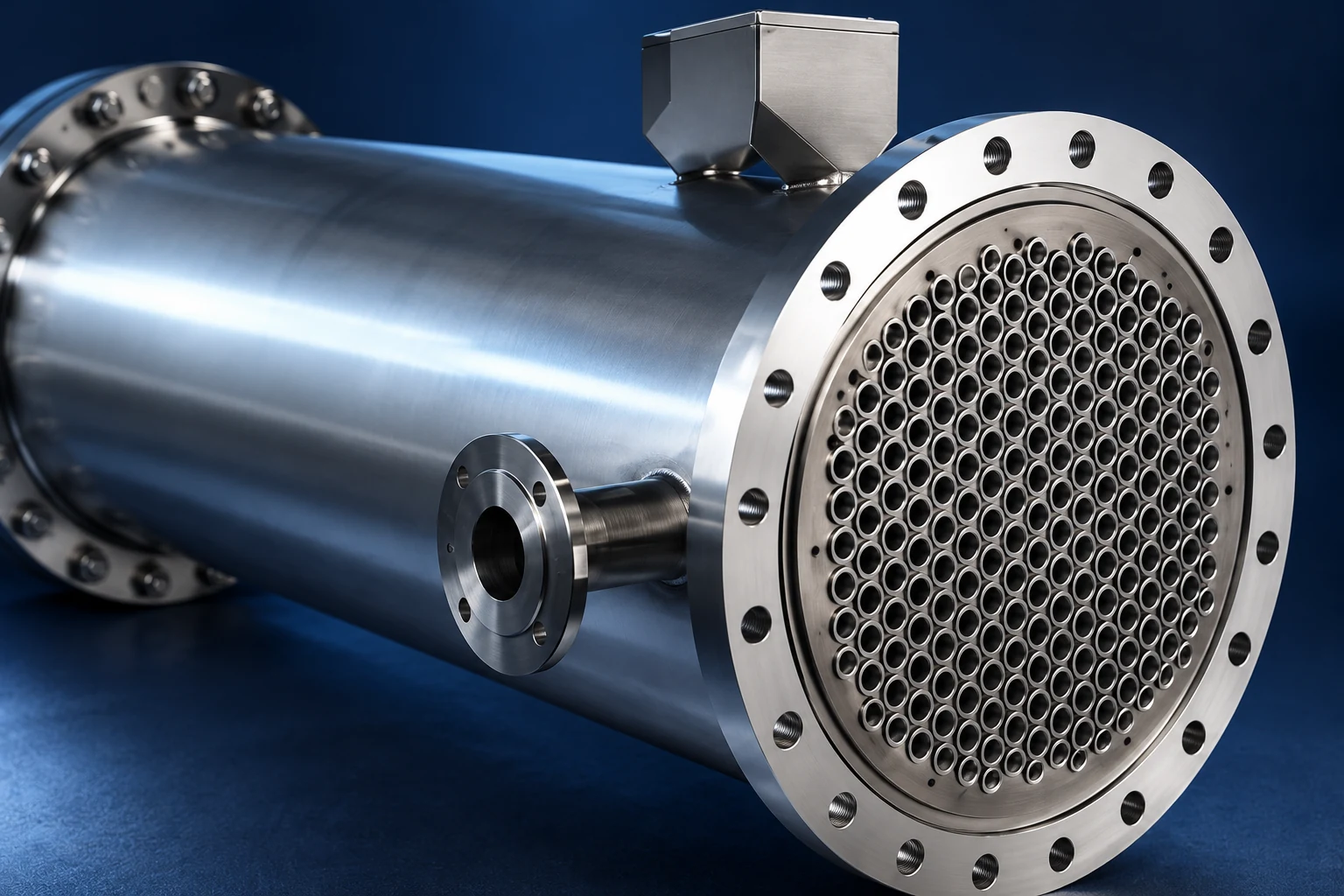
Investigate heat exchanger tube vibration through local flow, support spans, damage mapping, operating changes, and a documented supplier assessment.
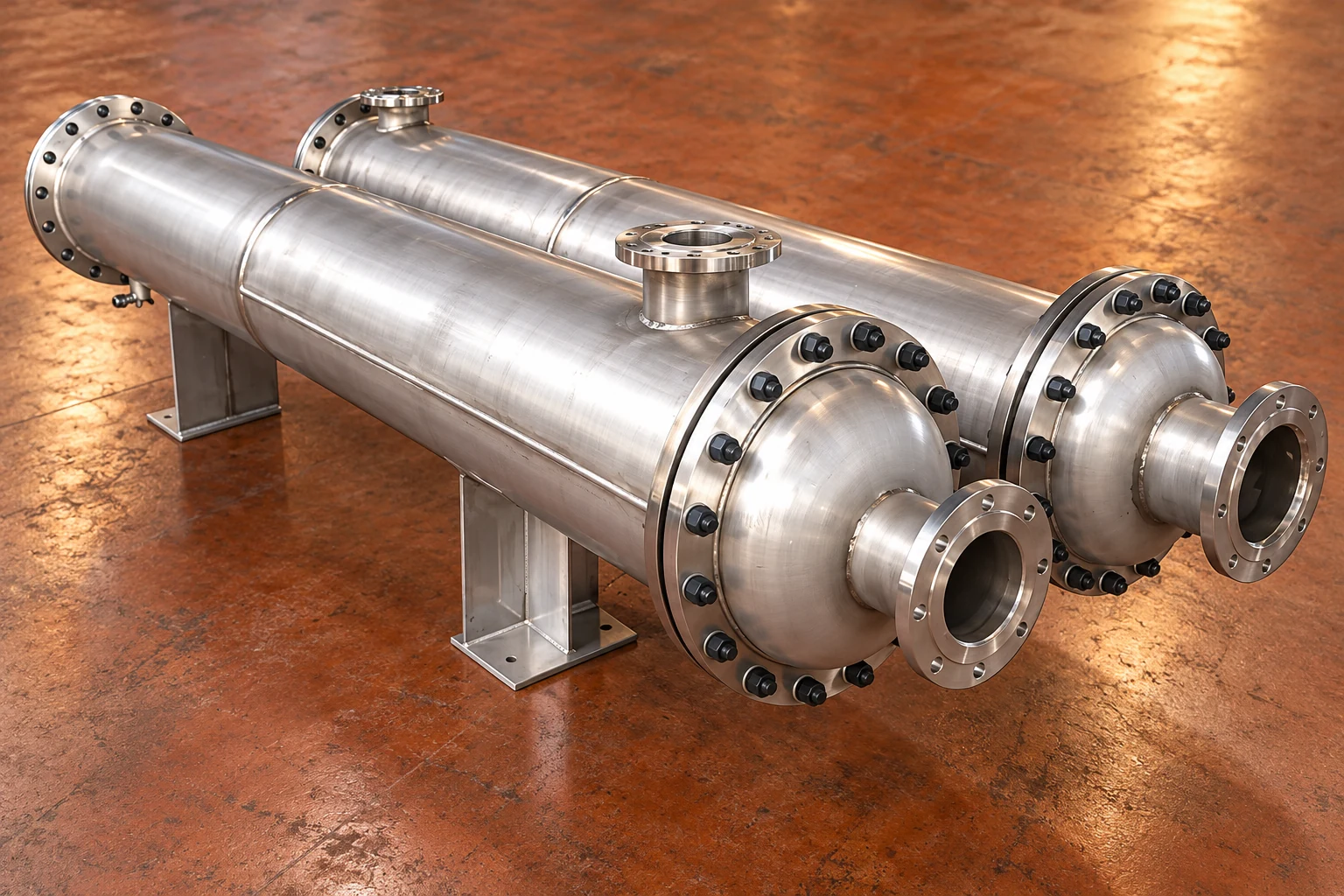
Assess heat exchanger thermal expansion using temperature cases, free movement estimates, construction options, support restraint, and supplier review evidence.

Calculate heat exchanger tube velocity with active pass area, check Reynolds number, and review fouling, pressure loss, plugging, and operating-flow limits.
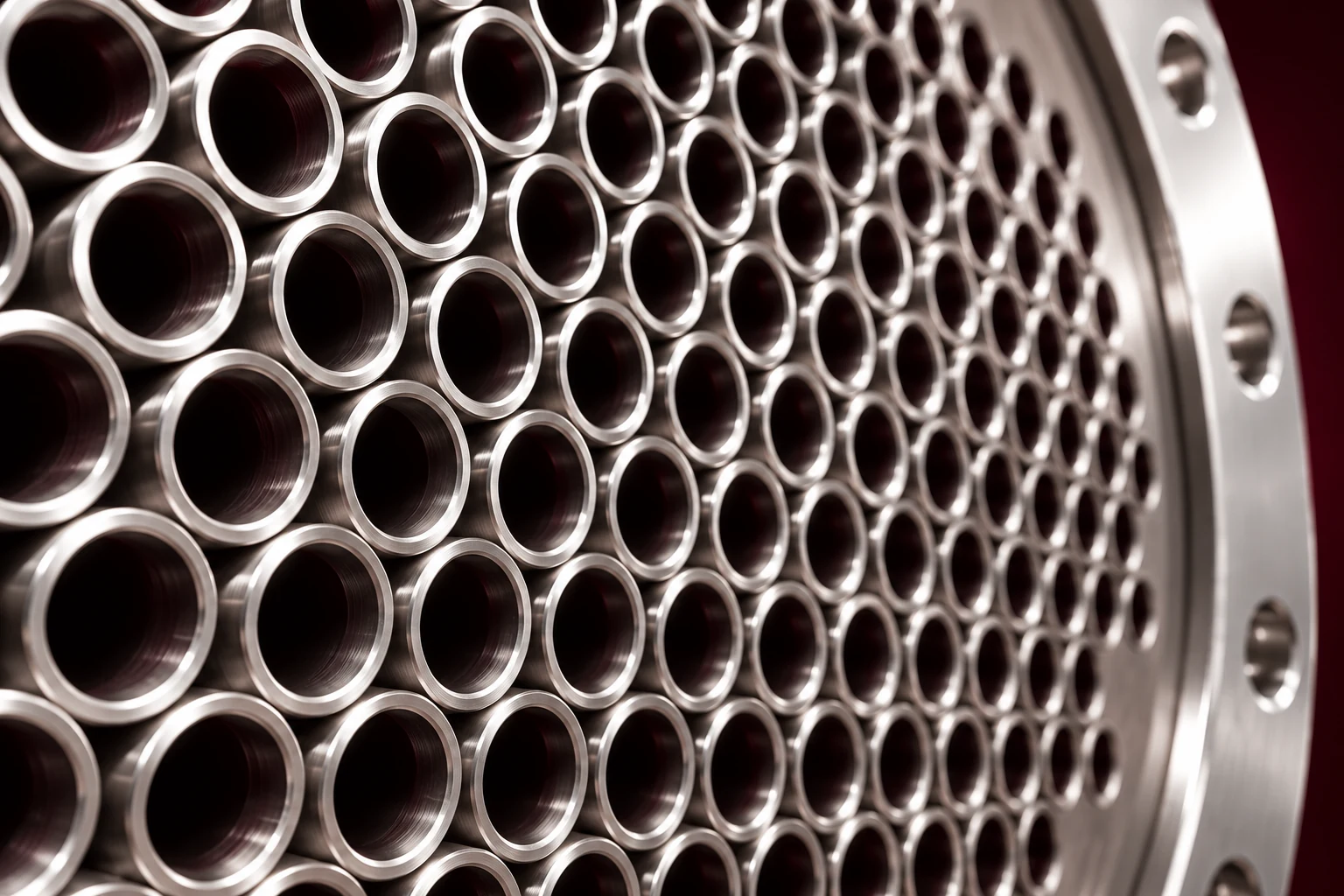
Select heat exchanger tube materials using fluid chemistry, temperature, cleaning exposure, joining compatibility, corrosion evidence, and traceability records.
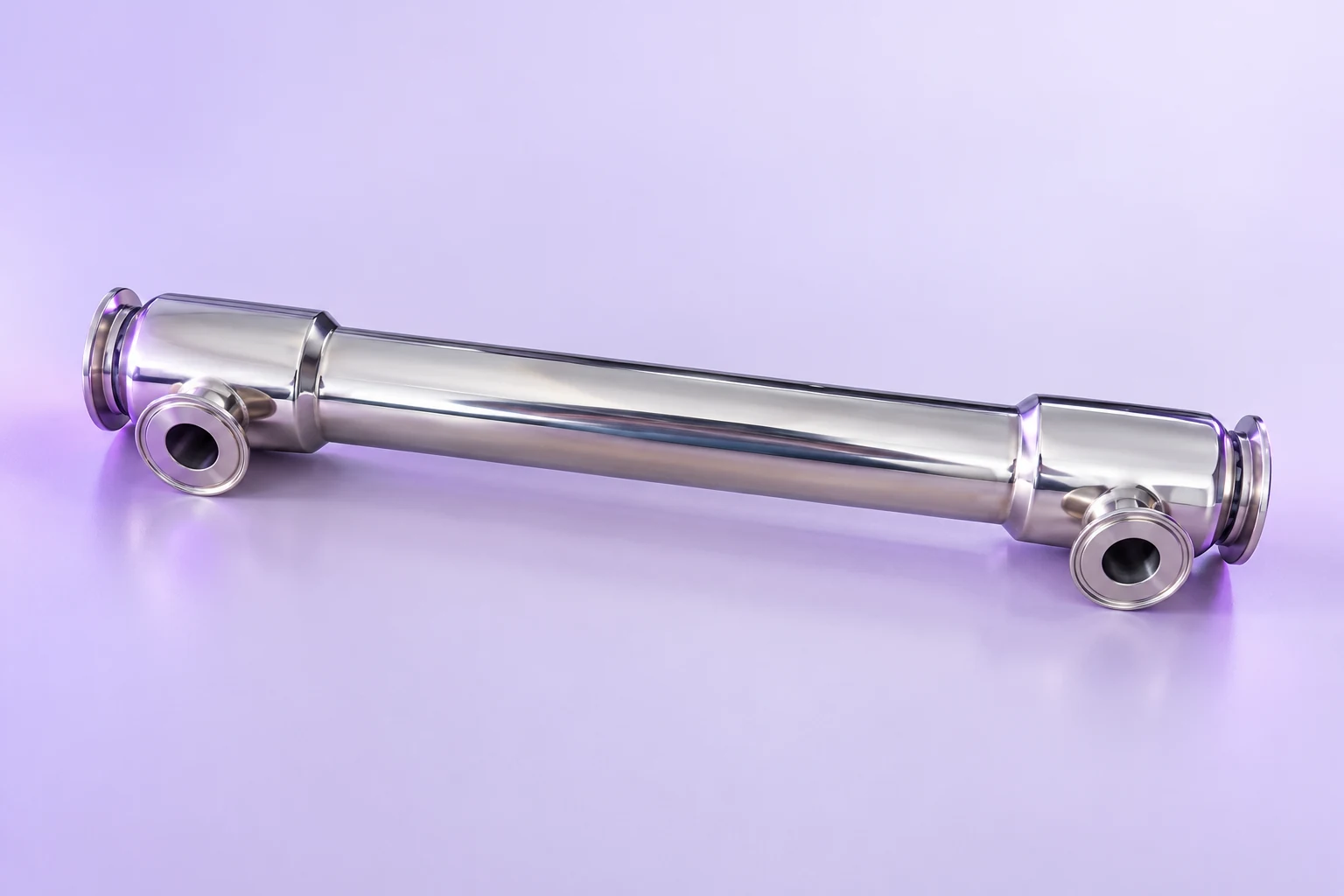
Specify a double tubesheet heat exchanger with clear leak paths, pressure-state checks, inspection access, integrity tests, and contamination-response procedures.