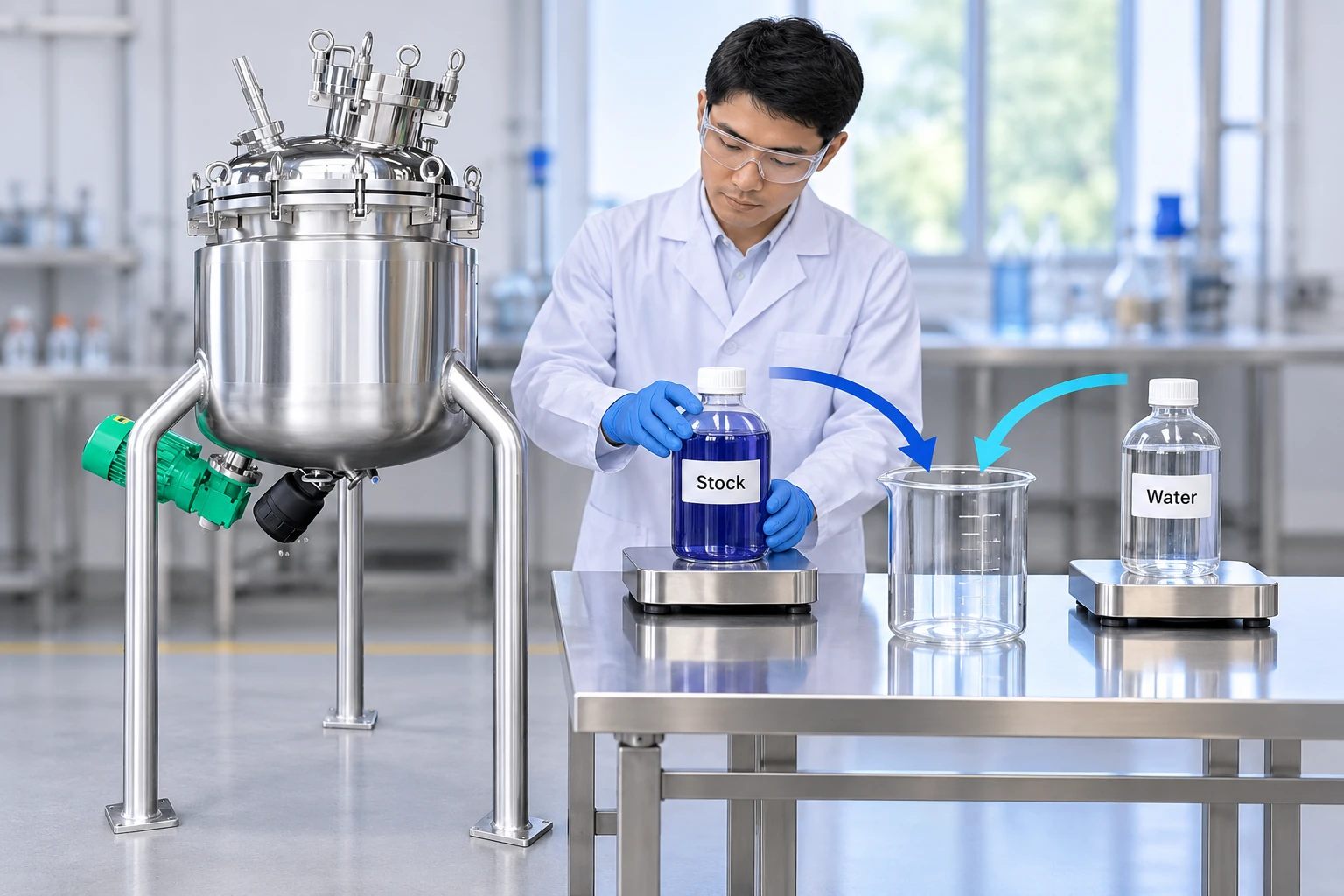
Chemical Dosing Tank Dilution Calculation: Mass Balance and Batch Verification
Calculate chemical stock dilution using mass fraction, density, final batch quantity and residual heel. Verify the prepared concentration before dosing.


Calculate chemical stock dilution using mass fraction, density, final batch quantity and residual heel. Verify the prepared concentration before dosing.
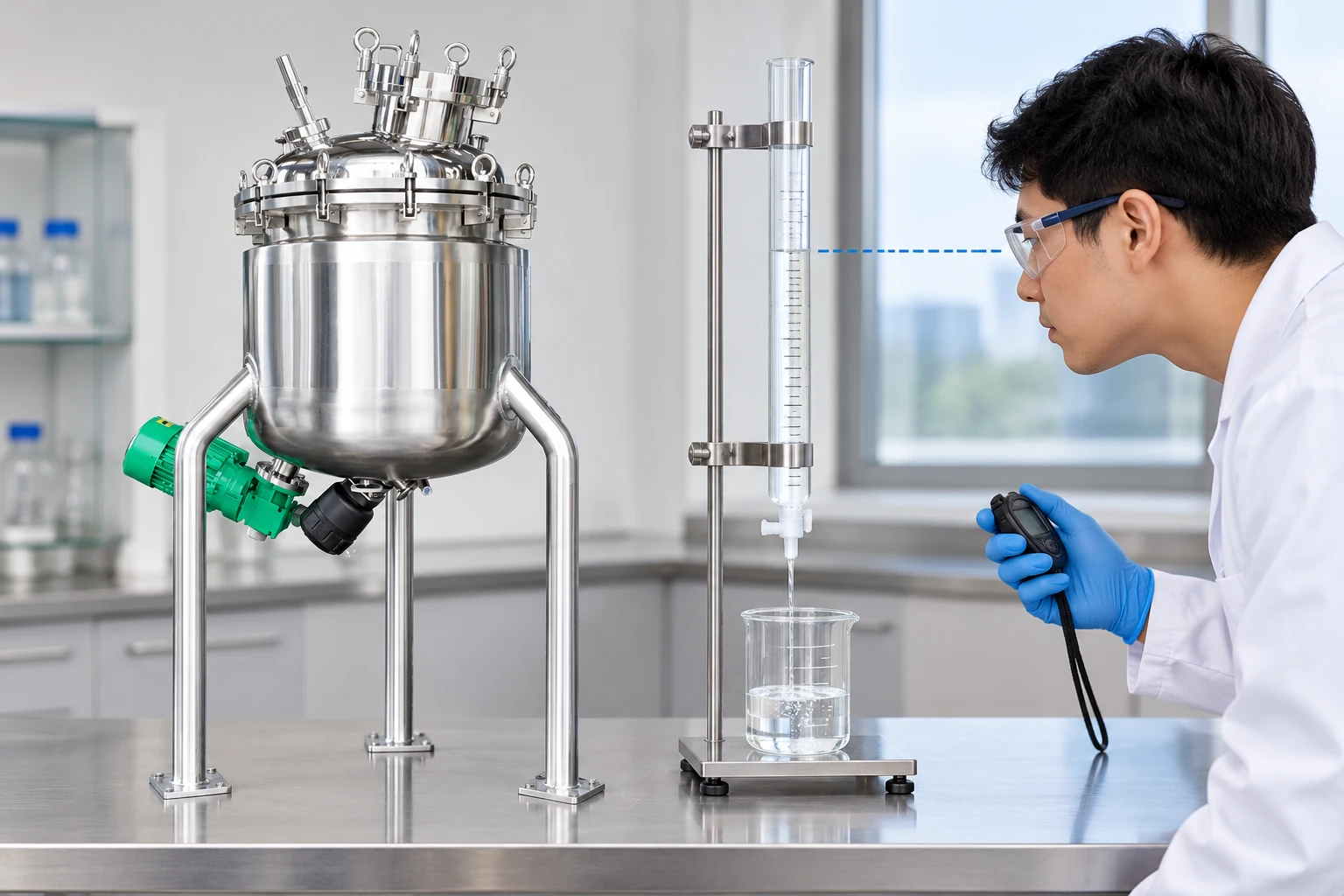
Verify chemical dosing flow with a tank drawdown test. Check volume, timing, pressure, stock concentration, repeatability and delivered active dose.
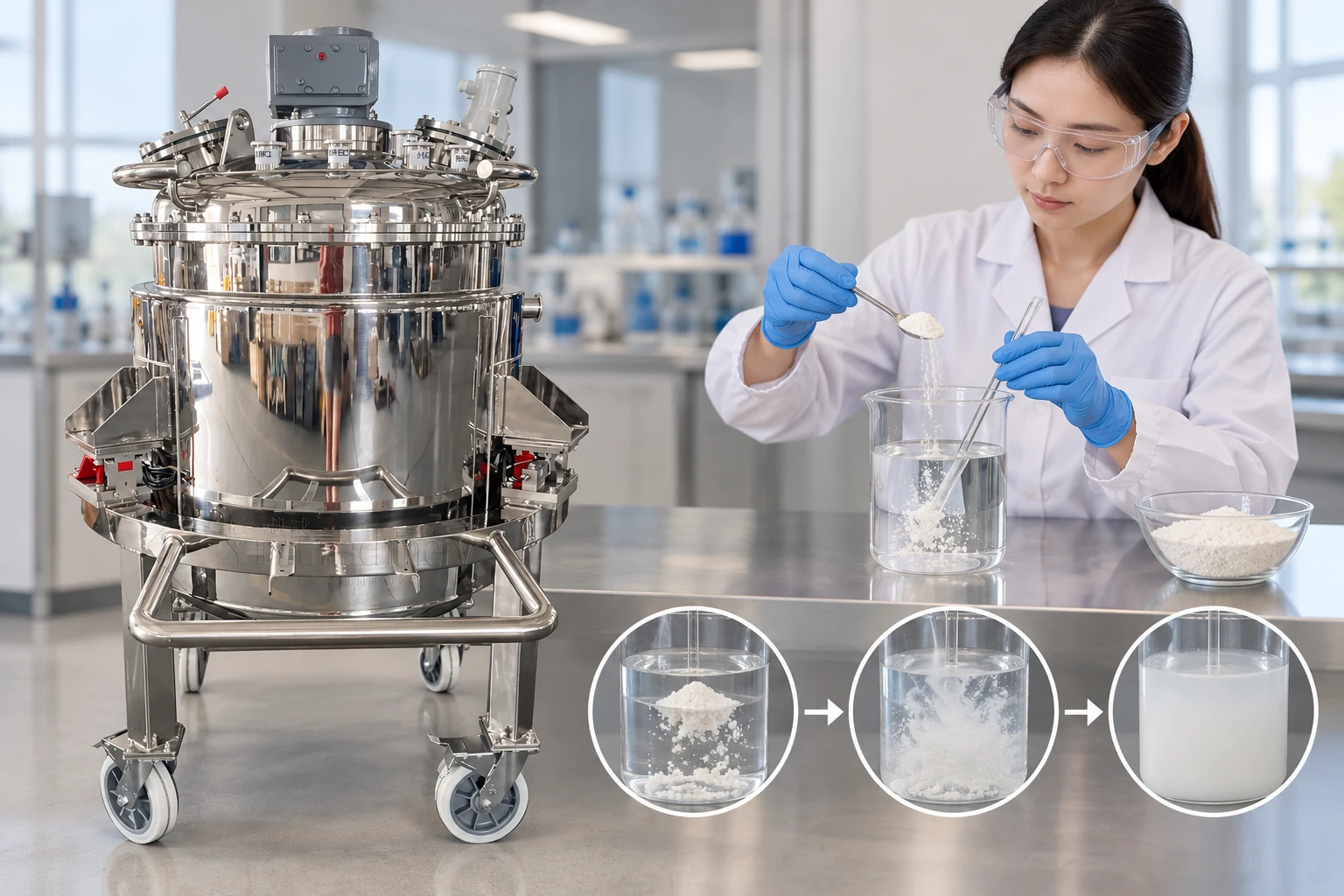
Set powder addition order using wetting, solubility, hydration, compatibility and controlled recipe trials. Define hold points and batch checks.
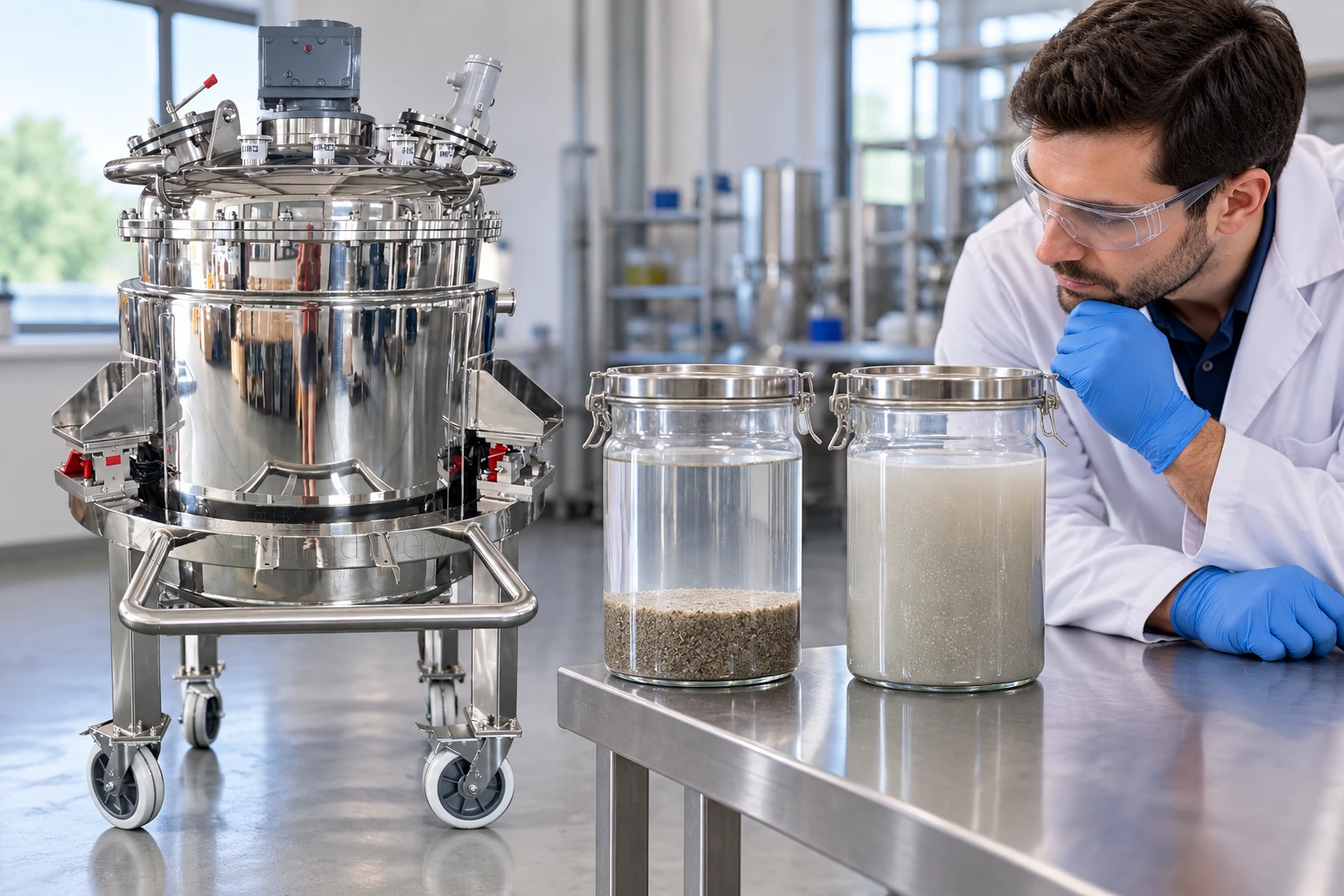
Assess settled slurry before restarting a mixing tank. Review drive load, recovery sequence, dilution, sampling and documented release conditions.
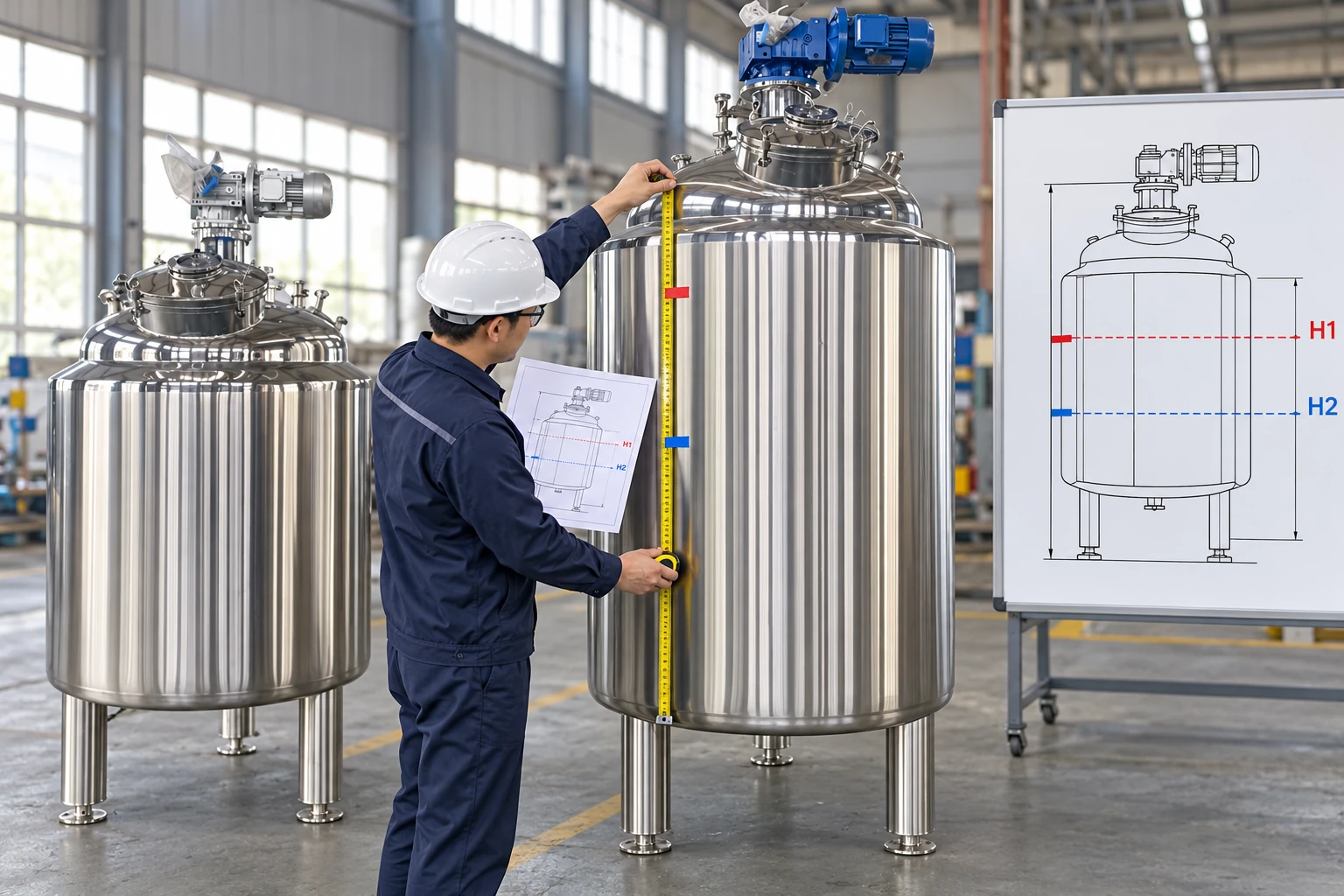
Define minimum mixing tank liquid level using impeller position, product behavior, heating limits, drawdown trials and verified operating conditions.
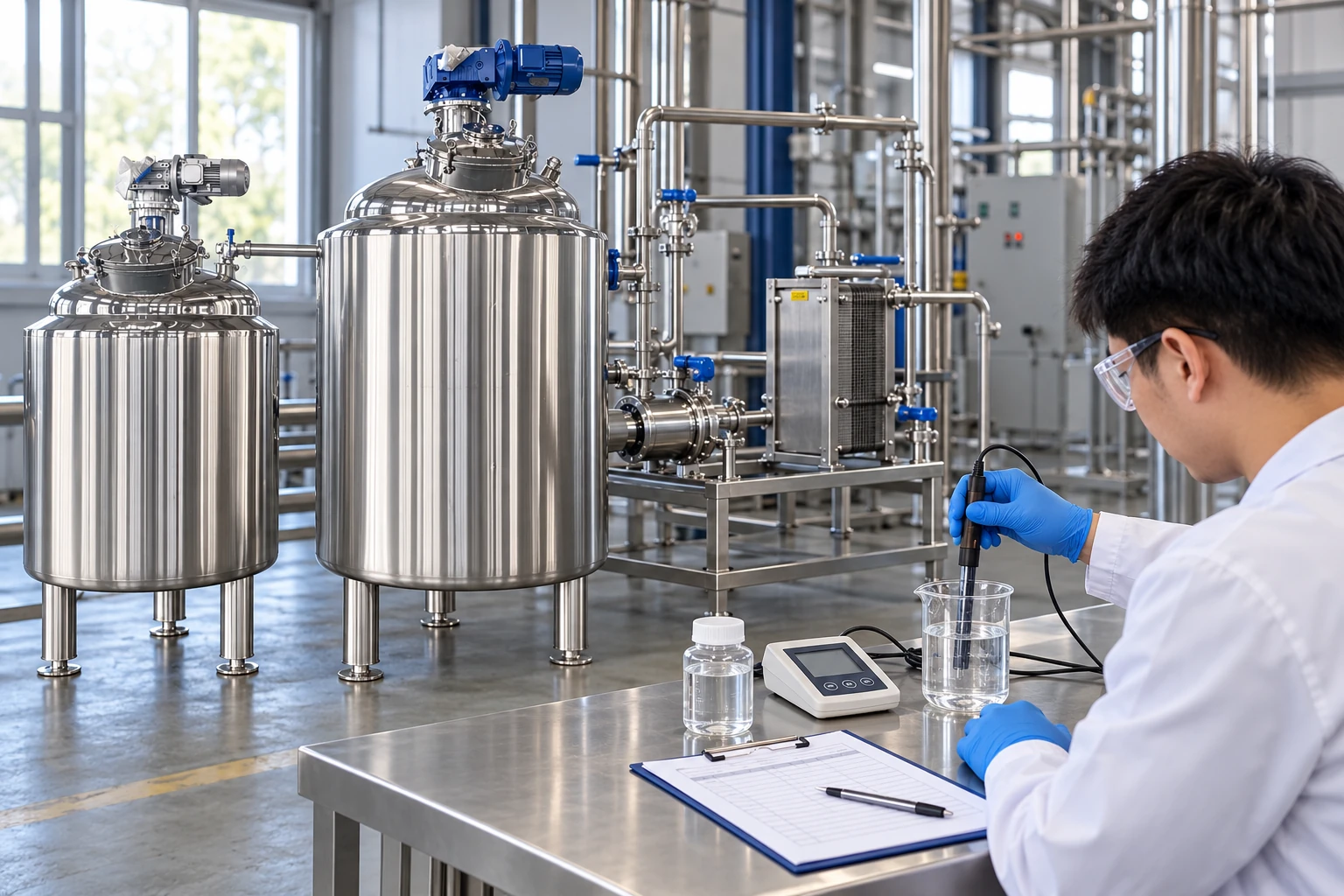
Check mixing tank tracer test data using matrix calibration, temperature control, sampling-delay checks, repeatability and clear measurement decision rules.
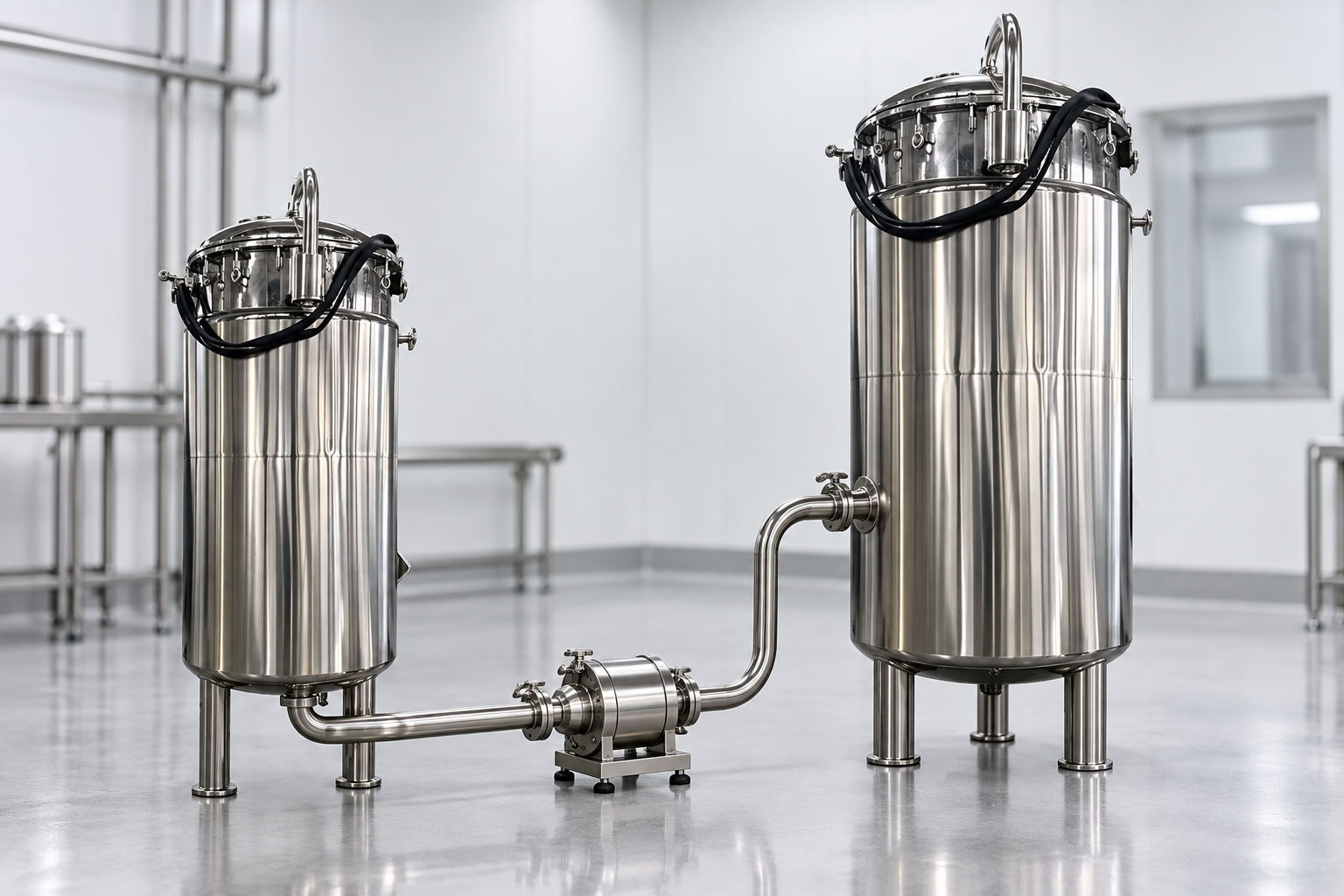
Size seed fermenter working volume from inoculum requirements, transfer recovery and production scheduling, then verify a closed transfer route.
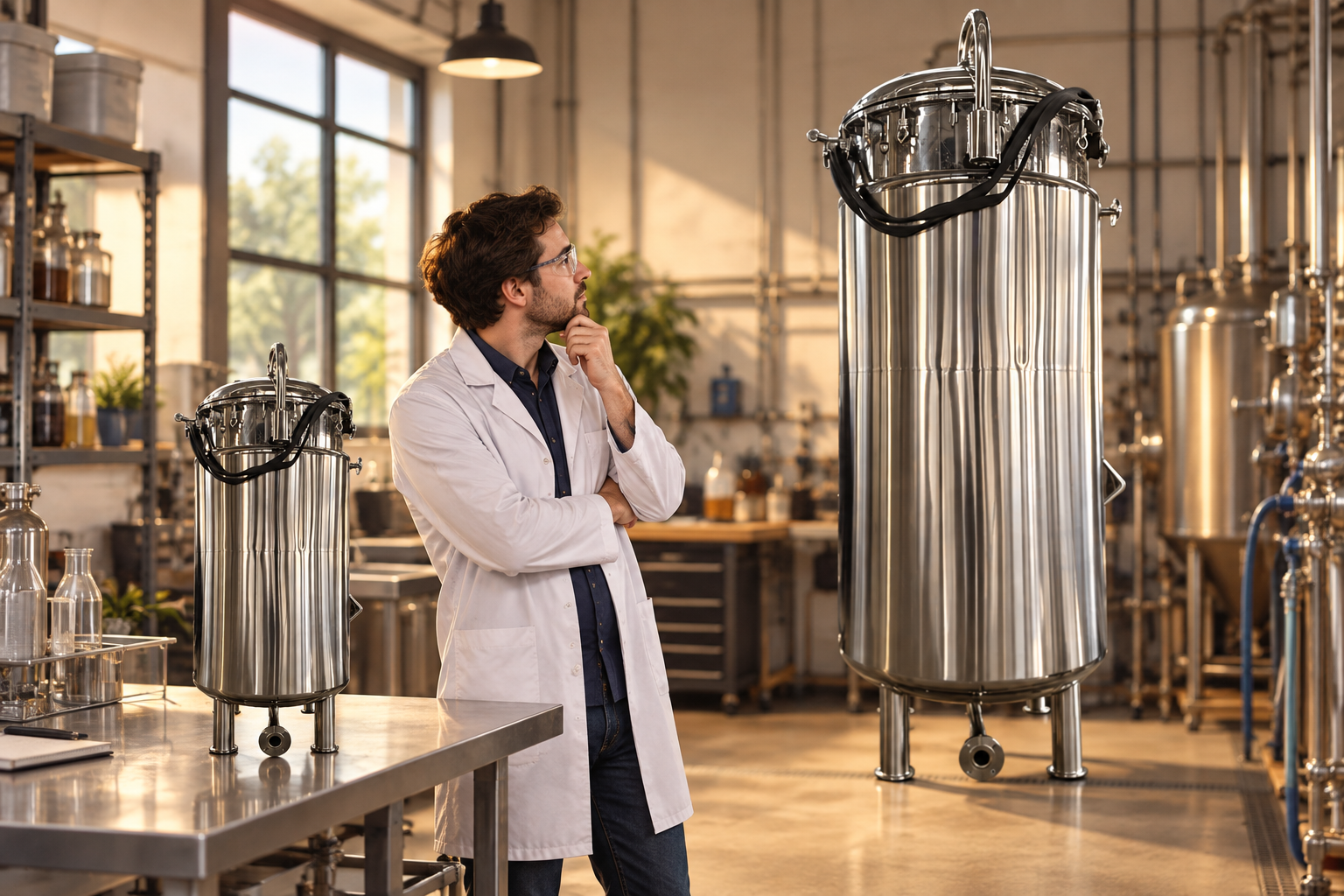
Compare fermenter scale-up criteria for mixing, oxygen transfer, shear and cooling, with a measured production-trial plan.
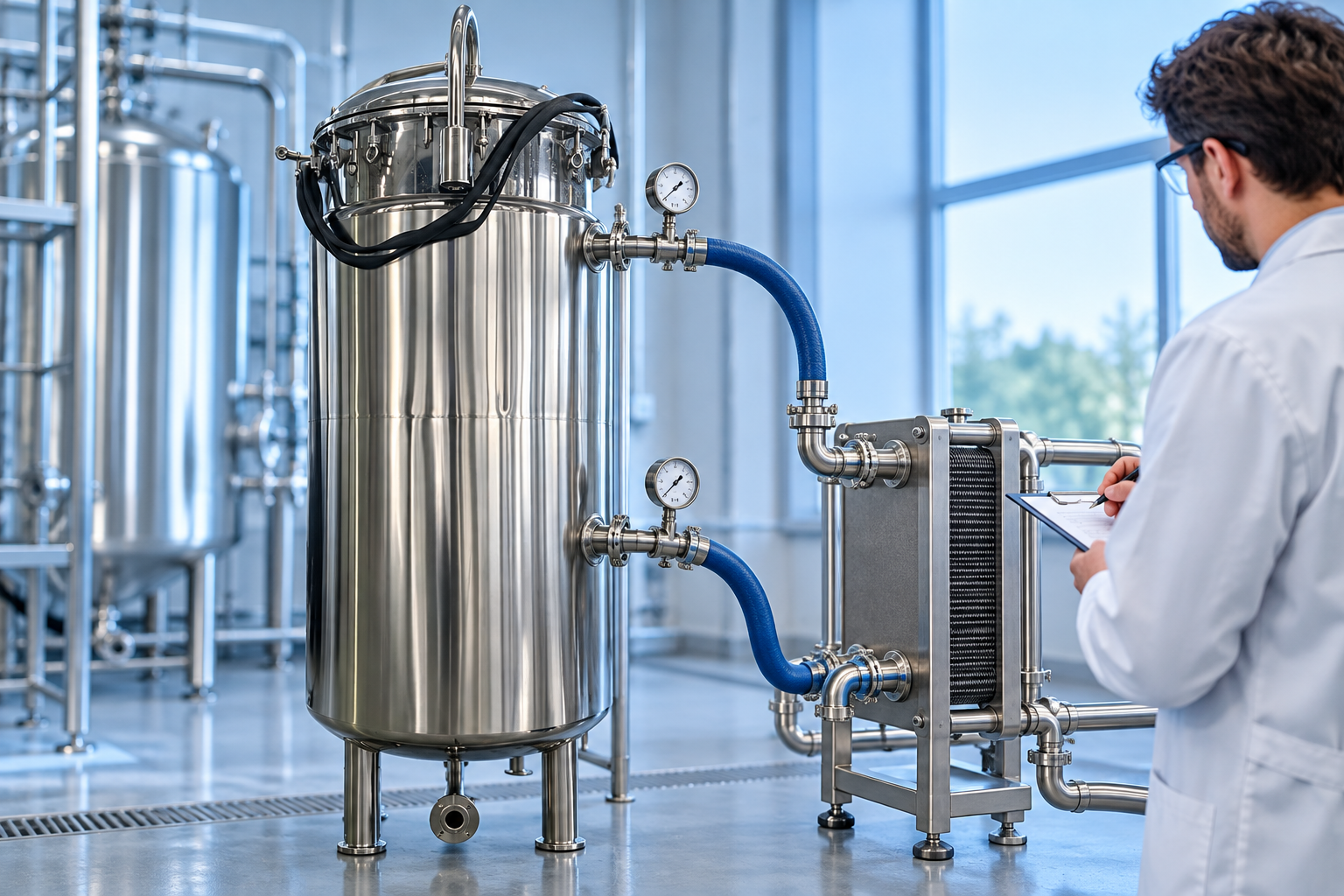
Calculate peak fermenter cooling duty from metabolism, agitation, feeds and temperature ramps, then verify water flow and heat-transfer area.