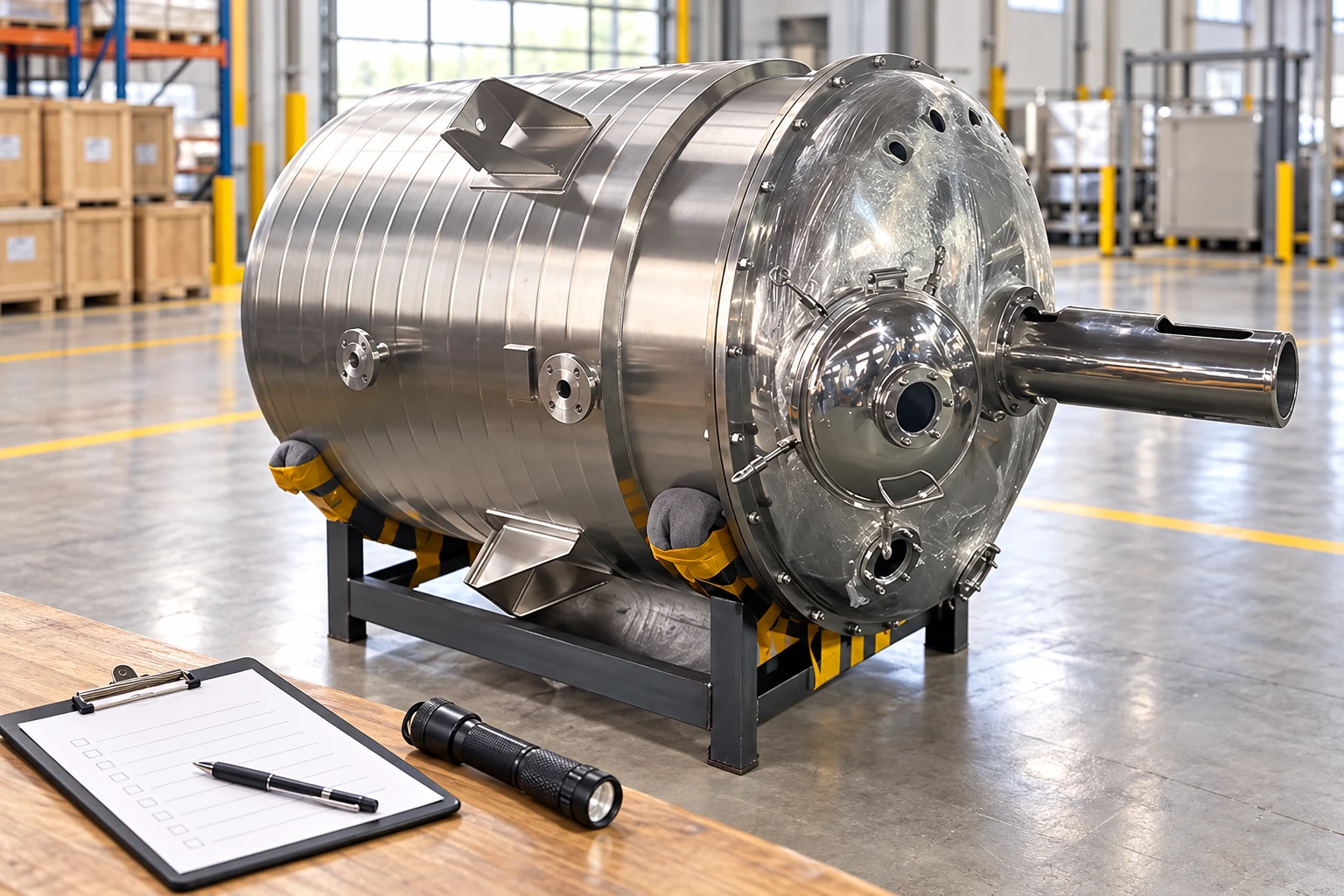
A heat exchanger FAT checklist should connect every inspection and test to an approved requirement before shipment. Confirm equipment identity, drawings, material records, dimensions, pressure boundaries, cleanliness, preservation, and document completeness; then record deviations and release conditions. A factory acceptance test cannot prove site performance unless the contract includes a representative thermal test. For a shell-and-tube exchanger, the shell circuit and tube circuit require separate attention because their pressures, fluids, and contamination consequences may differ. This guide helps purchasing and engineering teams prepare an evidence-based acceptance package without inventing a universal test pressure or claiming that an exterior photograph proves internal quality.
Define the FAT boundary before booking the visit
Start with the purchase order, approved datasheet, general arrangement, inspection and test plan, and agreed construction standard. These documents define what is supplied and what the purchaser is entitled to witness. Establish the revision of every document. A checklist completed against an obsolete drawing can look thorough while accepting the wrong nozzle orientation or connection size.
Describe whether the factory test covers a bare exchanger, an assembled skid, insulation, instruments, valves, or controls. A component certificate does not automatically cover the final assembly. Similarly, a skid test does not necessarily verify every pressure boundary if some items have been isolated or replaced with temporary fittings. Identify exclusions explicitly and assign them to another inspection or site activity.
The purchaser should agree notice periods, witness points, hold points, record format, and responsibility for resolving deviations. A witness point and a hold point are different contractual controls: the release process must follow the approved inspection plan. Do not treat an unattended test as accepted merely because a timestamped photograph exists. Ask which tests may proceed without a representative and what documentary evidence must replace direct witnessing.
Build a requirement-to-evidence checklist
The following table is a planning checklist rather than a construction code. Actual acceptance values come from the approved design, contract, and applicable requirements. The HSE pressure-testing guidance explains why written controls, segregation, and suitable test connections matter. The ASME certification overview describes certification of construction quality systems; it does not establish that a particular supplier or unit is certified.
| Checkpoint | Evidence to request | Acceptance question | Unresolved issue handling |
|---|---|---|---|
| Equipment identity | Serial number, tag, approved datasheet | Do records describe this exact unit and revision? | Correct traceability before release |
| Materials | Required certificates and component mapping | Can pressure-contact components be connected to specified materials? | Resolve missing or inconsistent records |
| Dimensions and nozzles | Approved arrangement and measured results | Are installation-critical dimensions within agreed tolerances? | Record deviation and obtain disposition |
| Pressure boundaries | Approved procedures and test records | Were the required circuits and connections covered? | Review exclusions and schedule missing work |
| Cleanliness | Agreed inspection method and cleaning record | Is each relevant surface ready for the specified service? | Reclean and reinspect using the same criterion |
| Instruments | Calibration records and device identification | Were readings produced by suitable identified instruments? | Assess affected test validity |
| Preservation | Drying, closure and packing records | Will accepted condition survive transport and storage? | Repair protection before shipment |
| Release documents | Signed report and deviation register | Are open items closed or formally accepted? | Withhold release where required by the contract |
Verify identity and material traceability
Read the equipment tag and serial number directly, then compare them with the datasheet and reports. For a unit with two pressure circuits, check that the data presented clearly identify each circuit. Avoid assuming that one pressure or temperature on a summary sheet applies to both sides. Any discrepancy should be resolved by the responsible design authority before testing or shipment.
Material review should follow the actual purchase specification. Record which components require certificates, positive material identification, or other verification, and how the records link to the unit. A generic certificate for stainless steel is not enough when it cannot be connected to the specified pressure-contact component. Conversely, do not impose a test that was never required without agreeing its scope and consequences.
For hygienic or corrosion-sensitive service, pay attention to the product-contact boundary, gasket specification, weld treatment, and cleaning compatibility. A material designation alone does not prove suitability for the process. Temperature, concentration, contaminants, mechanical stress, and cleaning chemistry all influence service selection. Use the separate tube-material selection guide when reviewing the operating environment; this FAT checklist focuses on evidence that the ordered unit matches its approved specification.
Inspect accessible construction and installation dimensions
Check nozzle orientation, connection type, accessible flange faces, supports, lifting features, overall envelope, and required maintenance clearance against the approved drawing. Measure features that affect installation rather than relying on photographs with no scale. Confirm that temporary shipping brackets are identified and that installation instructions explain what remains in place.
For a fixed-tubesheet shell-and-tube exchanger, an exterior view can support checks of accessible heads and supports. It cannot establish baffle spacing, tube attachment quality, or inaccessible weld condition. Request the specified inspection records and drawings for those features. Use the shell-and-tube maintenance overview for the basic arrangement, then keep this acceptance checklist tied to the purchased construction.
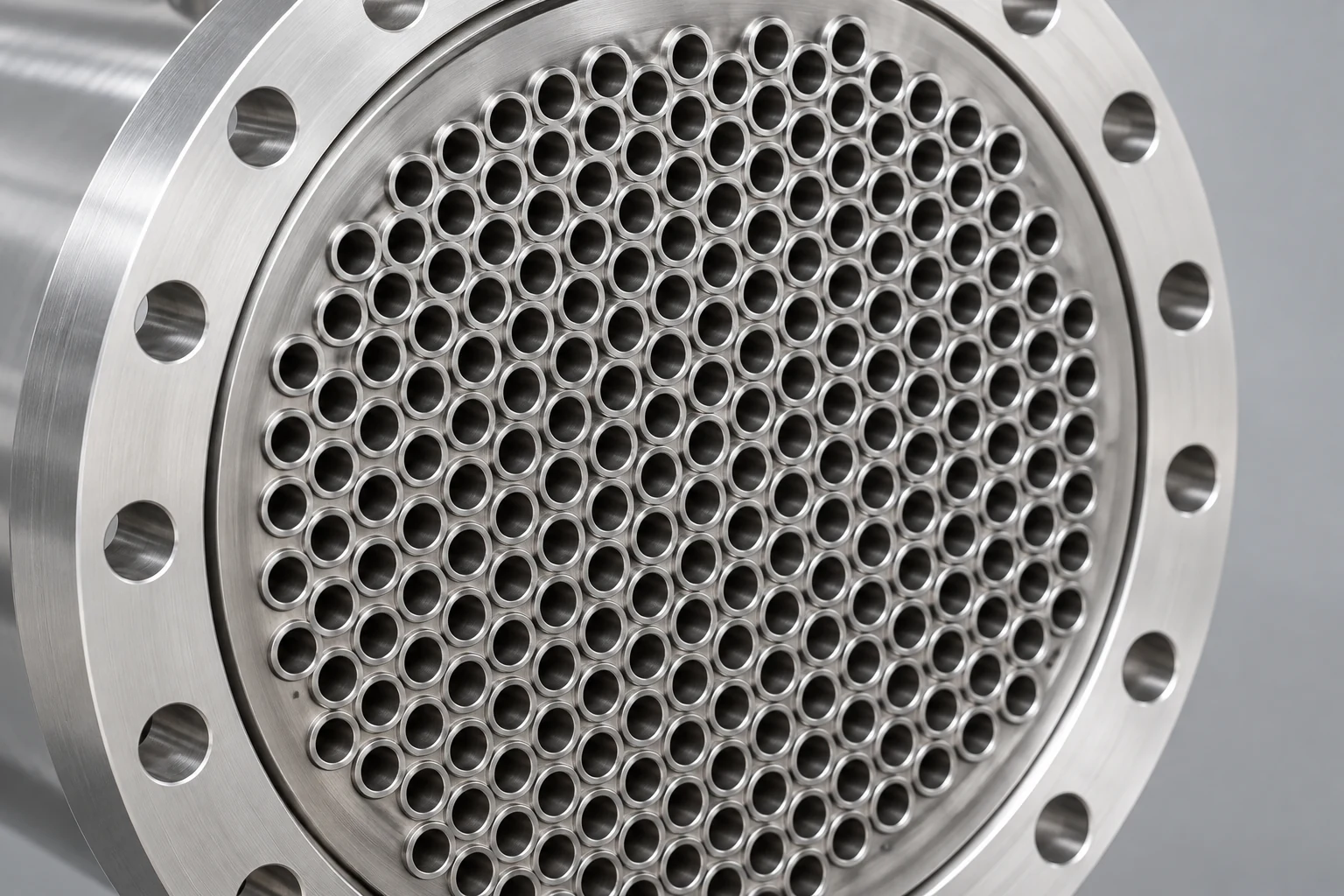
Record the method, equipment identification, measured result, acceptance basis, and inspector for every required dimensional check. If an apparent mismatch is found, distinguish a drawing error from a fabrication deviation. Both need resolution, but their corrective actions differ. Avoid changing a drawing after measurement simply to make a nonconforming unit appear compliant without an approved technical disposition.
Review pressure-test readiness without prescribing a shortcut
Pressure testing introduces stored energy and belongs under a competent, written safe system of work. The approved procedure should define the test boundaries, medium, temperature, pressure, duration, venting arrangements, instruments, temporary fittings, exclusion zone, and acceptance method. Review these details before witnessing the activity. This article is a purchasing checklist, not a procedure for conducting a pressure test.
Never select test pressure by copying a multiplier from another article or another exchanger. The applicable construction requirements, material behavior, design conditions, circuit combination, and test arrangement must be considered by the responsible engineer. The weakest temporary connection can be critical even when the exchanger itself is correctly designed. Confirm the rating and condition of test fittings and the method used to prevent trapped pressure.
Ask how the shell and tube boundaries are tested and how potential cross-circuit leakage is evaluated where required. A pressure-holding result from one circuit does not answer every question about the other circuit. Document whether the opposing side was open, pressurized, or otherwise configured, following the approved procedure. Missing configuration details can make a report difficult to interpret later.
Separate strength, leak tightness and thermal performance
These are different acceptance questions. A strength test addresses the specified pressure boundary under an approved test condition. A leakage inspection concerns unintended fluid escape under the defined method. A thermal-performance test addresses heat transfer under representative measured conditions. Passing one does not automatically establish the others.
If a factory thermal test is included, agree the fluids, flow measurements, temperatures, stabilized operating condition, measurement uncertainty, and acceptance calculation beforehand. A short run with convenient workshop water may be useful as a functional check but may not reproduce the viscosity, fouling allowance, phase behavior, or utility conditions of the intended duty. Label the test honestly and avoid converting it into an unsupported performance guarantee.
Installation and commissioning introduce additional variables, including piping strain, air removal, instrument setup, flow direction, and control behavior. Assign these to the heat exchanger commissioning checklist rather than duplicating its site-startup scope in the FAT record. This boundary keeps responsibilities clear and prevents a factory signature from concealing unfinished site work.
Check cleanliness, drying and preservation
Agree what cleanliness means for the actual service. Visual inspection, specified rinse assessment, particulate checks, or another approved method may be appropriate; the method and acceptance condition must be recorded. A shiny outer shell is not proof of clean internal passages. Likewise, a cleaning certificate with no equipment identity or procedure reference provides weak evidence.
Review the cleaning medium and its compatibility with specified materials and subsequent service. Confirm drainage, drying, and closure arrangements where required. If water remains in inaccessible areas, the purchaser needs an agreed preservation decision rather than an assumption that transport will dry the unit. Do not invent a universal allowable residue, chloride level, or drying time; these belong in the approved service specification.
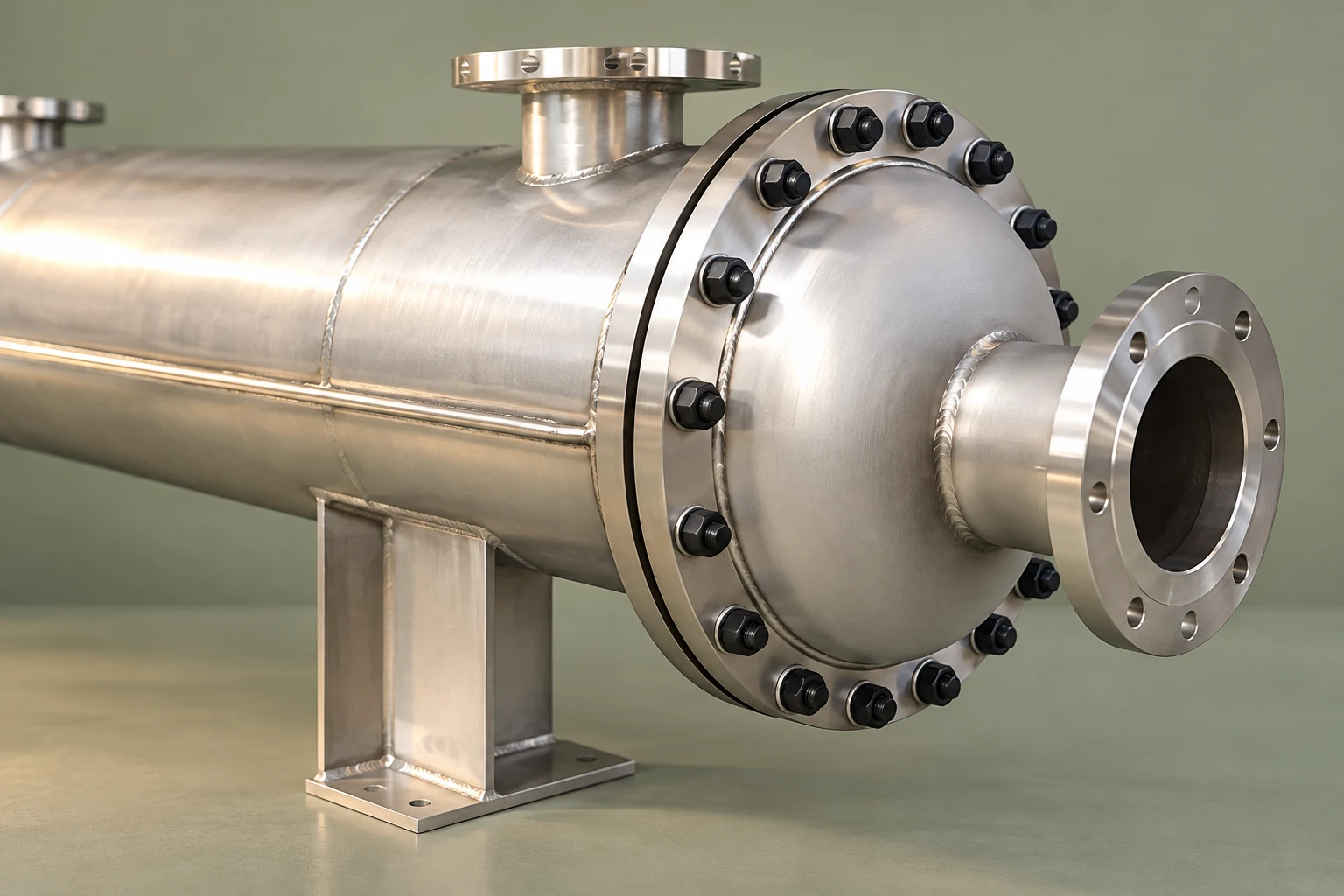
After inspection, protect flange faces and openings, identify removable closures, and ensure lifting and transport instructions match the delivered configuration. Packing should preserve the accepted condition. If the equipment is reopened after cleaning or testing, decide whether the inspection must be repeated. Capture that decision in the release record, especially when shipment is delayed or storage conditions change.
Use a deviation register and controlled release package
Write deviations as specific differences between an observed condition and an identified requirement. Include the affected component, evidence, proposed action, responsible person, target date, and disposition authority. Avoid vague entries such as “quality issue” or “documents pending” that do not explain their significance. A photograph may support an entry but cannot replace a written acceptance basis.
Distinguish corrections from accepted concessions. Replacing a damaged closure can be verified by reinspection. Accepting a different material or geometry requires an approved technical assessment and contractual disposition. Preserve the original observation and the subsequent decision; do not erase the first record after the issue is closed.
The release package should identify the exact unit, final approved revisions, completed tests, calibration references, material records, inspection findings, deviation closure, preservation, and shipping instructions. Give the receiving team enough information to confirm that delivery matches the accepted equipment. For double-tubesheet construction, also connect the records to the design features described in the double-tubesheet guide, without assuming that this construction eliminates every contamination risk.
Further learning: pressure-testing principles
The following neutral engineering explanation from Piping Mantra introduces hydrostatic and pneumatic testing. Use it to understand the distinction in test media and stored-energy hazards; the approved project procedure and competent personnel remain essential. It is not a demonstration of testing performed on YIYI equipment, and the generic example does not set this exchanger’s acceptance conditions.
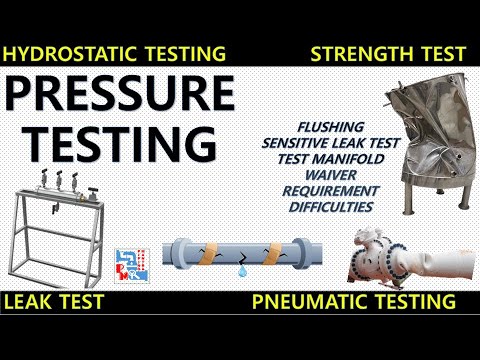
Watch Pressure Testing | Hydrostatic Test | Pneumatic Test | Piping Mantra by Piping Mantra
Prepare the enquiry and witness agenda
Send the supplier the process duty, fluid compatibility requirements, separate circuit design conditions, construction requirements, installation drawing, required documentation, and proposed witness scope. Ask for an inspection plan before arranging travel. Agree which checks can be reviewed remotely and which require direct witnessing. This lets the supplier prepare records and avoids discovering essential missing information on the inspection day.
Request a proposed release dossier index and clarify any exclusions in the quotation. A useful enquiry asks what evidence will be delivered for each requirement, not merely whether the unit will “pass FAT.” The resulting acceptance package should make the purchased condition understandable to engineering, procurement, shipping, and the site team.
Frequently asked questions
Does passing FAT prove the exchanger will meet site duty?
Only within the scope of the agreed tests. Mechanical and documentary acceptance do not automatically prove thermal performance under actual process conditions. Keep site commissioning and any contractual performance test separately defined.
Can one pressure-test report cover both circuits?
It may document multiple tests, but it must clearly identify each boundary, configuration, procedure, and result. A report that does not distinguish shell-side and tube-side conditions cannot establish complete coverage by its title alone.
Should the purchaser reject every open item?
Use the contract and approved inspection plan. Safety, conformity, or traceability issues may prevent release; a minor documentary item may have an agreed controlled disposition. Record the decision, authority, deadline, and any restriction instead of assuming all open items are equivalent.