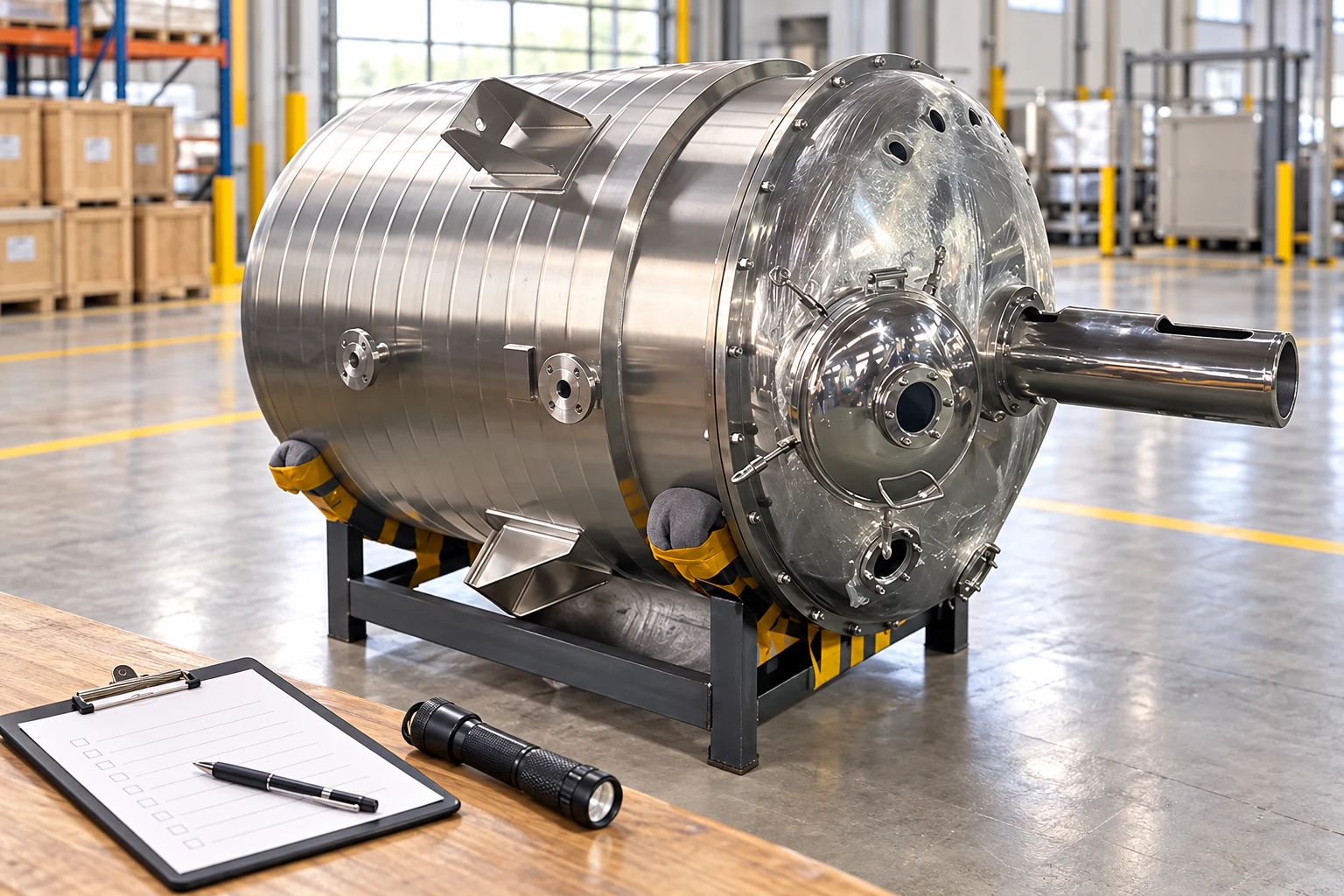
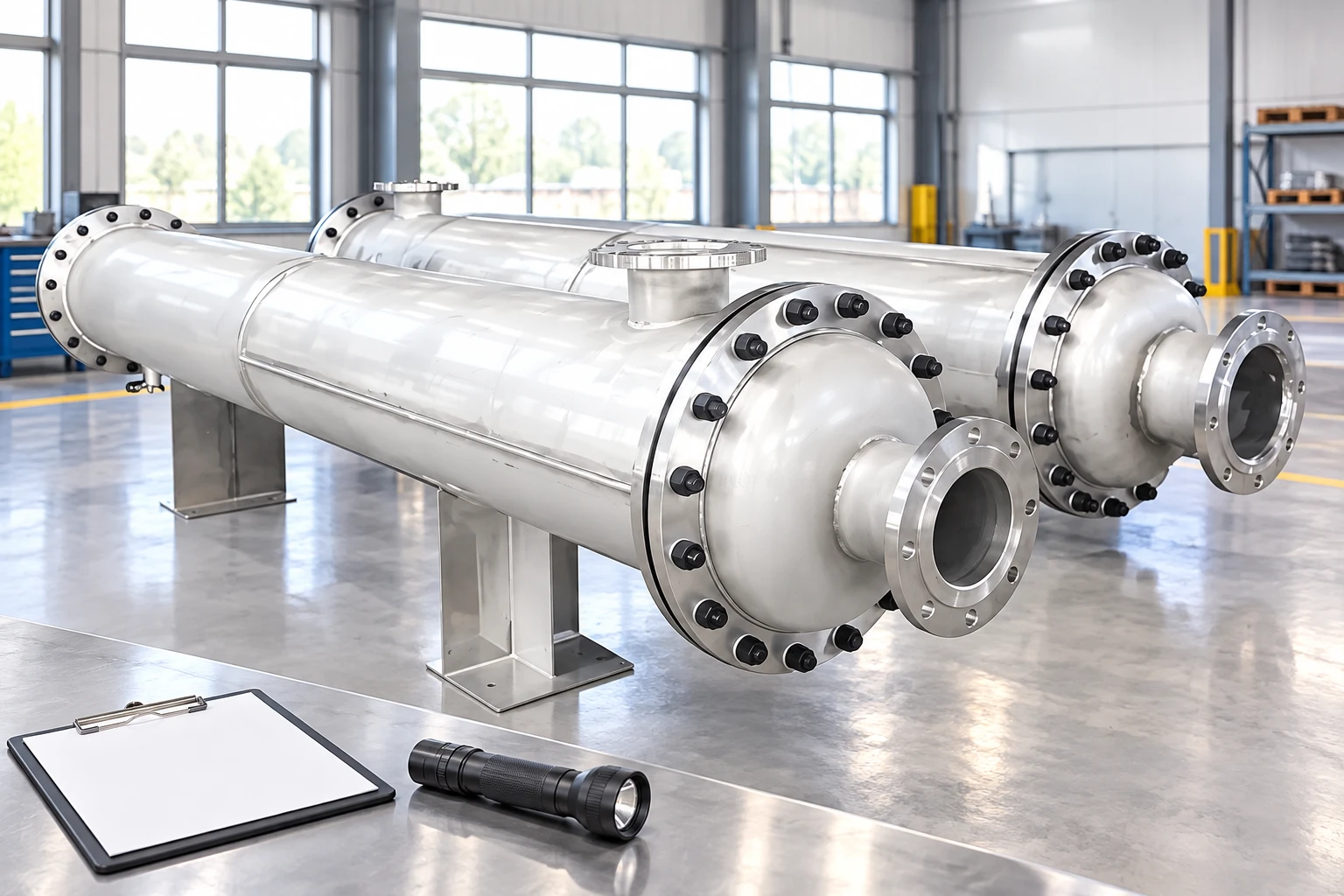
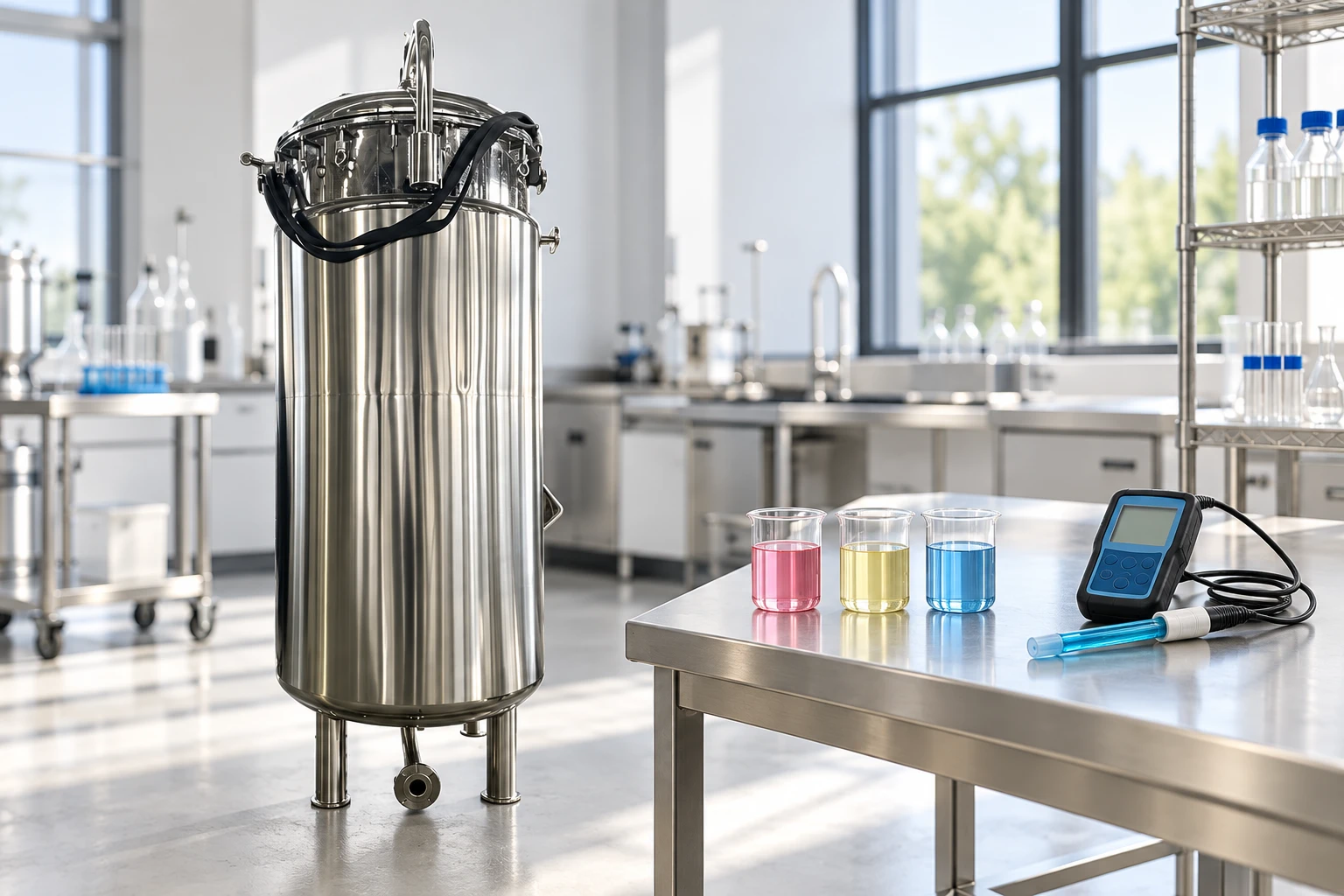
A smooth stainless surface is not a GMP conclusion. It is one defined attribute of a GMP reactor vessel request, alongside geometry, weld quality, drainability, seals, cleaning method, records, and the site’s qualification plan. Buyers get better proposals when they ask for measurable evidence instead of a broad promise that a reactor is ?GMP grade.?
The specification should describe the surface that contacts product, where it exists, how it will be assessed, and which records must be handed over. It should also state what the supplier is not being asked to decide: cleaning validation, process validation, and final quality-system approval remain with the regulated manufacturer. That separation is essential when a reactor will be evaluated in a specific process rather than displayed as a generic equipment class.
Part 1. Define the Product-Contact Surface Boundary
Start by marking the surfaces that can contact product, process residues, or cleaning solution under normal and foreseeable operating states. The boundary can include the shell, heads, agitator shaft, impeller, baffles, nozzles, valves, gaskets, instruments, sample points, and discharge path. A finish requirement without a boundary creates gaps: one bidder may include a nozzle bore while another interprets the same phrase as the main shell only.
FDA Q7 is useful context for equipment design, cleaning, maintenance, and documentation in API manufacturing. It does not select a universal roughness value. The buyer must connect the finish requirement to product behavior, residues, cleaning route, corrosion concerns, and internal quality assessment.
Product contact is also not the only concern. Non-product surfaces may affect insulation, external cleanability, or room compatibility, but should be specified separately. Mixing those requirements into one vague ?polished vessel? statement makes inspection and commercial comparison difficult.
| Surface question | Buyer should define | Evidence to request |
|---|---|---|
| Contact boundary | included components and wetted flow path | marked drawing or component list |
| Finish target | value, standard, or agreed comparison basis | inspection plan and report |
| Method | instrument and measurement approach | method statement and device status |
| Finish location | shell, head, weld, nozzle, valve, or all | measurement-point map |
| Exceptions | inaccessible or non-contact areas | written deviation list |
Part 2. Write a Measurable Finish Requirement
A useful finish requirement names the property, limit, applicable area, measurement method, sample locations, and treatment of nonconforming results. ?Mirror polish? or ?sanitary finish? may be helpful descriptive language, but it is not enough for acceptance unless the contract explains what will actually be measured and reviewed.
Do not assume every project needs electropolishing. It may be considered when the buyer’s material, corrosion, residue, and surface objectives justify it, but its scope should be explicit: which components, which internal areas, which post-treatment cleaning, and which records. A supplier should not infer an expensive process from an undefined phrase, and a buyer should not assume it is included because a brochure shows a bright finish.
EU GMP Annex 15 reinforces that qualification and validation are planned activities with defined responsibilities. Use a measurable finish specification as an input to that plan, not as a claim that the finished process has been validated.
Part 3. Review Welds, Geometry, and Drainability
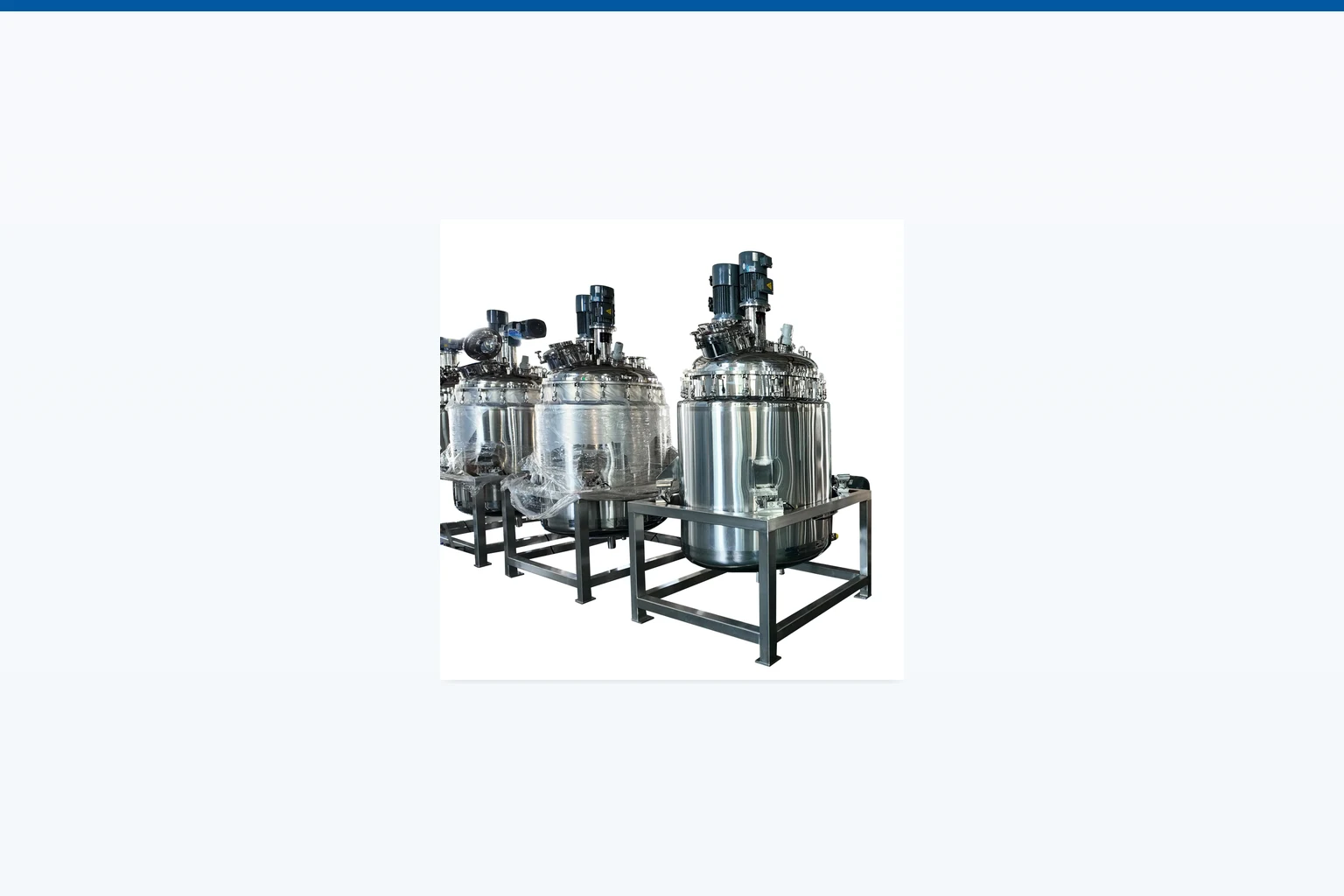
A low numerical roughness value on a flat coupon does not settle the cleanability of the assembled vessel. Review weld geometry, transitions, nozzle bores, impeller hubs, instrument connections, valve cavities, and low points. The goal is not to promise cleanability from a drawing; it is to identify areas that the site must assess against its own cleaning method and product residues.
Ask how weld areas are finished and inspected within the agreed scope. If weld maps, visual inspection, boroscope access, passivation records, or particular acceptance criteria are needed, list them in the documentation matrix. The correct level of detail depends on risk and contract scope, so an unqualified request for ?all welding documents? can be less useful than a focused, reviewable list.
Drainability needs equally concrete questions. Identify vessel slope, bottom outlet geometry, dead-end branches, spray-device arrangement, and the expected drain state after the defined operation. The supplier can describe the supplied configuration and agreed tests. The site decides whether that configuration supports its cleaning and validation strategy.
Part 4. Plan Inspection and Finish Evidence
Finish evidence should be planned before fabrication, not reconstructed after shipment. Agree the measuring instrument, calibration or verification status, surface preparation state, number of locations, weld treatment, and report format. Include a drawing or table that connects each result to a real place on the vessel.
| Inspection item | Supplier question | Buyer acceptance decision |
|---|---|---|
| Roughness result | What method, instrument, and locations will be used? | Does the record meet the stated criterion? |
| Weld treatment | Which welds are ground, blended, or otherwise treated? | Does it match the contact-surface scope? |
| Visual condition | What visual criteria and lighting/access method apply? | Are agreed defects or exceptions recorded? |
| Passivation or treatment | Is treatment required, and where? | Is the supplied record within contract scope? |
| Final turnover | Which documents carry final revision status? | Can quality review the evidence efficiently? |
Measurement alone does not interpret risk. The site should decide whether a measurement plan is representative for its product-contact boundary and whether any exception requires additional assessment. Supplier reports are evidence of the agreed inspection, not a universal assurance of hygienic performance.
FDA 21 CFR Part 211 highlights the importance of written procedures and records in regulated production. In procurement, use that principle to define who records, reviews, approves, and archives each finish-related document.
Part 5. Keep Validation Responsibilities in the Right Place
Supplier evidence can support qualification. It can include final drawings, material details, finish reports, test records, manuals, and assistance under an agreed FAT or SAT. Those inputs may be reviewed during installation qualification and operational qualification, but they do not replace the site’s approved protocols or conclusions.
Cleaning validation is not demonstrated by smooth steel alone. It depends on the product, residues, cleaning agents, time, temperature, flow, coverage, procedures, sampling method, analytical method, and acceptance criteria. A vessel supplier can provide geometry and design evidence; the regulated site evaluates cleaning effectiveness under its own validated conditions.
The same rule applies to process validation. A reactor may be built exactly to specification, yet its suitability for a formulation, batch sequence, and control strategy must be established by the user. Avoid requesting or accepting language that converts equipment attributes into a blanket GMP or validation promise.
Part 6. Control Documents, Deviations, and Changes
Use a turnover index to keep surface-finish evidence reviewable. The index should identify each document, its required revision, applicable equipment tag, reviewer, due date, and final status. Make clear whether documents must be in a particular language, PDF format, or editable drawing format.
Before manufacture, agree what counts as a deviation. A changed material source, altered nozzle, omitted measurement point, revised gasket, or unfinished weld area can affect the agreed product-contact boundary. The supplier should flag the change against the approved document; the buyer’s change-control system decides whether it can be accepted.
Set review gates at drawing approval, pre-FAT, FAT closeout, shipment, and site completion. Early reviews are particularly important for finish and geometry questions because many remedies are easier before final assembly or dispatch.
Part 7. Ask Suppliers Comparable Reactor Questions
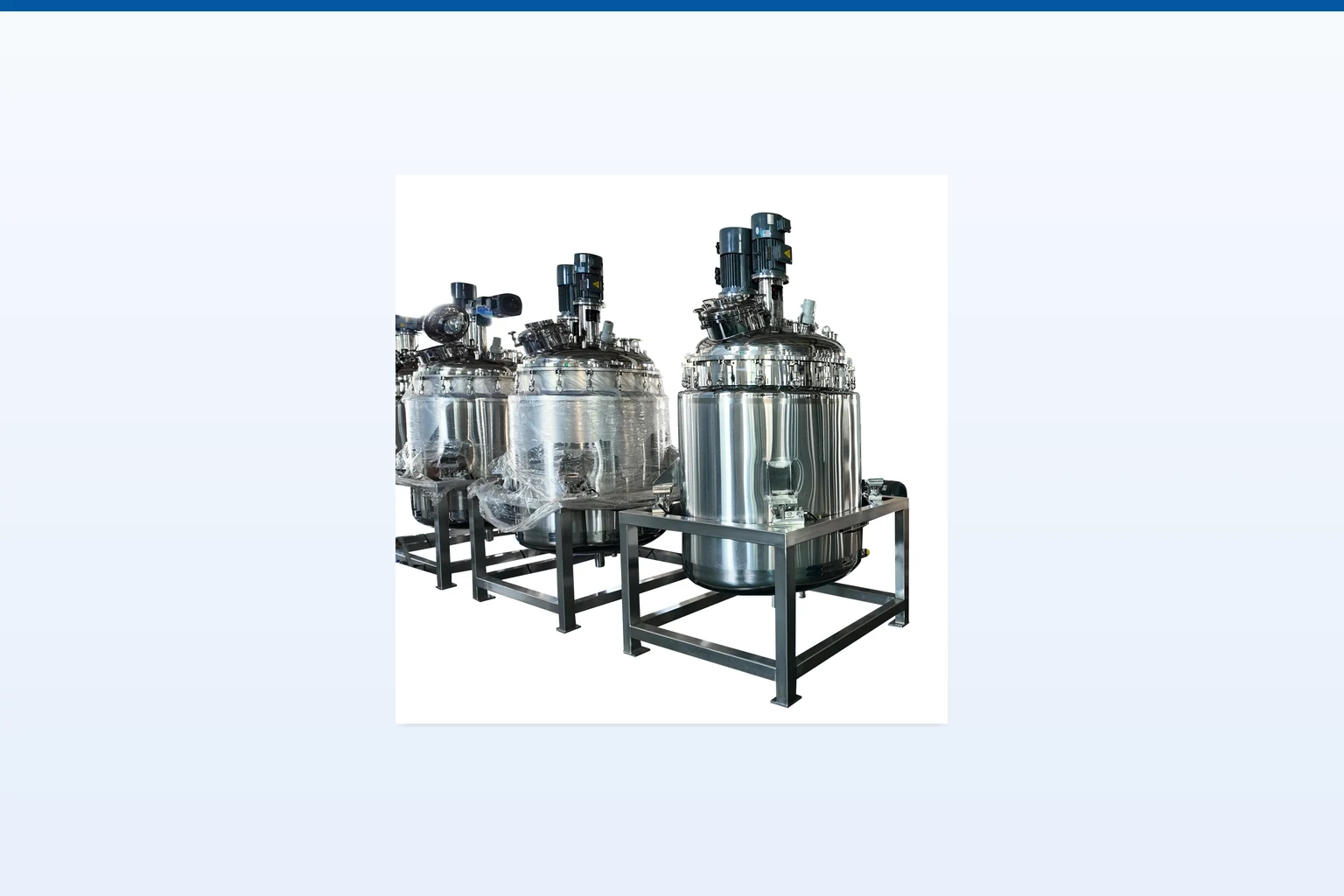
The YIYI reactor category offers equipment-family context, while the 3500L reactor configuration context and chemical reactor configuration page provide published examples of reactor classes. They do not confirm a specific surface specification, GMP compliance, or validation result.
Give every bidder one controlled question set: identify product-contact components; state material and finish scope; propose inspection method and locations; describe weld treatment, drainability, seals, and cleaning interfaces; list records; define FAT/SAT support; and state all exclusions. Compare the answers line by line, not from a general sanitary-equipment claim.
A reactor should not be recommended from finish information alone. Confirm process duty, pressure and temperature, agitation, control interfaces, cleaning route, installation constraints, and document obligations before selection. When those inputs are ready, share the reactor surface specification for a configuration discussion based on defined requirements.
FAQs
What does GMP reactor vessel mean?
It is commonly used to describe a reactor being considered for a regulated application. It should not be treated as a standalone compliance certificate; suitability depends on the specified equipment, documents, installation, operation, cleaning, qualification, and site quality system.
What surface-finish details should be specified?
Define the product-contact boundary, finish criterion, measurement method, locations, treatment of welds and exceptions, reporting format, and who approves deviations. Link each item to the process and cleaning risk.
Is electropolishing always necessary?
No. Its need and scope depend on the buyer’s material, corrosion, residue, and surface objectives. If requested, specify exactly which surfaces and records are included rather than assuming it applies everywhere.
How should finish measurements be documented?
Ask for the measurement method, instrument identification and status, locations on a drawing or map, individual results, acceptance criterion, date, and any exceptions. The buyer then reviews whether the plan is representative.
Do smooth surfaces prove cleaning validation?
No. Surface evidence can support a cleaning assessment, but cleaning validation depends on the actual product, residues, procedure, utilities, analytical method, sampling, and approved site execution.
What weld questions should a buyer ask?
Ask which product-contact welds are included, how they are finished and inspected, whether a weld map is supplied, what acceptance criteria apply, and how deviations or inaccessible areas are documented.
What should the supplier provide for qualification?
Agree a scoped package of drawings, material and finish records, tests, manuals, FAT/SAT records, and technical support. The regulated site retains responsibility for protocols, execution, acceptance, and validation conclusions.