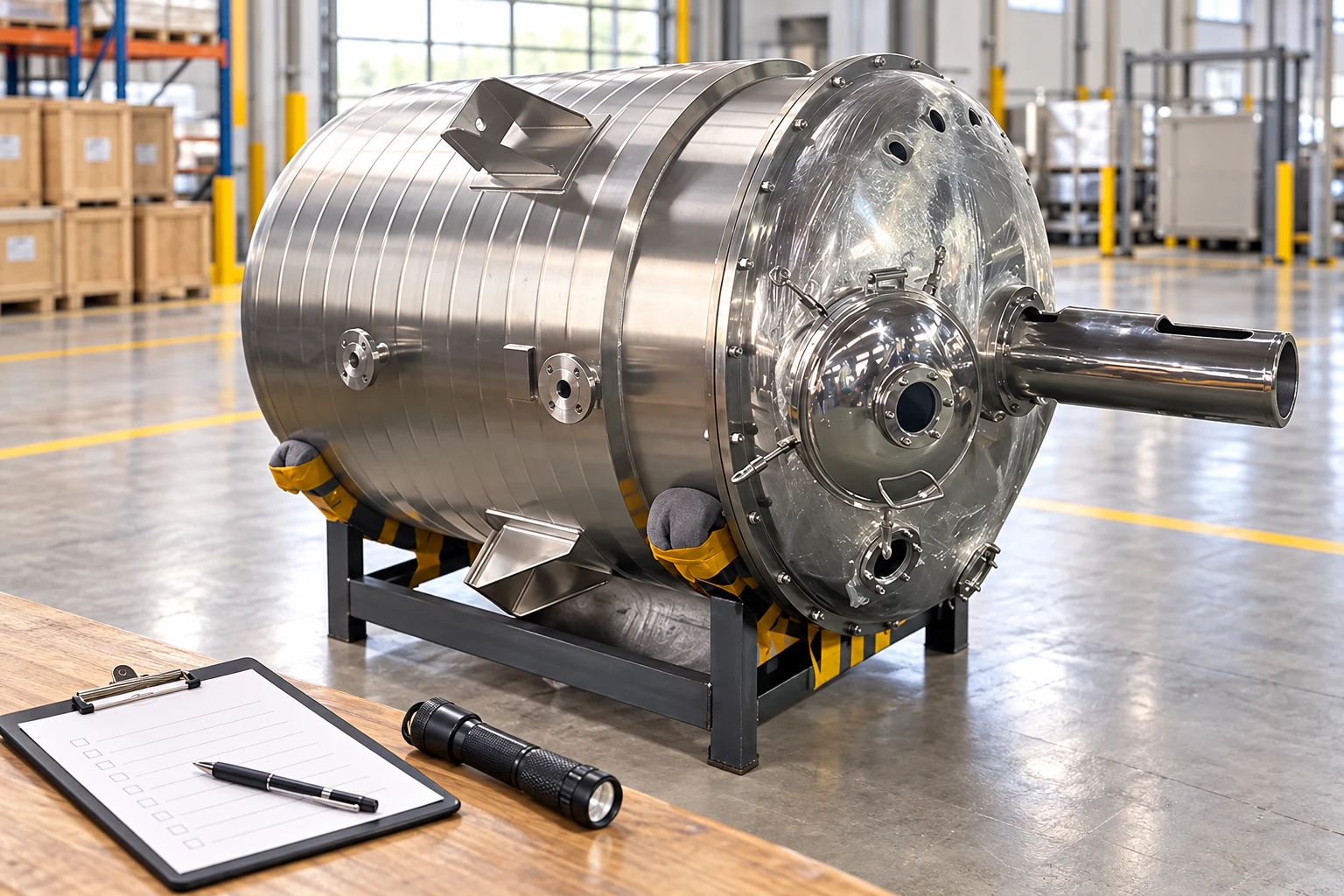
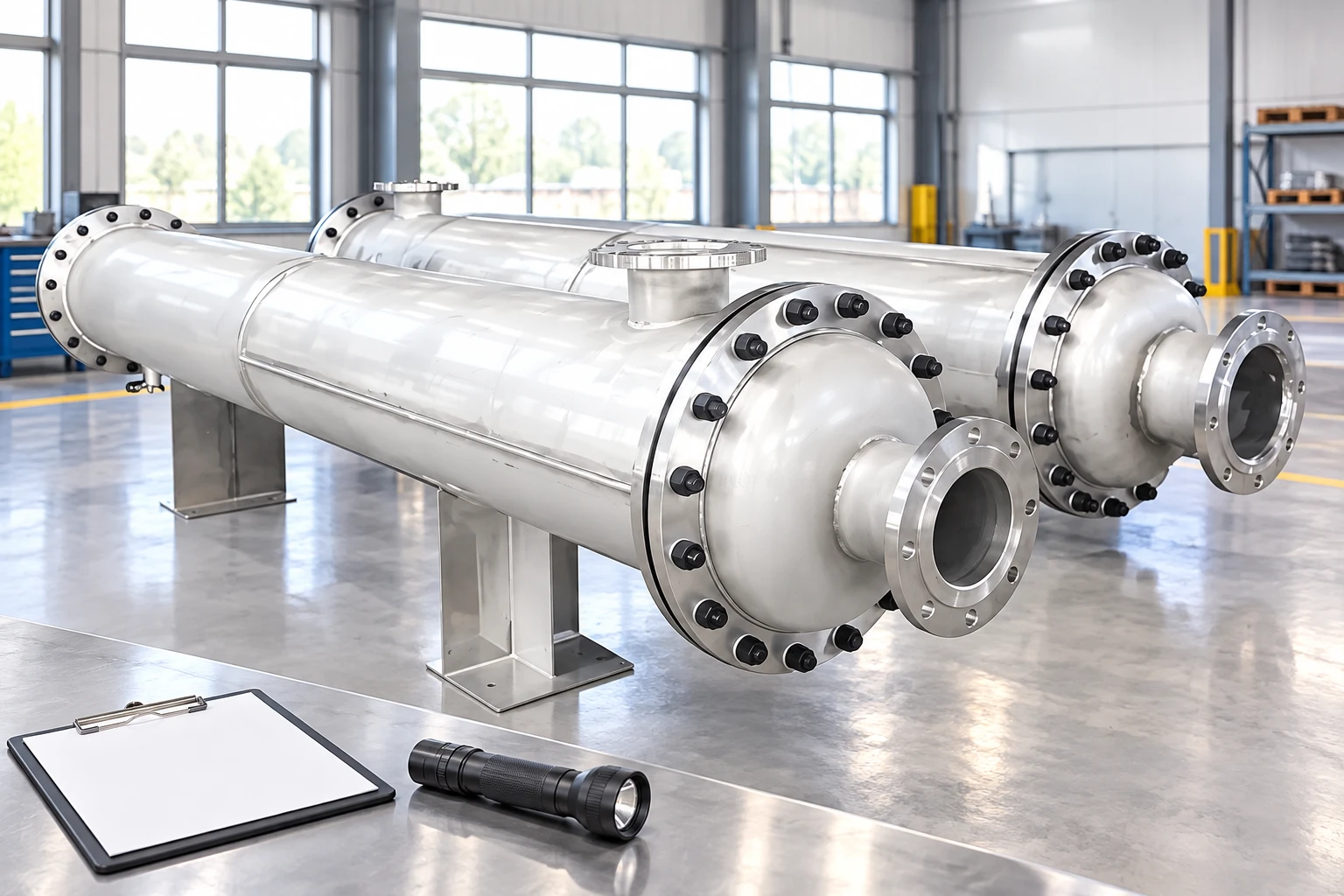
A wastewater storage tank buys a plant time. Production rarely generates effluent at the same rate a treatment step or disposal contractor can accept it, so a holding vessel absorbs the difference, smooths peak events, and keeps upsets from reaching the drain untreated.
Wastewater is not one liquid. Rinse water, process effluent, cleaning discharge, and recovered streams differ in solids, chemistry, temperature, and odor, and each difference changes the vessel. The RFQ should therefore start from an effluent description, not from a capacity guess.
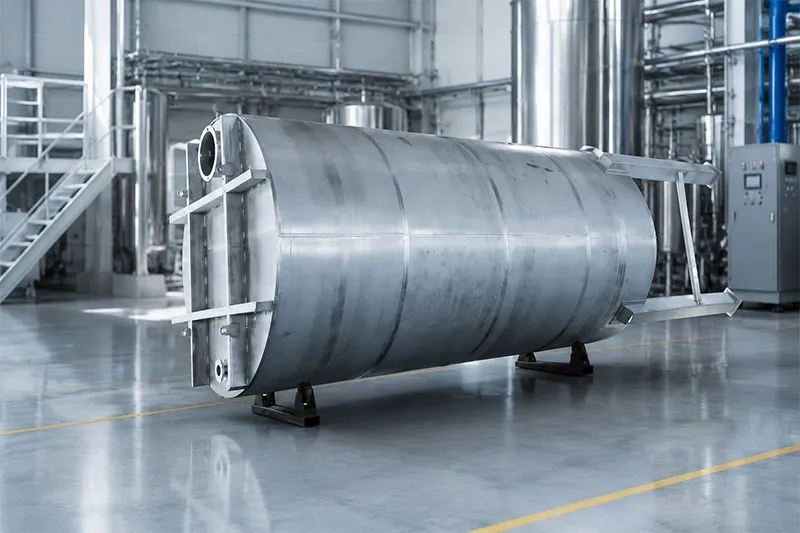
Part 1. Define the Wastewater and Its Role
Describe the effluent first. General background such as Wikipedia: Wastewater shows how broad the term is; your RFQ needs the specific analysis: pH range, solids, oils, temperature, cleaning chemicals, and any hazardous components, plus how much these vary between batches.
State the tank’s role in one sentence. Temporary holding before pickup, buffering before an on-site treatment step, equalizing flow and load, or emergency containment during upsets are different duties with different consequences for volume, mixing, and materials.
Include the variability story. A tank that sees one steady stream is easier to specify than one collecting several intermittent discharges, so list the sources that drain to the vessel and which of them can occur at the same time.
| Service question | What to record | Why it matters |
|---|---|---|
| Effluent analysis | pH, solids, oils, chemistry, temperature | Drives material and mixing choices |
| Sources | which lines drain to the tank | Defines worst-case combinations |
| Role | holding, buffer, equalization, emergency | Sets volume logic and controls |
| Downstream | treatment step, sewer, or pickup | Fixes the discharge interface |
| Variability | batch swings and seasonal changes | Sizes margins honestly |
Part 2. Establish Holding Volume from the Flow Pattern
Volume follows the flow pattern. Record the average generation rate, the peak event (largest cleaning discharge or batch dump), the acceptable discharge rate downstream, and the time window the tank must bridge, including weekends or pickup intervals where relevant.
Work through one worst-case day on paper. When inflow exceeds outflow, level rises by the difference multiplied by time; the exercise exposes whether the requested volume covers the real peak or only the average. Note the assumptions next to the number.
Equalization duties need extra care. Smoothing flow and concentration ahead of treatment is a process-design task described in references such as Wikipedia: Industrial wastewater treatment; the vessel RFQ should state the role and leave the hydraulic sizing with the treatment engineer.
Part 3. Handle Solids, Settling, and Mixing
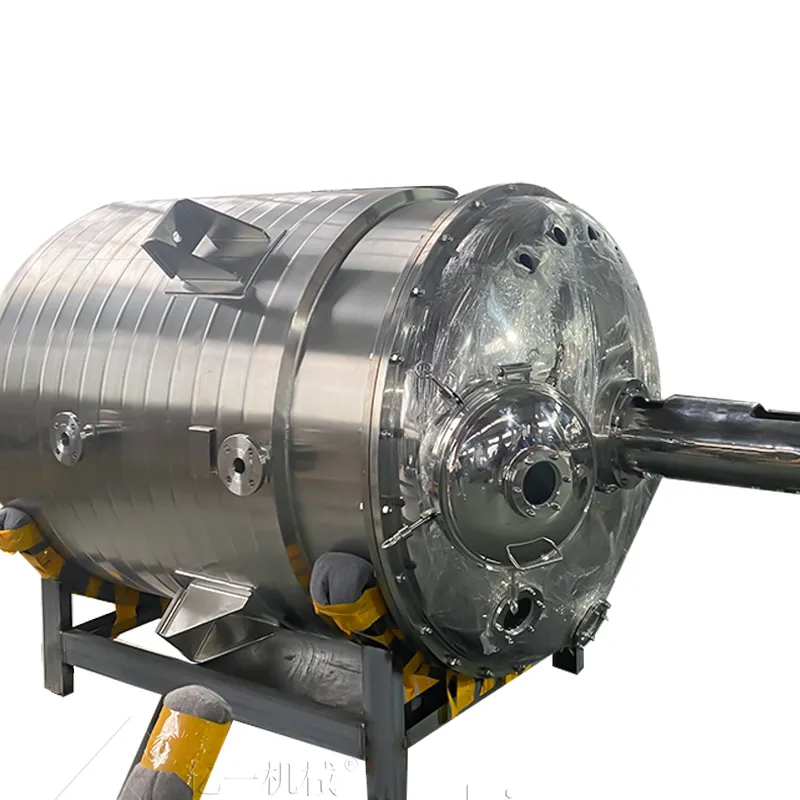
Solids change everything. Settleable material accumulates as sludge, floating material forms scum layers, and both affect usable volume, cleaning frequency, and instrument reliability. State the solids content and whether the stream settles quickly in a bucket test.
Decide the mixing question explicitly. Some holding duties want quiescent settling so solids can be drained separately; equalization duties usually want the contents kept uniform. If agitation is expected, describe the goal so the supplier can propose a suitable arrangement.
Bottom geometry supports the strategy. Sloped or conical bottoms with generously sized drain connections make sludge removal practical, while flat bottoms may be acceptable for low-solids streams. Cleaning access openings belong in the same discussion.
Part 4. Select Materials and Manage Odor
Material selection follows the analysis. Stainless grades handle many industrial effluents, but chlorides, low pH, sulfides, and temperature extremes need a stated review; ask each bidder for the proposed grade and its basis against your data, including welds and gaskets.
Corrosion often concentrates in the vapor space. Condensing vapors above the liquid line can be more aggressive than the liquid itself, which affects roof, nozzle, and instrument materials. Mention whether the tank is closed, vented indoors, or vented outdoors.
Odor is an operational and neighborhood issue. Closed tanks with routed vents, longer turnover, and septicity management reduce complaints; treatment references such as Wikipedia: Sewage treatment explain why held wastewater turns septic over time. State the site’s odor sensitivity so venting scope is quoted realistically.
Part 5. Set the Treatment Interface and Boundaries
Define the discharge interface precisely. The tank may feed a neutralization step, a separator, an on-site plant, a sewer connection with limits, or a tanker pickup, and each choice fixes the outlet size, pump interface, and control logic.
Keep responsibilities separated. The vessel fabricator supplies a tank against a stated duty; treatment performance, discharge limits, and permits belong to the treatment engineer and the site. Writing that split into the RFQ avoids paying a fabricator to guess at process design.
Plan level control and overflow honestly. Specify the normal band, high-level alarm actions, and where an overflow would route, because a wastewater overflow is an environmental event rather than a housekeeping problem. Related utility-water reasoning appears in the water storage tank guide.
Part 6. Specify Connections, Instruments, and Installation
List every connection: inlets from each source, outlet, sludge drain, vent, overflow, sampling point, level instruments, wash or spray connections, and spares. Note which inlets can flow simultaneously and whether any arrive by pump surge.
Instrumentation keeps holding duty honest. Level indication with a high-level alarm is the baseline; some duties add pH monitoring, temperature, or leak detection under the tank. State what the control system expects the vessel to support.
| Connection or instrument | Typical purpose | RFQ note |
|---|---|---|
| Source inlets | each contributing line | mark simultaneous flows |
| Sludge drain | solids removal | size generously, slope bottom |
| Vent | breathing and odor routing | state destination |
| Level and alarms | holding control | define response chain |
| Sampling point | pretreatment decisions | locate for representative draw |
Describe the installation. Indoor or outdoor placement, containment bund, footprint and height limits, foundation situation, and access for cleaning and inspection all belong in the package. Horizontal or vertical orientation trade-offs are covered in the horizontal storage tank overview.
Part 7. Compare Configurable Vessels and Prepare the RFQ
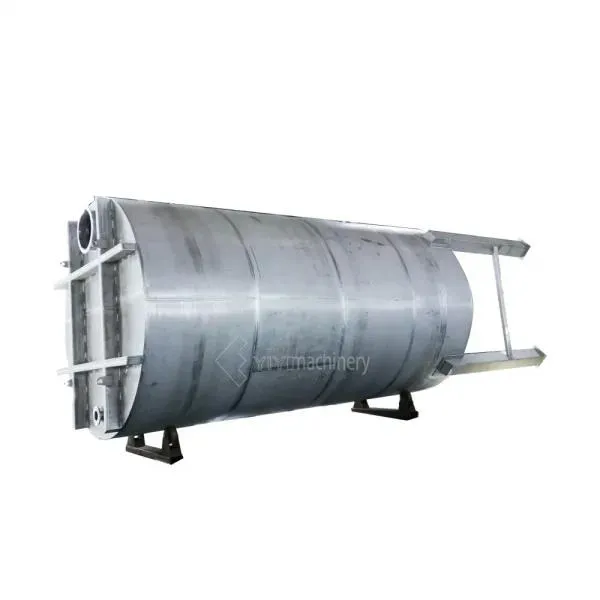
Use published equipment to anchor the discussion. The 2000L stainless steel tank class shows a mid-size vessel family, and the configurable storage tank range extends to other volumes and geometries. Product pages give configuration context; they do not certify resistance to a specific effluent.
Send bidders one identical package: effluent analysis and variability, role statement, volume basis with assumptions, solids and mixing expectations, material data, venting and odor context, discharge interface, connection schedule, instrumentation, cleaning access, and installation constraints.
Ask each bidder to state the material basis, assumptions, exclusions, and any information still missing. When the package is ready, describe your holding duty for a configuration discussion and compare the responses line by line.
FAQs
What is a wastewater storage tank used for?
It temporarily holds effluent between generation and treatment, sewer discharge, or contractor pickup. The role can be simple holding, flow buffering, equalization, or emergency containment.
How do I size a wastewater holding tank?
Work from the generation pattern: average rate, peak event, acceptable discharge rate, and the time window to bridge. Document the assumptions beside the requested volume.
Is a holding tank the same as an equalization tank?
Not exactly. Holding simply stores volume, while equalization deliberately smooths flow and concentration ahead of treatment and is sized as part of the treatment design.
Do wastewater tanks need mixing?
Only some duties do. Equalization usually wants uniform contents, while settling-based strategies want quiescent conditions; state the goal so agitation is quoted correctly.
What material suits a wastewater storage tank?
It depends on the analysis. Stainless grades cover many industrial effluents, but pH extremes, chlorides, sulfides, and temperature need a stated compatibility basis from the bidder.
How is odor controlled in wastewater holding tanks?
Closed construction, routed venting, reasonable turnover, and septicity management are the usual levers. Describe the site’s odor sensitivity so the venting scope is realistic.
What should a wastewater storage tank RFQ include?
Include the effluent analysis, variability, role, volume basis, solids and mixing expectations, materials data, venting and odor context, discharge interface, connections, instrumentation, cleaning access, and installation limits.