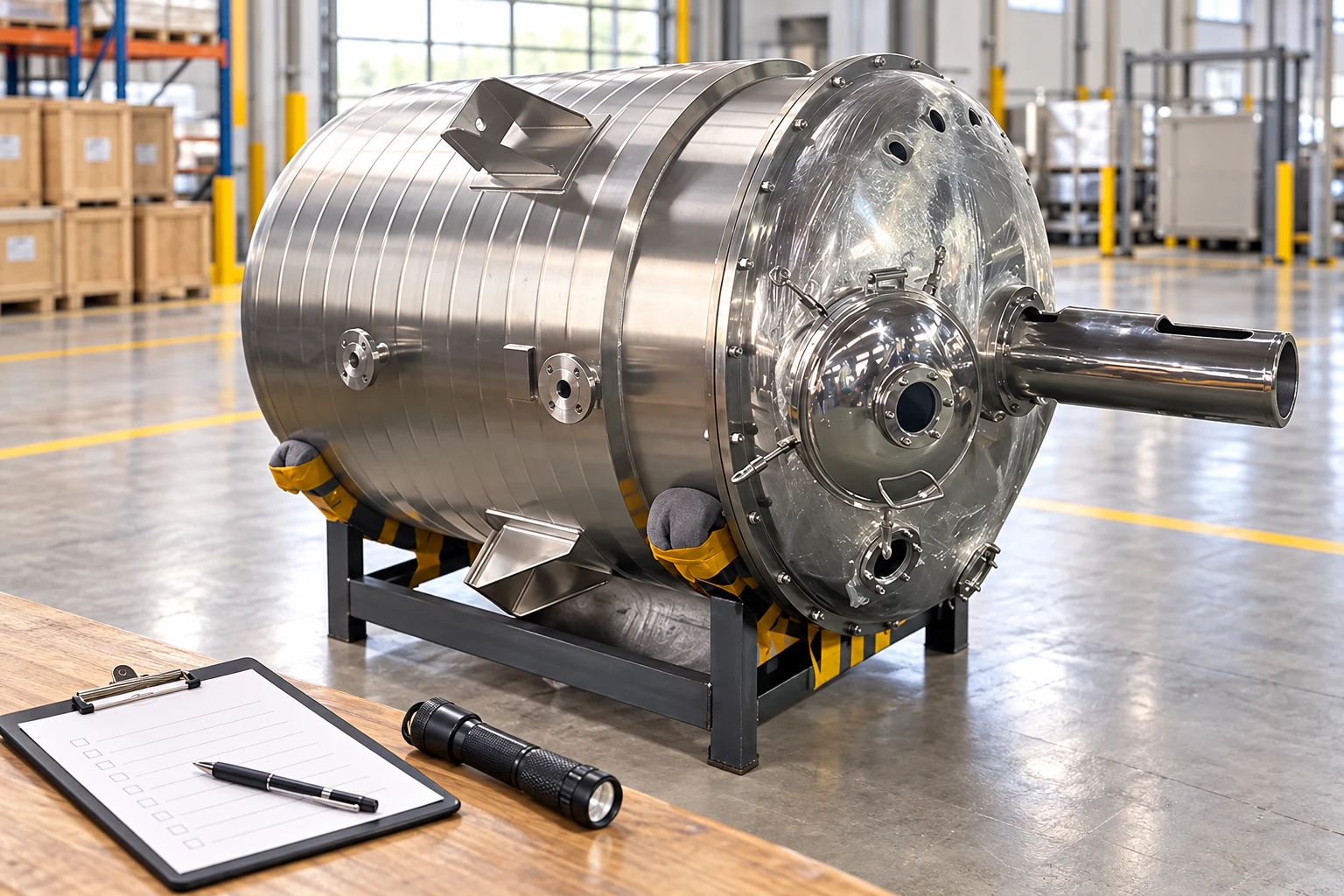
A pharmaceutical reaction vessel is often purchased as steel, motors, instruments, and a price. In a regulated project, it should also be purchased as a controlled evidence package. The useful question is not ?Does this vessel have GMP?? but ?Which facts about the delivered vessel can the supplier document, and which qualification decisions remain with our site??
A strong request separates those two jobs. The supplier can provide agreed drawings, material and fabrication records, test evidence, and support at defined acceptance steps. Your quality and engineering teams still own the user requirements, installation context, cleaning strategy, protocols, acceptance criteria, deviations, and release decisions. That boundary makes bids comparable and prevents a vague GMP label from becoming a substitute for evidence.
Part 1. Start with the User Requirement Specification
A user requirement specification, or URS, gives the documentation list a reason to exist. It should identify the intended process range, product-contact boundaries, utilities, materials, finish, cleaning approach, controls, alarms, and acceptance route. Without that reference, a request for ?full GMP documents? can produce a thick folder that does not answer the site’s actual risk questions.
FDA 21 CFR Part 211 describes written procedures and records as part of manufacturing control. For buyers, the practical implication is simple: make every requested record trace back to a requirement. If a certificate, drawing, or test has no stated decision behind it, it is hard to review and easier to omit.
| URS topic | Buyer decision | Supplier evidence to request |
|---|---|---|
| Product contact | material grade, elastomers, and exposure | material traceability and component list |
| Process duty | volume, pressure, vacuum, temperature, agitation | approved general arrangement and duty sheet |
| Cleanability | cleaning route, drainability, spray coverage assumptions | nozzle schedule, internal geometry, finish evidence where specified |
| Controls | instruments, alarms, automation interface | instrument list, data sheets, wiring and I/O boundary |
| Acceptance | tests, witnesses, and document format | FAT plan, test records, turnover index |
Do not turn the URS into a vendor design by accident. State the outcome and acceptance boundary, then ask each bidder to identify assumptions. The buyer can compare those assumptions before fabrication rather than discovering them in a late-stage drawing review.
Part 2. Define the Documentation Boundary Before Quotation
Equipment documentation has a useful boundary. A fabricator can document what it built, what it installed, what it tested, and what it supplied. The regulated manufacturer must decide whether that evidence is sufficient for the intended use in its facility. EU GMP Annex 15 treats qualification and validation as planned lifecycle work; it does not make a vendor dossier a replacement for site responsibility.
Put the split in the RFQ. Ask the supplier for fabrication and delivery evidence; ask your internal team to own protocol approval, utility verification, site installation checks, cleaning validation, and process performance decisions. A bid can include protocol templates or execution support, but the scope, approvers, and final acceptance must be named.
This distinction also protects the project from unjustified claims. A vessel may be built to an agreed drawing and documented with traceable components without being ?GMP compliant? in the abstract. Compliance depends on the system in which the vessel is specified, installed, operated, maintained, cleaned, and controlled.
Part 3. Request Material, Finish, and Fabrication Evidence
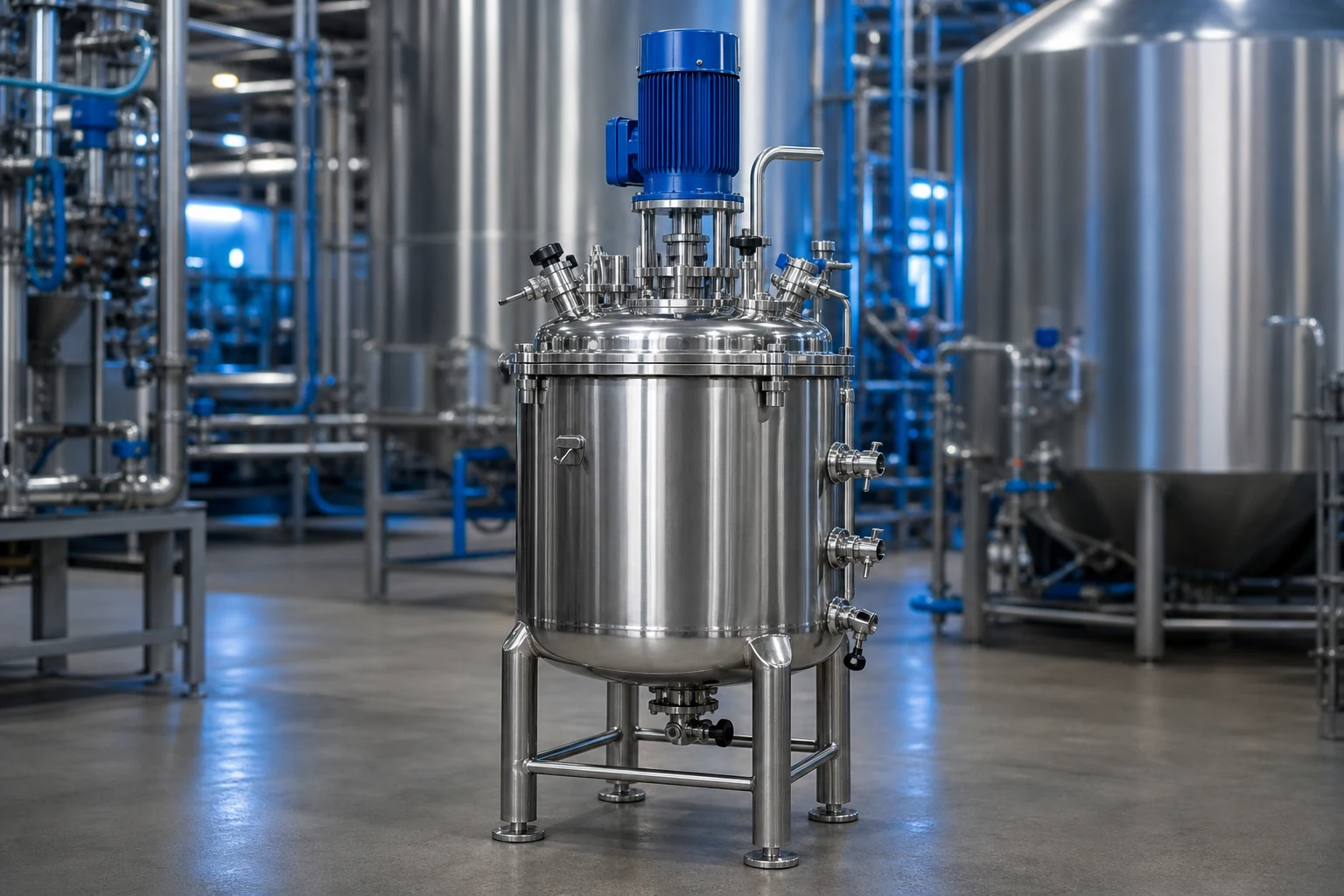
For product-contact parts, request the agreed material grade and traceability route, not a generic statement about stainless steel. The dossier can identify plates, pipe, fittings, valves, gaskets, and other components within the agreed boundary. If a heat number, certificate type, or traceability level is important, put it in the purchase specification and clarify whether the record must be linked to each part, weld map, or material list.
Surface finish needs the same discipline. State the relevant surfaces, target value or method, measurement locations, and reporting format. A nominal finish on a brochure is not a record for a particular delivered vessel. Where welding matters, request a weld map, applicable procedure and welder evidence where contractually required, visual-inspection criteria, and any agreed inspection records. The exact evidence should fit the vessel duty and quality risk; collecting documents that nobody reviews adds noise, not control.
FDA Q7 provides useful context for equipment design, cleaning, maintenance, and documentation in active pharmaceutical ingredient operations. It is not a template for copying into a purchase order. Use it to prompt a risk-based internal discussion, then express the selected expectations in clear procurement language.
Part 4. Match Testing Records to the Vessel Duty
A test record is most useful when it answers a known acceptance question. For a pressure or vacuum vessel, that may include the agreed pressure test, leak test, or functional test; for an agitated vessel, it may include rotation direction, speed range, interlocks, and vibration observations where specified. For a jacketed system, the requested scope may cover connections, hydrostatic testing, or utility-side checks according to the design and applicable code.
| Record | Question it answers | Boundary to state |
|---|---|---|
| Dimensional inspection | Was the vessel built to the approved arrangement? | tolerances and inspection points |
| Pressure or leak test | Does the agreed pressure boundary pass the defined test? | test medium, value, duration, witness point |
| Agitator functional test | Does the supplied drive operate as specified? | load condition, speed range, controls included |
| Instrument documentation | Which supplied device and range were installed? | calibration responsibility and site loop testing |
| FAT report | Were agreed factory checks observed and recorded? | protocol, deviations, and acceptance owner |
Avoid requesting a ?calibration certificate? without defining the instrument boundary. A supplied transmitter may have factory documentation, while final calibration, loop checking, and control-system configuration occur at the site. Write that distinction into the matrix so neither party assumes the other has completed it.
Part 5. Set Practical FAT, SAT, IQ, and OQ Support
A factory acceptance test is a chance to verify the agreed factory-build scope before shipment. It is not a simulation of a pharmaceutical process. Define the attendees, pre-read documents, safe functional checks, acceptance criteria, deviation route, and the handling of incomplete site-only interfaces. Witnessing a FAT can be valuable, but only if the protocol tests decisions that matter to the URS.
Site acceptance and installation qualification introduce realities the factory cannot see: foundations, utilities, clean-room interfaces, electrical installation, drainage, control integration, and local procedures. A supplier can support those activities with manuals, drawings, data sheets, and defined on-site assistance. The site retains control of the approved IQ and OQ protocols, execution records, and conclusions.
Cleaning validation is even more clearly site-owned. The supplier may provide drainability information, material data, surface records, and a proposed cleaning connection arrangement. Whether the cleaning process removes a particular residue under approved operating conditions is a validation question for the regulated manufacturer. Do not let a cleaning feature be represented as a validation result.
Part 6. Control the Turnover Dossier and Changes
Agree the dossier index before the purchase order is released. A simple numbered index makes reviews traceable: document name, planned revision, supplier due date, buyer reviewer, approval status, and final turnover format. Require native editable drawings where needed, searchable PDFs for records, and a clear rule for superseded files.
Changes need a route as well. If the supplier substitutes a component, changes a nozzle location, or revises an instrument range, it should identify the affected URS and drawing references before proceeding. Your change-control process determines whether the change is acceptable; the supplier’s role is to notify, explain, and supply the revised evidence.
The final handover should not be a surprise shipment of files. Review critical documents at agreed gates: design approval, pre-FAT, FAT closeout, shipment, and site completion. This approach gives quality reviewers time to resolve missing evidence while the responsible people can still act.
Part 7. Compare Reactor Options with a Documentation Matrix
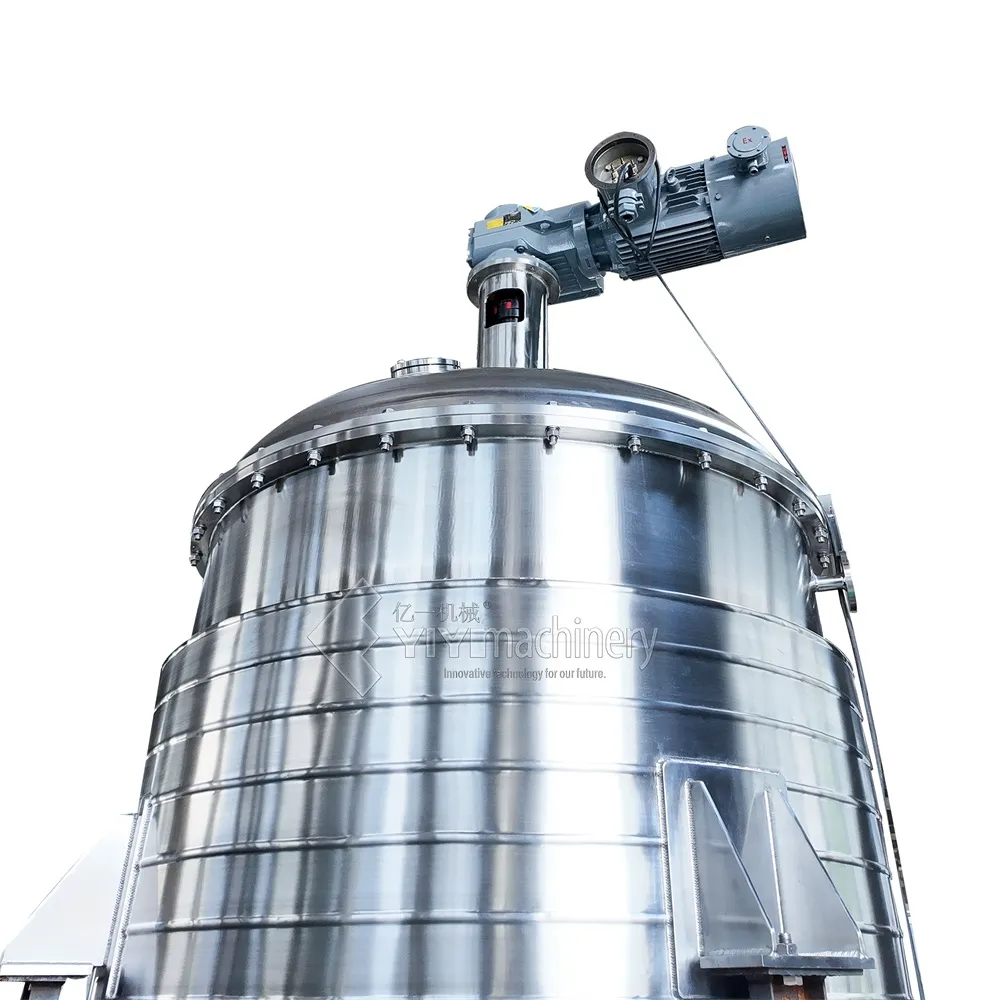
YIYI’s reactor category and chemical reactor configuration context can help frame an equipment discussion. The stainless steel electric heating reactor page is another published configuration reference. These pages do not establish GMP compliance, qualification status, or suitability for your process.
Send each bidder the same documentation matrix with the URS. Include the expected drawing set, material boundary, surface and weld evidence where relevant, testing records, FAT/SAT participation, manual set, spare-parts list, and change-control route. Ask every supplier to mark included, excluded, and optional items with a document due date.
Do not recommend a vessel solely from a documentation checklist. The equipment must still suit the process, cleanability strategy, safety design, utilities, controls, and installation conditions. When the matrix is ready, send the documentation matrix for review with the operating requirements so the discussion can begin from defined facts.
FAQs
What documents should accompany a pharmaceutical reaction vessel?
Request a controlled package tied to the purchase specification: approved drawings, material and component records within the agreed scope, finish and weld evidence where required, test records, instrument documents, manuals, and the agreed FAT/SAT or qualification-support records.
Is a material certificate enough for GMP use?
No. A material record may support traceability for a defined component, but it does not by itself show that the complete vessel, its installation, cleaning method, controls, and process are suitable for your intended use.
What is the supplier’s role in IQ and OQ?
The supplier can provide documents, technical clarification, and contracted support. The site owns approved protocols, installation conditions, execution, deviation handling, acceptance, and final qualification conclusions.
Should buyers request a FAT?
Request a FAT when factory checks can reduce meaningful project risk. Define the exact functional tests, documents, witnesses, deviations, and acceptance criteria; do not treat the FAT as proof of site performance.
Does a vessel dossier prove cleaning validation?
No. The dossier can support cleaning work with geometry, materials, finish, and connection information. Cleaning validation depends on the site process, residues, procedures, analytical method, and approved execution.
Which drawings belong in the handover file?
Typically request the approved general arrangement, nozzle schedule, product-contact parts list, piping or electrical boundary drawings where supplied, and final as-built revisions. The URS and contract should define the exact list and formats.
How should document revisions be controlled?
Use a document index with unique names, revision status, issue dates, reviewers, and superseded-file handling. Require supplier notification before changes that affect an agreed requirement or approved drawing.