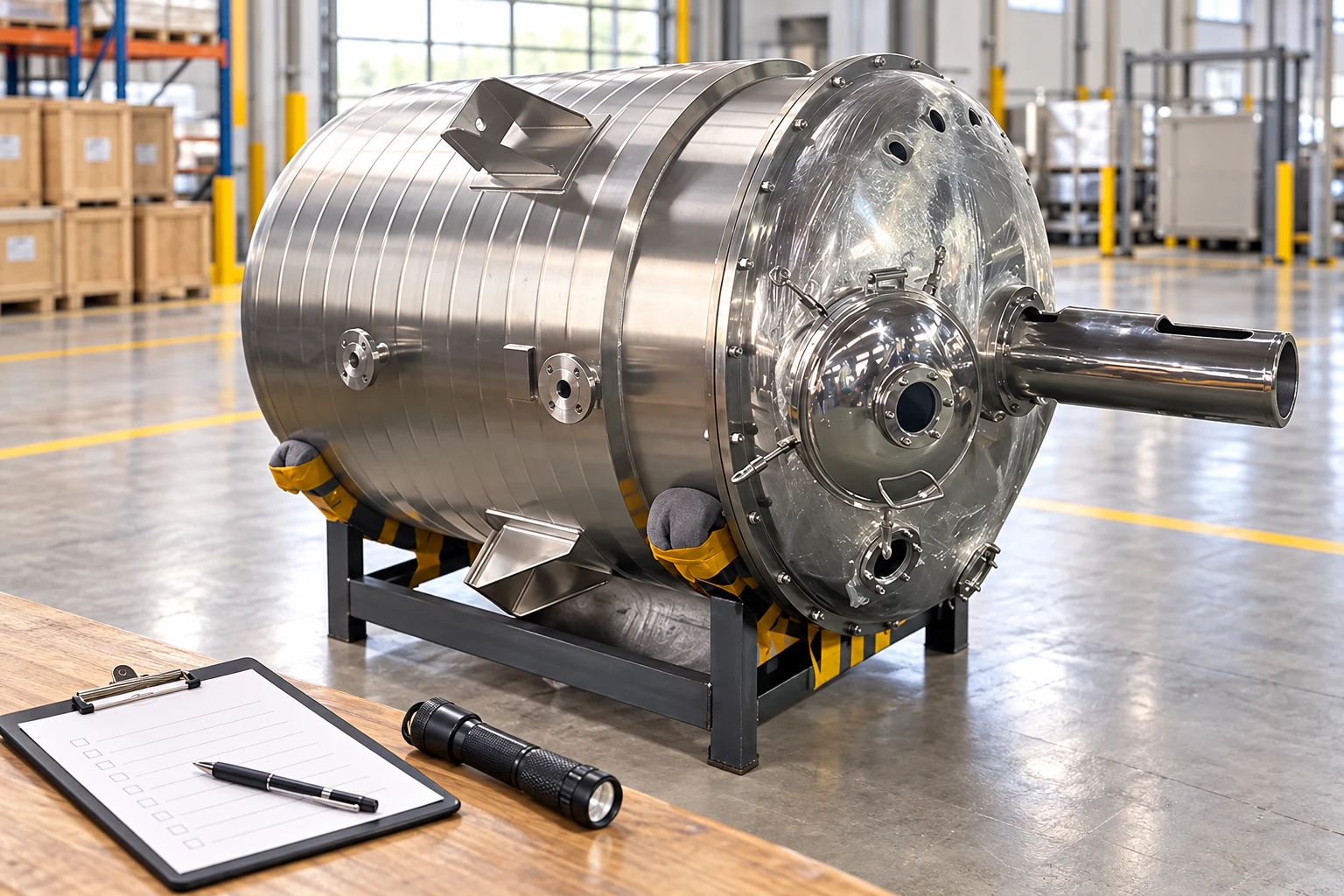
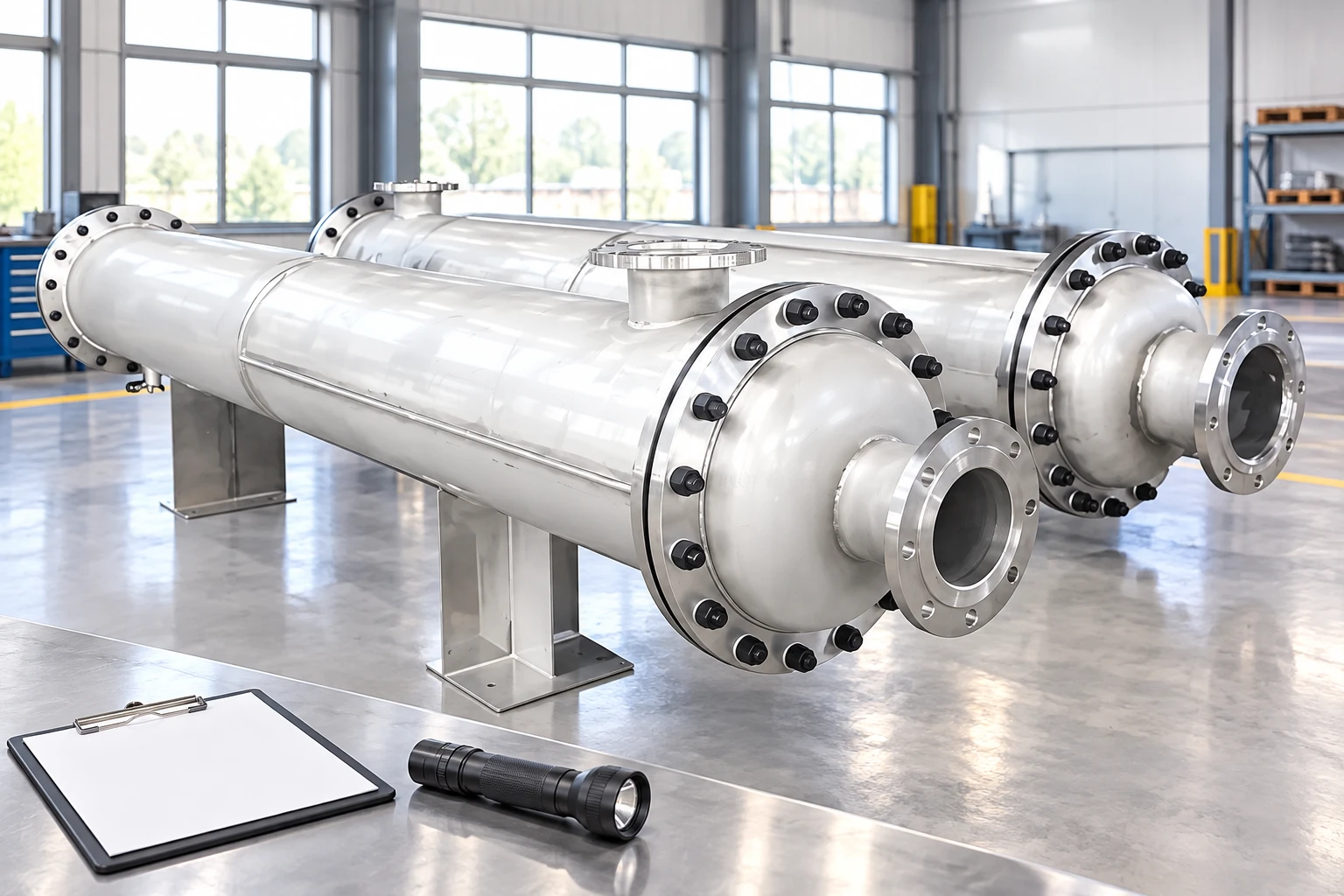
An insulated heated storage tank keeps a product at temperature between process steps: molten or viscous ingredients stay pumpable, food and beverage liquids stay inside their quality window, and utility fluids stay ready for use. The duty sounds simple until winter, an outdoor location, or a long weekend enters the picture.
Four numbers define the specification: the hold temperature, the ambient design condition, the acceptable heat loss or hold time, and any heat-up requirement. Insulation slows the loss, the heating system replaces what escapes, and the RFQ must describe both sides of that balance.
Part 1. Define the Temperature-Hold Duty
State what the product needs, not what the tank should be. Record the product name, the target temperature, the acceptable band around it, and what happens when the product drifts low or spends too long hot. Quality-driven duties are stricter than pumpability-driven ones.
Describe the time pattern. A day tank that is refilled every shift, a buffer held over weekends, and a seasonal storage vessel face very different loss totals, so state the longest unattended period the plant expects.
Place the tank in its environment. Indoor and outdoor installations differ in wind, rain, and winter design temperature, and those conditions belong in the RFQ rather than in the fabricator’s imagination.
| Duty input | What to record | Why it matters |
|---|---|---|
| Product | name, viscosity, sensitivity | Sets band and heating limits |
| Hold temperature | target and acceptable band | Defines the control task |
| Ambient design | winter low, wind, placement | Drives loss estimates |
| Time pattern | refill cycle, unattended periods | Sizes the real challenge |
| Heat-up need | from what temperature, how fast | Often dominates heater duty |
Part 2. Reason About Heat Loss and Hold Time
Heat loss follows a simple logic even before any calculation: it grows with surface area, with the temperature difference to ambient, and with poorer insulation. The mechanisms are summarized in Wikipedia: Heat transfer; the project numbers must come from a stated engineering basis.
Hold time is the same story viewed from the product side. A full tank of liquid with high thermal mass drifts slowly; a small tank in wind drifts fast. Ask bidders to state their estimated loss at your design conditions and the assumptions behind it, using recognized references such as the Engineering ToolBox heat-loss guidance style of calculation.
Distinguish holding from recovery. Maintaining temperature needs modest continuous heat; recovering a cooled tank or heating a cold delivery within hours can demand far more. If heat-up matters, state the starting temperature and the required time explicitly.
Part 3. Choose Insulation and Cladding
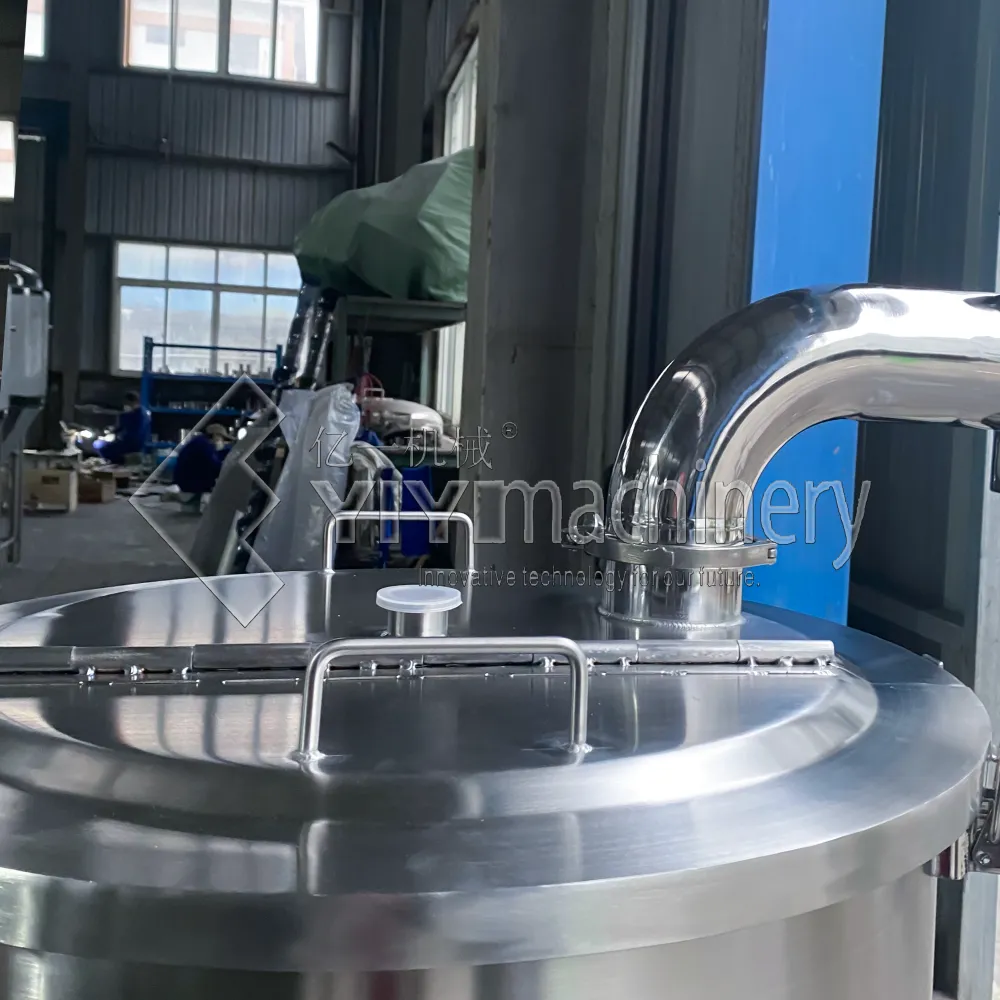
Insulation reduces loss but never removes it. Common industrial choices differ in temperature rating, moisture behavior, and mechanical robustness, and the general principles are described in Wikipedia: Thermal insulation. Ask for the proposed material, thickness, and the basis for that thickness.
Thickness is an economic decision. More insulation costs money once; heat costs money forever. A bidder who states the expected loss at two thicknesses gives the buyer a real choice instead of a default.
Cladding protects the investment. Outdoor tanks need weather-tight jacketing and sealed penetrations; washdown areas need cladding that tolerates water and cleaning agents. Wet insulation loses much of its value, so drainage and sealing details deserve a sentence in the RFQ.
Part 4. Select the Heating Arrangement
Heating can come from a jacket, internal or external coils, electric elements, or an external circulation loop. Each arrangement changes surface temperature, maintenance, and how gently the product is treated, so describe the product’s sensitivity and let bidders propose.
Jacket-style heating suits many hold duties. The trade-offs between jacket types, temperatures, and controls are covered in the jacketed mixing tank guide, and most of that reasoning carries over to static storage.
Watch the skin temperature. Heat-sensitive products can scorch at hot surfaces even while the bulk stays on target, which argues for lower-temperature heating media, larger areas, or circulation. State any maximum contact temperature the product tolerates.
| Heating arrangement | Strength | Watch-out |
|---|---|---|
| Heating jacket | gentle, large area | slower response |
| Internal coil | concentrated duty | local hot surfaces |
| Electric elements | no utility system needed | supply capacity, dry running |
| External circulation loop | serviceable off-vessel | pump and piping scope |
Part 5. Plan Controls and Protect the Product
Define the control expectation. A hold duty usually needs a temperature sensor in a representative location, a controller with a stated band, and an over-temperature response. Say whether the plant wants local control or integration with a site system.
Sensor placement matters in still liquid. Stratification can leave the top warm and the bottom cool, so agree where the temperature is measured and whether gentle circulation or mixing is part of the duty.
Protect against the failure cases: heater failure in winter, over-temperature during low level, and empty-tank heating. Listing the protections the site expects (low-level cutoff, over-temperature cutout, alarms) turns them into quoted scope instead of afterthoughts. A broader type overview is available in heating tank types and uses.
Part 6. Specify Utilities, Connections, and Installation
State the available utilities honestly: electric supply, steam pressure, hot water or thermal-fluid systems, and their capacities. The heating proposal must fit what the site can actually deliver, and utility limits often decide between arrangements.
List the connection schedule: fill, outlet, drain, vent or overflow, heating media in and out or element housings, temperature ports, level indication, and access openings. Insulated vessels need penetrations planned early, because every nozzle interrupts the insulation.
Describe installation constraints: footprint, height, wind exposure, seismic context, access for maintenance, and clearance to remove elements or service the jacket. Note who installs and who insulates if the scopes are split.
Part 7. Compare Heated Vessels and Prepare the RFQ
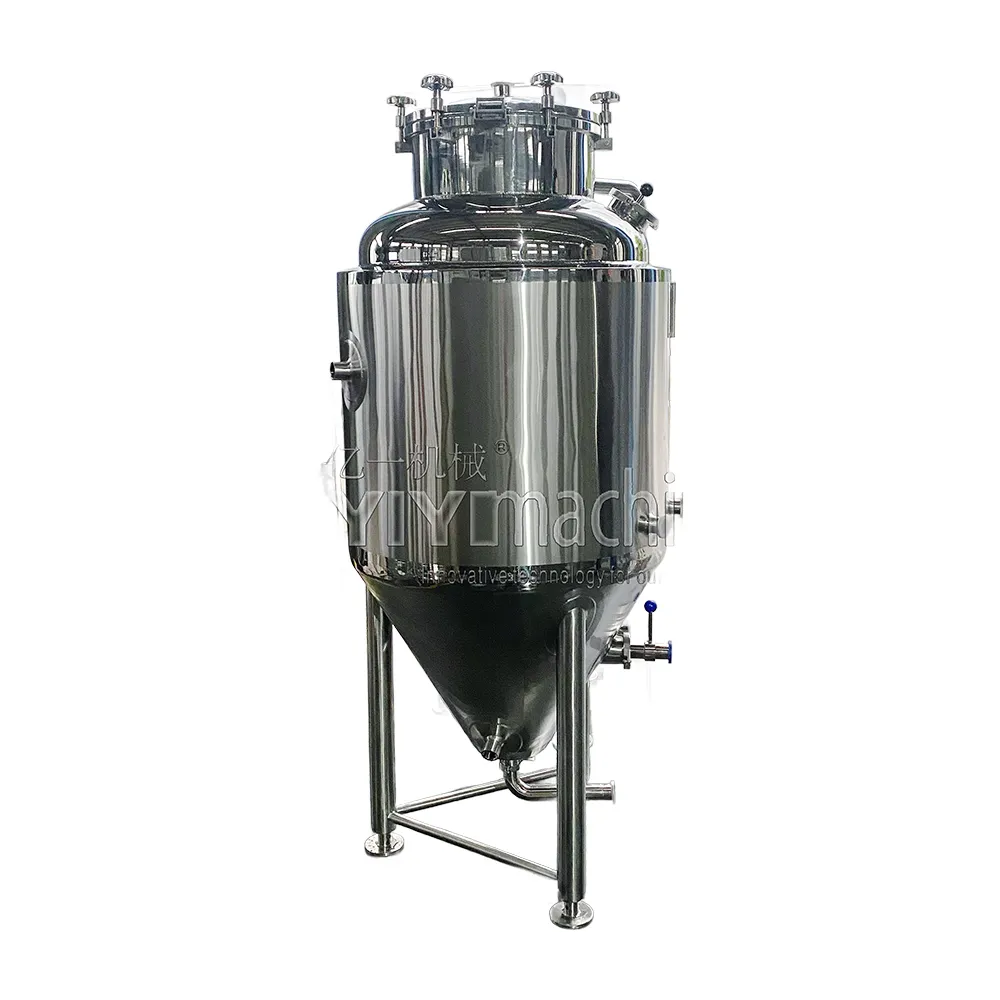
Published equipment anchors the conversation. The heated tank configuration shows a jacketed heated vessel class, and the configurable storage tank range covers further sizes and layouts. Product pages provide configuration context; they do not state a hold time for your product and climate.
Send one identical package to all bidders: product and sensitivity, hold temperature and band, ambient design conditions, time pattern, heat-up requirement, utility list, insulation expectations, control and protection scope, connection schedule, and installation constraints.
Ask each bidder to state their estimated heat loss, the assumptions behind it, and what is excluded. When the package is ready, share your temperature-hold duty for a configuration discussion and compare the stated bases, not just the prices.
FAQs
How long can an insulated tank hold temperature?
It depends on the liquid’s thermal mass, the temperature difference to ambient, the insulation, and wind or weather exposure. Ask bidders for an estimated drift rate at your stated design conditions.
How is tank heat loss estimated?
Engineers combine surface area, temperature difference, and insulation performance using recognized heat-transfer references. Request the estimate together with its assumptions so quotes can be compared.
What insulation is used on heated storage tanks?
Mineral-fiber and foam-type materials are common, finished with metal cladding. The right choice depends on temperature, moisture exposure, and mechanical conditions, so ask for a stated basis.
Should I choose a jacket, a coil, or an external heater?
Let the duty decide. Jackets treat products gently over a large area, coils concentrate heat, and external loops move the equipment off the vessel; product sensitivity and utilities usually settle the choice.
What is the difference between holding and heat-up duty?
Holding replaces slow losses; heat-up raises the whole contents within a deadline. Heat-up usually needs far more capacity, so state the starting temperature and required time if it matters.
Does an insulated heated tank need a temperature controller?
Yes in practice. A representative sensor, a controller with a stated band, and over-temperature and low-level protections make the hold duty reliable and quotable.
What should an insulated heated storage tank RFQ include?
Include the product and sensitivity, hold temperature and band, ambient conditions, time pattern, heat-up needs, utilities, insulation and cladding expectations, controls and protections, connections, and installation limits.