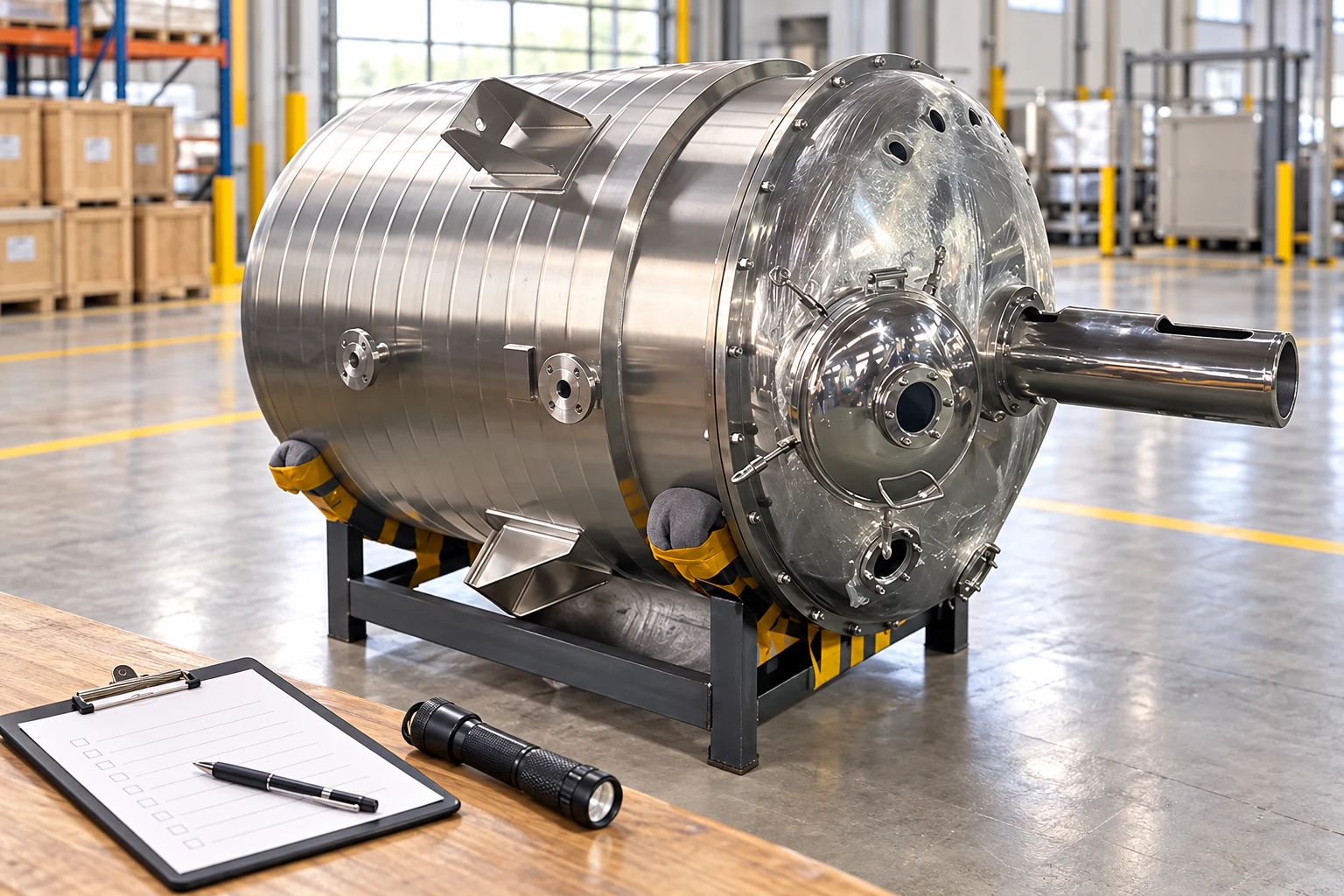
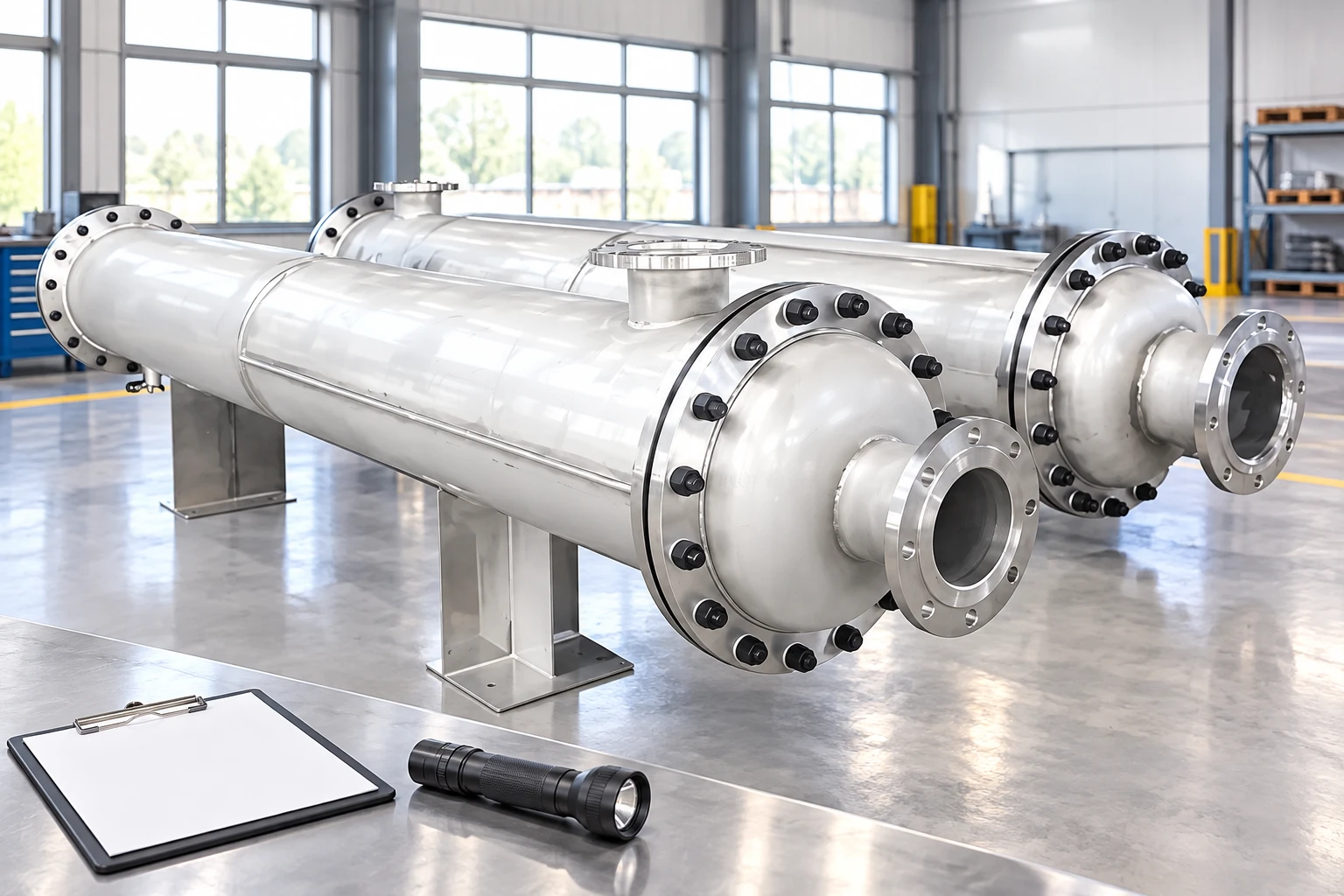
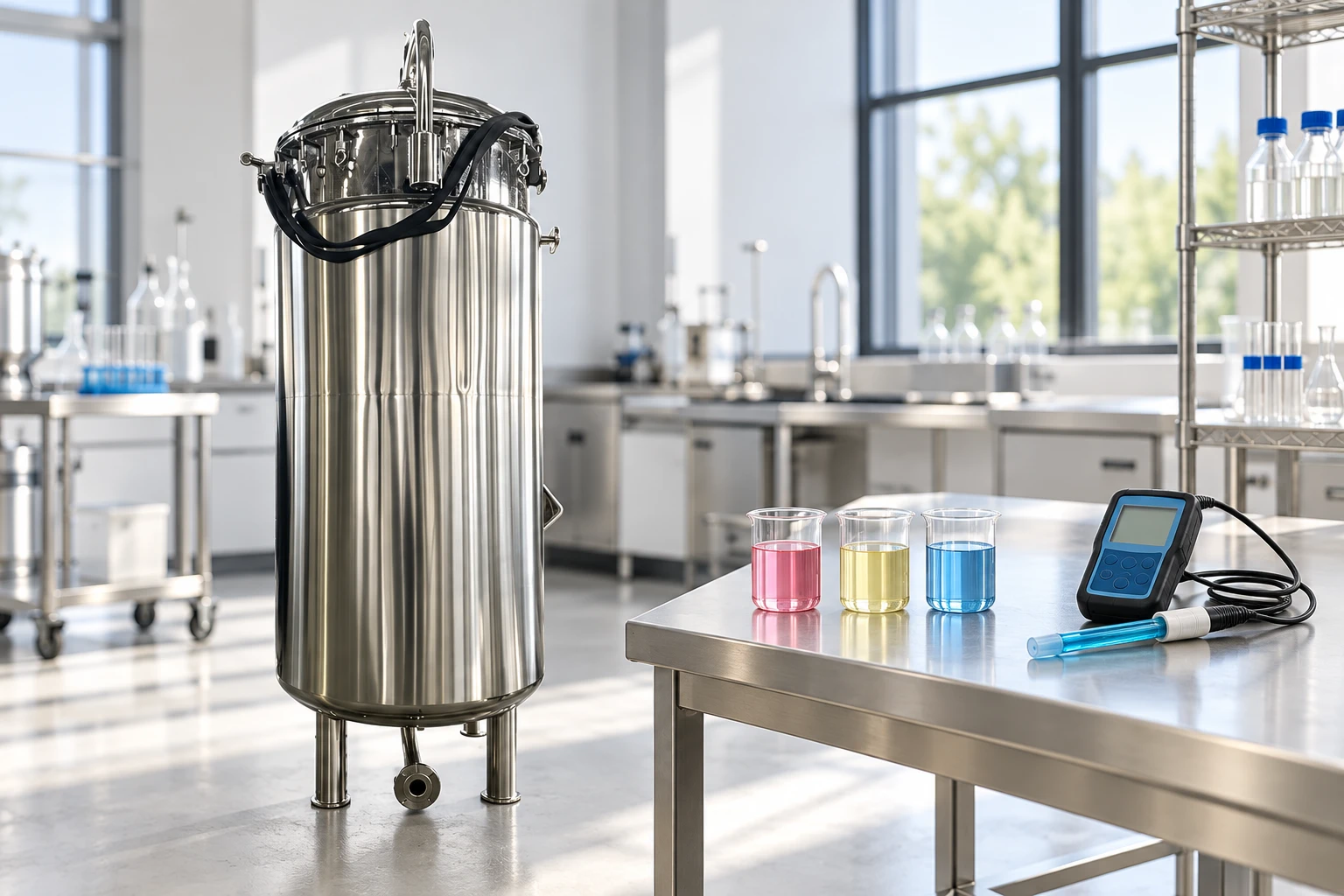
A vacuum mixing tank holds batch product in a sealed vessel while a vacuum pump lowers headspace pressure and an agitator blends the contents. The combination helps remove dissolved gas, collapse foam, and limit oxygen contact during mixing—outcomes that are difficult to achieve reliably in open atmospheric tanks.
This guide explains when vacuum agitation beats atmospheric mixing, how vacuum level interacts with viscosity, and what belongs in an RFQ. Examples reference published YIYI INTELLIGENT mixing equipment; ultimate vacuum, seal life, and hazardous-area ratings must be confirmed on the project quotation.
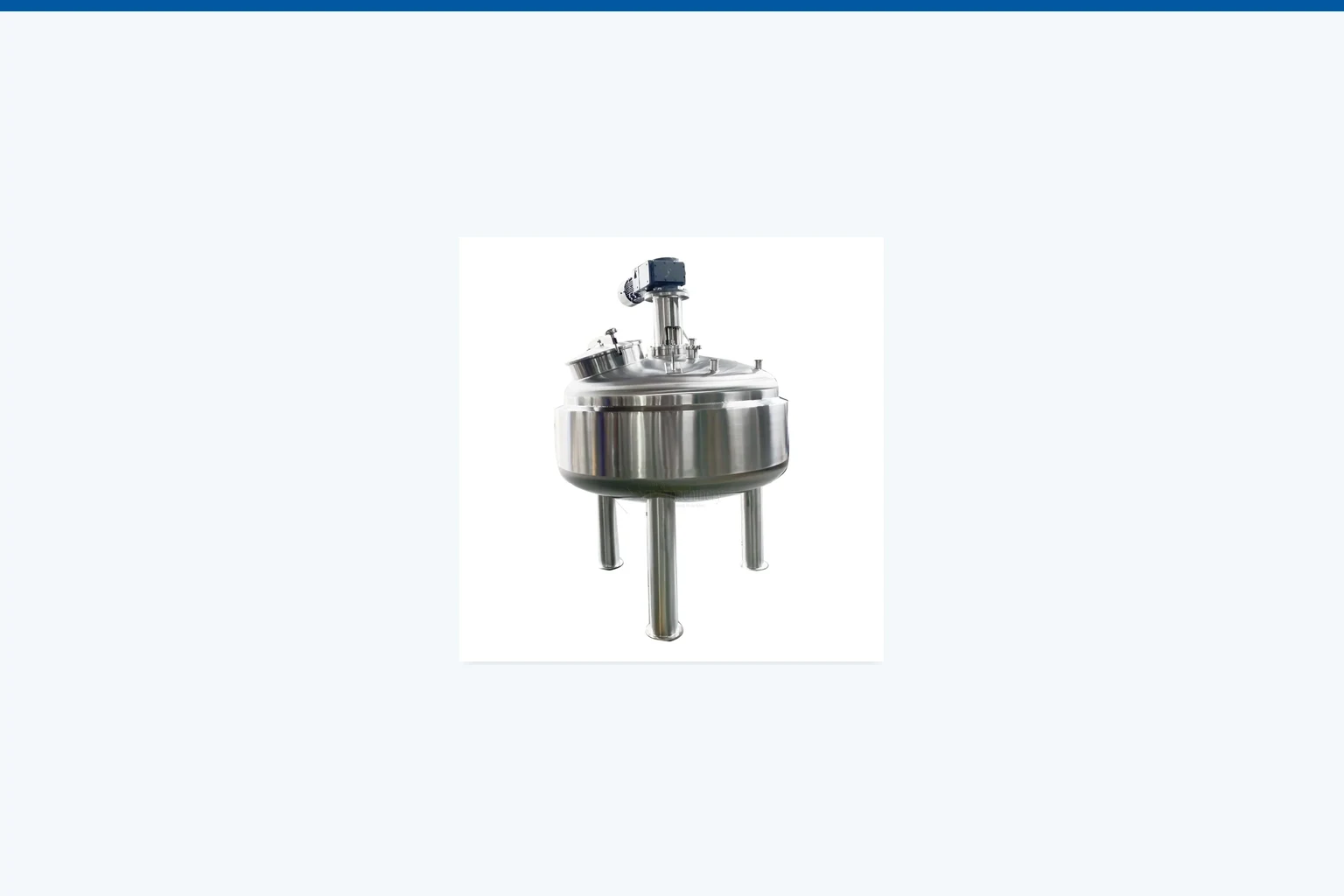
Part 1. What is a vacuum mixing tank?
The vessel is designed for pressure below atmospheric in the headspace above liquid level. A vacuum pump (or vent ejector system) pulls non-condensable gases and vapor from the space while the agitator circulates product. Ports for charging, sampling, and cleaning must remain sealed during vacuum holds.
Vacuum mixing tanks differ from vacuum emulsifying mixers, which add high-shear homogenization stages for fine droplet emulsions. They also differ from magnetic stirrer tanks, where the drive focus is seal-less mixing rather than headspace vacuum management—see the magnetic stirrer tank guide for that duty.
| Component | Function | Buyer question |
|---|---|---|
| Vessel shell | Pressure boundary under vacuum | What working volume and headspace? |
| Agitator | Blending and surface renewal | Which impeller for viscosity? |
| Vacuum system | Lowers headspace pressure | Pump capacity vs leak rate? |
| Seals and ports | Maintain vacuum during mix | How many nozzles and sight glasses? |
| Control | Holds vacuum and temperature | Interlocks with agitator enable? |
Browse stainless steel mixing tanks for capacity families, then decide whether vacuum is a process requirement or an optional enhancement.
Part 2. When does vacuum agitation beat atmospheric mixing?
Atmospheric mixing is simpler and cheaper when foam is not a problem, oxygen exposure is acceptable, and no dissolved gas removal is required. Vacuum mixing tanks earn their capital cost when batches fail quality checks under atmospheric conditions.
| Signal | Atmospheric mixing risk | Vacuum mixing benefit |
|---|---|---|
| Persistent foam after agitation | Overflow, poor level control | Headspace pressure collapse reduces bubble stability |
| Oxygen-sensitive ingredients | Oxidation, color drift | Reduced oxygen partial pressure in headspace |
| Dissolved gas in feed streams | Void defects, package swell | Degassing during mix cycle |
| Cosmetic or sauce appearance | Surface defects from air | Smoother visual after hold under vacuum |
| Heated viscous batches | Entrained steam or vapor pockets | Controlled evacuation before heat-up |
Tip: Document before and after photos or lab metrics from pilot batches. Suppliers size vacuum pumps faster when buyers show foam collapse time or dissolved oxygen targets (3-A sanitary practices where food owners apply sanitary expectations).
General mixing background appears in what is a mixing tank. When the primary goal is fine emulsion droplets under vacuum, review the companion vacuum emulsifying mixer selection guide.
Part 3. How does vacuum interact with agitator type and viscosity?
Vacuum helps only if the liquid surface is renewed and gases can reach the headspace. Thick products need agitators that move material to the surface; low-viscosity batches may use simpler turbine or propeller impellers.
| Viscosity band | Typical agitator | Vacuum interaction |
|---|---|---|
| Thin sauces and solutions | Propeller or turbine | Fast degassing; watch cavitation at high speed |
| Medium creams | Anchor or pitched blade | Moderate surface renewal; longer vacuum hold |
| High-viscosity gels | Helical ribbon or scrape-wall | Longer cycles; verify seal load at vacuum |
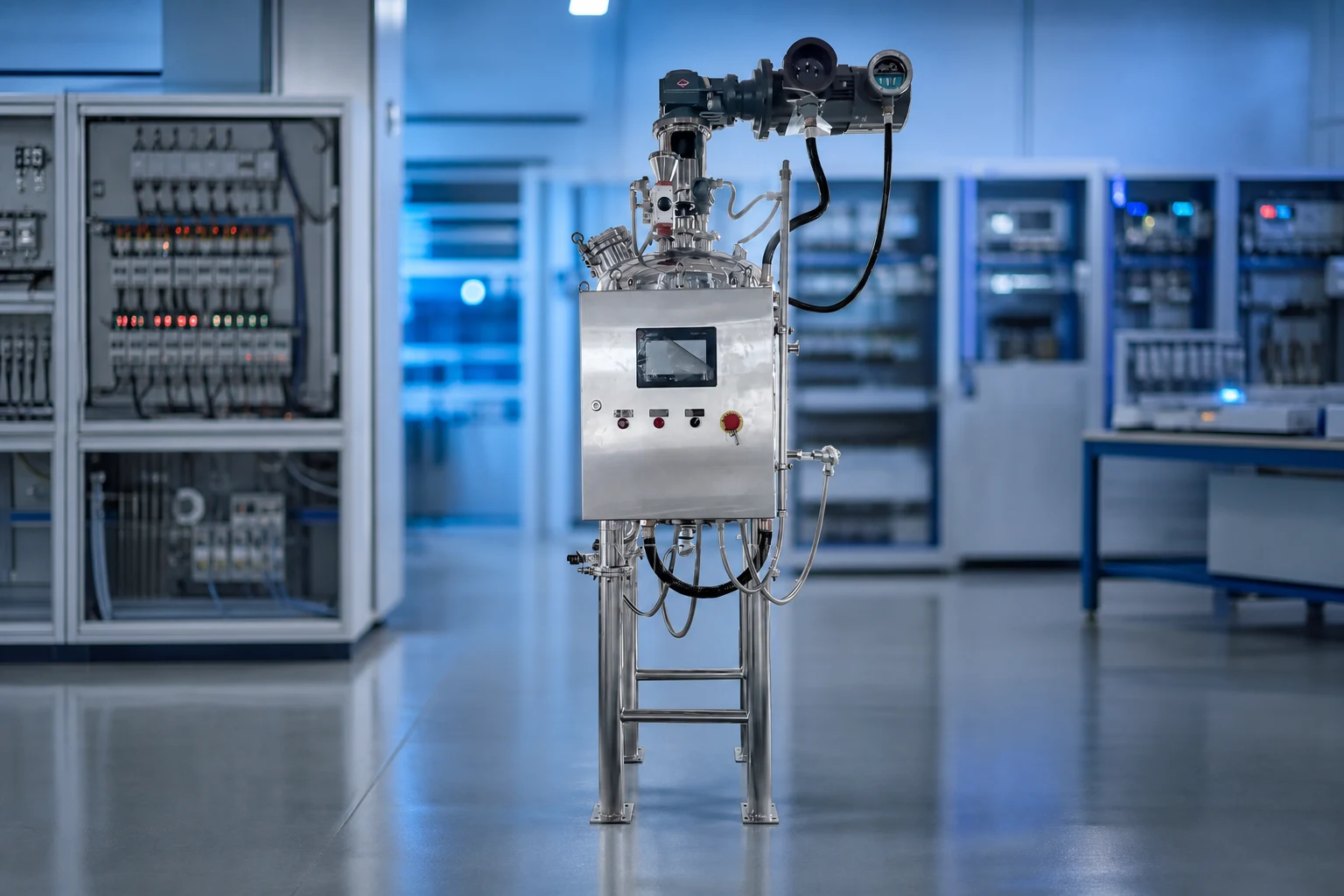
Heated vacuum batches may still use jacketed vessels—compare heating utilities in the electric heating stirrer tank guide or oil jacketed mixing tank procurement guide when temperature hold is part of the same line.
Part 4. What vacuum level and hold time should buyers specify?
Quotations go vague when buyers ask for “vacuum” without absolute or gauge pressure, hold duration, and leak tolerance. State measurable targets.
| RFQ topic | Example specification | Why it matters |
|---|---|---|
| Target vacuum | -0.08 MPa gauge or equivalent | Sizes pump and vessel design |
| Hold time | 10 minutes at target after charging | Defines pump duty cycle |
| Agitator state | Running vs stopped during pull-down | Affects foam collapse path |
| Temperature | Batch temperature during vacuum | Vapor load on pump |
| Recovery | Vent to atmospheric before discharge? | Interlock sequence |
| Instrumentation | Vacuum gauge, recorder, alarms | Batch release documentation |
Important: Pressure vessel and vacuum vessel design codes such as ASME BPVC Section VIII apply when the project scope includes those boundaries—state external pressure or combined pressure/vacuum duty explicitly rather than assuming default compliance.
Part 5. Which materials and seals fit food vs cosmetic service?
Stainless steel 304 or 316L shells are typical. Seal materials must survive vacuum cycling, product chemistry, and CIP fluids without leaking after repeated batches.
| Service | Material starting point | Seal and design notes |
|---|---|---|
| Food sauces and dairy | 304 or 316L sanitary welds | FDA-acceptable elastomers per owner list |
| Cosmetics and creams | 316L common | Fragrance and surfactant compatibility |
| Chemical intermediates | 316L or higher alloy | Vent routing for solvent vapors under vacuum |
| Pharmaceutical style | 316L + documented finish | Redundant vacuum sensing where required |
Internal polish and drainability affect cleaning between vacuum batches. A heel below the agitator can trap gas pockets that extend pull-down time.
Part 6. What belongs in a vacuum mixing tank RFQ?
Send one package that ties process, vacuum, and mechanical scope together.
| RFQ section | Example inputs |
|---|---|
| Process | Product name, viscosity, batch volume, foam behavior |
| Vacuum | Target pressure, hold time, pump on/off sequence |
| Agitation | Impeller type, speed range, shear sensitivity |
| Thermal | Jacket requirement, temperature range |
| Mechanical | Nozzle schedule, sight glass, manway |
| Materials | 304 vs 316L, gasket elastomer |
| Utilities | Available electrical supply for pump and agitator |
| Documentation | P&ID, leak test method, FAT checklist |
Attach a short narrative of why atmospheric mixing failed—foam height, oxidation test, or dissolved gas measurement—so suppliers can propose a emulsification tank class vessel or integrated vacuum package.
Part 7. What sizing mistakes appear, and which YIYI lines fit?
Field issues often trace to undersized vacuum pumps (leak rate ignored), agitator torque quoted for water-like viscosity, or seals that were not rated for full vacuum cycles.
| Mistake | Field symptom | Prevention |
|---|---|---|
| Pump sized for empty vessel only | Never reaches target with batch | State batch volume and vapor load |
| No leak test scope | Slow pull-down after months | Request acceptance leak criteria |
| Atmospheric impeller on gel | Poor surface renewal | Match agitator to viscosity |
| Missing vent interlock | Product sucked into lines | Define vent-before-discharge sequence |
Fit boundary: Vacuum mixing tanks fit foam-prone and degassing-sensitive batches. They are a weak default for simple low-viscosity blending with no air-related quality risk.
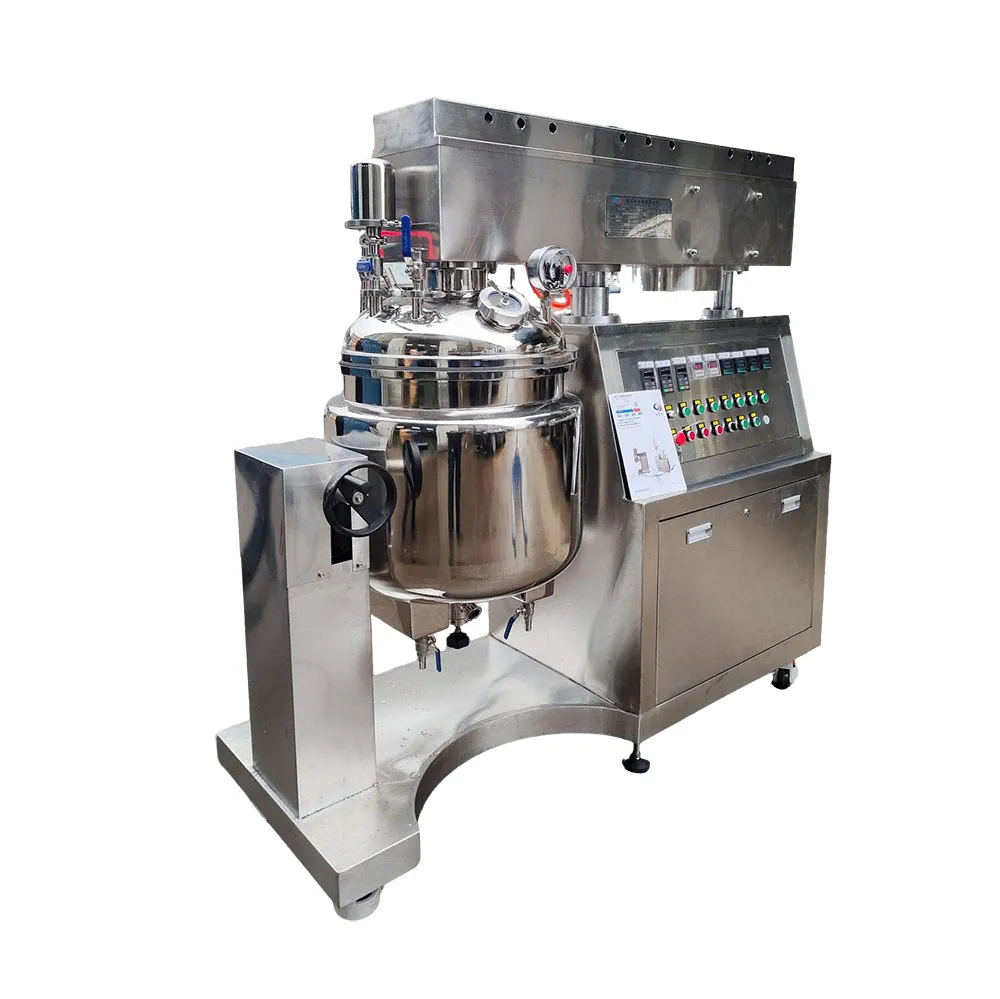
YIYI publishes examples such as the emulsification tank for emulsion-oriented vessels and the vacuum emulsification homogenizer when homogenization under vacuum is part of the duty. Confirm capacity and vacuum scope on the exact SKU page. For layouts, request a quote with Part 6 sections.
FAQ
What is the difference between a vacuum mixing tank and atmospheric mixing?
Atmospheric tanks mix at roughly ambient headspace pressure. Vacuum mixing tanks lower headspace pressure during agitation to degas, defoam, or limit oxygen exposure.
Do all mixing tanks need vacuum?
No. Many batches mix adequately at atmospheric pressure. Vacuum is justified when foam, gas, or oxygen drives quality failures.
How does vacuum reduce foam in sauces and creams?
Lower headspace pressure reduces bubble stability and helps gases leave the liquid phase, especially when agitation renews the surface.
What vacuum level should be in an RFQ?
State gauge or absolute pressure, hold time, and whether the agitator runs during pull-down. Avoid unquantified “full vacuum” requests.
Is a vacuum emulsifying mixer the same as a vacuum mixing tank?
Not always. Emulsifying mixers add high-shear homogenization for fine droplets. Vacuum mixing tanks may use moderate shear with vacuum for degassing—see the vacuum emulsifying mixer guide for emulsion duty.
What materials should food plants specify?
304 or 316L with sanitary welds and elastomers approved for product and CIP. Map to owner standards such as 3-A sanitary practices where applicable.
What seals and ports matter under vacuum?
Shaft seals, manway gaskets, and nozzle valves must hold vacuum through temperature cycles. Request leak test and spare seal scope.
When should buyers read the vacuum emulsifying mixer guide?
When the primary goal is stable oil-in-water or water-in-oil emulsions for creams, sauces, or gels under vacuum shear.
References
- ASME BPVC Section VIII — Pressure Vessels — vessel pressure and vacuum scope when applicable
- 3-A Sanitary Standards — sanitary equipment expectations for food and dairy owners
- Spirax Sarco — Learn about steam and process utilities — general process utility context for heated and vacuum process lines