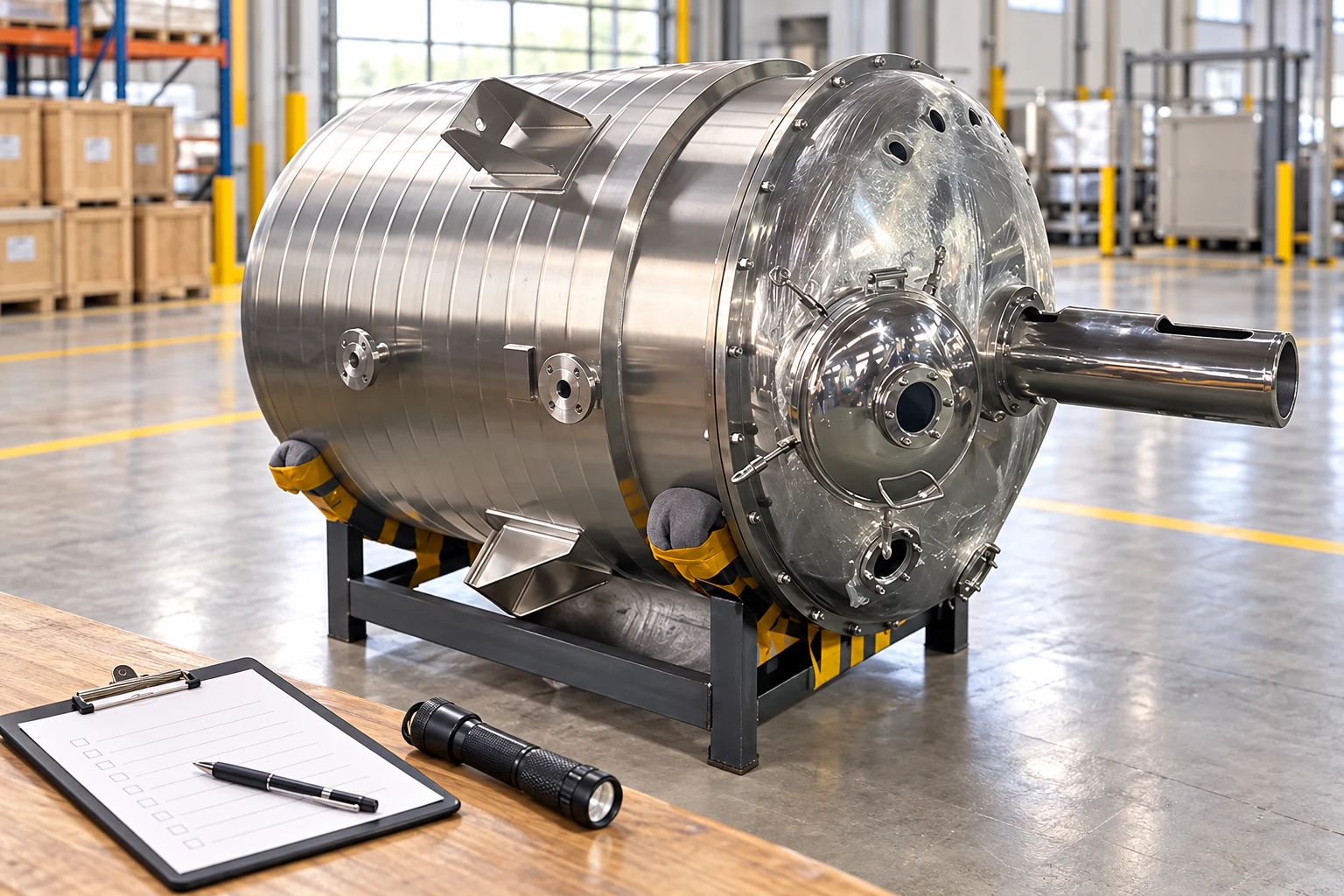
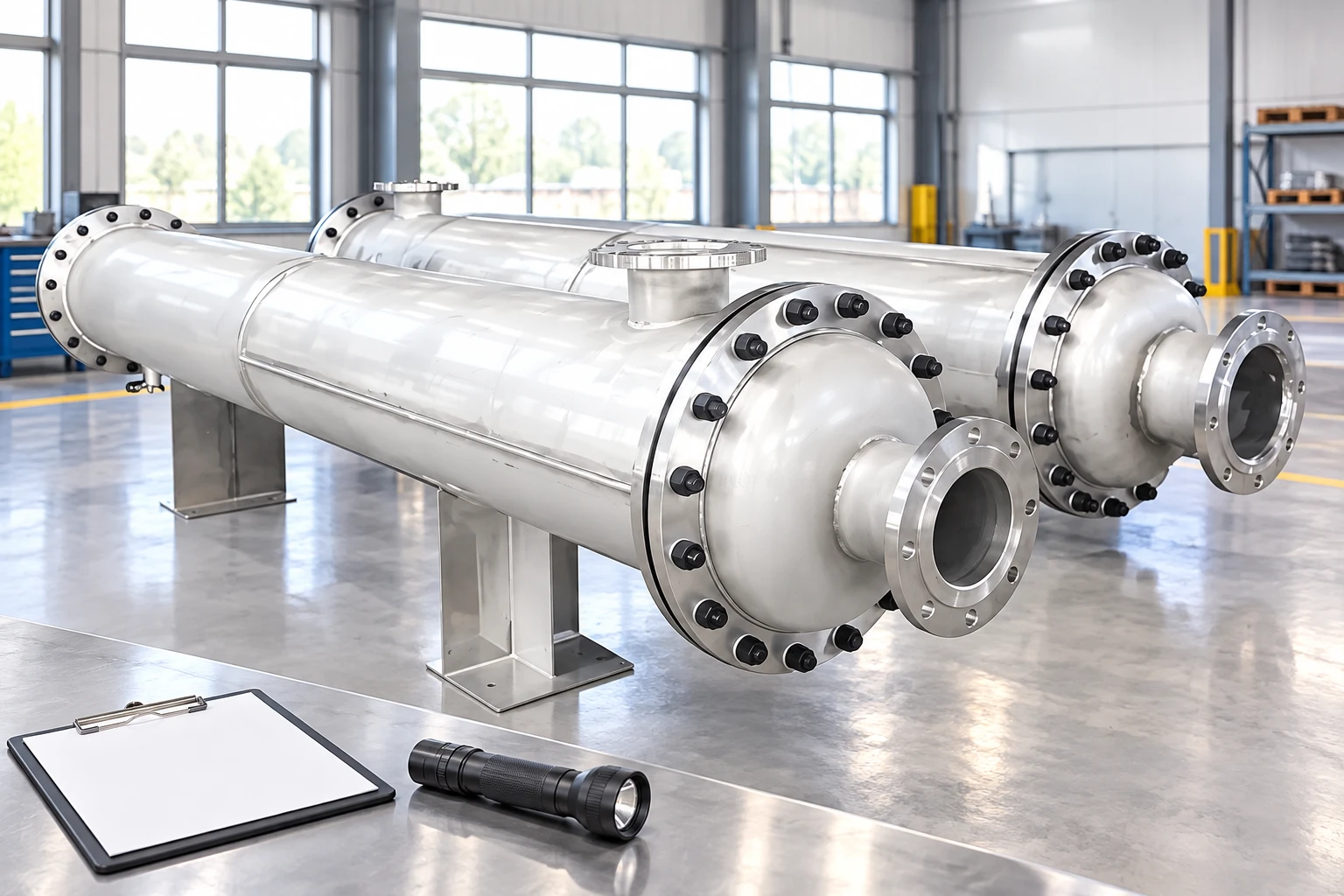
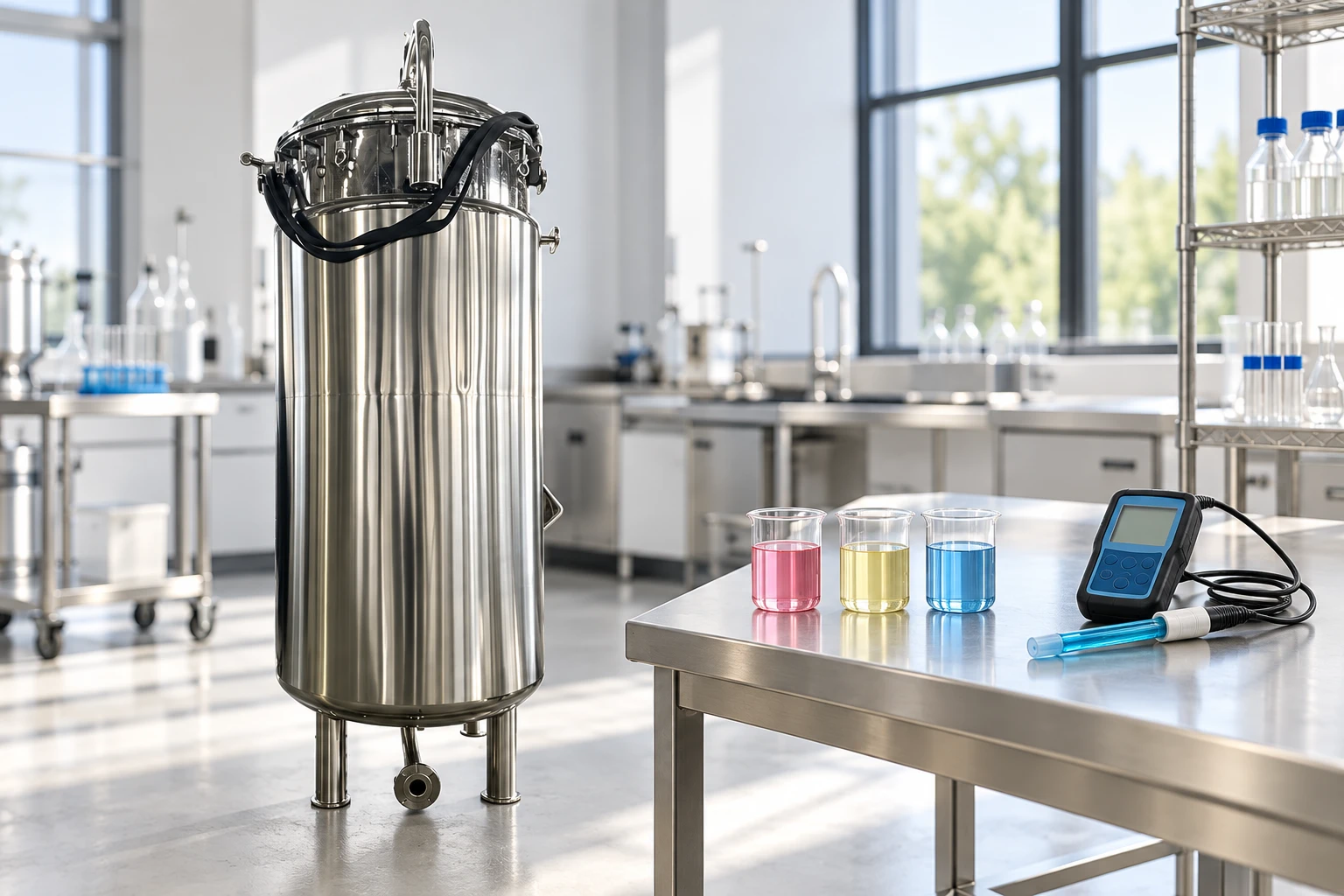
A вакуумный миксер-смеситель удерживает партию продукта в герметичном сосуде, в то время как вакуумный насос снижает давление в надпространстве, а мешалка смешивает содержимое. Эта комбинация помогает удалить растворенный газ, вспененный полистирол, и ограничить контакт с кислородом во время смешивания — результаты, которых трудно стабильно добиться в открытых атмосферных резервуарах.
В этом руководстве объясняется, когда вакуумное перемешивание превосходит атмосферное, как уровень вакуума влияет на вязкость и что должно содержаться в запросе коммерческого предложения (RFQ). Примеры ссылаются на опубликованное смесительное оборудование YIYI INTELLIGENT; предельный вакуум, срок службы уплотнений и классы взрывоопасных зон должны быть подтверждены в проектном коммерческом предложении.
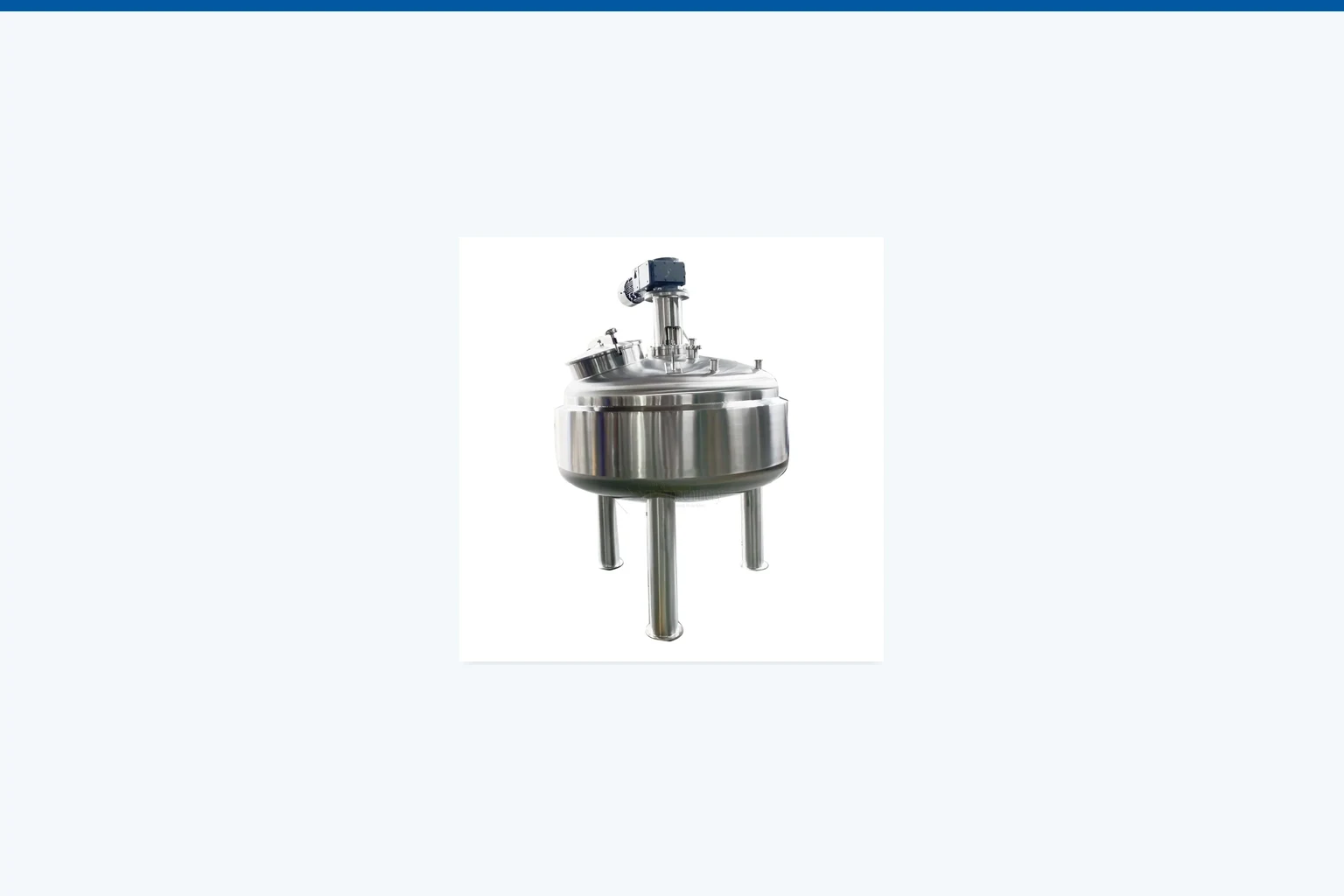
Часть 1. Что такое вакуумный миксер-гомогенизатор?
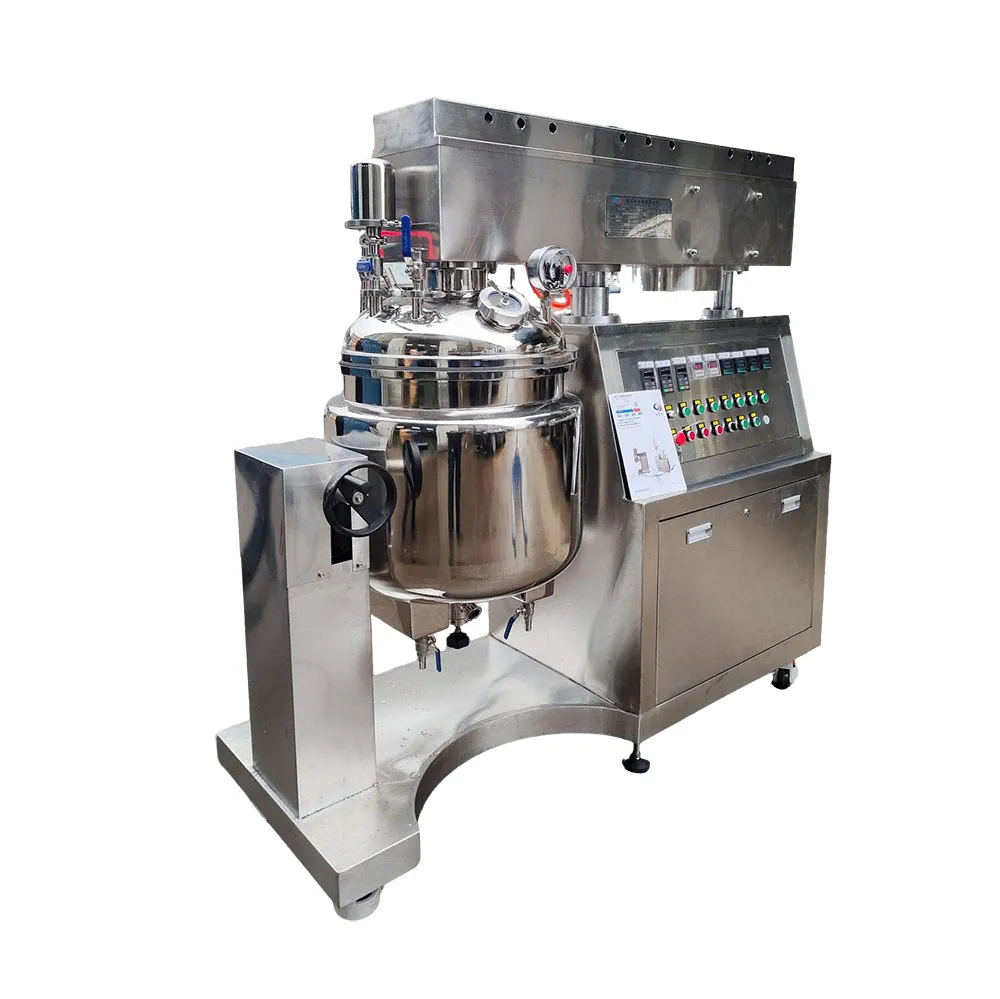
Судно предназначено для давление ниже атмосферного в свободном пространстве над уровнем жидкости. Вакуумный насос (или эжекторная система вентиляции) удаляет неконденсирующиеся газы и пары из этого пространства, в то время как мешалка циркулирует продукт. Штуцеры для загрузки, отбора проб и очистки должны оставаться герметичными во время выдержки под вакуумом.
Вакуумные смесительные емкости отличаются от вакуумные гомогенизирующие смесители, которые добавляют стадии гомогенизации с высоким сдвигом для эмульсий с мелкими каплями. Они также отличаются от емкости с магнитной мешалкой, где акцент в приводе делается на бессальниковое смешивание, а не на управление вакуумом в надпространстве — см. руководство по емкости с магнитной мешалкой для этой обязанности.
| Компонент | Функция | Вопрос покупателя |
|---|---|---|
| Корпус сосуда | Граница давления при вакууме | Какой рабочий объем и свободное пространство? |
| Агитатор | Смешение и обновление поверхности | Какая крыльчатка подходит для вязких жидкостей? |
| Вакуумная система | Снижает давление над свободным пространством | Производительность насоса против скорости утечки |
| Уплотнения и порты | Поддерживать вакуум во время перемешивания | Сколько штуцеров и смотровых стекол? |
| Контроль | Держит вакуум и температуру | Блокировки с разрешением работы мешалки? |
Просмотр резервуары для смешивания из нержавеющей стали для семей емкостей, а затем решить, является ли вакуум требование к процессу или в качестве дополнительного улучшения.
Часть 2. Когда вакуумное перемешивание превосходит атмосферное?
Атмосферное смешивание проще и дешевле, когда пена — это не проблема, воздействие кислорода допустимо, и без удаления растворённого газа обязательно. Вакуумные смесительные емкости окупают свои капитальные затраты, когда партии не проходят проверку качества в атмосферных условиях.
| Сигнал | Риск атмосферного перемешивания | Преимущество вакуумного смешивания |
|---|---|---|
| Стойкая пена после взбалтывания | Перелив, плохой уровень управления | Падение давления в надпространственном пространстве снижает стабильность пузырьков |
| Чувствительные к кислороду ингредиенты | Окисление, смещение цвета | Пониженное парциальное давление кислорода в свободном пространстве |
| Растворенный газ в питающих потоках | Дефекты в виде пустостей, вспучивание упаковки | Дегазация во время цикла смешивания |
| Косметический вид или вид соуса | Поверхностные дефекты от воздуха | Более плавный визуальный эффект после выдержки под вакуумом |
| Нагретые вязкие партии | Увлеченные паровые или паровоздушные карманы | Контролируемая эвакуация перед нагревом |
Совет: Документ до и после фотографии или лабораторные показатели пилотных партий. Поставщики подбирают размер вакуумных насосов быстрее, когда покупатели показывают время разрушения пены или целевые показатели растворенного кислорода (Санитарные нормы 3-A (где владельцы предприятий питания применяют санитарные требования).
Общий фон смешивания появляется в резервуар для смешивания. Когда главная цель — мелкие капли эмульсии в вакууме, рассмотрите компаньона Руководство по выбору вакуумного гомогенизатора.
Часть 3. Как вакуум взаимодействует с типом мешалки и вязкостью?
Вакуум помогает только в том случае, если поверхность жидкости возобновлен и газы могут попадать в надпространство. Густым продуктам требуются мешалки, перемещающие материал к поверхности; для низковязких партий можно использовать более простые турбинные или пропеллерные крыльчатки.
| Диапазон вязкости | Типичный агитатор | Вакуумное взаимодействие |
|---|---|---|
| Жидкие соусы и растворы | Винт или турбина | Быстрое дегазирование; следите за кавитацией на высокой скорости |
| Кремы средней плотности | Якорная или лопастная мешалка | Умеренное обновление поверхности; более длительная выдержка под вакуумом |
| Гели высокой вязкости | Шнековая лента или со скребками | Более длительные циклы; проверить нагрузку на уплотнение при вакууме |
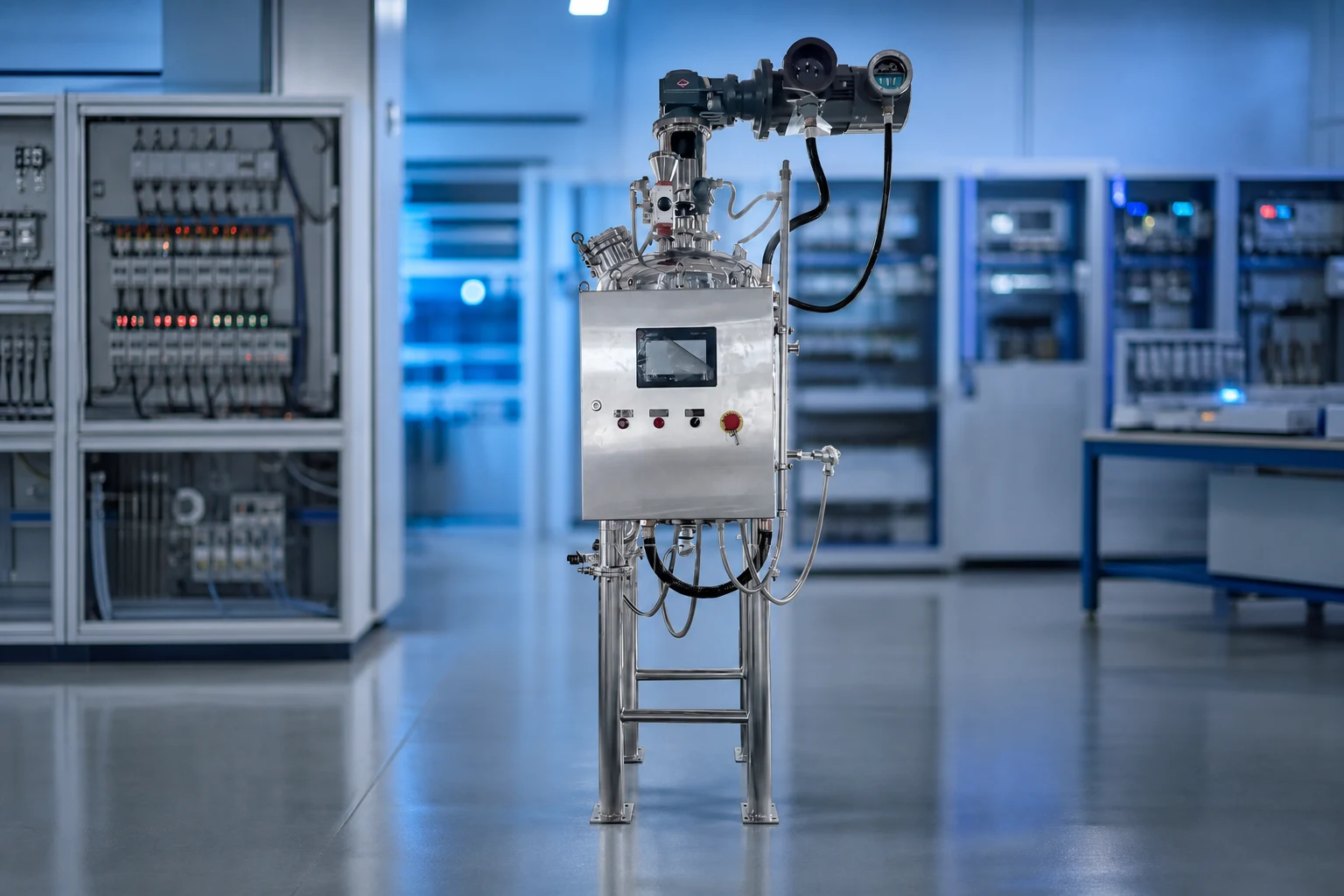
Нагреваемые вакуумные партии все еще могут использовать сосуды с рубашкой — сравните теплоносители в руководство по баку с электрическим нагревом и мешалкой или Руководство по закупке смесительного резервуара с масляной рубашкой когда удержание температуры является частью той же строки.
Часть 4. Какой уровень вакуума и время выдержки должны указывать покупатели?
Коммерческие предложения становятся размытыми, когда покупатели просят “вакуум” без абсолютное или избыточное давление, продолжительность удержания, и допустимая утечка. Укажите измеримые показатели.
| Тема запроса предложений | Спецификация примера | Почему это важно |
|---|---|---|
| Целевой вакуум | избыточное давление -0.08 МПа или эквивалент | Размеры насоса и конструкция резервуара |
| Время ожидания | 10 минут при целевой температуре после зарядки | Определяет рабочий цикл насоса |
| Состояние мешалки | Работающие мышцы в сравнении с расслабленными во время тяги верхнего блока | Влияет на траекторию схлопывания пены |
| Температура | Температура партии при вакуумировании | Паровая нагрузка на насос |
| Восстановление | Сбросить в атмосферу перед выхлопом? | Последовательность блокировки |
| Приборы | Вакуумметр, самописец, сигнализаторы | Документация о выпуске серии |
Важно: Нормы и правила проектирования сосудов под давлением и вакуумных сосудов, такие как Раздел VIII Котла и сосудов под давлением ASME применяйте, когда объем проекта включает в себя такие границы: указывайте внешнее давление или комбинированный режим давления/вакуума явно, а не предполагая соответствие по умолчанию.
Часть 5. Какие материалы и уплотнения подходят для пищевой промышленности, а какие — для косметической?
Нержавеющая сталь 304 или 316L Оболочки типичны. Материалы уплотнений должны выдерживать вакуумное циклирование, химия продуктов, и Моющие жидкости для CIP-мойки без утечки после повторяющихся партий.
| Обслуживание | Материальная отправная точка | Печать и проектные заметки |
|---|---|---|
| Пищевые соусы и молочные продукты | санитарные сварные швы из марок 304 или 316L | Эластомеры, допущенные FDA, согласно списку владельца |
| Косметика и кремы | 316L распространенный | Совместимость отдушек и ПАВ |
| Химические полупродукты | сплав 316L или выше | Трассировка вентиляционных линий для паров растворителей под вакуумом |
| Фармацевтический стиль | 316L + документированная отделка | Дублированное измерение вакуума там, где это требуется |
Внутренняя полировка и дренируемость влияют на качество очистки между вакуумными циклами. Остаток под мешалкой может задерживать газовые карманы, что увеличивает время откачки.
Часть 6. Что должно входить в запрос коммерческого предложения (RFQ) на вакуумный миксер-гомогенизатор?
Отправьте один комплексный пакет, объединяющий технологическую, вакуумную и механическую части.
| Раздел запроса коммерческих предложений | Примеры входных данных |
|---|---|
| Процесс | Наименование продукта, вязкость, объем партии, поведение пенообразования |
| Вакуум | Целевое давление, время выдержки, последовательность включения/выключения насоса |
| Агитация | Тип крыльчатки, диапазон скорости, чувствительность к сдвигу |
| Тепловой | Требования к куртке, температурный диапазон |
| Механический | Таблица штуцеров, смотровое стекло, лаз |
| Материалы | 304 против 316L, эластомер прокладки |
| Коммунальные услуги | Доступное электропитание для насоса и мешалки |
| Документация | P&ID, метод испытания на герметичность, чек-лист FAT |
Приложите краткое описание почему атмосферное перемешивание не удалось— высота пенообразования, тест на окисление или измерение растворенного газа — чтобы поставщики могли предложить эмульсификатор сосуд класса или интегрированная вакуумная упаковка.
Часть 7. Какие ошибки в выборе размера возникают и какие линии YIYI подходят?
Проблемы на местах часто восходят к маломощные вакуумные насосы (скорость утечки не учитывается), крутящий момент мешалки указано для вязкости воды, или тюлени которые не были рассчитаны на полные циклы вакуумирования.
| Ошибка | Полевой симптом | Профилактика |
|---|---|---|
| Насос рассчитан только на откачку пустого резервуара | Никогда не достигает цели с батчем | Объем партии и нагрузка по парам |
| Объем испытаний на герметичность не предусмотрен | Медленное опускание через несколько месяцев | Критерии утечки при принятии запроса |
| Атмосферное рабочее колесо на геле | Плохое обновление поверхности | Подберите мешалку в зависимости от вязкости |
| Отсутствует блокировка вентиляции | Продукт затянут в линии | Последовательность стравливания перед сбросом |
Граница соответствия: Вакуумные смесительные емкости подходят для партий, склонных к пенообразованию и чувствительных к дегазации. Они являются неэффективным выбором по умолчанию для простого смешивания низкой вязкости без риска ухудшения качества, связанного с воздухом.
YIYI публикует такие примеры, как эмульсификатор для эмульсионно-ориентированных судов и вакуумный эмульсирующий гомогенизатор когда гомогенизация под вакуумом входит в техническое задание. Подтвердите производительность и параметры вакуума на странице конкретного артикула. Что касается компоновок, Запросить расчет стоимости с разделами Части 6.
ЧаВо
В чем разница между вакуумным миксером (емкостью для вакуумного смешивания) и атмосферным смешиванием?
Атмосферные резервуары смешивают при примерно атмосферном давлении в надпространстве. Резервуары для вакуумного смешивания снижают давление в надпространстве во время перемешивания для дегазации, пеногашения или ограничения воздействия кислорода.
Нужны ли вакуумные системы всем смесительным емкостям?
Нет. Многие партии нормально смешиваются при атмосферном давлении. Вакуум оправдан, когда пена, газ или кислород приводят к ухудшению качества.
Как вакуум уменьшает количество пены в соусах и кремах?
Более низкое давление в надголовном пространстве снижает стабильность пузырьков и помогает газам покинуть жидкую фазу, особенно когда перемешивание обновляет поверхность.
Какое вакуумное давление должно быть в ВЧХ (квадрупольном ускорителе)?
Укажите манометрическое или абсолютное давление, время выдержки и то, работает ли мешалка во время вакуумирования. Избегайте неконкретизированных требований “полный вакуум”.
Одинаковы ли вакуумный гомогенизатор-эмульгатор и вакуумный смесительный резервуар?
Не всегда. Эмульсифицирующие смесители обеспечивают высокосдвиговую гомогенизацию для получения мелких капель. В вакуумных смесительных емкостях для дегазации может использоваться умеренный сдвиг в сочетании с вакуумом — см. руководство по вакуумным эмульсифицирующим смесителям для приготовления эмульсий.
Какие материалы должны указывать пищевые предприятия?
304 или 316L с санитарными сварными швами и эластомерами, допущенными для контакта с продуктом и безразборной мойки (CIP). Соответствует стандартам заказчика, таким как Санитарные нормы 3-A где применимо.
Какие уплотнения и порты имеют значение в условиях вакуума?
Уплотнения вала, прокладки лаза и клапаны штуцеров должны удерживать вакуум при температурных циклах. Запрашиваю испытание на герметичность и комплект запасных уплотнений.
Когда покупателям следует читать руководство по вакуумному гомогенизирующему смесителю?
Когда основной целью является получение стабильных эмульсий типа «масло в воде» или «вода в масле» для кремов, соусов или гелей в условиях вакуумного сдвига.
Ссылки
- Раздел VIII Бойлеры и сосуды под давлением Кодекса ASME — давление в сосуде и диапазон вакуума, если применимо
- Санитарные стандарты 3-A — требования к санитарному оборудованию для владельцев предприятий пищевой и молочной промышленности
- Spirax Sarco — Узнайте о паровых и технологических инженерных сетях — контекст общезаводских коммуникаций для линий с обогревом и вакуумных технологических линий