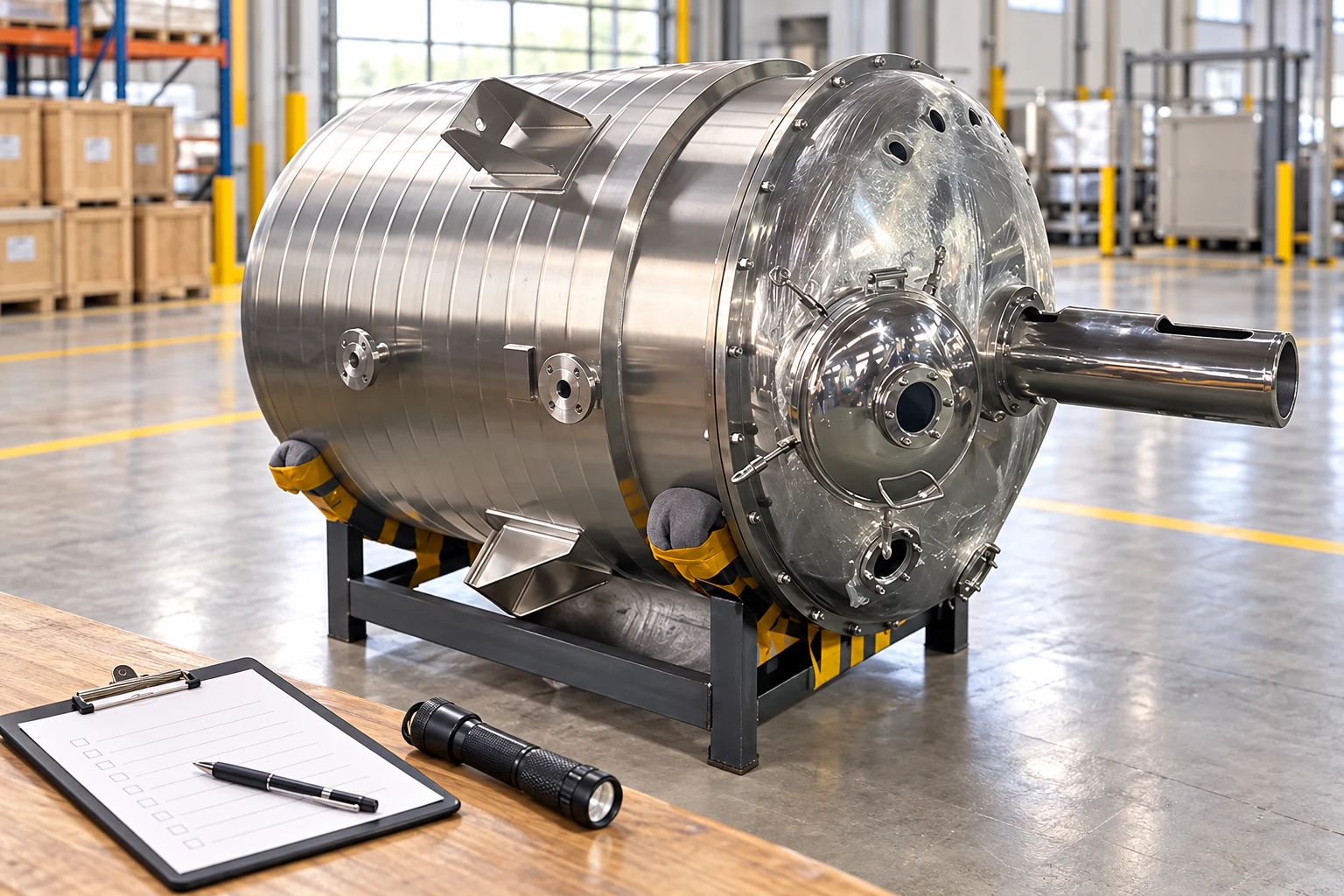
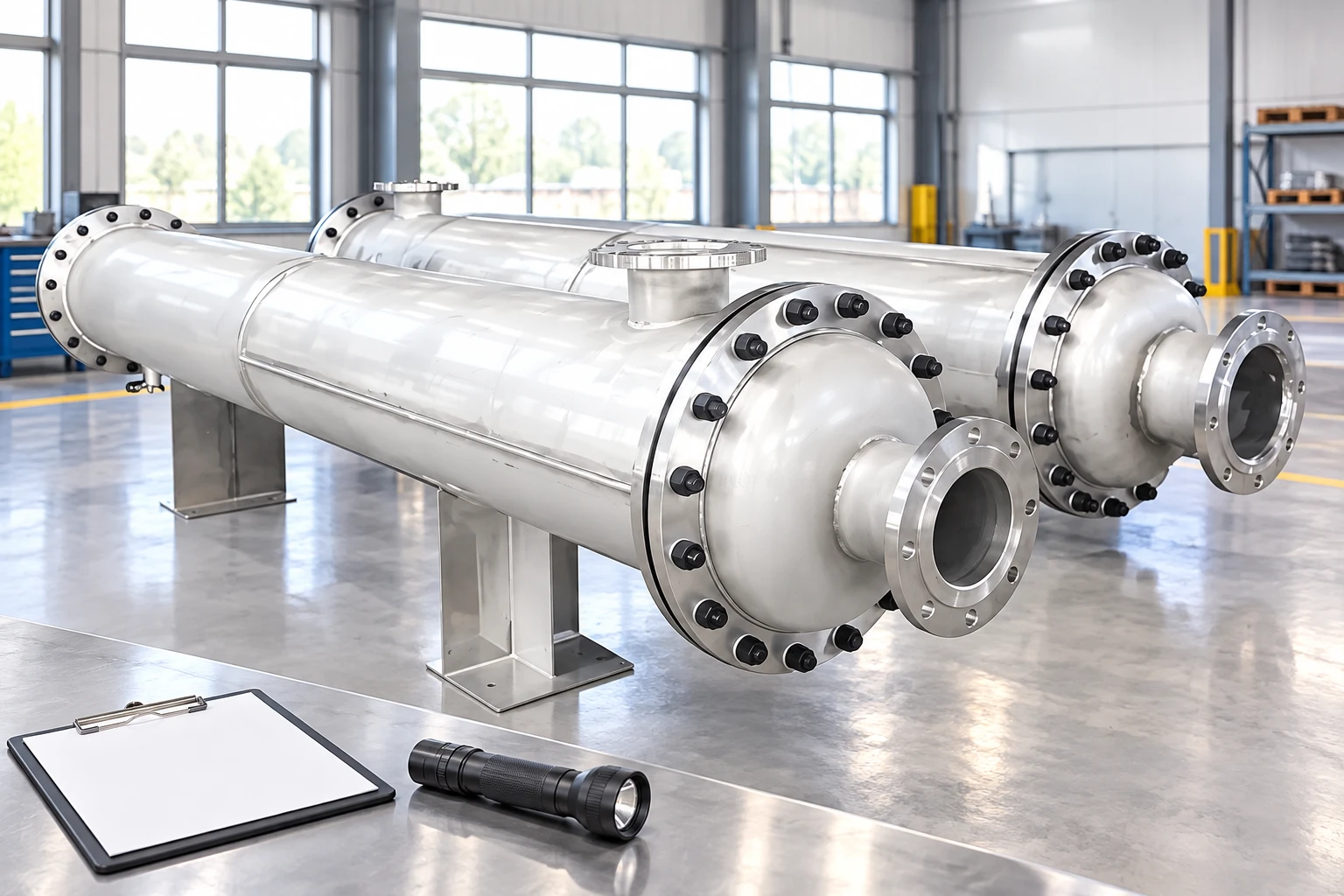
A magnetic mixing tank is specified when the plant cares as much about containment and contamination control as it cares about blend uniformity. Sensitive products—sterile-leaning batches, odor-critical actives, solvent-bearing intermediates, or formulations that cannot tolerate seal flush intrusion—often push buyers away from conventional shaft seals. Magnetic coupling moves the drive torque through a sealed barrier so there is no rotating shaft penetrating the vessel wall.
This guide focuses on seal-free agitation advantages, hygiene-oriented RFQ inputs, and fit boundaries for a magnetic mixing tank in product service.
For a broader industrial overview of magnetic stirrer tanks, see the magnetic stirrer tank buyer guide. Reaction-vessel magnetic stirring is covered separately in the magnetic stirring reaction vessel guide.
Dispersion and high-shear duties remain outside this scope; use the high shear mixing tank dispersion guide when shear intensity dominates.
Part 1. Define the Magnetic Mixing Tank Duty for Sensitive Products
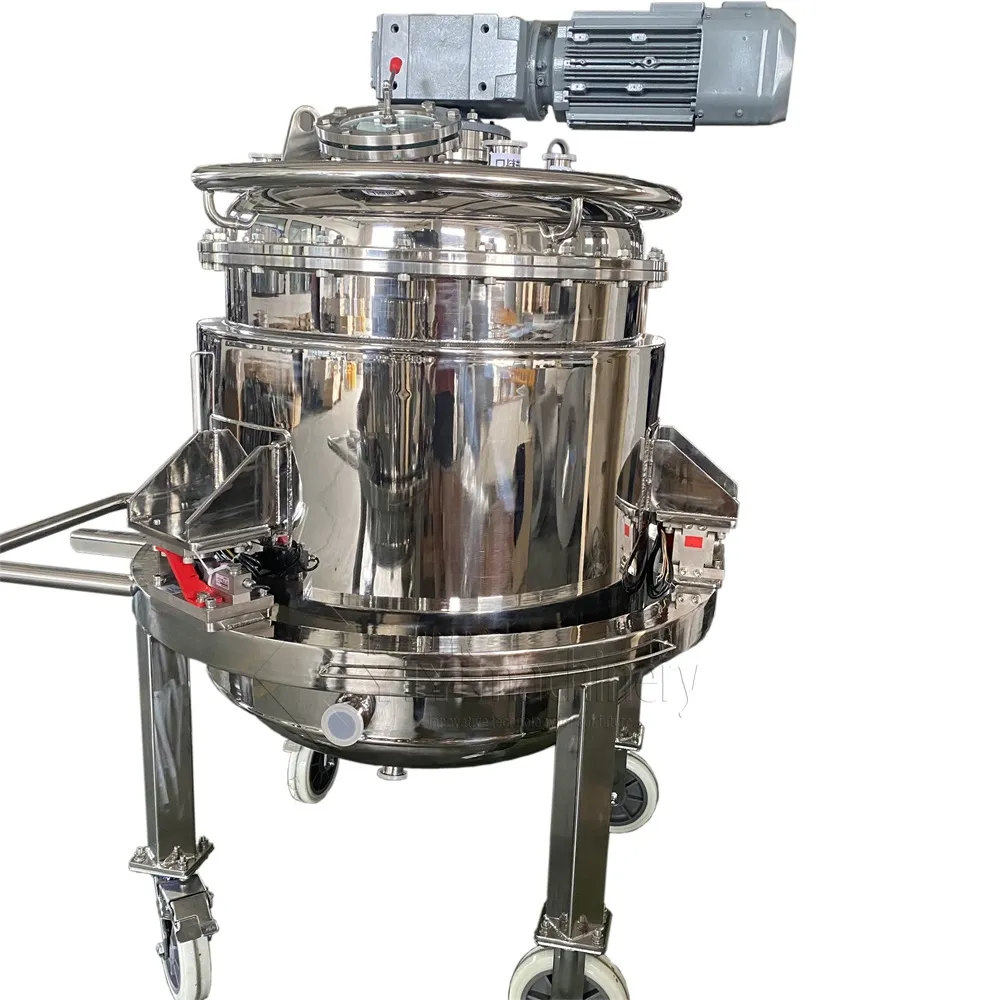
A magnetic mixing tank is a process vessel whose agitator is driven through a magnetic coupling rather than a shaft that exits the tank through a mechanical seal or packing. Procurement should start with the product story: what can leave the tank, what must not enter the tank, and which hygiene class the plant must defend. Seal-free architecture is a containment decision first; impeller geometry is secondary until that decision is clear.
Name the sensitive attributes that justify magnetic coupling. Typical drivers include intolerance to seal flush or lubricant migration, solvent vapor control, odor retention, low bioburden targets, or operator exposure limits around shaft seal housings. Also name what the tank is not: if the duty is a pressurized chemical reaction with reactor documentation needs, keep the RFQ on the reaction-vessel track instead of stretching a mixing-tank package.
| Duty input | What to record | Why it matters |
|---|---|---|
| Product family | SKUs sharing the vessel | Sets contamination and changeover rigor |
| Sensitivity driver | flush, odor, solvent, bioburden | Justifies magnetic coupling vs shaft seal |
| Working volume | min/max fill | Sets impeller coverage and coupling placement |
| Hygiene class | food, pharma-adjacent, chemical | Sets finish and documentation |
| Batch pattern | single product vs multi-SKU | Drives CIP and COP expectations |
Link the mixing tank product family early so bidders share category context, then keep the RFQ focused on seal-free containment and cleanability rather than catalog aesthetics.
Part 2. Explain Seal-Free Magnetic Coupling and Leak-Path Control
Magnetic coupling transmits torque across a sealed barrier wall or canister. The external drive magnets turn the internal rotor magnets without a rotating shaft crossing into the product space.
That architecture removes the classic dynamic shaft-seal leak path through the head or nozzle. It does not remove every static gasket, manway, or instrument seal—buyers still need a full leak-path register.
Document leak paths the plant cares about: shaft seal (removed or retained), manway gasket, sample valve, sight glass, nozzle flanges, and any drain or CIP connections. Ask each bidder to state how the magnetic canister or barrier is cooled or monitored if the design requires it, and how the internal rotor is retained for service. Avoid inventing torque, RPM, or seal-life numbers; request the vendor rated envelope against your duty sheet instead.
| Leak-path item | Magnetic mixing tank note | Buyer action |
|---|---|---|
| Rotating shaft seal | Typically eliminated at the drive penetration | Confirm barrier integrity design |
| Manway / nozzle gaskets | Still present | Specify gasket materials and torque procedure |
| Sample / drain valves | Still present | Prefer free-draining valves |
| Instrument seals | Still present | Align with CIP chemistry |
| Magnetic barrier / canister | New component | Ask for inspection and service access |
When plants compare drive architectures side by side, the companion procurement article on magnetic agitator versus top-entry mixer selection should be used after this containment brief is complete. Cycle-time and CIP sequencing details for multi-SKU batch tanks are expanded in the batch mixing tank cycle time and CIP RFQ guide.
Part 3. Map Hygiene, CIP, and Product-Contact Boundaries

Hygiene intent belongs in the RFQ as plant-owned acceptance criteria plus equipment features—not as a vendor sterilization certificate.
When food-contact rules apply, buyers should map local hygiene programs to published guidance such as the FDA Food Code. Cleanable geometry and finish help that work; they do not certify sanitary design, cleaning validation, or regulatory outcomes for a specific facility.
Hygienic design discussions can also use EHEDG framing when the plant wants a shared vocabulary for drainability and cleanability.
Require a product-contact list: shell, impeller, magnetic rotor wet parts, barrier materials, elastomers, and any submerged fasteners. State CIP or COP chemistry, temperature, and whether the magnetic rotor zone must be cleaned in place without full disassembly. Ask how spray devices cover the underside of the rotor and any rinse shadows created by baffles or dip pipes.
Important: A magnetic mixing tank can reduce shaft-seal contamination risk, but it does not guarantee sterile processing, validated CIP clearance, allergen-free changeover, or regulatory compliance for a specific plant — see FDA Food Code hygiene responsibility framing; outcomes still depend on procedure ownership and site validation.
| Cleanability input | Buyer note |
|---|---|
| Surface finish | product-contact Ra target if required |
| Drainability | bottom outlet slope and dead-leg limits |
| Spray devices | coverage at working and empty states |
| Magnetic rotor rinse | how the coupling zone is cleaned |
| Elastomer compatibility | product and CIP chemistry together |
Part 4. Set Torque, Viscosity, and Solids Fit Boundaries Without Invented Ratings
Magnetic couplings have practical limits. High viscosity, dense suspensions, rapid start under load, or frequent overload trips can make a direct top-entry sealed agitator the more honest fit. The RFQ should describe rheology and solids qualitatively and ask vendors to propose a rated coupling envelope—without the buyer inventing torque, RPM, or seal-life figures that cannot be evidenced.
Provide starting and running duty notes: filled start versus empty start, intermittent high-load events, temperature during mix, and whether solids settle when agitation stops. Ask for slip or decoupling behavior explanations so operators know what a trip looks like. If heavy-duty impeller torque dominates the project, review the heavy duty mixing tank torque and impeller guide for drive-selection language that still belongs outside fabricated numeric claims.
| Send with quote | Example entry |
|---|---|
| Viscosity band | qualitative range and temperature |
| Solids / slurry notes | settleable, abrasive, fibrous |
| Start condition | filled, partial, or empty |
| Temperature / pressure | operating envelope |
| Hygiene / CIP chemistry | agents and max temperature |
| Acceptance for containment | no shaft seal preferred / required |
Do not treat magnetic coupling as automatically superior for every sensitive product. If the recipe needs aggressive dispersion energy, keep high-shear options on a separate line item rather than forcing a magnetic mixing tank to do work it was not selected for.
Part 5. Specify Materials, Finishes, and Instrumentation for RFQ
Material selection follows product chemistry and cleaning chemistry together. Stainless grades, barrier alloys, and elastomers must survive both. If the vessel is pressure-rated or jacketed, name the code expectation and keep documentation ownership clear; ASME BPVC framing applies when stamped pressure equipment is in scope, but published mixing-tank pages are not a code stamp.
Finish and weld quality affect residue release around the magnetic rotor zone. If the plant specifies polish or electropolish class, put inspection method in the RFQ. Instrumentation should include temperature, level or load indication, agitator status, and any magnetic drive monitoring the vendor recommends—without implying those sensors certify process quality.
Operators need safe access for inspection after CIP. Include manway height, platform needs, and rotor service clearance.
Access gaps create unofficial delays and incomplete cleaning that never appear on the process sheet. When blending versus dedicated mixing roles are still undecided at plant level, cross-check the blending tank versus mixing tank vessel roles guide without expanding this RFQ into a full line-layout study.
Part 6. Compare When Top-Entry Sealed Agitators Still Fit
Top-entry sealed agitators remain appropriate when torque demand is high, viscosity or solids exceed practical magnetic coupling envelopes, seal flush systems are already validated, or spare-parts strategy favors conventional mechanical seals. Sensitive product service alone does not force magnetic coupling if the plant already controls seal flush quality and leak detection.
Use a decision lens: containment priority, maintenance access, CIP complexity, overload risk, and spare strategy. Magnetic mixing tanks shine when eliminating the rotating shaft seal is worth accepting coupling limits and rotor-zone cleaning discipline. Sealed top-entry mixers shine when power density and service familiarity outweigh seal-housing hygiene work.
Keep reaction-vessel procurement separate. If the vessel must support pressurized reactions, sampling under pressure, or reactor documentation packs, follow the reaction-vessel guide rather than renaming a magnetic mixing tank into a reactor. Mixing-tank magnetic coupling and reaction-vessel magnetic stirring share physics but not the same RFQ package.
Part 7. Choose Magnetic Mixing Tank Configuration and Submit the RFQ
Review the mixing tank product family for category options, then use a published mixing tank configuration reference as a discussion baseline after the containment and hygiene brief is complete. Published pages do not replace a plant-specific cleanability review, sterile validation, or coupling sizing study.
Ask each bidder for general arrangement drawings, magnetic coupling description, materials and finish, impeller scope, CIP device list, drain plan, controls boundary, service access for the rotor zone, and exclusions. When the duty sheet is ready, contact YIYI with product sensitivity drivers, viscosity/solids notes, and CIP chemistry for engineering review.

FAQs
What is a magnetic mixing tank in procurement terms?
It is a mixing vessel whose agitator is driven by magnetic coupling so torque crosses a sealed barrier without a rotating shaft seal through the vessel wall, quoted against a defined working volume, hygiene class, and containment goal.
How does magnetic coupling reduce shaft-seal leak risk?
It removes the dynamic shaft penetration that normally needs a mechanical seal or packing. Static seals on manways, valves, and instruments still require specification and maintenance.
When is a magnetic mixing tank a poor fit?
It is often a poor fit for very high viscosity, dense or abrasive slurries, frequent overload starts, or duties that need aggressive high-shear dispersion beyond the coupling envelope the vendor can rate.
What cleanability details belong in the RFQ?
Include surface finish targets, drain points, spray coverage, magnetic rotor-zone rinse approach, elastomer compatibility with product and CIP chemistry, and who owns cleaning validation.
Should buyers request magnetic torque ratings in the RFQ?
Yes—request the vendor rated coupling envelope against your viscosity, solids, and start conditions. Do not invent plant torque, RPM, or seal-life numbers without evidence.
How does this guide differ from a magnetic reaction vessel article?
This guide targets mixing-tank product service and seal-free containment RFQs. Reaction-vessel magnetic stirring for pressurized or reaction documentation scopes belongs in the dedicated reaction-vessel guide.
References
- FDA Food Code — hygiene program responsibility framing
- EHEDG — hygienic design vocabulary for cleanability discussions
- ASME codes and standards — pressure-equipment context when stamped scope applies