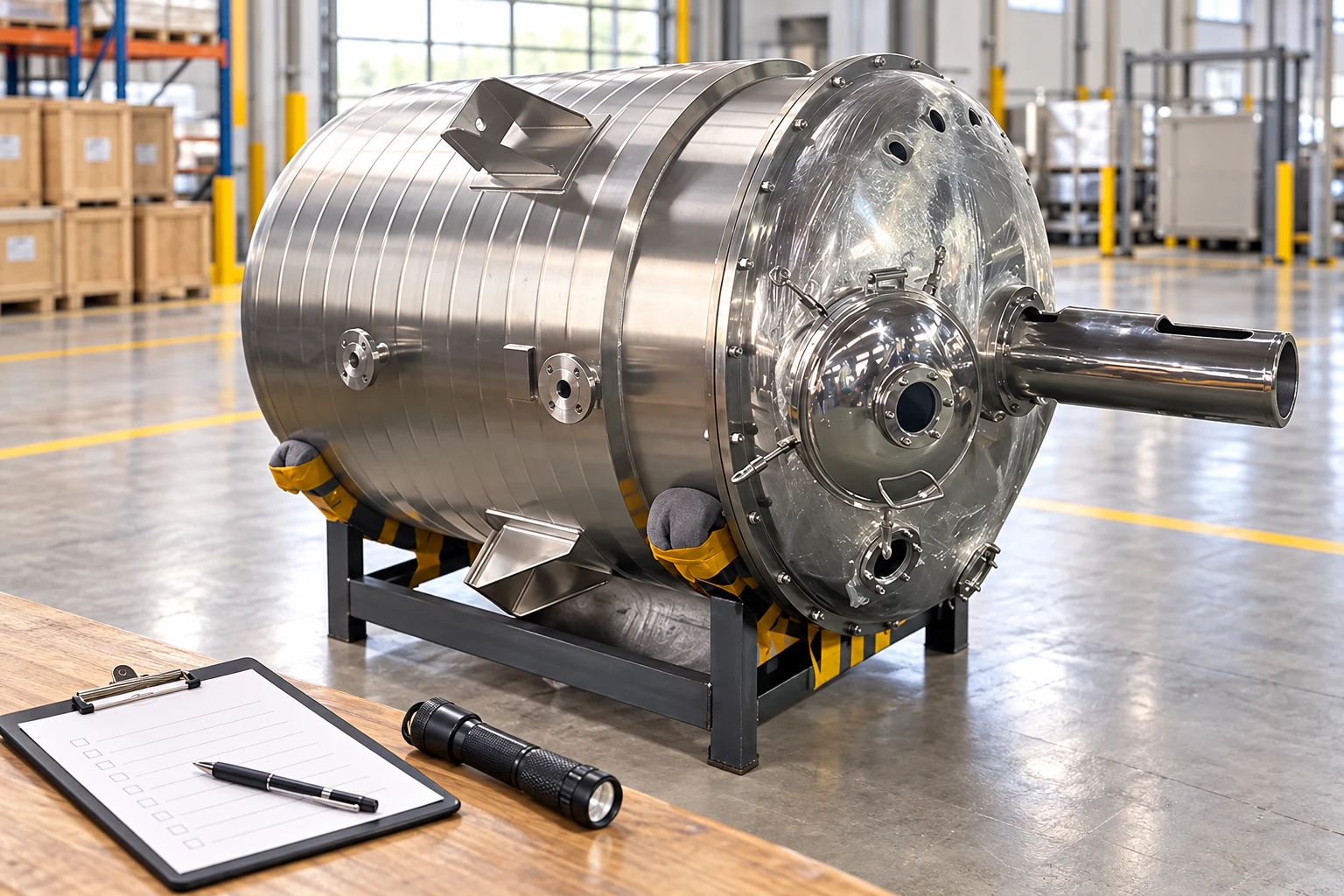
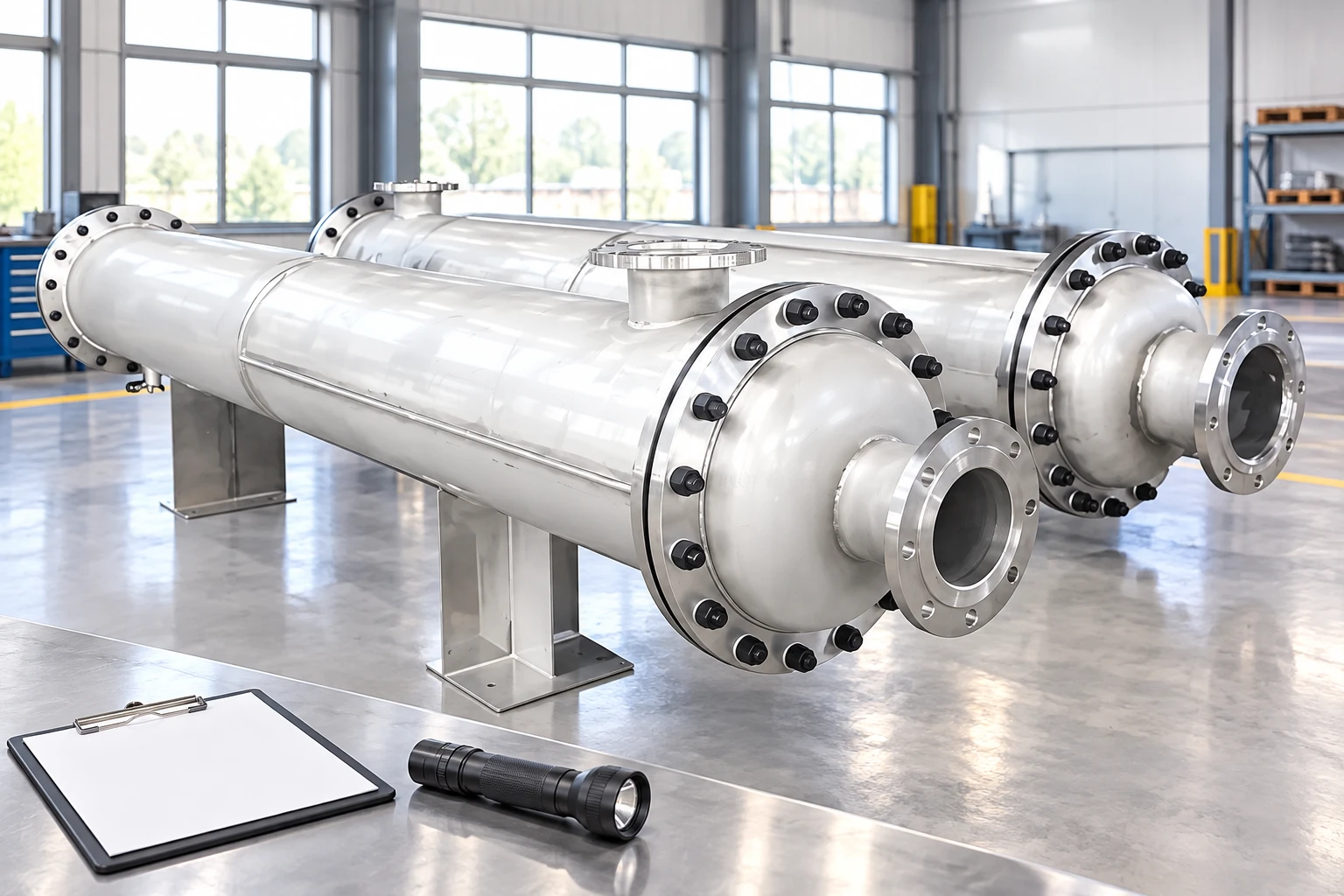
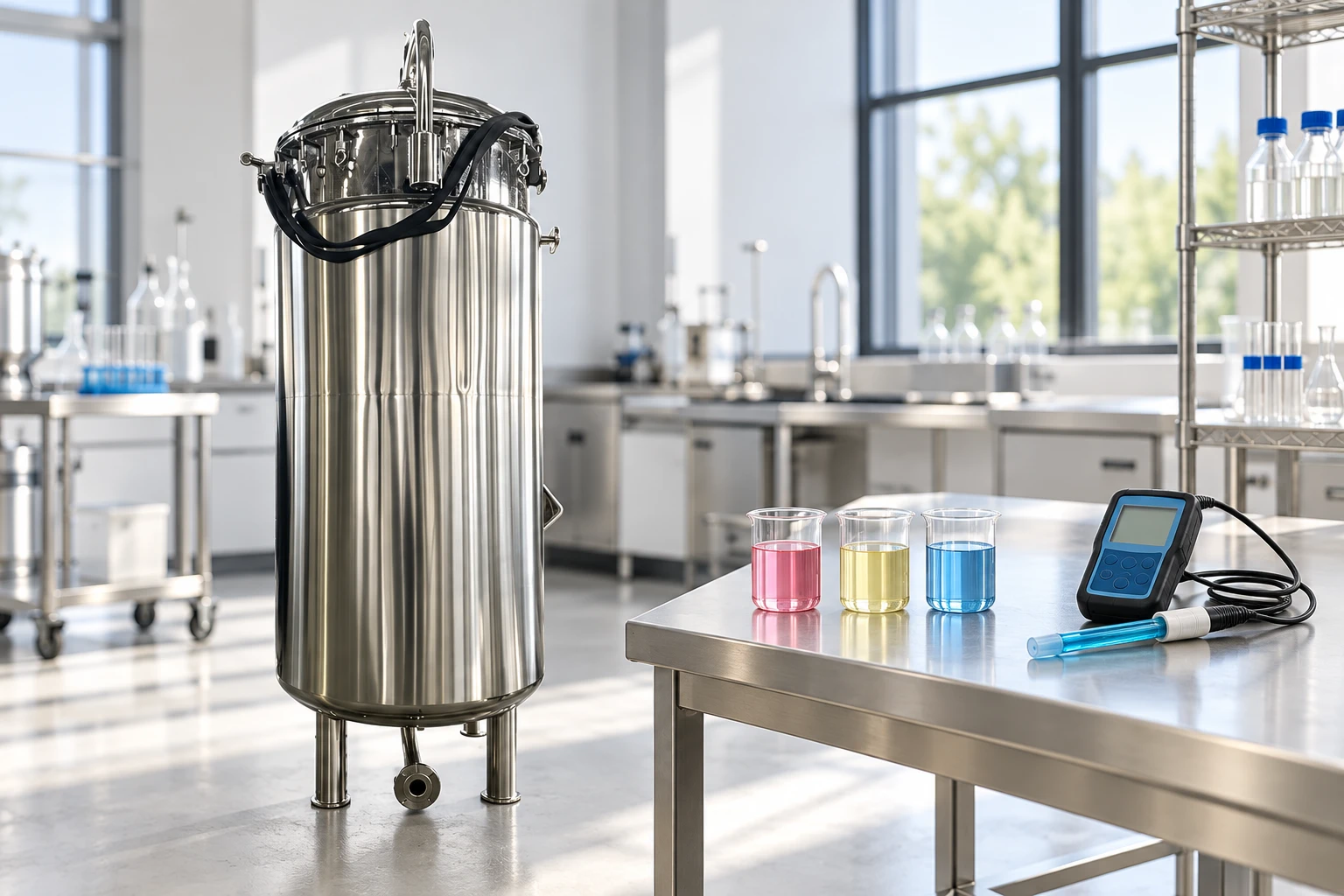
An oil jacketed mixing tank heats or holds batch temperature by circulating heat transfer fluid through a vessel jacket while product is blended inside. Buyers specify these tanks for heated blending—melting, dissolving, or maintaining viscosity-friendly temperature—without routing plant steam to a remote skid or placing immersion heaters in the product zone.
This guide covers jacket geometry, circulation loops, utility comparisons, and RFQ lines for procurement teams. Product examples reference published YIYI INTELLIGENT mixing tank SKUs; maximum oil temperature, pump model, and certification scope must be confirmed on the project quotation.
Part 1. What is an oil jacketed mixing tank?
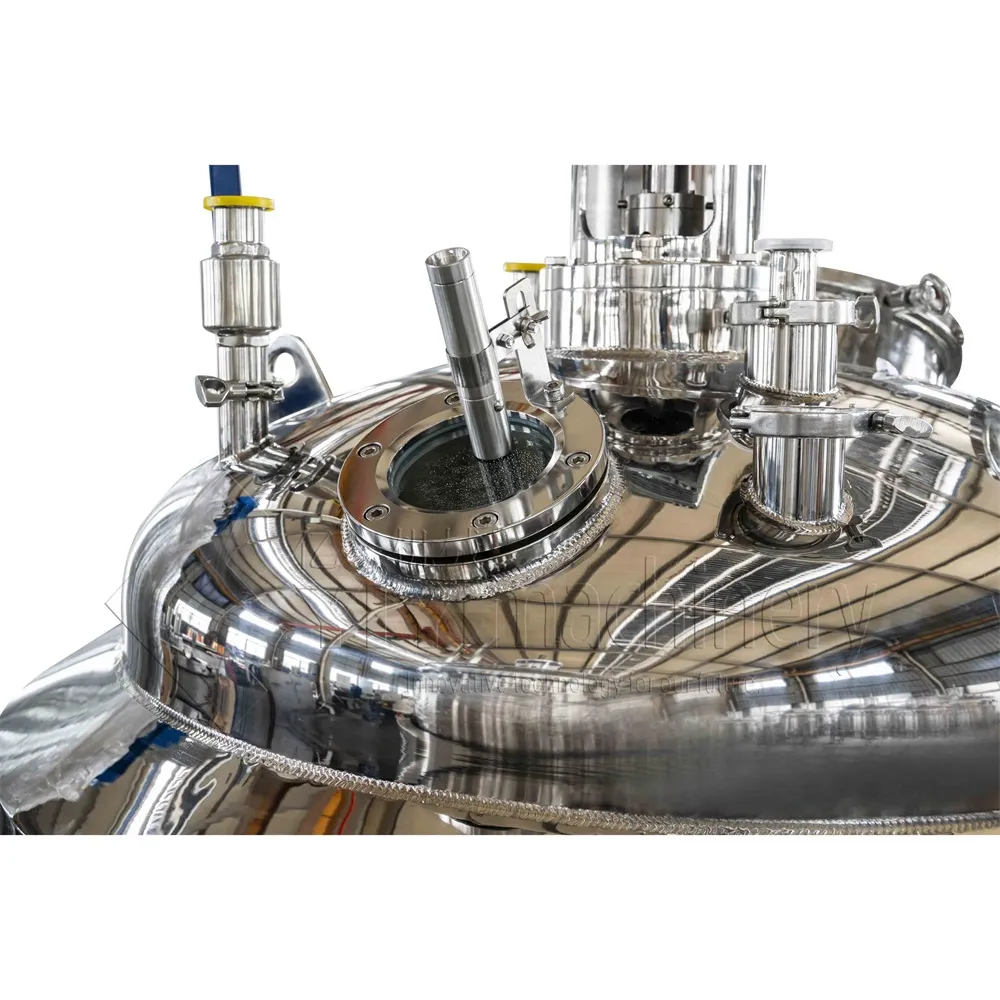
The vessel includes a jacket channel around the shell (or a coil arrangement) through which heated oil or other transfer fluid flows. Product stays on the process side of the wall; the oil does not contact batch fluid when the jacket is intact. An agitator is often bundled for heated blending, but some quotes sell the jacketed vessel separately from the agitation package—clarify scope in the RFQ.
| Term | Meaning for buyers |
|---|---|
| Oil jacketed mixing tank | Vessel + oil-heated jacket (+/- agitator) |
| Thermal oil heating stirrer tank | Emphasis on integrated stirrer + oil loop for viscous duty |
| Heated blending | Mixing while temperature is held or ramped |
Browse stainless steel mixing tanks for capacity families, then specify whether you need vessel only, vessel with agitator, or a complete circulation skid.
Part 2. How does the oil jacket and circulation loop work?
A circulation pump moves hot fluid from the heater through jacket passages. Heat conducts through the wall into product. Agitation pulls viscous fluid away from the wall, reducing hot spots that can caramelize or degrade sensitive ingredients.
| Stage | Function | Buyer question |
|---|---|---|
| Heater | Raises oil temperature | Electric, gas, or waste-heat source? |
| Pump | Maintains jacket flow | Required flow rate vs pressure drop |
| Expansion tank | Accommodates fluid volume change | Venting and level monitoring |
| Control | Holds setpoint | PID zones, sensor redundancy |
| Safety | Limits overheating | High-limit cutouts, low-flow interlocks |
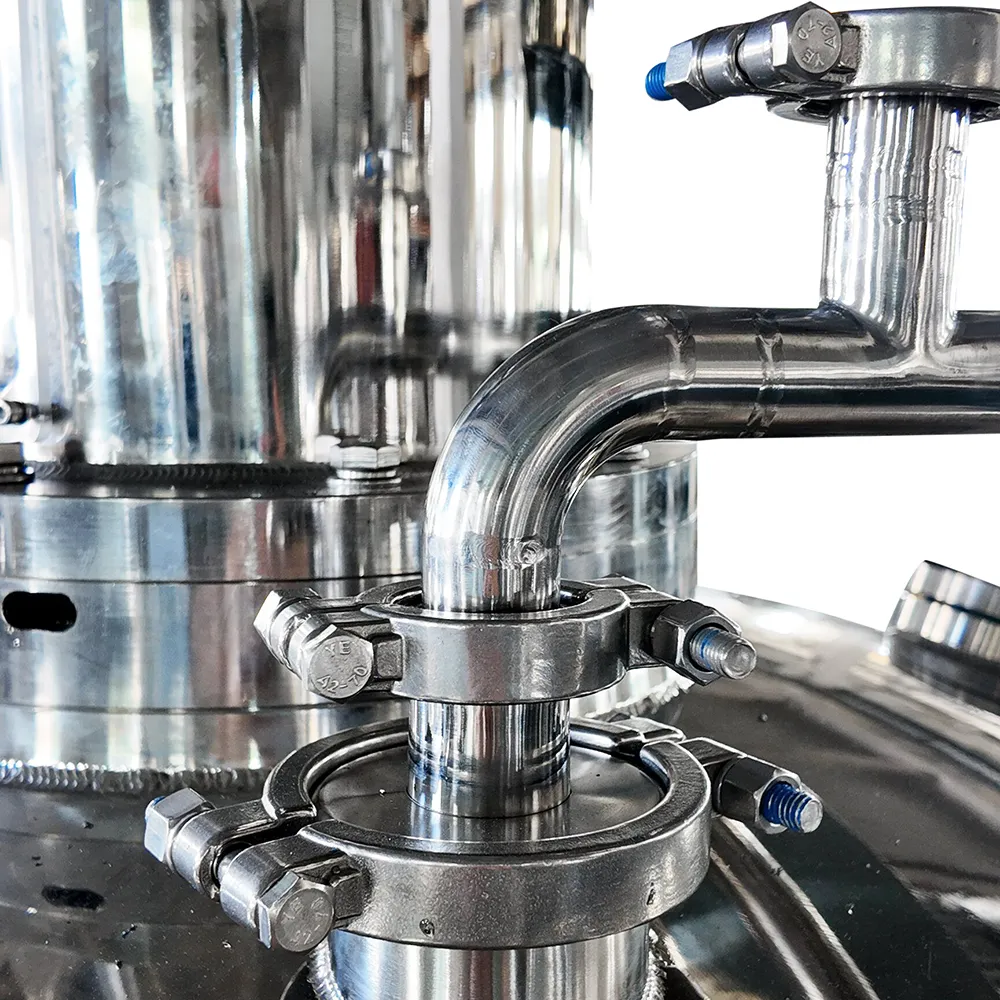
Jacket types include dimple, half-pipe, and full jackets. Request jacket volume, maximum allowable jacket pressure, and hydrotest scope when the vessel falls under rules such as ASME BPVC Section VIII. General heated-tank background appears in heating and stirring tanks.
Part 3. When is an oil jacket preferable to steam or electric heat?
Oil jackets attract buyers who want stable jacket temperature on viscous batches, packaged loops on standalone skids, or no steam condensate at the vessel. Steam jackets remain strong when plant steam is mature and cheap at the tie-in. Electric jackets remain strong for moderate duty without a fluid loop.
| Criterion | Oil jacketed mixing tank | Steam jacket | Electric jacket |
|---|---|---|---|
| Condensate handling | None at vessel | Traps and return required | None |
| High-temperature hold | Strong with sized loop | Good with stable steam | Element cycling |
| Remote skid packaging | Closed loop ships with vessel | Needs steam piping | Simple electrical tie-in |
| Viscous blending | Good with anchor agitators | Good when steam is available | Slower wall heat on thick product |
| Utility on site | Heater fuel or electricity | Steam boiler | Electrical supply |
Compare steam integration in the steam heating stirrer tank vs jacketed mixing tank guide and electric scope in the electric heating stirrer tank buyer’s guide. For viscous stirrer-heavy duty with full loop detail, see the thermal oil heating stirrer tank selection guide.
Part 4. What loop components should buyers specify?
A quotation that lists only “oil jacket” without loop boundaries leaves gaps in commissioning. List components explicitly.
| Component | RFQ detail | Risk if omitted |
|---|---|---|
| Heater | kW or fuel input envelope | Undersized heat-up |
| Pump | Flow, head, seal material | Poor jacket flow; hot spots |
| Piping materials | Carbon steel vs stainless | Compatibility with thermal fluid |
| Expansion tank | Volume and vent path | Overpressure events |
| Control panel | Zones, alarms, chart recorder | Batch traceability gaps |
| Fill and drain | Oil grade, initial charge | Warranty disputes |
Important: State whether product is shear-sensitive or temperature-sensitive. Oil jackets can hold temperature well, but agitator choice still dominates quality outcomes on creams, resins, and food sauces (see agitator notes in Part 5 and heating and stirring tanks).
Part 5. Which materials and agitator types fit heated blending?
Shell materials are typically 304 or 316L stainless steel. Gaskets and seals must match both product chemistry and peak oil temperature at the wall interface.
| Service | Material starting point | Agitator notes |
|---|---|---|
| Food sauces and dairy | 304 or 316L sanitary | Anchor or scrape-wall for viscosity |
| Cosmetics and gels | 316L common | Lower shear options for emulsions |
| Resins and adhesives | 316L or higher alloy | Ribbon or anchor; venting for solvents |
| Pharmaceutical intermediate | 316L + documented finish | Redundant sensors where owners require |
Sanitary expectations for food owners may reference 3-A sanitary standards where applicable. Internal drainability and polish reduce cleaning time and overheated heels during heated holds.
Part 6. What belongs in an oil jacketed mixing tank RFQ?
Procurement teams should send one package that covers process, loop, and mechanical interfaces.
| RFQ section | Example inputs |
|---|---|
| Process | Product, viscosity, batch volume, heat-up and hold times |
| Thermal fluid | Preferred oil grade or supplier allowance |
| Jacket | Type, MAWP, insulation, design temperature |
| Loop | Heater type, pump duty, expansion tank scope |
| Agitation | Impeller type, speed, torque band |
| Electrical | Voltage, hazardous area (if any) |
| Materials | 304 vs 316L, elastomers, internal finish |
| Documentation | P&ID, loop diagram, FAT checklist |
Attach viscosity data—even cup measurements at two temperatures—so suppliers size agitators and jackets together. For jacket visibility during heated trials, reference classes such as the heated mixing tank with sight glass jacket; for mid-size batches, the 800L stainless steel mixing tank illustrates capacity context.
Part 7. What quoting mistakes appear, and which YIYI lines fit?
Quotes fail when jacket area is sized for water-like heat transfer but product is viscous, when loop heater is excluded from scope, or when agitator power is missing from the heated blending duty.
| Mistake | Field symptom | Prevention |
|---|---|---|
| Vessel-only quote | No heat-up capability | Request integrated loop scope |
| Undersized pump | Jacket hot spots | State required temperature uniformity |
| Wrong oil grade assumed | Degraded fluid, odors | Specify fluid or approval process |
| Missing low-flow interlock | Overheated oil | Require safety device list |
Fit boundary: Oil jacketed mixing tanks fit heated blending with stable jacket control. They are not automatic winners when steam is already standardized at lower operating cost, or when a small electric jacket covers intermittent low duty.
YIYI publishes examples such as the heated mixing tank with sight glass jacket and 800L stainless steel mixing tank in the mixing tank range. Confirm oil temperature limits, agitator scope, and materials on the exact SKU page. For layouts that bundle viscous stirrer duty with a full thermal oil loop, cross-check the thermal oil heating stirrer tank selection guide. Request a quote with Part 6 sections for project-specific packages.
FAQ
What is the difference between an oil jacketed mixing tank and a standard mixing tank?
A standard mixing tank may have no heat source. An oil jacketed mixing tank adds a jacket and circulation loop to heat or hold temperature during blending.
Is thermal oil the same as an oil jacketed mixing tank?
Thermal oil is often the heat transfer fluid. The tank is the vessel and jacket; the loop may include heater, pump, and controls. Viscous stirrer-heavy lines may need the dedicated thermal oil heating stirrer tank guide.
Do oil jacketed tanks need a separate heater skid?
Most heated blending packages include a heater and pump unless the buyer connects to a plant hot-oil system. State whether the quote is vessel-only or turnkey loop.
Can oil jackets cool as well as heat?
Some jacketed tanks support cooling duty with chilled fluid in the same passages. State dual-duty requirements in the RFQ.
What viscosity data should buyers attach to an RFQ?
Provide cup or rheometer data at minimum two temperatures, plus target heat-up minutes and hold time.
How do oil jackets compare with steam on standalone skids?
Oil loops package without condensate at the vessel, which helps remote skids. Steam may win on operating cost when a plant header is already available—see the steam comparison article.
What safety devices belong on the circulation loop?
Typical requests include high-temperature cutouts, low-flow interlocks, expansion tank protection, and relief devices per supplier and owner standards.
When should buyers read the thermal oil heating stirrer tank guide?
When viscosity is high and integrated agitator plus loop sizing dominates the project, use the thermal oil stirrer guide for deeper loop and impeller detail.
References
- ASME BPVC Section VIII — Pressure Vessels — vessel and jacket pressure scope when applicable
- 3-A Sanitary Standards — sanitary equipment expectations
- OSHA — Occupational safety overview — general hot-system hazard awareness framing