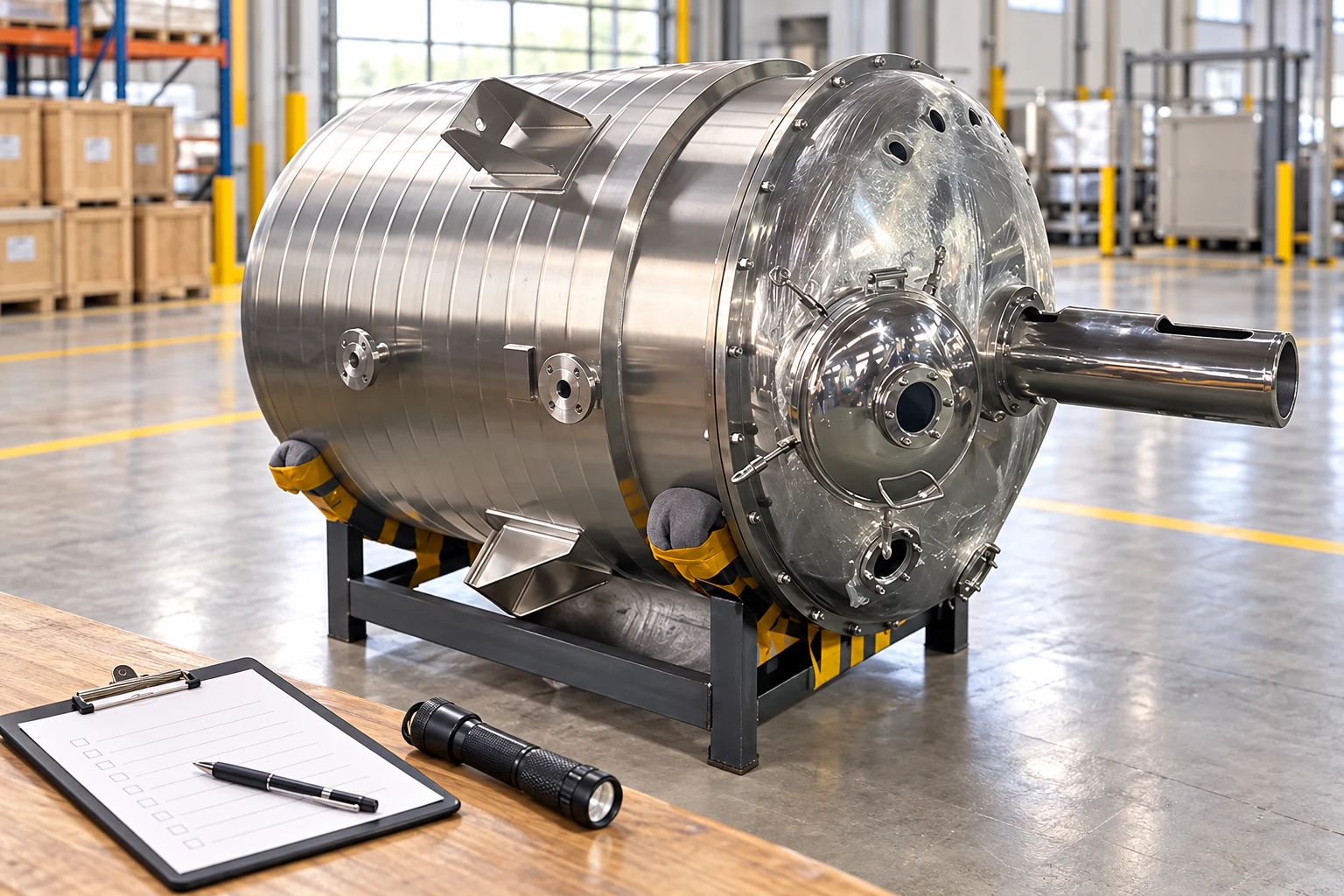
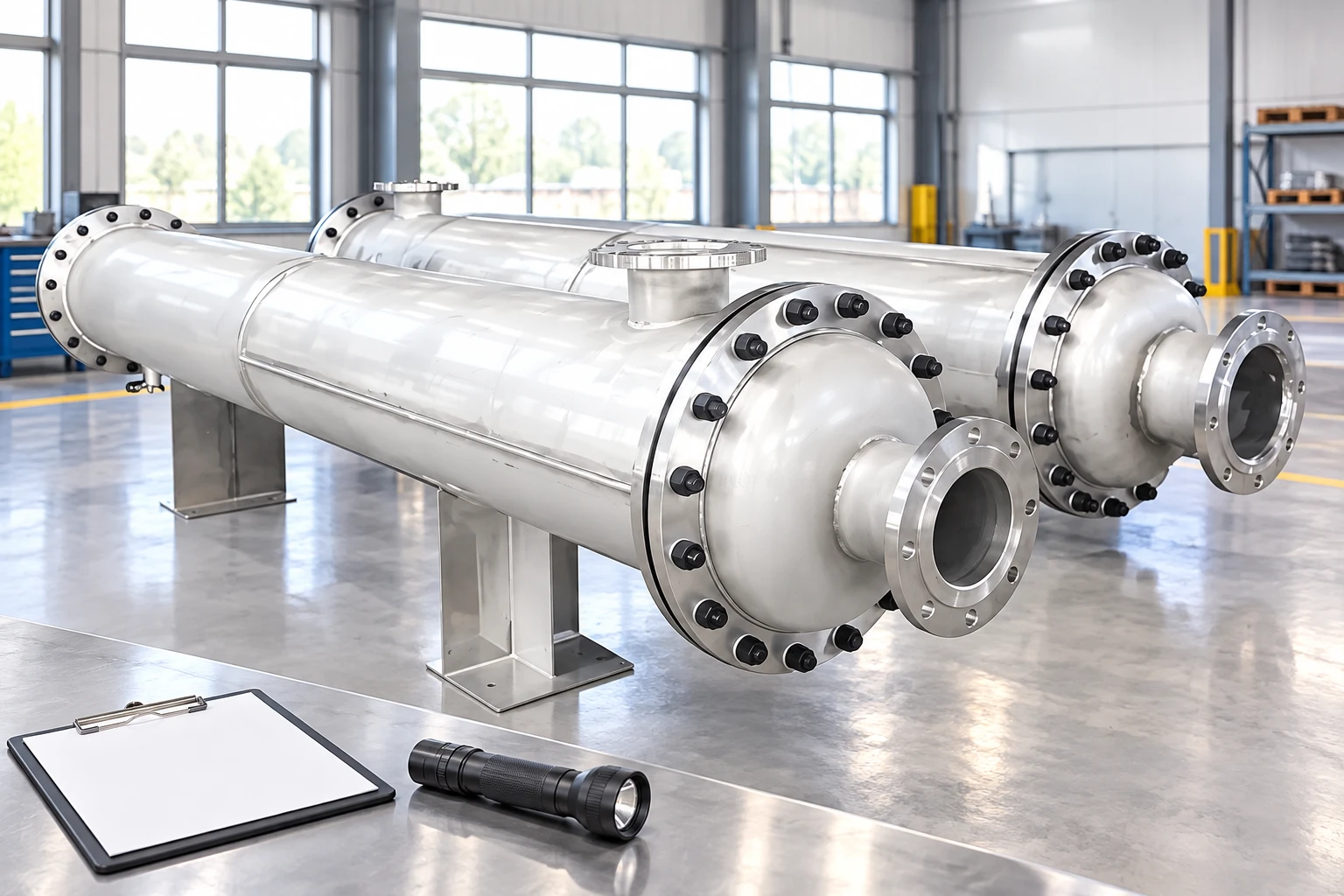
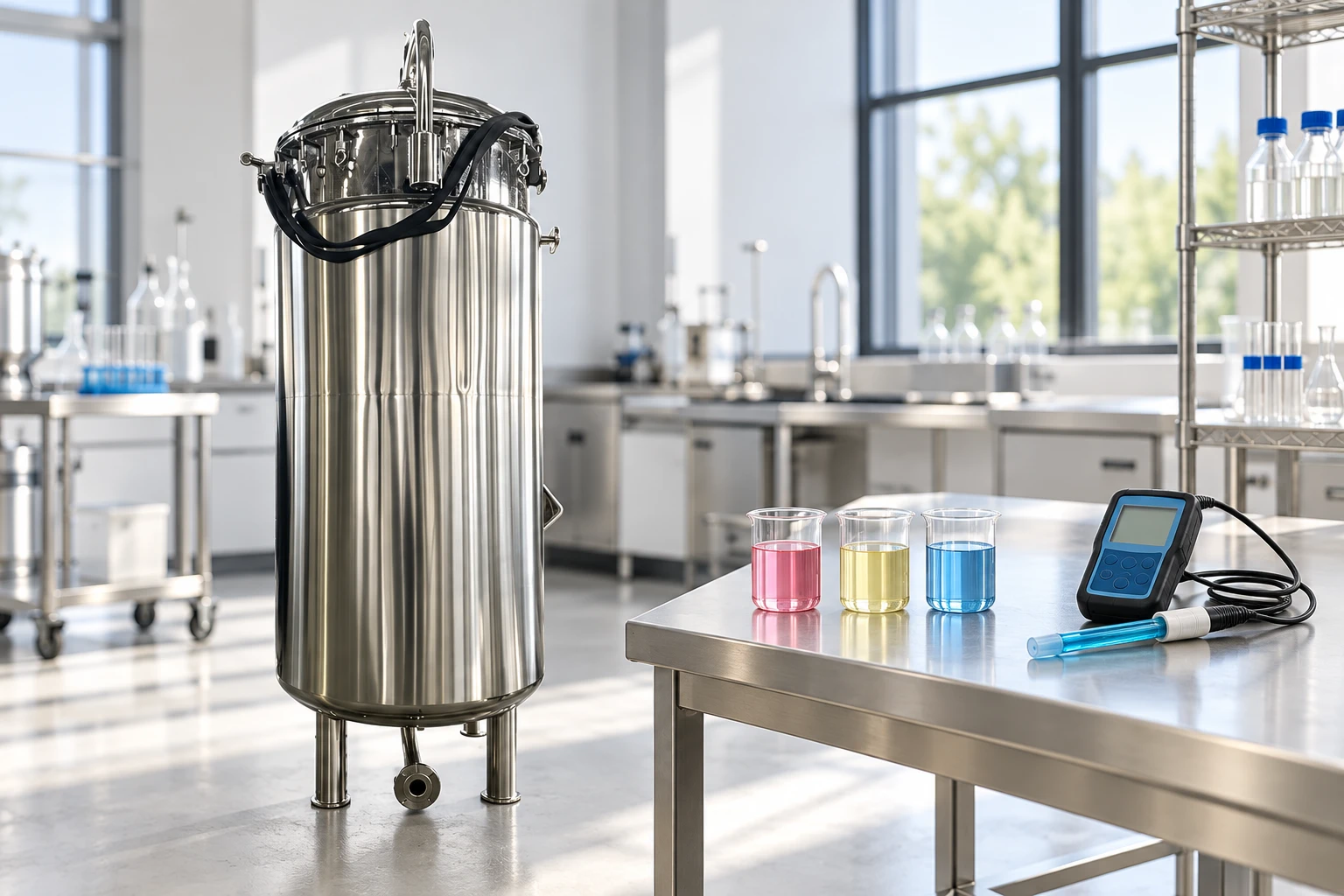
Heating and stirring tanks are extremely important in industrial processes, such as chemical processing (and in other applications that require both heat and mixing). Tanks are a vital part of industrial processing and include food processing, pharmaceutical, and other manufacturing. In this article we will evaluate the different kinds of heating and stirring tanks, their benefits, and examples of how they are used. This information will provide you with a complete understanding of these very useful pieces of equipment.
What is a Heating and Stirring Tank?
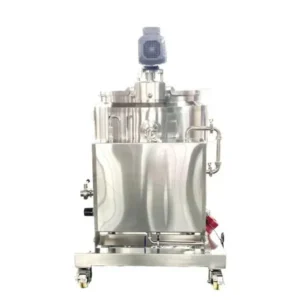
Heating tanks and stirring tanks are specially designed containers that provide heating and mixing of liquids or slurries. Heating and stirring tanks typically contain heating equipment and stirring components, enabling efficient heating or thermal processing, as well as creating a homogenous mixture. Many industries such as pharmaceutical, food and beverage, petrochemical, etc., utilize heating and stirring tanks so that the materials within the tank will reach the target temperature and consistency.
Types of Heating and Stirring Tanks
Various types of heating/stirring tanks exist; each has its own specific characteristics based upon design intent.
1. Jacketed Tanks- As a result of the additional jacket surrounding the body of the tank, which circulates either hot or cold fluids, the contents of the tank can be maintained at a specific temperature, provided there is proper circulation. This makes them excellent for tight temperature control.
2. Direct Heated Tanks: This type of tank has a heating element that are in the liquid providing a fast heat-up time compared to other tanks. They are most often used for heating in process applications, where heating quickly is essential.
3. Insulation Tanks: Insulated tanks have been specifically constructed using insulation material, which aids in reducing the loss of heat. Insulated tanks also keep the ideal temperature for long periods of time, thereby reducing the amount of energy expended.
Agitated tanks utilize mechanical stirring devices to achieve homogeneity of contents within these containers and are typically used when preparing a mixture where the final product will be a homogeneous complex solution.
Advantages of a Heating and Stirring Tank
The benefits of using a heating and stirring tank are numerous:
– Efficiency: The blend tank (heating/mixing) operation takes place in one process and reduces the time and energy needed to prepare products.
– With the continued use of consistent heat and mixing by manufacturers; you’re likely to produce more consistently superior quality items with fewer defects.
– Their ability to work in different ways: Multi-functional uses: Cooking\, Pasteurization; Chemical Reactions; used by multiple industries.
Uses of Heating and Stirring Tanks
Heating and stirring tanks are utilized in many different sectors:
Both soups and sauces, as well as beverages can be prepared in large mixing and heating tanks in the food and beverage industry to produce products blending secondary ingredients together.
– Pharmaceuticals: They’re important for creating emulsions, lotions, and syrups, with the right mix and controlled temperature for making drugs.
– Chemical processing tanks are used to create the necessary temperatures for chemical reactions to occur properly by facilitating a reaction via mixing chemicals.
Frequently Asked Questions
What is a heating and stirring tank?
Manufacturers rely on industrial heating and stirring tanks for both heating up and mixing their liquefied products. These types of heating and stirring equipment are designed for this purpose and are critical components of many manufacturing processes.
What types of heating and stirring tanks are there?
There are several different types of tanks used for industrial purposes: jacketed tanks, direct heating tanks, insulated tanks, and agitated tanks. Each type serves a specific type of industrial purpose.
What are the advantages of a heating and stirring tank?
Some of the benefits include better productivity, greater quality assurance and flexibility in different uses or sectors.
Overall, Tank heating and agitation equipment is crucial for companies that need to heat to an exact temperature, or mix liquids together using a highly effective method of mixing. Tank heating and mixing systems also help to enhance production efficiency and the quality of finished products and are, therefore, essential components of modern manufacturing. With advances in technology, we will continue to see advancements in Tank Heating and Mixing Systems thus increasing their efficiency and effectiveness in operation.