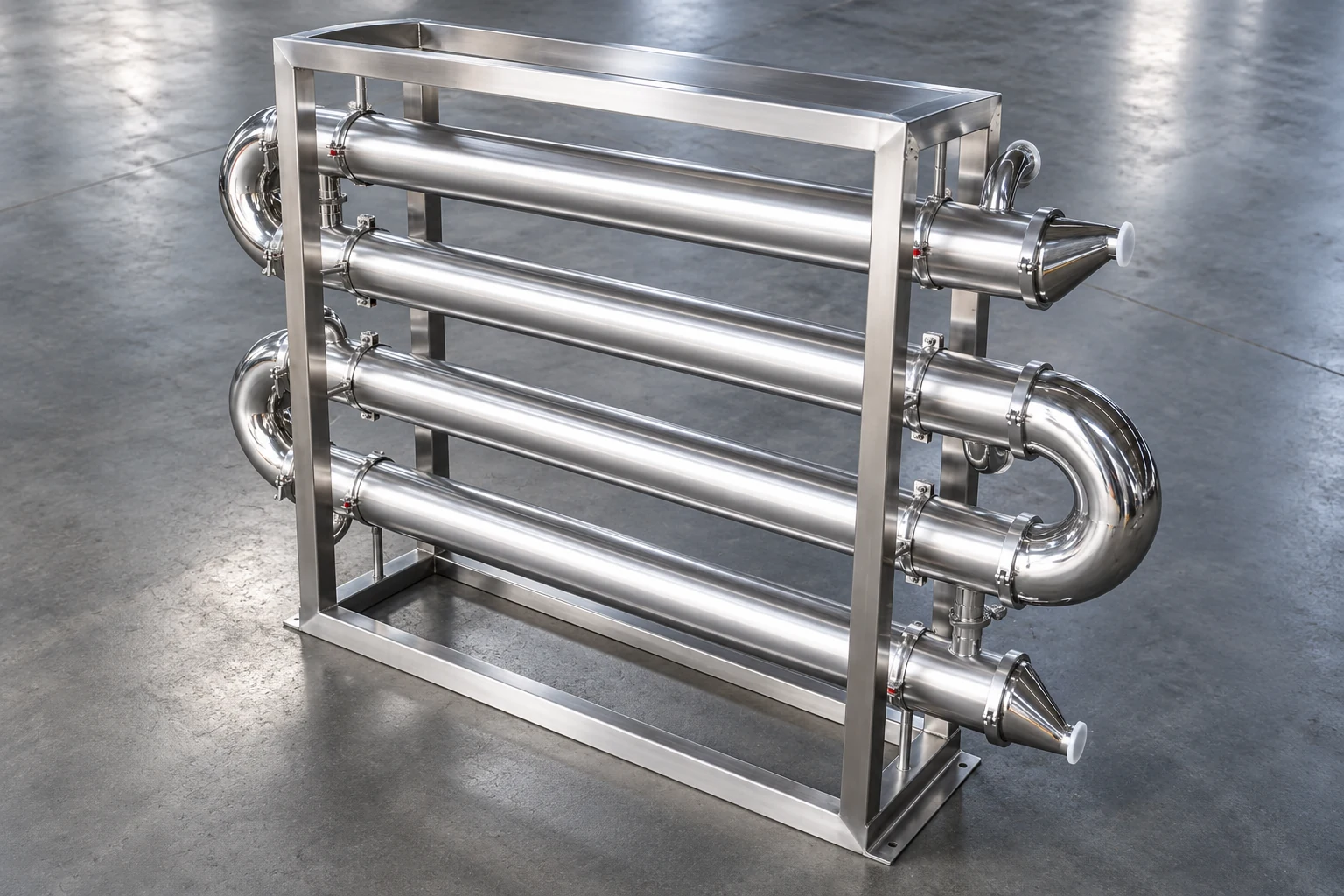
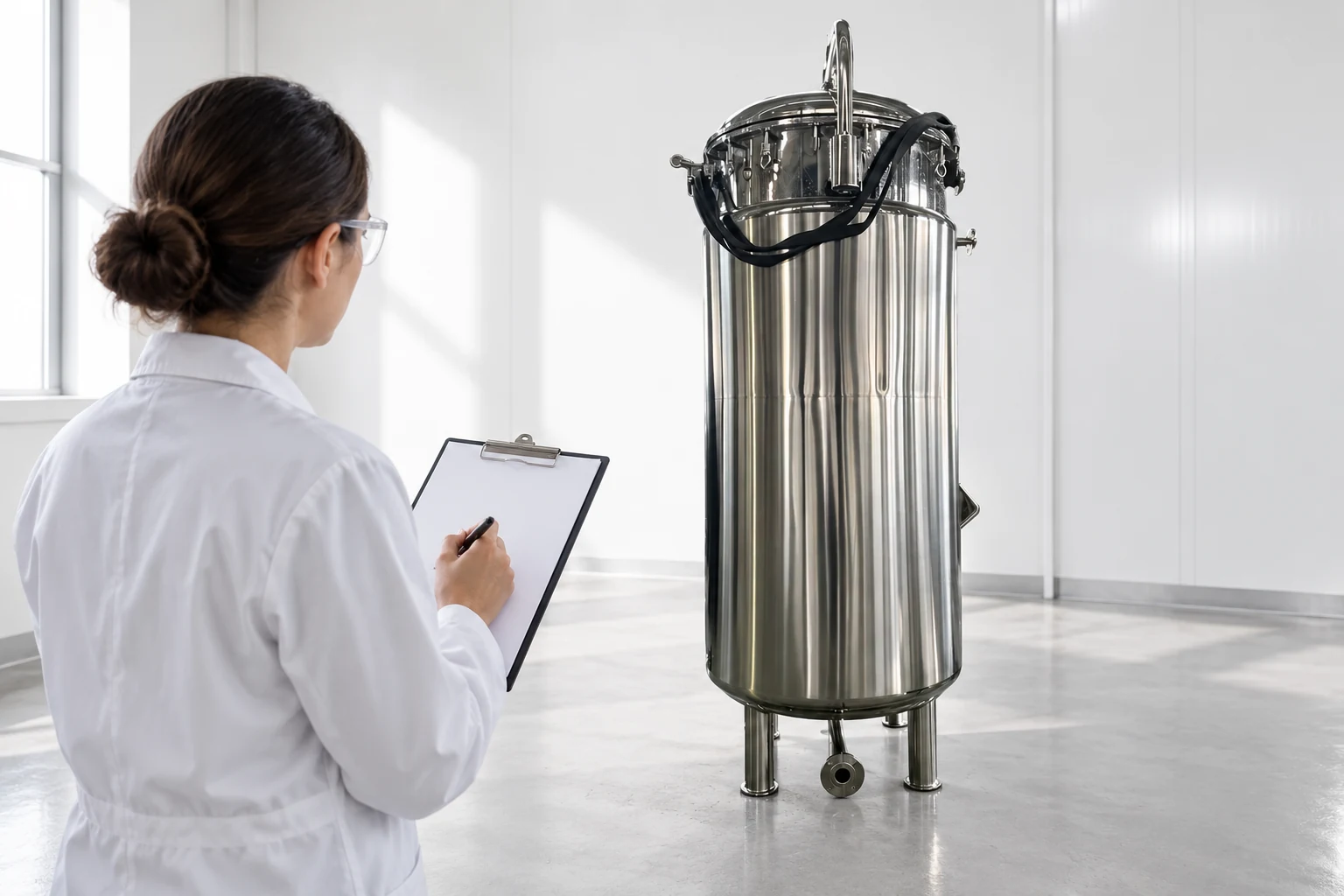
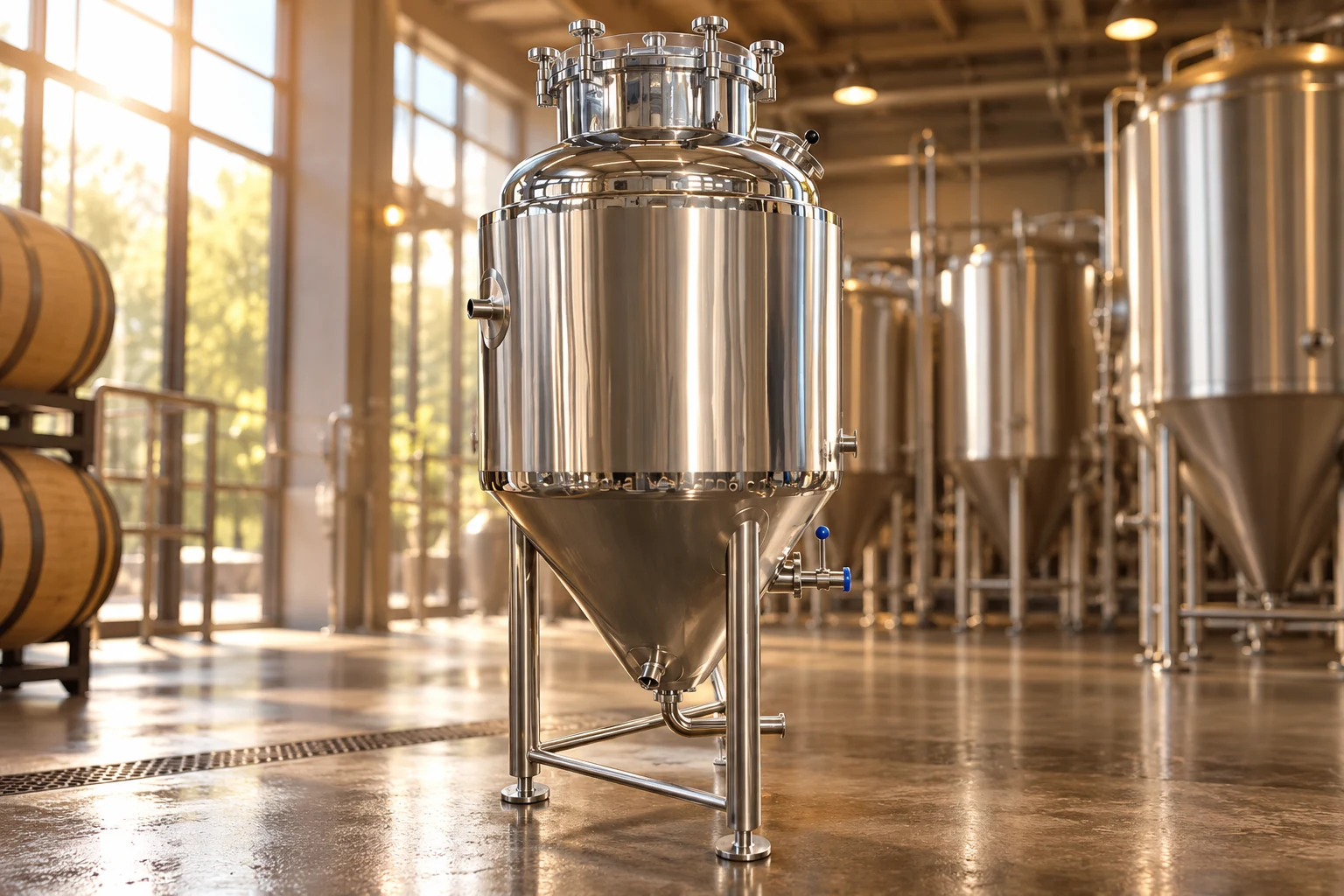
A heat exchanger is an essential device designed to transfer heat efficiently from one fluid or medium to another. These fluids can be liquid or gas, and the transfer may involve heating or cooling depending on the application’s purpose. Heat exchangers play a pivotal role in countless industrial, commercial, and residential systems by regulating temperatures, conserving energy, and optimizing processes. From heating water in your home to cooling massive industrial machinery, heat exchangers are used in systems all around us to maintain appropriate temperature levels while ensuring energy efficiency.
The basic principle of a heat exchanger revolves around thermodynamics, where heat flows naturally from a higher-temperature substance to a cooler one. The design of the device ensures the two media do not mix but effectively exchange heat through solid boundaries, such as metal surfaces or plates. This mechanism makes the heat exchanger indispensable in a variety of industries, from power and chemical to food processing and refrigeration.
Types of Heat Exchangers
There are various types of heat exchangers, each engineered for specific applications and working conditions. Here, we explore the most common types:
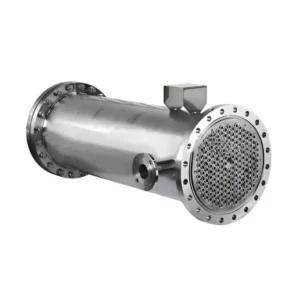
1. Shell and Tube Heat Exchangers: This is one of the oldest and most commonly used designs. It consists of a series of tubes housed within a cylindrical shell. One fluid flows through the tubes, while another flows around them within the shell. This type is suitable for high-pressure applications, such as power plants, oil refineries, and marine systems, due to its robust and versatile design.
2. Plate Heat Exchangers: In these systems, a series of thin metal plates with large surface areas are used to achieve heat transfer. Gaskets or seals are placed between plates to create channels for the fluids to flow. These heat exchangers are compact, lightweight, and highly effective, making them ideal for industries like refrigeration, air conditioning, and food processing.
3. Air-Cooled Heat Exchangers: These utilize ambient air as the cooling medium, rather than water. Commonly, a fan is used to force air across the surface of the heat exchanger. They are particularly valuable in regions with limited water availability and are prominent in industries like oil refineries, gas processing plants, and chemical industries.
4. Plate and Frame Heat Exchangers: This type combines the compact design of plate exchangers with a modular frame construction, allowing for easy maintenance and expansion. These are commonly used in water treatment plants, HVAC systems, and food processing facilities.
5. Regenerative Heat Exchangers: In this design, the same surface is alternately exposed to hot and cold fluids for heat transfer. Such systems are usually employed in large-scale applications like power plants or industrial gas turbines.
Uses of Heat Exchangers
The versatility of heat exchangers enables their use across a multitude of industries. Their functions go beyond just heating and cooling and extend to a wide range of specialized applications. Let’s explore some of the most prevalent uses:
1. HVAC Systems: Heat exchangers are critical components in heating, ventilation, and air conditioning systems. They regulate indoor climates by heating or cooling air to ensure comfort in homes, offices, and commercial buildings.
2. Power Plants: Energy systems like nuclear, thermal, and solar power plants depend heavily on heat exchangers to convert steam into water, cool reactor cores, and increase overall energy efficiency.
3. Automotive Industry: In vehicles, heat exchangers like radiators and oil coolers are used to dissipate heat from engines and maintain optimal operating temperatures.
4. Chemical and Petrochemical Plants: Processing units in refineries and chemical plants rely on heat exchangers to manage various chemical reactions that require precise temperatures.
5. Food and Beverage Industry: Heat exchangers are used for pasteurization, sterilization, and cooling in food processing to ensure high-quality and safe production.
6. Waste Heat Recovery: Many industries employ heat exchangers to capture and reuse waste heat, thus reducing energy consumption and lowering greenhouse gas emissions.
Advantages of a Heat Exchanger
Heat exchangers offer significant benefits, making them an integral part of numerous industries and systems. Below are several key advantages of using heat exchangers:
1. Energy Efficiency: One of the main advantages of a heat exchanger is its ability to maximize energy efficiency. These devices allow heat that would otherwise be wasted to be reused, reducing the overall need for energy consumption and lowering costs.
2. Compact Design: Heat exchangers, such as plate heat exchangers, are designed to be space-saving. Their compact design is a major advantage, particularly in facilities where space is limited.
3. Versatility: As highlighted above, heat exchangers can be utilized across a vast array of industries and applications, from industrial to residential. This makes them an adaptable and valuable solution.
4. Cost-Effectiveness: The high efficiency of heat exchangers makes them an economical choice. Lower energy requirements mean reduced operating expenses, which can contribute to significant savings over time.
5. Durability and Minimal Maintenance: Modern heat exchangers are built to withstand high levels of temperature and pressure, and their robust designs promote longevity and reliability. As a result, they often require minimal maintenance, translating into reduced downtime and lower operating costs.
What Are the Applications of Heat Exchangers?
Heat exchangers are indispensable in a range of industries, performing critical roles in processes that require heating or cooling. A few noteworthy applications include:
1. Power Generation: Steam turbines and other power systems depend on heat exchangers for optimal performance and efficiency.
2. Refrigeration: Cooling systems, such as refrigerators and air conditioners, use heat exchangers to maintain low temperatures.
3. Oil and Gas: In petroleum refineries and gas plants, heat exchangers are used for heat recovery and to control the temperature of hydrocarbons.
4. Pharmaceuticals: The production of chemicals, medications, and vaccines often requires precise temperature control provided by heat exchangers.
5. Marine Applications: In maritime settings, heat exchangers play a role in regulating the temperature of engine systems.
FAQ
What are the uses of a heat exchanger?
Heat exchangers are used for heating, cooling, and maintaining temperature balance across industries such as manufacturing, power generation, automotive, HVAC, and food processing. Examples include heating water in homes, cooling car engines, and controlling chemical reaction temperatures in refineries.
What are the applications of a heat exchanger?
Key applications include HVAC systems, industrial facilities, chemical processing plants, and food and beverage production. They are also used in waste heat recovery systems and automotive radiators.
What are the advantages of a heat exchanger?
Some notable advantages include high energy efficiency, cost savings, compact designs, long-term durability, and versatility, enabling their extensive use in industrial and residential applications.
In conclusion, heat exchangers are indispensable devices that ensure efficient heat transfer across various systems and industries. Their energy efficiency, compact designs, and diverse applications make them a critical component of modern technologies. Whether in power plants, manufacturing facilities, or your household HVAC system, heat exchangers help maintain functional, sustainable, and cost-effective solutions for temperature control. By understanding the types and benefits of heat exchangers, individuals and businesses can make informed decisions to optimize their systems and reduce operating costs.