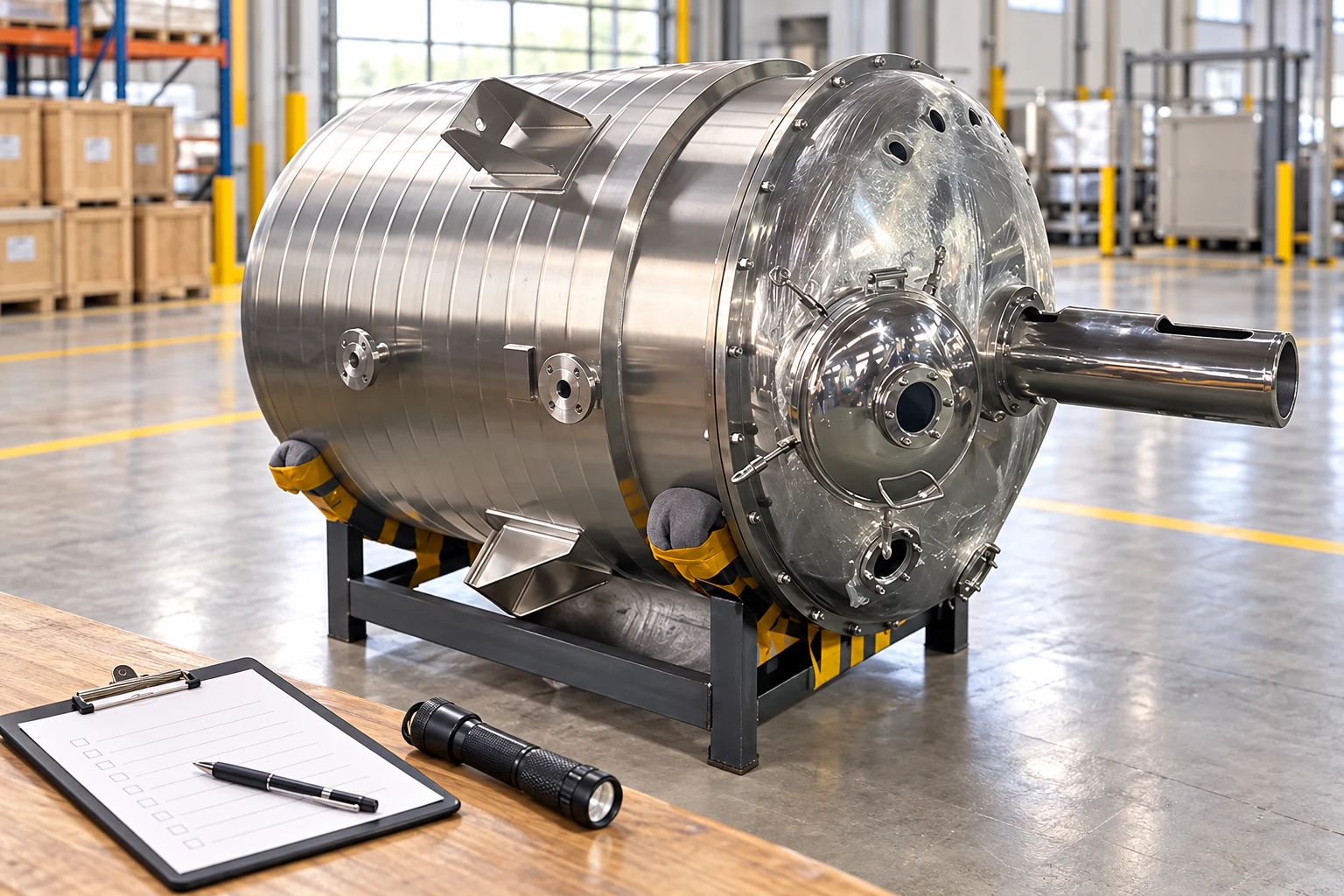
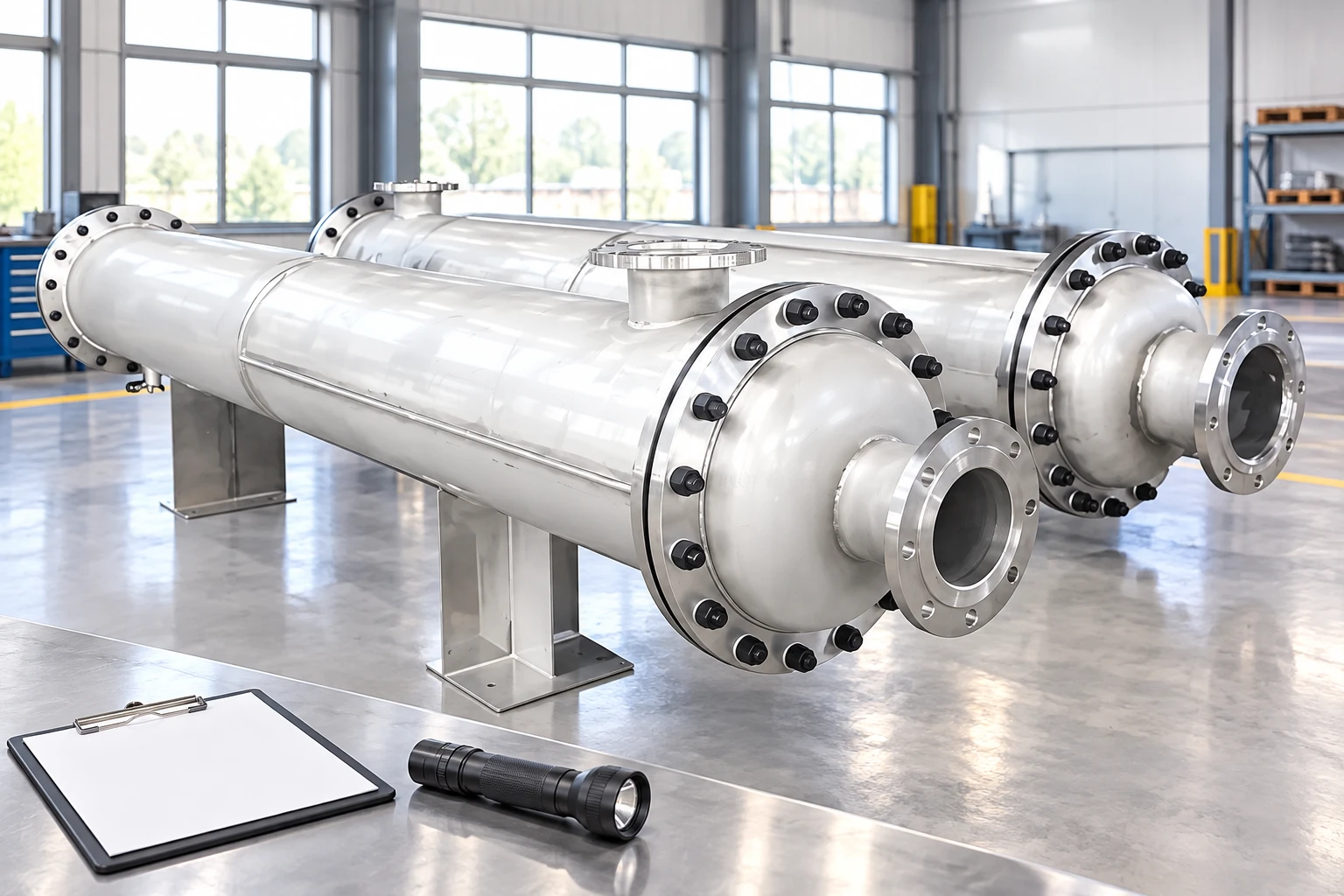
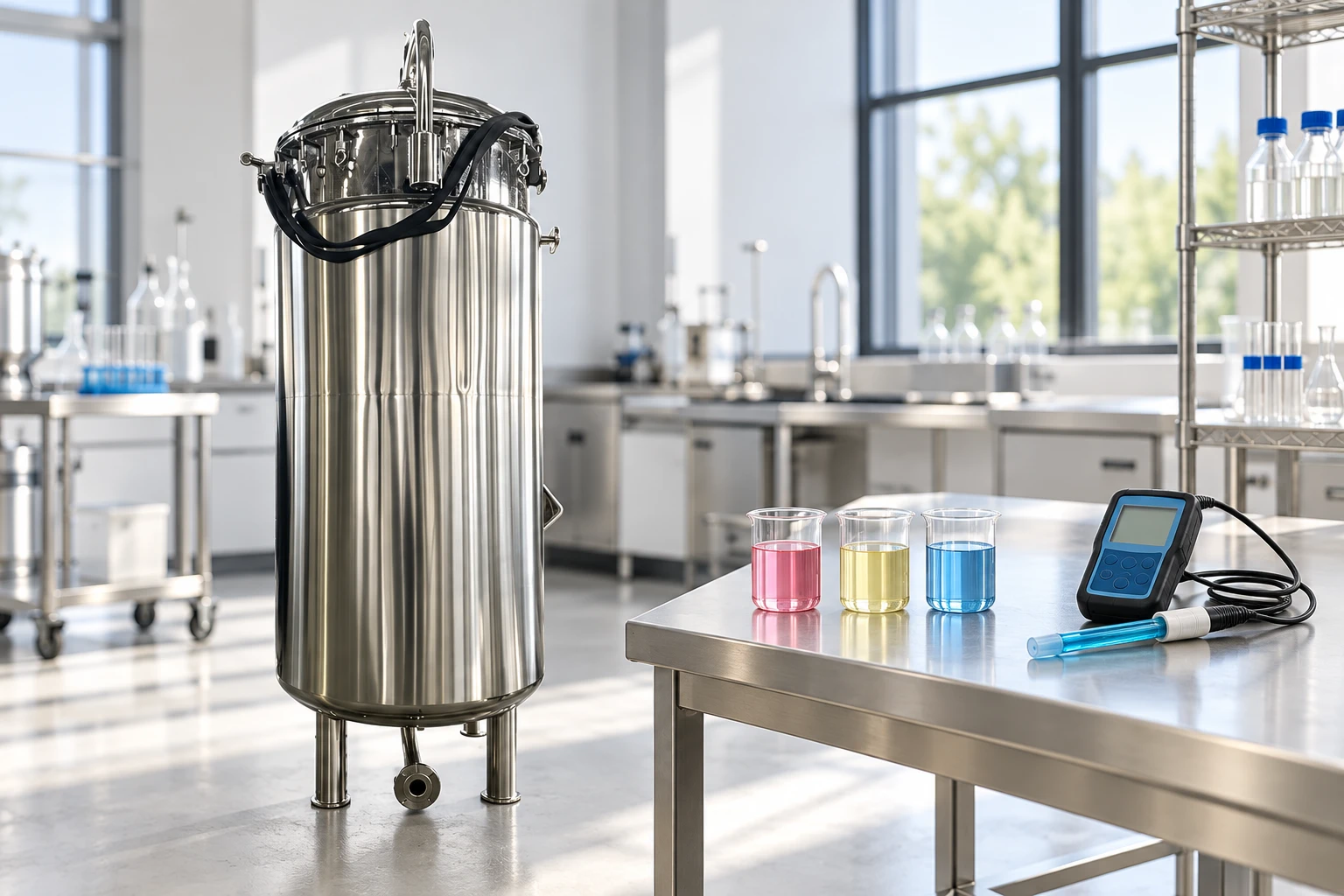
The rapidly expanding food processing industry requires precise, consistent and efficient processes to provide high-quality food products. The Food Mixing Tank is a key component of the food production process as it combines all ingredients into one homogeneous mixture which helps ensure high-quality product.
Food mixing tanks provide uniformity of ingredients when producing a variety of products including sauces, dairy products and beverages. Production efficiency can be greatly affected through the proper use of a food mixing tank. Professionals in the food production industry and those interested in this field must understand the operation of food mixing tanks and the benefits/advantages of food mixing tanks in order to make good decisions.
What is a Food Mixing Tank?
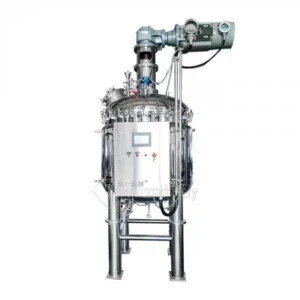
A food mixing tank is a piece of equipment designed to combine, agitate, and sometimes heat or cool multiple food ingredients. These tanks function by mixing liquids, solids, and semi-solids to create uniformity and consistency across batches. By using advanced mixing mechanisms such as paddles, blades, or impellers, they ensure that ingredients are well incorporated, which is especially important in industries producing items like sauces, beverages, and processed foods. In many cases, a food mixing tank also helps streamline the production process by automating tasks that would otherwise require extensive manual labor.
The Multi-Purpose Nature of Food Mixing Tanks
The versatility of the food mixing tank is one of its most important aspects in the manufacturing process.
Each tank can be used for multiple applications depending on its use in production.
Here is a list of how they may be used for each type of product:
1. Food Mixing Tanks Blending Ingredients and Flavors – One of the main reasons for having a food mixing tank is to allow for complete mixing of the ingredients together. Mixing spices, flavors, and colours is an important aspect of the blending process since an even distribution will enable consistency in the quality of the final product.
2. Emulsification is necessary for products such as mayonnaise, dressings, and sauces. The emulsifying tank has unique mixing blades and speed options to ensure a consistent, stable emulsification.
3. Homogenization of Products: Homogenization is the mixing process that distributes the particles in products like yogurt, cream, and plant-based beverages equally throughout the product to make it smooth.
4. Aeration: In baking and dessert making, aeration refers to adding air into a mixture through some method of mixing. Mixing tanks for food can have systems that incorporate air into the mixture, adding volume or texture to recipes such as whipped cream or sponge cake.
5. Temperature Regulating Equipment: A number of mixing tanks include integrated warming and cooling elements; this allows for a wider range of food products to be processed efficiently. This is especially beneficial when making candy, dairy products, sauces that can be ultimately affected by their temperature.
Types of Food Mixing Tanks
How you create your food mixing tank will depend on the kind of operation you have, how much product you want to make, and what food product you will create. The following are the three most common types:
Batch mixing tanks are appropriate for lower volume production runs or where different recipes need to be prepared. These tanks provide a set quantity of ingredient(s) to be mixed each time through their system, giving manufacturers the flexibility to make many different types of products.
Continuous Mixing Tanks: These tanks are built to support large-volume production needs by allowing for mix to be made continuously and as such, even with consistent requirements across a wide range of products, they can service the needs of a large manufacturer running a continual process.
Vacuum mixing tanks are used as a means to achieve a very accurate amount of air, as commonly used by the pharmaceutical or food industry for emulsions or pastes.
Breaking down fat molecules or other particulates into smaller sizes to obtain a smooth and uniform texture is the primary function for homogenising tanks. The dairy, cosmetic, and beverage industries are the most common users of this type of equipment.
Choosing the correct type of tank to utilize can drastically reduce your overall operational costs, increase production efficiency, and provide a much better quality of product produced; also keeping in mind the customer’s expectation.
The Importance of Materials in Food Mixing Tanks
When choosing a tank for mixing your products and ensuring their safety and quality, it is important to choose the correct type of mixing tank materials to use, as the material determines the durability, useability and materials compliance with regulations in the food industry such as health and safety regulations.
The most common materials include:
Steel with no rust (i.e., stainless): Of all the materials used, by far the most common is stainless steel because it is tough to break, can resist rust/corrosion, and is very easy to keep clean. For businesses where cleanliness is a major concern such as those involved with making and distributing food or drink, this is the material of choice.
Aluminum: While lighter and more cost-effective, aluminum tanks are less commonly used due to their sensitivity to chemical reactions and corrosive environments. However, in specific applications, these tanks are a viable option.
Food-Grade Plastics: Plastic tanks are lightweight and affordable and can be useful for specific product types. However, they must comply with stringent food safety standards to avoid contamination risks.
Proper choice of materials will ensure not only compliance with health regulations but also a longer lifecycle for the equipment.
Advantages of Food Mixing Tanks
Integrating a high-quality food mixing tank into your production process offers numerous benefits:
Consistency in Product Quality: A food mixing tank ensures that all ingredients are evenly distributed, resulting in a final product that meets the desired taste, texture, and appearance requirements for your customers.
Operational Efficiency: Automating the mixing process saves time, labor costs, and minimizes potential human errors, resulting in a streamlined production process.
Hygiene and Safety: Most food mixing tanks are designed to meet sanitation standards with seamless surfaces and easy-to-clean materials. This reduces the risk of contamination in your production line.
Scalability: Businesses can choose tanks of different sizes and types, allowing them to scale production as their operations grow.
Common Questions about Food Mixing Tanks
What are the Uses of a Food Mixing Tank?
Food mixing tanks are incredibly versatile. From mixing beverages, sauces, and dairy products to incorporating flavors and even assisting in temperature-sensitive processes, these tanks are at the heart of many food production facilities.
What Materials Are Commonly Used in Food Mixing Tanks?
Food-grade stainless steel is the material of choice for most food mixing tanks due to its durability, corrosion resistance, and compliance with hygiene standards. Other materials like aluminum and food-grade plastics may also be used based on specific requirements.
What Are the Advantages of a Food Mixing Tank?
The main advantages include precision and uniformity in mixing, enhanced production efficiency, reduced labor requirements, scalability, and improved hygiene and safety standards in food production.
In conclusion, a food mixing tank is a vital component in modern food processing industries. Its ability to ensure consistency, save labor costs, and boost production efficiency makes it an indispensable tool for manufacturers. By making informed choices about the type and material of the mixing tank that best suits their needs, companies can significantly enhance their business operations and deliver products that consistently meet customer expectations. Investing in high-quality food mixing tanks not only ensures superior output but also supports compliance with food safety regulations, thereby fostering trust among consumers and stakeholders alike.