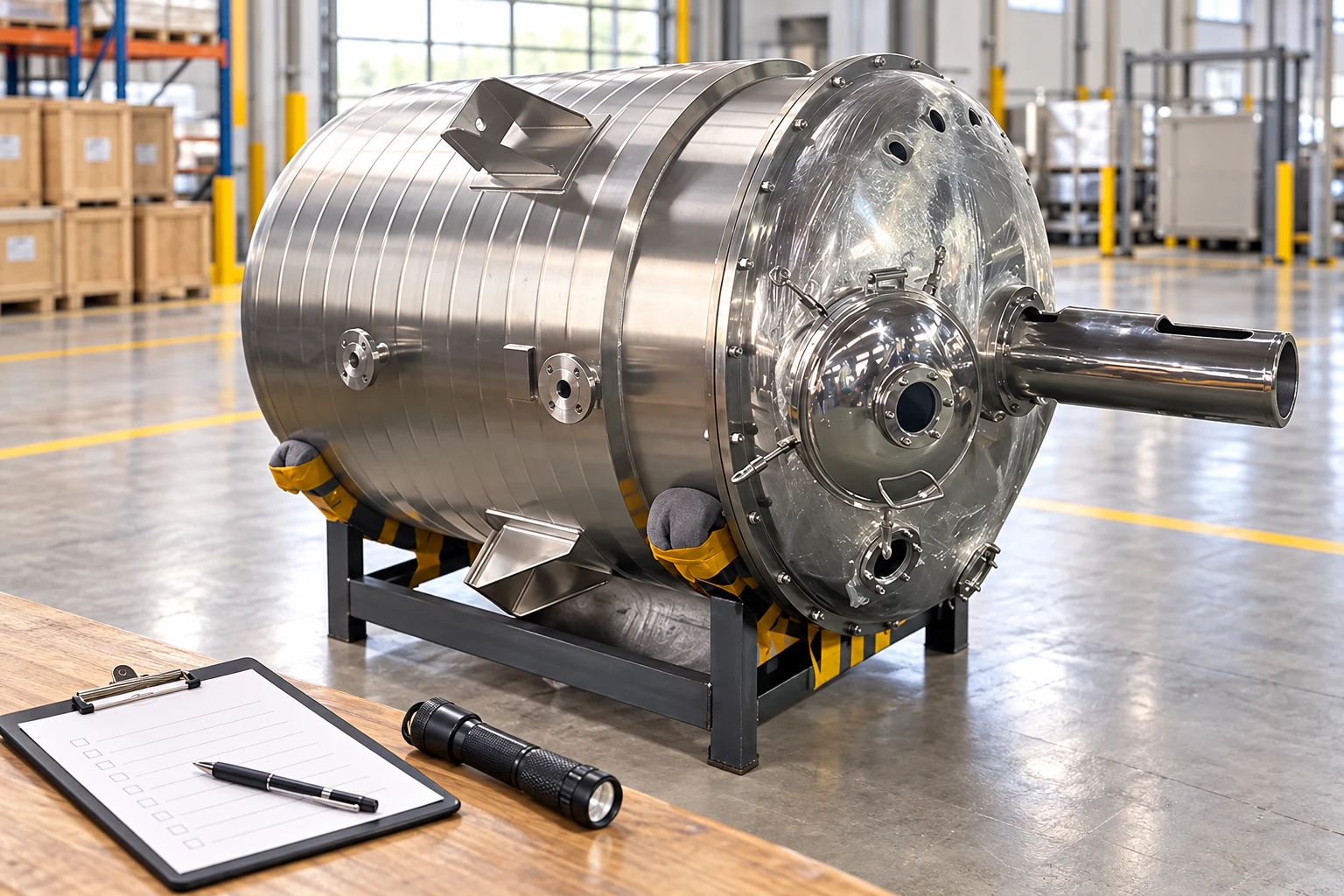
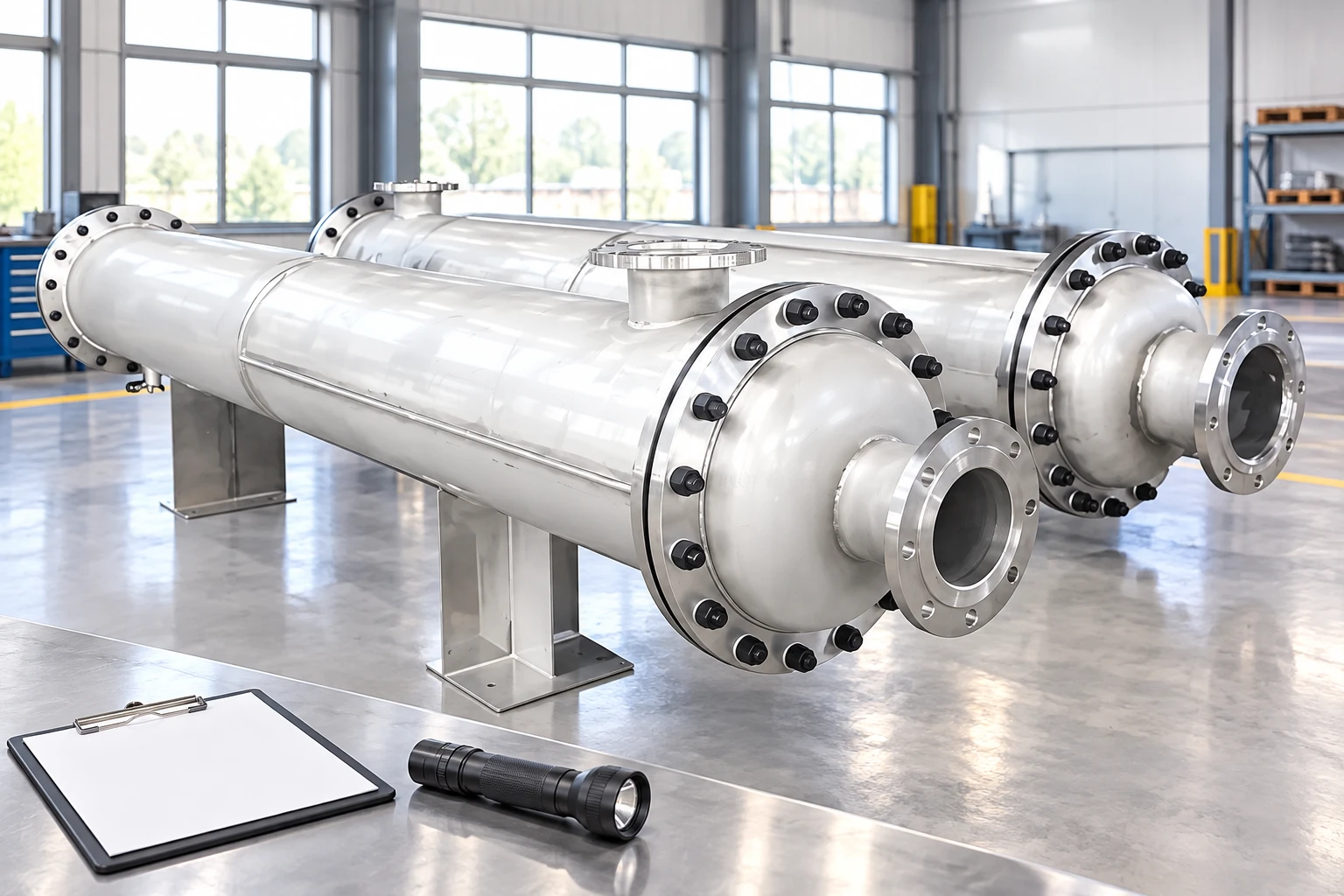
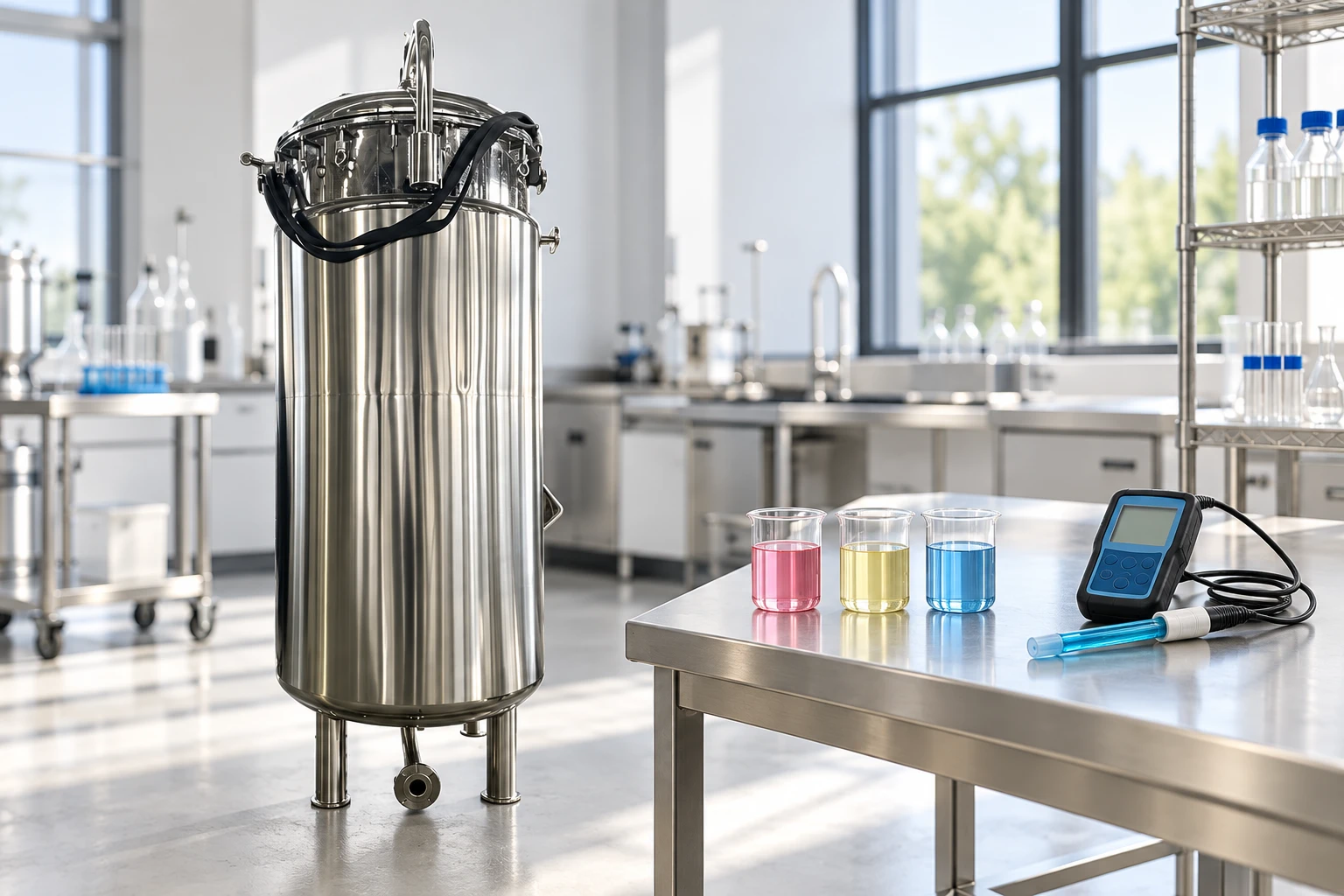
A Chemical mixing tank is an indispensable piece of equipment utilized across multiple industries, including pharmaceuticals, food and beverage, chemicals, and cosmetics. Designed to cater to the needs of modern production, these tanks facilitate efficient mixing processes, guaranteeing consistency, reliability, and quality. In this article, we will delve into the uses, advantages, and types of chemical mixing tanks, as well as explore frequently asked questions and their applications in various industries, helping you determine how these tanks can benefit your operations.
What is a Chemical Mixing Tank?
An industrial-grade chemical mixing tank is a specific type of vat that mixes, blends, or emulsifies chemicals. Chemical mixing tanks are built from materials such as corrosion-resistant higher-strength steel (stainless), plastic, or FRP (fiberglass-reinforced plastic) to ensure the longevity and versatility of the container for the various types of chemicals and/or products it will contain. Mixing mechanisms like Agitator, impeller or propeller are used to combine chemicals into homogeneous mixtures to give them the necessary chemical properties and/or final product uniformity.
In addition to these capabilities, chemical mixing tanks can also include features such as temperature controls, pressure settings, and vacuum options that allow them to be used in processes requiring a high level of accuracy and precision in manner of mixing the contents of the tank. The ability to customize these options allows for the use of chemical mixing tanks in many different types of applications, not just mixing.
What are the Uses of a Chemical Mixing Tank?
There are many types of chemical mixing tanks available, with the type being determined by the industry and the specific application for which they are required. Here are examples of the most common types of applications for the industrial chemical mixing tanks:
Chemical mixing tanks play an integral role in manufacturing drugs and supplements in the pharmaceutical industry. They help to ensure that active pharmaceutical ingredients (APIs) and excipients (inactive ingredients) are mixed evenly, and this generates consistent dosing levels for consumers and high-quality products.
Tanks used in the production of food and drink help mix together products like syrup, sauces, dairy products, and Beer. These tanks are involved in the process of homogenizing products to ensure each product maintains its quality, taste, mouthfeel, and visual appearance.
The Factors Which Use Such Tanks Are Crucial In Creating Blended Products By Combining Different Ingredients Including: Emulsifying Agents, Colouring Agents, Oils And Active Ingredients. In Addition To This, They Are Used For Making Beauty And Skincare Products, Including Creams, Shampoo And Lotions.
Chemical Mixing Tank Use in Water Treatment Plants: Chemical mixing tanks are available in the water treatment industry and used to combine chemicals that will be used to treat water or to neutralise a pH imbalance and to disinfect any contaminants.
Chemical industry: The mixing of chemicals to mix chemicals together to carry out reactions is made possible by using the same mixing tank. Mixing Tanks allow you to create all types of chemicals and products from paint to fertilizers to glue.
What are the Advantages of a Chemical Mixing Tank?
An organization will greatly benefit from a chemical mixing tank for their industry. These advantages can include numerous benefits such as;
1. Improved Efficiency: Chemical Mixing Tanks Make Production Processes More Efficient and Faster, More Economical with Less Human Time; They Are Critical or Very Important When Scaling Production To Meet Increased Demand.
2. Consistency in Quality: By using a chemical blending vat, you’ll have consistency and reliability for the finished product. This can provide assurance to your customers that they are receiving high-quality products no matter the volume produced.
3. Versatile: Due to their ability to accommodate a variety of applications, including high-pressure chemical reactions and gentle mixing of the most delicate materials, tanks serve as truly valuable assets across many industries due to their many functions.
4. Safety Features: Modern chemical mixing tanks are built with safety as an essential characteristic. These modern tanks typically contain features such as secure sealing, controls for pressure, and automated shut-off systems, making the operation of these tanks safer even when working with hazardous materials.
5. Options for Scale: Chemical mixing tanks can come in a variety of sizes to suit your needs, whether you want to produce batches that are small enough for any size of manufacturing facility or provide product on a continuous basis.
The cost-effectiveness of these tanks may not seem so at first glance; however, when taking into account the long-range value, this initial expense is actually minimal! As a result of improved efficiency and reduced manual labor, these types of systems help lower the cost of producing items.
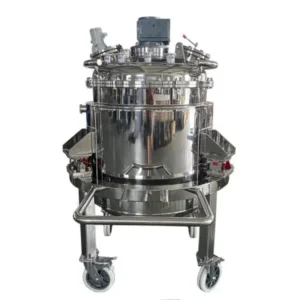
Types of Chemical Mixing Tanks
When you buy a chemical mixing tank, it’s vital to know what types are available and what each type does:
1. Batch Mixing Tanks: As highly flexible and adaptable containers designed for the production of small quantities of blended materials; most batch mixing tanks have the capability to be mixed under controlled conditions thereby allowing for more versatile applications.
2. Continuous Mixing Tanks: Designed for larger scale, ongoing production processes, these tanks ensure a constant inflow of raw materials and outflow of the mixed product, enhancing efficiency for high-volume operations.
3. Vacuum Mixer Tanks: Used for specialized applications where it’s necessary to eliminate air bubbles or prevent oxidation. These tanks are particularly popular in the pharmaceutical and cosmetics industries.
4. Pressurized Mixing Tanks: These tanks are suitable for processes that involve high-pressure chemical reactions, making them ideal for advanced chemical manufacturing.
5. Closed Mixing Tanks: Perfect for industries like healthcare and food processing, these tanks prevent contamination, ensuring that your mixture remains sterile and safe.
Frequently Asked Questions
1. What is a chemical mixing tank?
A chemical mixing tank is a specialized container designed for mixing, blending, or emulsifying chemicals into uniform mixtures. Made from corrosion-resistant materials, it ensures reliability and consistent results.
2. What are the uses of a chemical mixing tank?
Chemical mixing tanks are used in industries like pharmaceuticals, food and beverage, cosmetics, water treatment, and chemical manufacturing. They facilitate processes such as emulsifying, blending, purifying, and homogenizing substances.
3. What are the advantages of a chemical mixing tank?
The benefits include higher efficiency, consistent product quality, versatility in application, enhanced safety features, scalability to various production sizes, and cost-effectiveness when scaled for long-term operations.
Conclusion
To sum up, a chemical mixing tank is a versatile and efficient solution for industries requiring reliable mixing and blending of substances. With a wide range of applications, customizable features, and numerous advantages, these tanks have become a cornerstone for modern industrial processes. Whether you’re in pharmaceuticals, food production, or chemical manufacturing, investing in the right chemical mixing tank can significantly enhance your operations, ensuring product quality, safety, and scalability.