There are many different types of mixing tanks available on the market today, from those used for batch processing to those that use continuous mixing as well as more specialized types of tanks such as reaction tanks and homogenization tanks. A mix tank is usually manufactured out of high-grade stainless steel due to its corrosion-resistant properties, durability, and hygienic qualities. Due to their reliability and versatility, stainless-steel mixing tanks play an important role within a manufacturing or industrial environment where precise mixing and material transport is required.

How Do Stainless Steel Mixing Tanks Work?
Stainless steel blending vessels function by combining ingredients by mix and agitating the materials to make batches of products using proper methods. Typically, these systems contain three main components; a vessel, an agitator located either on top or at the side of the vessel, and a jacket for heating or cooling the contents of the vessel. An agitator can have many different styles of impellers, blades, and/or paddles which will create a vortex or agitation flow that will thoroughly combine all ingredients in the vessel to produce a uniform mixture. Depending on the style of the agitator, you may have an agitator that will be mounted on the vessel as a top, side or bottom-mounted method.
Sleek, innovative advanced models of stainless steel mix tanks can feature automation systems that control both the heating/cooling (temperature) and product durability (mixing speed & pressure) during production, thus providing for specialized use in meeting various processing needs while enabling accurate and efficient use of resources.
Uses of Stainless Steel Mixing Tanks
Stainless steel blending tanks can be used in many industries due to their versatile design. Below are some examples of how these tanks can serve as an integral piece of equipment across multiple industries:
– The Stainless Steel Mixing Tank Industry: Stainless Steel Mixing Tanks are frequently used in the food and beverage industry to blend liquid and solid ingredients, create beverages, make sauces, and produce dairy products. Stainless Steel Mixing Tanks are designed in compliance with the applicable food safety standards.
– Pharma: This equipment is used to create creams and gel type pharmaceutical products to be given to clients as drugs administerable in a liquid state. The non-corrosive and easy to clean nature of stainless steel makes it invaluable to this industry.
Chemical Industry – Tank systems are typically used for liquid chemical homogenization, adhesive mixing, resin composite production or raw material storage, providing a consistent and homogeneous end-product.
Mixing Tanks Made From Stainless Steel Used For The Production Of Shampoos, Lotions, Creams, And Other Beauty Products Provide Required Accurate Measurements And A Clean Environment For The Production Of These Sensitive Formulations.
– Facilities for Treating Wastewater: Make use of chemicals to mix with wastewater and help break down (or dissolve) solids in water purification.
Types of Stainless Steel Mixing Tanks
Stainless steel mixing tanks come in many different configurations to meet the different needs of a variety of processes. These are the most common types:
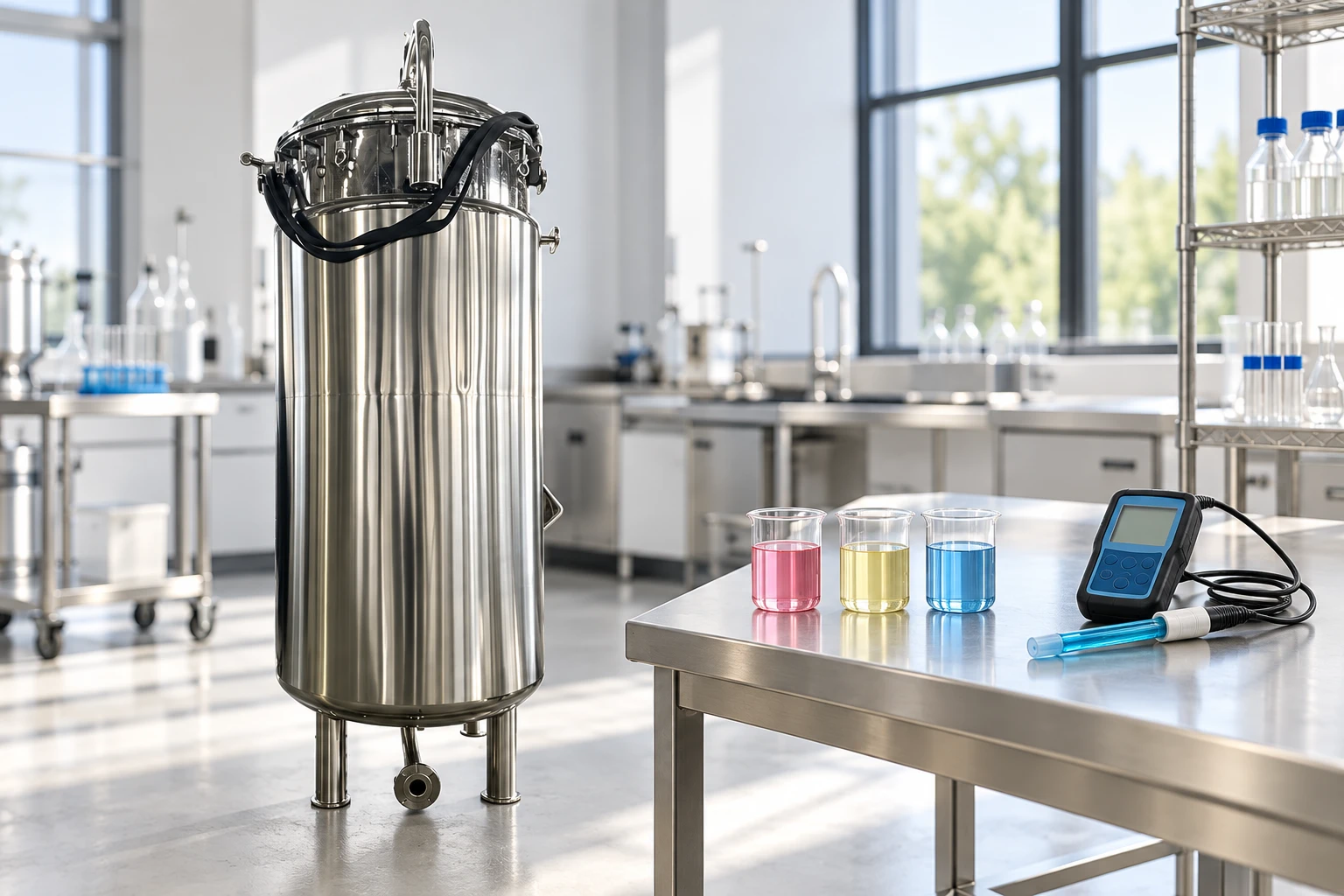
Vertical mixing tanks are perfect for processing significant volumes of material without taking up as much room on the floor. Many large production facilities will use this type of tank, but some may have extra features, such as heating jackets or insulation.
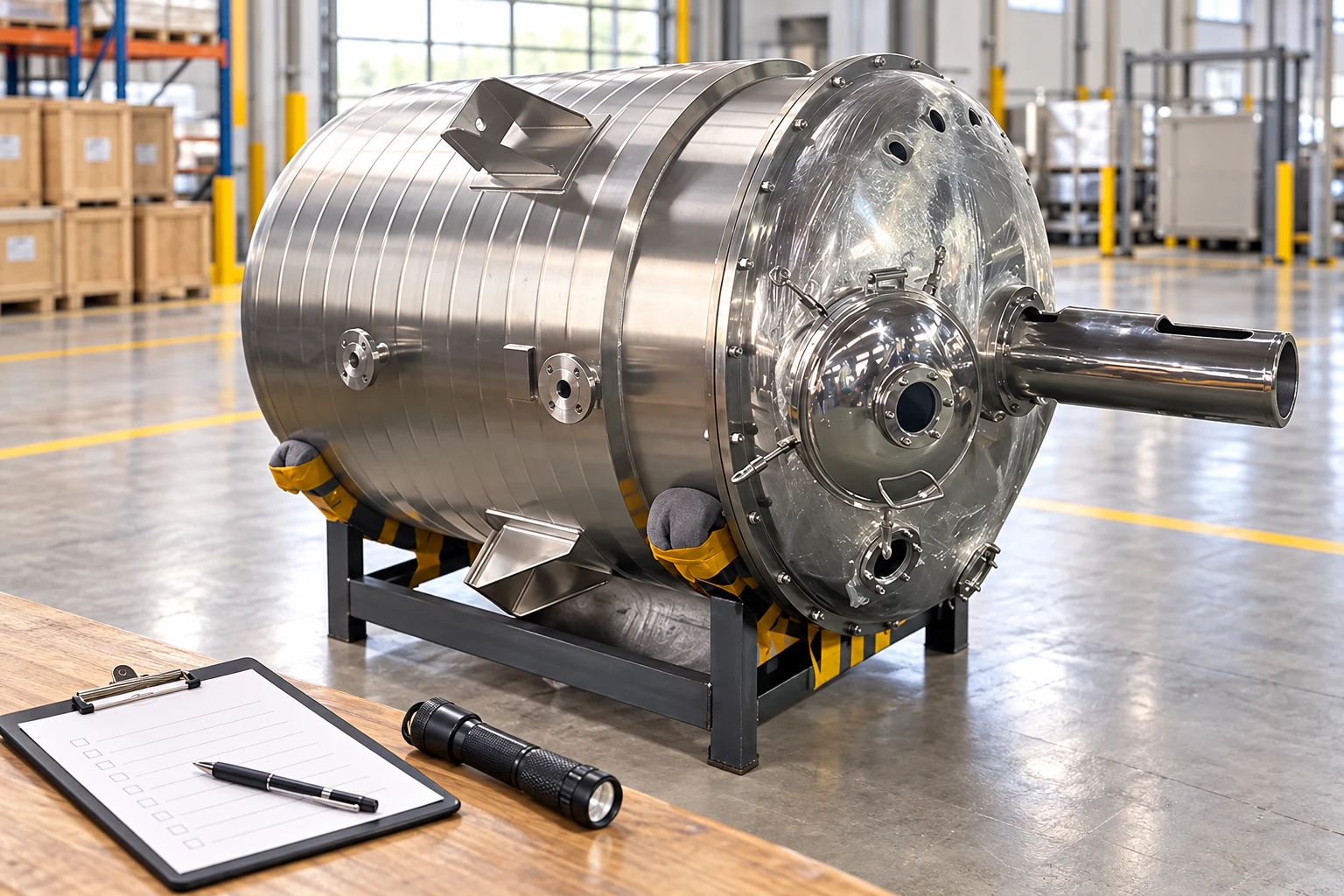
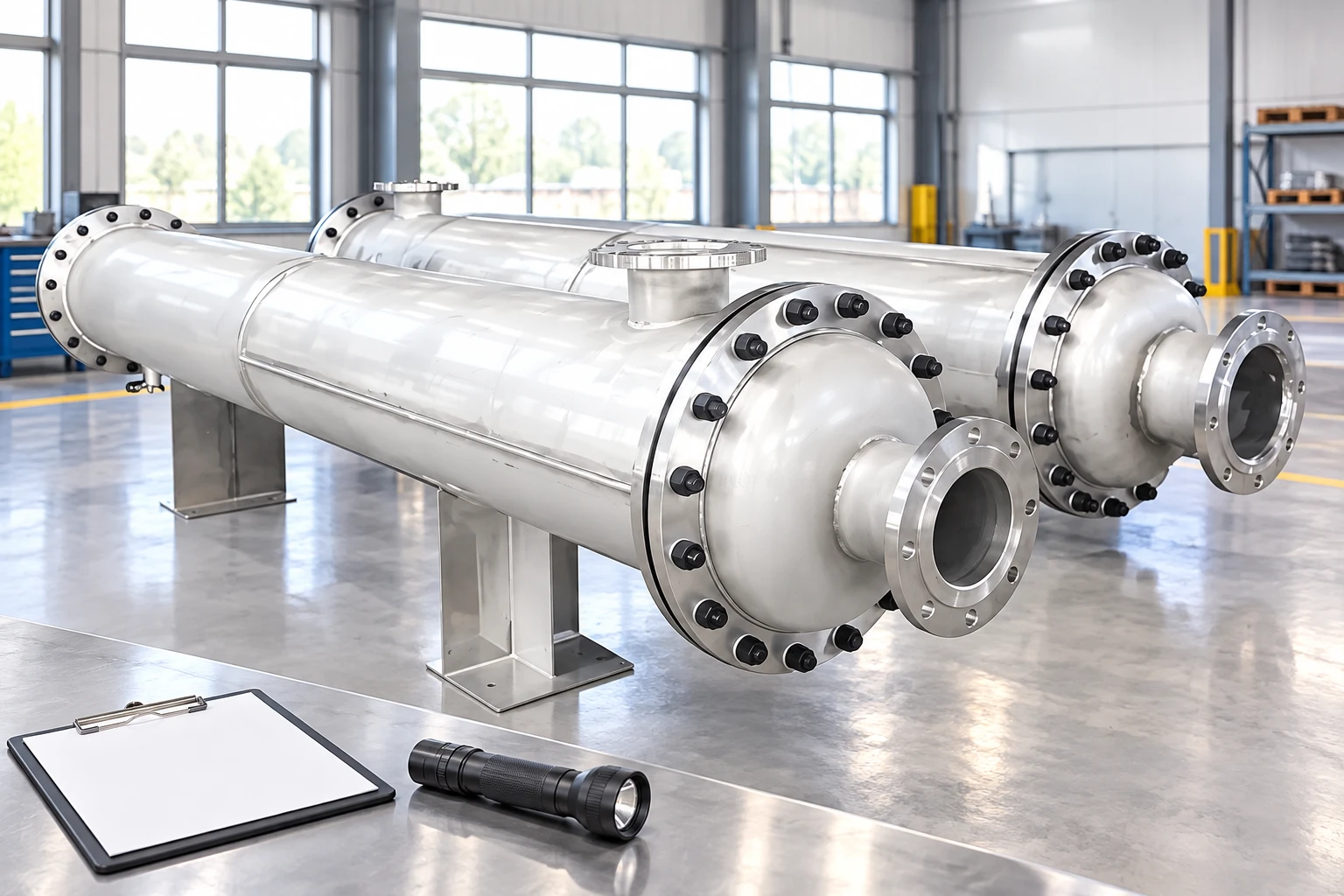
Horizontal Mixing Tanks: Horizontal Mixing Tanks are more compact than vertical mixing tanks. They are easier to clean and maintain and are better suited for small-scale production operations or specific processes that require Access to the mixing process.
Tanks with Agitators Are Designed to Allow for Continuous Motion and Mixing – Agitated tanks provide continuous agitation/mixing through an agitator that can be of different types, depending on the materials being mixed, such as a low shear paddle for gentle products, or a high-speed disperser for emulsification.
– Mixing Tanks with Jackets: Mixing tanks that have a double-walled space for coolant or heating fluids. The jacket maintains the temperature for any heat-sensitive process or temperature-dependent application.
Pressure Tanks: These tanks are designed to accommodate mixing at high-pressure levels, providing industries that require accurate internal pressure control with an affordable solution.
Key Benefits of Using Stainless Steel Mixing Tanks
There are many advantages to using a stainless steel mixing tank. First, they have the advantage of being resistant to rust corrosion, allowing them to be long-lasting even when in contact with liquids or chemicals for extended periods of time. Second, the non-reactive stain of stainless steel prevents the contents from being contaminated; this property is important when working with food, pharmaceuticals, and cosmetics.
In addition, because stainless steel tanks are easy to clean, they can withstand extreme temperatures, so they can be use for sterilization purposes. This will help prevent cross-contamination & maintain hygiene standards within the industry. Many tanks also offer customizable options so that users can customize their tank for specific processes, such as choosing from different types of agitator designs, heating elements, or automation systems, etc.
How to Choose the Right Stainless Steel Mixing Tank
A company should consider each specification it needs when buying a stainless-steel mixing tank from the following:
• Mixing materials – the type of materials you will be mixing in the tank.
• Capacity – how large of a tank do you need?
• Automation – will you need any automated functions for your mixing process?
• Mixing process – are you heating, cooling, or pressurizing the materials??
Stainless-steel tanks also come in different grades (ex. A316, A304) with the 316 being considered superior due to its resistance to corrosion. This is especially important when working with corrosive products such as those used in the pharmaceutical or chemical industry.
In addition, knowing about the significance of the appropriate agitator type relates to effective mixing. You should have a good grasp on whether you’re mixing something that requires a strong force or mixing something more sensitive and delicate and then you need to choose an acceptable type of agitator which provides effective mixing without damaging the ingredients.

FAQs About Stainless Steel Mixing Tanks
What are the uses of a stainless steel mixing tank?
You can use stainless steel mixing tanks for many reasons including combining liquids, powders, or pastes together and storing materials in a controlled environment. Mixing tanks are common in many industries including food processing, cosmetics, pharmaceuticals, and chemicals.
What types of stainless steel mixing tanks are available?
Tanks come in many varieties: there are vertical tanks; horizontal tanks; jacketed (or insulated) tanks to hold liquids at a consistent temperature; and tanks specifically designed as part of a mixing process (often referred to as agitator tanks).
Are there technologies in modern mixing tanks for automation?
Definitely! Cutting-edge stainless steel mixer tanks have a variety of features available today that also make use of programmable logic controllers (PLC) to control temperature, pressure, and mixer speed have become baseline standards for increasing operational efficiency and providing consistent products through automation.
To sum up, a stainless steel mixing tank is an essential component for businesses involved with industrial processes that require good quality continuous mixing/processing capabilities. The advantages of using a stainless steel mixing tank include superior durability and corrosion resistance, many customizable design options, as well as meeting or exceeding sanitary and safety regulations. Overall, companies should be familiar with how each mixer functions as well as its various types and characteristics to provide the best solution for their production requirements while maintaining product integrity.