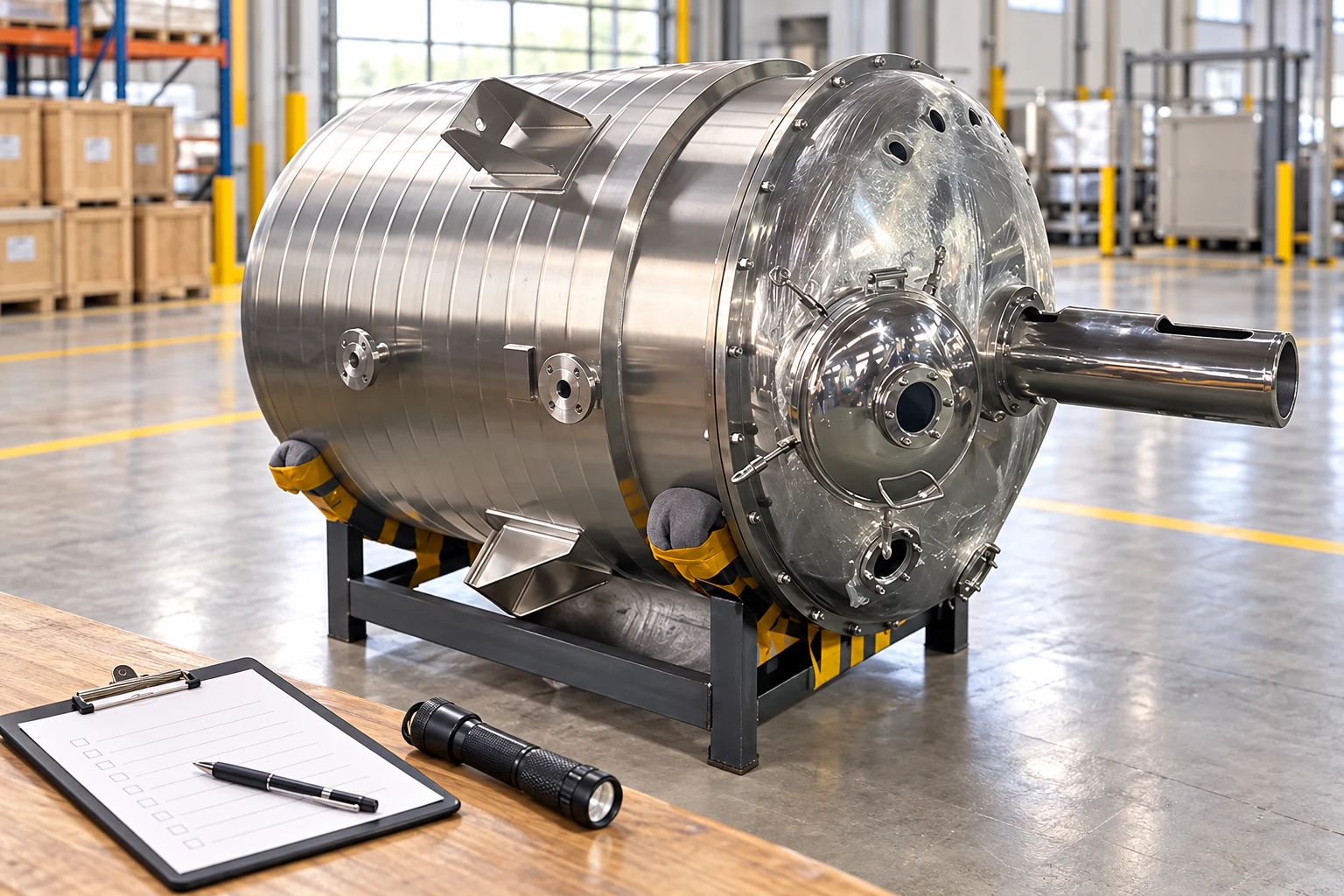
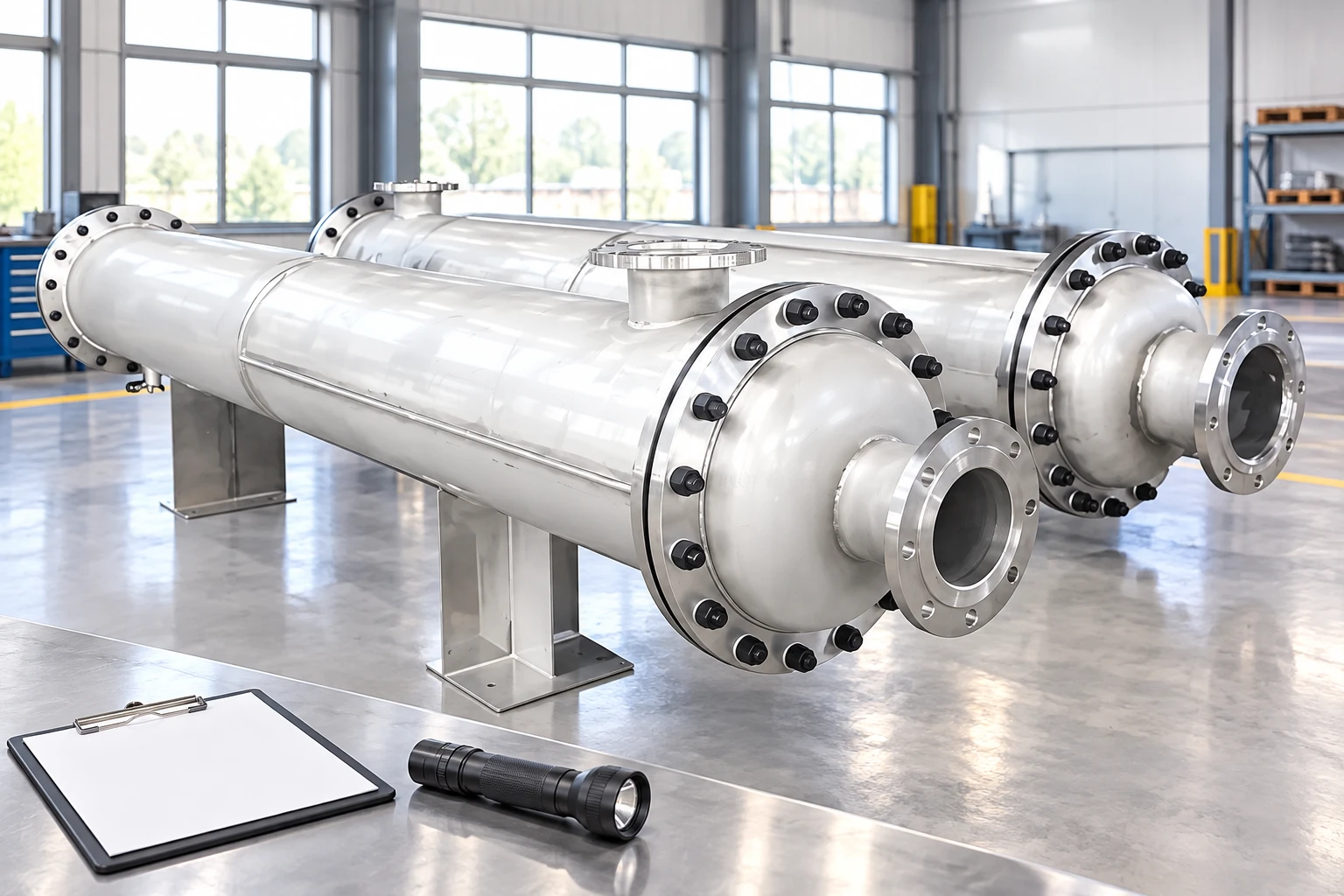
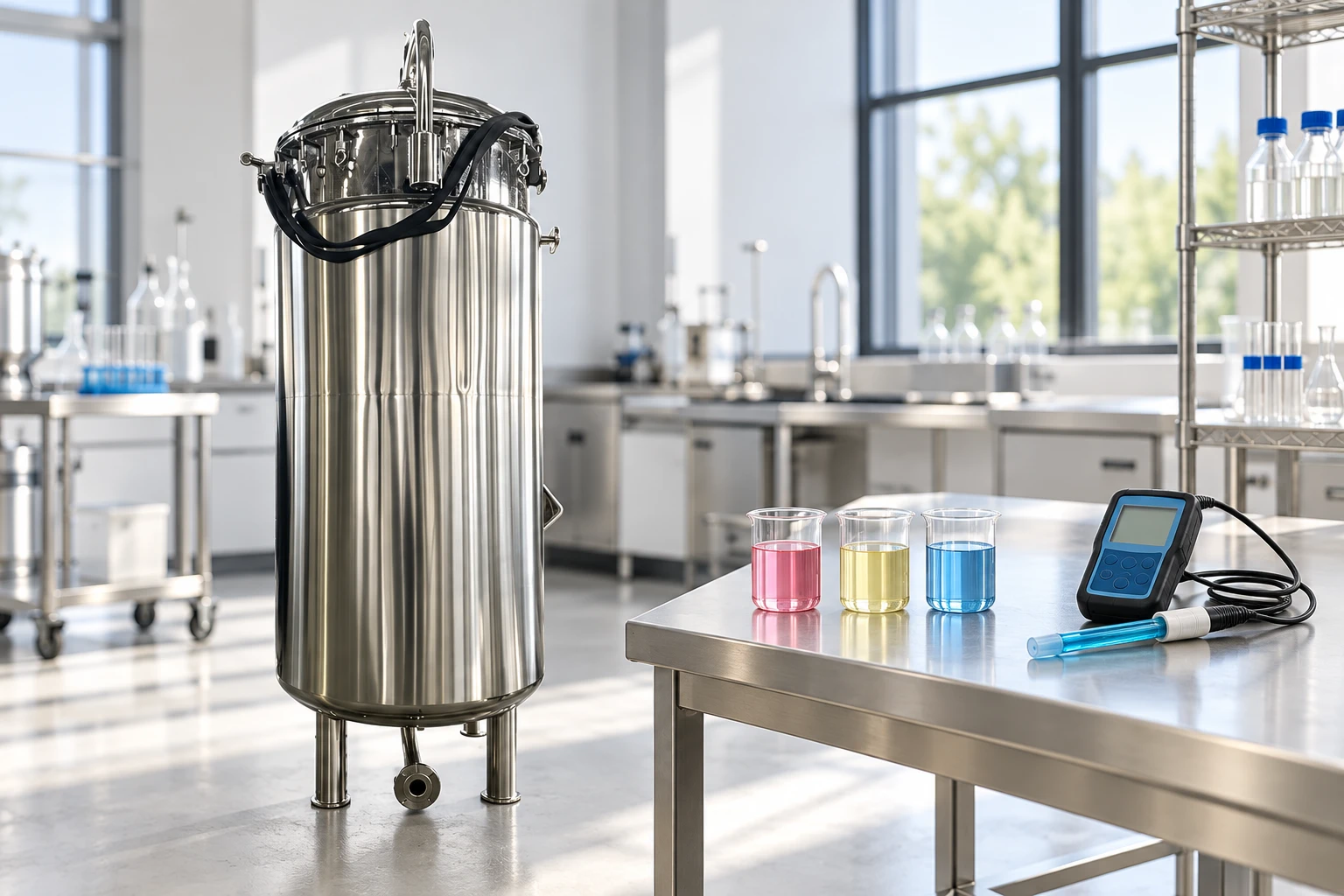
In a multitude of industrial settings, durable & effective means of containment for various reactions; stainless steel reactors are often relied upon for these properties. They are becoming a widely used product in food processing as well as pharmaceutical industries. This paper will discuss definitions of terms pertaining to stainless steel reactors; types of materials from which stainless steel reactors are made; various ways in which stainless steel reactors offer advantages over other methods to contain reactions; and possible applications of stainless steel reactors. With proper knowledge of each of these areas, prospective purchasers can select suitable and appropriate reaction vessels based on individual business requirements.
What is a Stainless Steel Reaction Vessel?
Containment vessels with stainless steel walls are containers designed to hold various chemical reactions with high precision under controlled circumstances. Because of their engineering, containment vessels can hold high temperature and pressure during the processes of mixing, heating, and cooling. A corrosion and oxidation-resistant containing vessel will help to preserve the integrity of the materials inside the container.

Materials Used in Stainless Steel Reaction Vessels
Stainless steel is an alloy that has iron (Fe), carbon (C) and at least 10.5% chromium (Cr) in its composition, which creates a rust/defect-resistant surface on the material. Additionally, in specialized applications, other metals may be added to the stainless steel alloy (e.g., nickel, molybdenum, titanium) for strength, resistivity to heat, etc. Therefore, manufacturers develop strong and easily cleaned materials, which are important features for industries such as pharmaceutical and food processing.
Advantages of Stainless Steel Reaction Vessels
The benefits of utilizing stainless steel reaction vessels are numerous:
Durability: Vessels made from stainless steel are designed to last because of the durability of the material itself; therefore, vessels will not lose their ability to provide safe and effective use even after multiple uses from repeated exposure or stress.
Corrosion Resistance: Stainless steel’s resistance to rust allows it to continue maintaining good quality over a long period of time even if it comes into contact with very strong chemicals.
Temperature Control: Because of their ability to tolerate extremes in temperature these reactors can be used for various forms of reactions that involve heating (boiling) or cooling (freezing) something.
Cleanability: The sleek stainless steel surface of the vessel does not allow for any material to stick to it, so it is very easy to clean. This helps to minimize the possibility of contamination from previous usage in sensitive applications.
Practicality of Stainless Steel Reaction Vessels
In addition to being functional, stainless steel reactors are quite versatile. There are many applications for this kind of equipment, including:
- Pharmaceutical manufacturing, where precision and cleanliness are critical.
- Food production, ensuring products remain free from contaminants.
- Chemical processing, where reactions might involve hazardous materials.
Uses of Stainless Steel Reaction Vessels
There is a large variety of uses for stainless steel reaction vessels, with applications varying greatly. They serve as vital components in:
Research and Development: In labs, these vessels are used to develop and test new substances and reactions.
Production: Many industrial processes depend on these vessels to ensure reactions occur safely and efficiently.
Quality Control: Products can be kept the same and have consistent quality by using steel vessels, where the chemical reaction occurs at the correct temperature.

Frequently Asked Questions
What is a stainless steel reaction vessel?
An SS reaction vessel provides an extremely durable and corrosion resistant container in which chemical reactions may be conducted with stability under various temperature and pressure conditions.
What materials are used in stainless steel reaction vessels, and what are their advantages?
Iron and Chromium form the basis of Stainless Steel, with additional potential elements being Nickel and Molybdenum. Overall, these materials provide outstanding durability, corrosion resistance, and ease of cleaning; thus resulting in them being ideal for use in many applications.
What are the uses of stainless steel reaction vessels?
These types of equipment are used in many areas of industry today including but not limited to: pharmaceutical; Food Processing; Chemicals Manufacturing; Research. They require precise reactions and a high level of cleanliness.
To summary: Stainless steel facilities are critical elements of many of today’s different industrial processes and industries. They provide strength and durability, resistance to corrosion, and versatility to a wide range of uses. Therefore, regardless of whether used for research, production or quality assurance purposes, stainless steel facilities ensure reactions take place safely and successfully. The right stainless steel facility improves the efficiency of production operations and the quality of product manufacturing. Thus, they are an integral part of transitioning to modern manufacturing approaches.