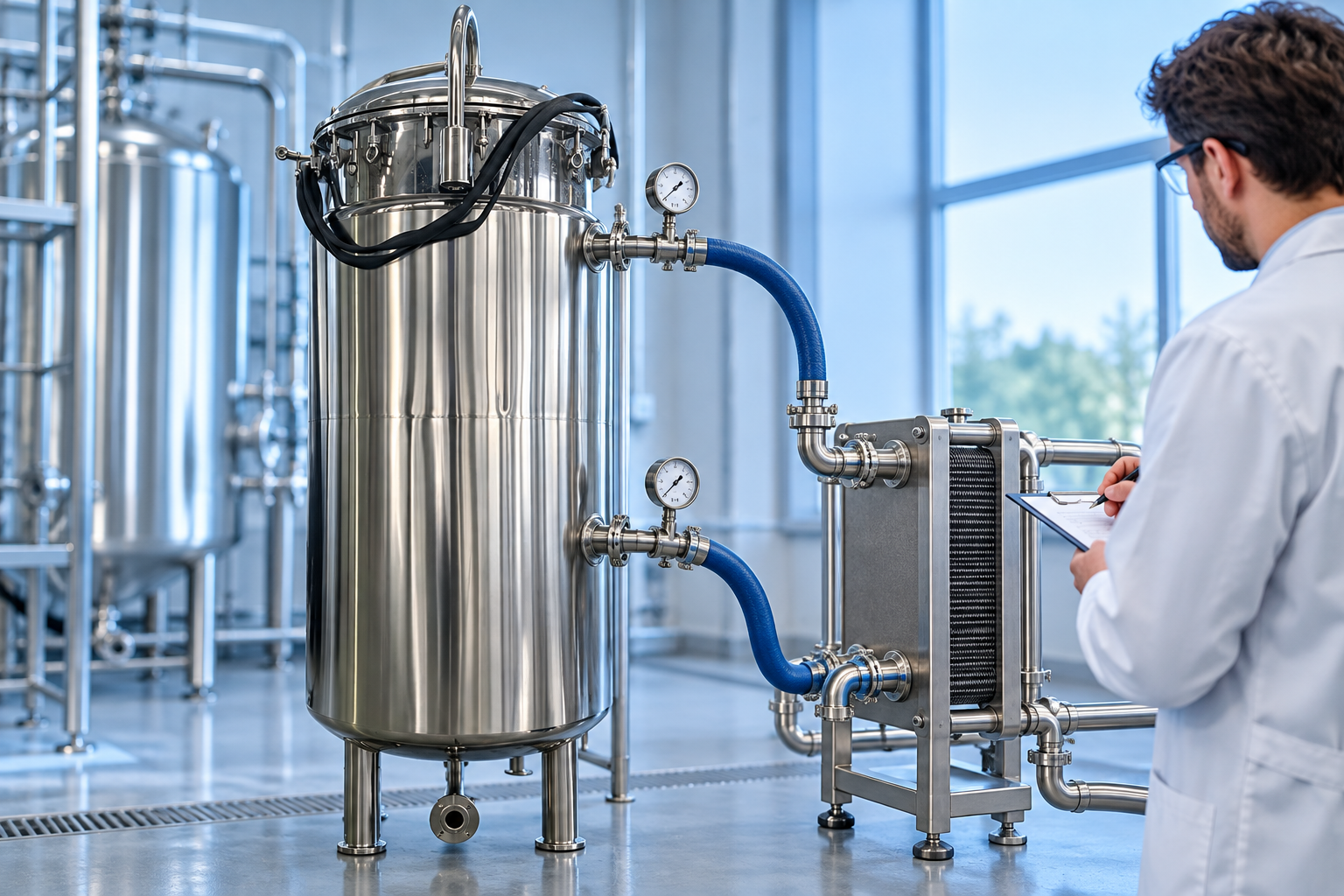
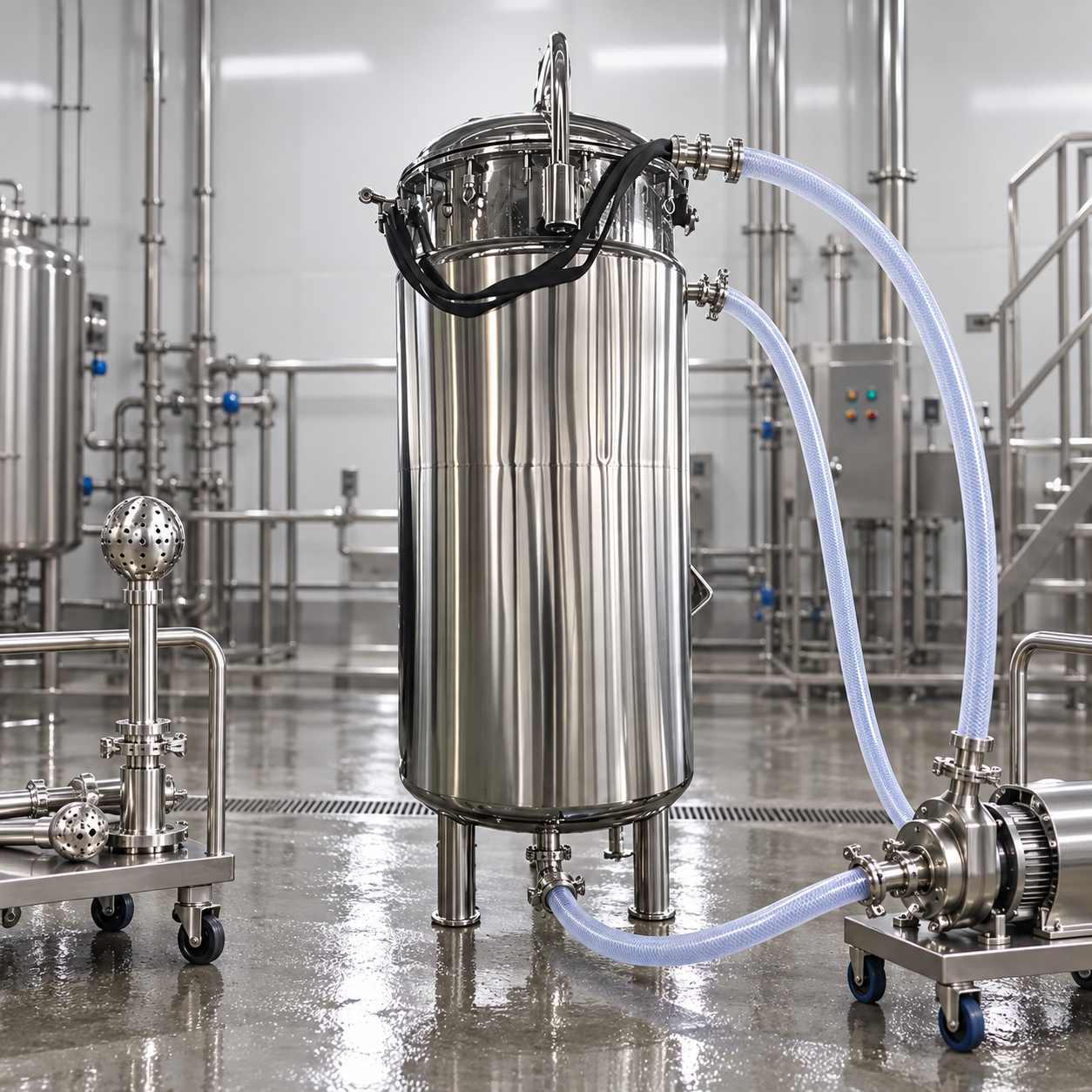
A vertical fermentation tank and a conical fermenter can occupy the same brewery conversation, but they answer different questions. “Vertical” describes the vessel’s overall orientation and footprint. “Conical” describes a lower geometry and discharge workflow. The useful selection starts with the building and process, not the name on a quotation.
For brewery buyers, the comparison is practical: floor area, headroom, lifting access, cooling connections, cleaning path, discharge route, and the daily work around the tank. No vessel type by itself guarantees beer quality, fermentation speed, or cleaning success.
Part 1. Separate the Two Equipment Terms
A vertical fermentation tank stands upright. That orientation often reduces floor footprint compared with a horizontal vessel, but it also creates requirements for headroom, access platforms, and top-mounted service. The word does not, by itself, specify the bottom shape, cooling method, or fermentation workflow.
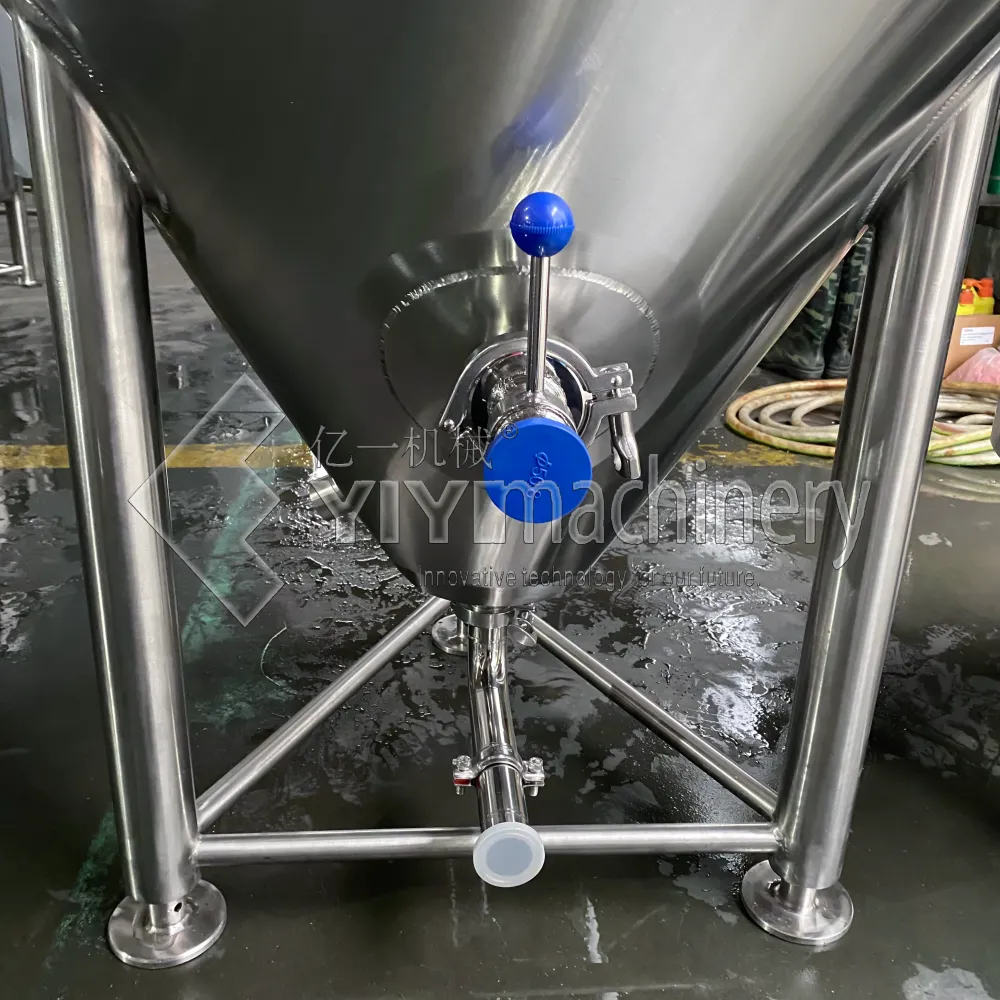
A conical fermenter is a vertical vessel with a cone-shaped lower section. The cone can support a defined discharge or solids-handling arrangement, but its usefulness depends on the brewery’s operating sequence and downstream connections. Confirm the actual drawing, cone geometry, valve arrangement, and support design rather than assuming all conical tanks are interchangeable.
Treat the choice as an equipment-layout decision. The recipe, yeast, operating procedure, and production validation belong to the brewery; the vendor’s role is to provide a vessel configuration that matches the documented duty.
| Term | What it describes | What it does not prove |
|---|---|---|
| Vertical fermentation tank | upright orientation and layout class | cone geometry, cooling capacity, or beverage result |
| Conical fermenter | vertical vessel with a cone-shaped lower section | universal yeast-handling or cleaning performance |
| Brewery layout | tank position, access, utilities, and workflows | a final equipment size without site inputs |
| RFQ package | common engineering basis for bids | buyer-side process validation |
Part 2. Start With the Brewery Layout
Measure the building before comparing tank silhouettes. Record usable floor area, clear height, door width, rigging route, floor loading information, drain locations, equipment aisles, and safe access to top connections. A tall vertical vessel may fit a tight footprint but may challenge a low ceiling or a restricted installation route.
Service clearance matters after installation as well. Operators need room for valves, sample points, instruments, cleaning connections, insulation service, and access platforms. Maintenance teams need a route for removing drives, opening manways, or reaching top fittings. Put these constraints into the layout drawing early.
Tank count changes the conversation. A brewery may prefer several smaller vessels for scheduling flexibility or fewer larger vessels for a different workflow. That is a production-planning decision, not an inherent advantage of a cone or vertical shell. Give every bidder the same batch and turnover assumptions so their layouts can be compared fairly.
Part 3. Review Cone Discharge and Workflow
The conical lower section changes the bottom-end discussion. Ask where product, yeast, sediment, or cleaning liquid will discharge; what valves and pipework belong to the vendor; and whether gravity, a pump, or a transfer header receives the outlet. A cone is a geometry, not a standalone workflow.
Validate the slope against the actual task. A proposed cone angle, outlet size, and valve arrangement should be reviewed with the brewery’s product behavior, solids handling, cleaning method, and access needs. Avoid claiming that a specific cone will automatically deliver complete separation or eliminate manual intervention.
The straight vertical tank may suit a different route. If the process does not require the conical-bottom workflow, a vertical cylindrical arrangement may be simpler to place, connect, or service. Use the brewery’s discharge and cleaning steps to determine whether the extra geometry earns its place.
| Decision point | Vertical cylindrical emphasis | Conical fermenter emphasis |
|---|---|---|
| Bottom arrangement | confirm discharge height and drain route | confirm cone, outlet, valve, and collection route |
| Layout | optimize floor area and vertical clearance | also allow room below and around the cone assembly |
| Workflow | match transfer and cleaning sequence | match intended solids or yeast-handling sequence |
| Acceptance | buyer validates operation | buyer validates operation and separation behavior |
Part 4. Map Cooling and Utility Interfaces
Cooling should be quoted from a brewery utility profile. State the target temperature range, expected sequence, utility medium, supply and return conditions, insulation expectations, and the plant’s limits on flow and pressure. The vendor can propose jacket or other interface arrangements; actual cooling behavior depends on the vessel, product, batch, utilities, ambient conditions, and operating procedure.
Route utilities on the layout. Vertical tanks may place cooling and top connections at different heights from adjacent equipment, so headers, supports, service access, and insulation repairs need a real site view. The mixing tank range provides related utility-planning vocabulary, but a brewery’s fermentation profile must be specified independently.
Include controls in the boundary. Identify temperature sensors, control ownership, alarm needs, panel interfaces, and any site automation requirements. Do not turn an instrument list into a promise that the tank will achieve a particular fermentation time or beverage outcome.
Part 5. Include Cleaning, Access, and Maintenance
Cleaning must be compared as a complete route. State whether the brewery uses manual cleaning, spray devices, or a clean-in-place system; identify supply, return, drain, and verification responsibilities; and examine whether valves, low points, and service spaces are accessible. A vessel can be designed around a documented cleaning scope, while the brewery owns the procedure and validation.
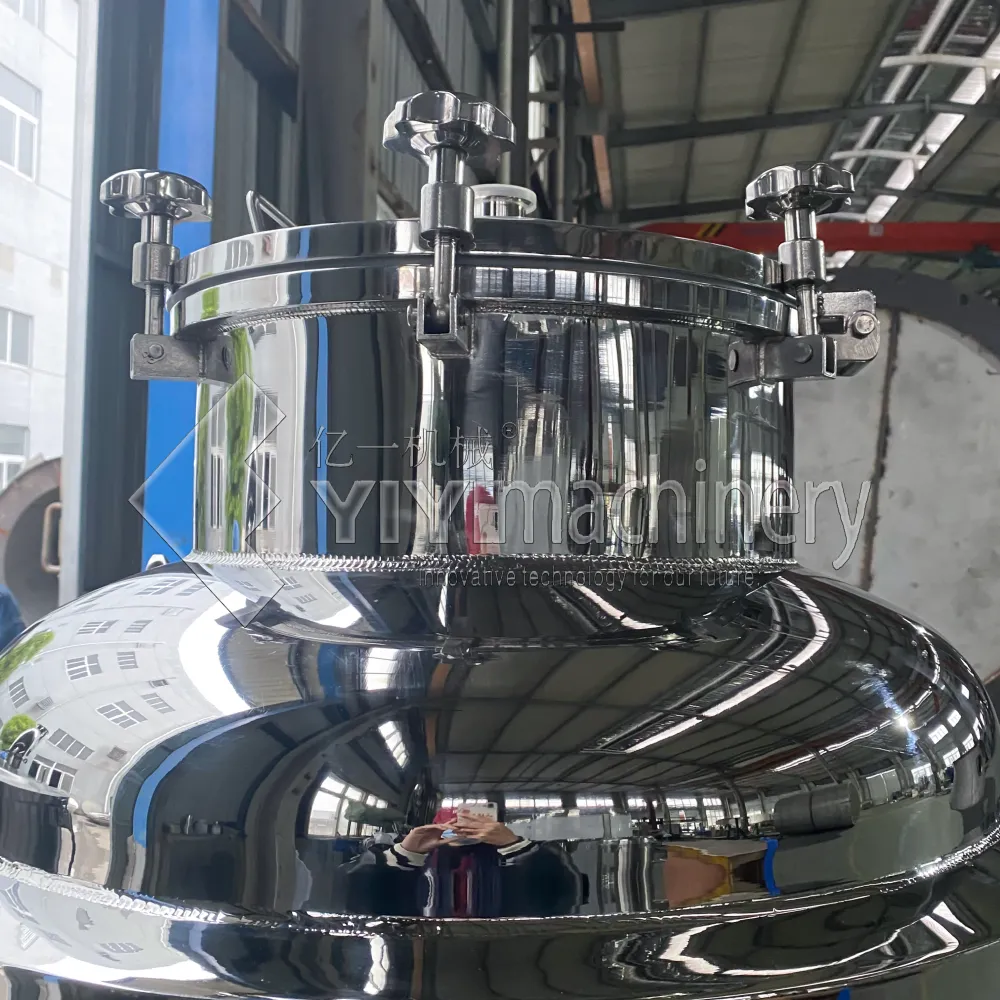
Top access needs a plan. Manways, spray devices, vent paths, sensors, and drives may be above normal reach on a tall vertical tank. Platforms, ladders, fall protection, clearance, and maintenance lifting should be part of the layout review. OSHA’s safety resources are general context; project-specific safety design remains with the responsible parties.
The biological fermentation tank range helps frame cleaning and interface inputs beyond the brewery comparison. Use it to document the cleaning scope before asking a fabricator to include fittings or a spray arrangement.
Part 6. Keep Operational Boundaries Visible
The Brewers Association’s quality resources illustrate why brewery quality relies on an operating system, not only a vessel purchase. Tanks, utilities, cleaning, yeast management, records, and procedures work together. A fabricator can supply a defined equipment scope but cannot certify a brewery’s quality program through a general product page.
Write exclusions plainly. If the site supplies glycol, controls, CIP skids, piping, platforms, or installation, include that in the RFQ. If the vendor is expected to include any of those items, require a line-by-line scope. The resulting quotation is easier to compare and less likely to hide a layout mismatch.
Keep process claims with the process owner. Fermentation time, beer quality, yeast separation, cleaning validation, and sanitary certification require brewery-specific evidence. They should not be inferred from “vertical” or “conical” in a tank title.
Part 7. Turn the Comparison Into an RFQ
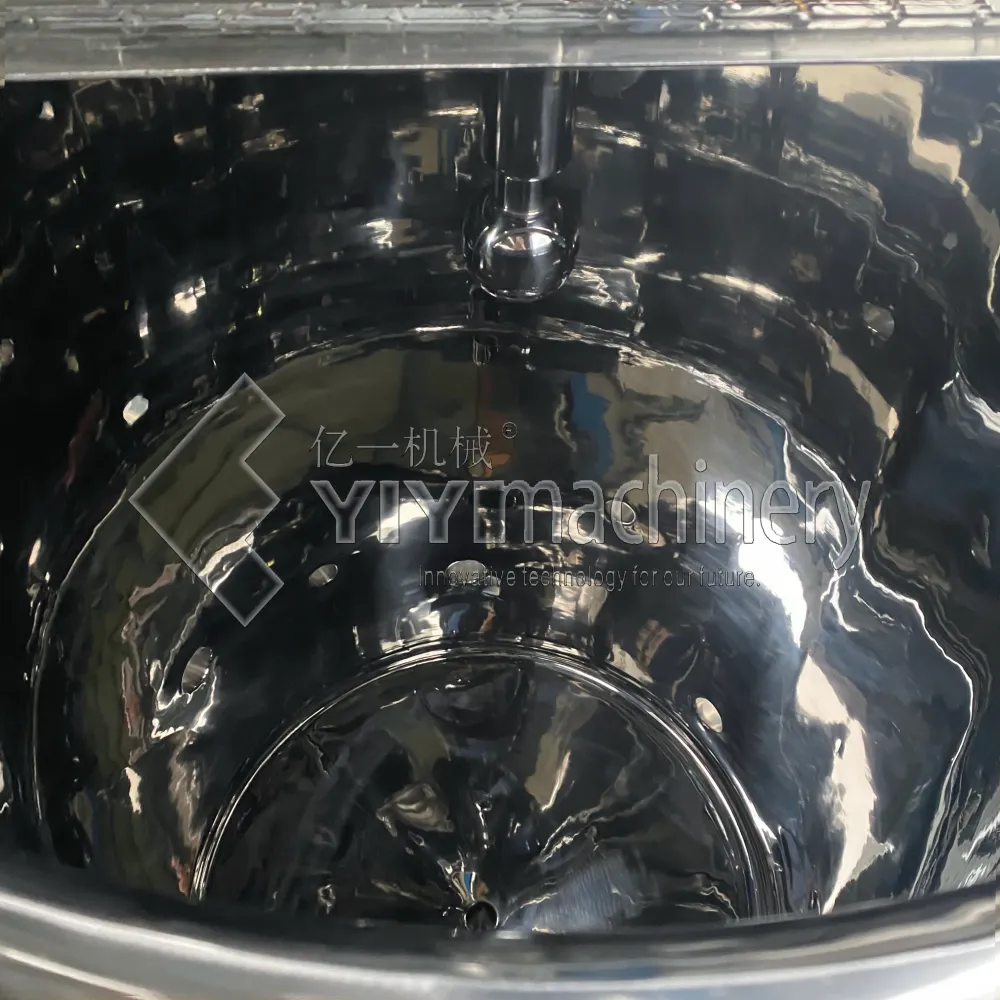
YIYI’s vertical fermentation tank range and 1000 fermentation tank configuration provide a starting point for a vessel discussion. They should be read as configuration context, not a guarantee about fermentation speed, beer quality, cleaning validation, or a particular yeast workflow.
Prepare one brief for all bidders: beverage and production context, working-volume range, tank count, building dimensions, access route, desired bottom and discharge workflow, cooling utilities, insulation needs, cleaning method, instrument schedule, connections, controls, documentation, and installation boundary. Ask bidders to identify their assumptions, exclusions, and drawing information still needed.
Once the layout and duty are documented, share your brewery layout for configuration review. The best equipment comparison is a comparison of complete, comparable scopes.
FAQs
Is every vertical fermentation tank a conical fermenter?
No. Vertical describes orientation. A conical fermenter also has a cone-shaped lower section. Confirm the approved drawing, bottom geometry, valves, and discharge route for the specific model.
When does a conical bottom help a brewery layout?
It can support a particular bottom-discharge or solids-handling workflow. Its fit depends on the brewery’s product, transfer route, space below the tank, valve access, and operating procedure.
What cooling information belongs in the RFQ?
State the temperature profile, utility medium, supply and return conditions, insulation expectations, control interfaces, and site limitations. Actual results need project-specific engineering and validation.
How should cleaning be included in the comparison?
Describe manual, spray, or CIP method; supply and return paths; drain route; access requirements; and who verifies cleaning. Cleaning validation is a brewery responsibility.
Can a supplier promise beer quality or fermentation time?
No. Those outcomes rely on recipe, yeast, process control, utilities, cleaning, operating practices, and brewery validation. A supplier can provide a documented equipment configuration.
What should a vertical fermentation tank RFQ include?
Include beverage and workflow context, batch range, layout dimensions, access, bottom-discharge needs, cooling utilities, cleaning route, instruments, connections, controls, installation boundary, and acceptance responsibilities.