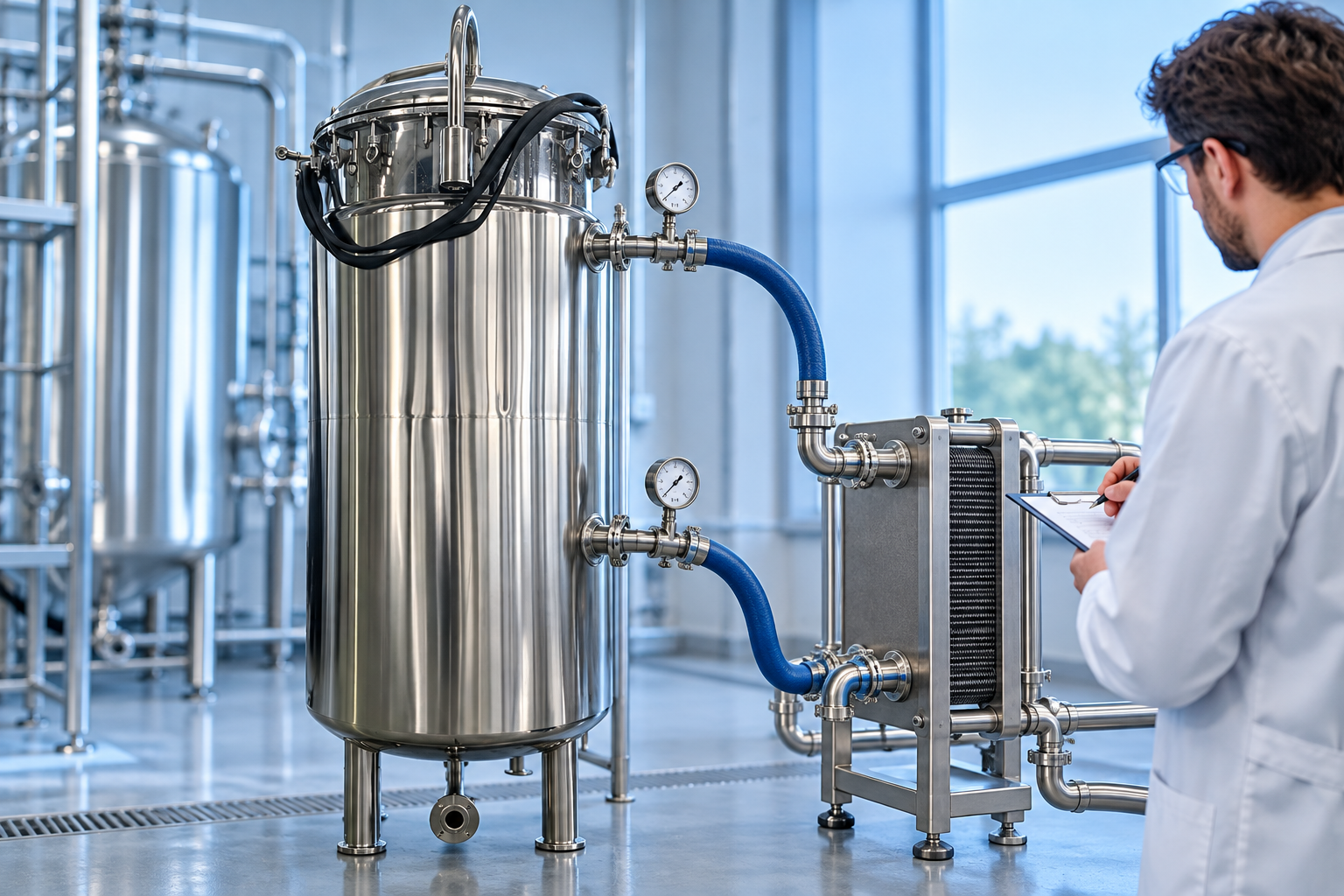
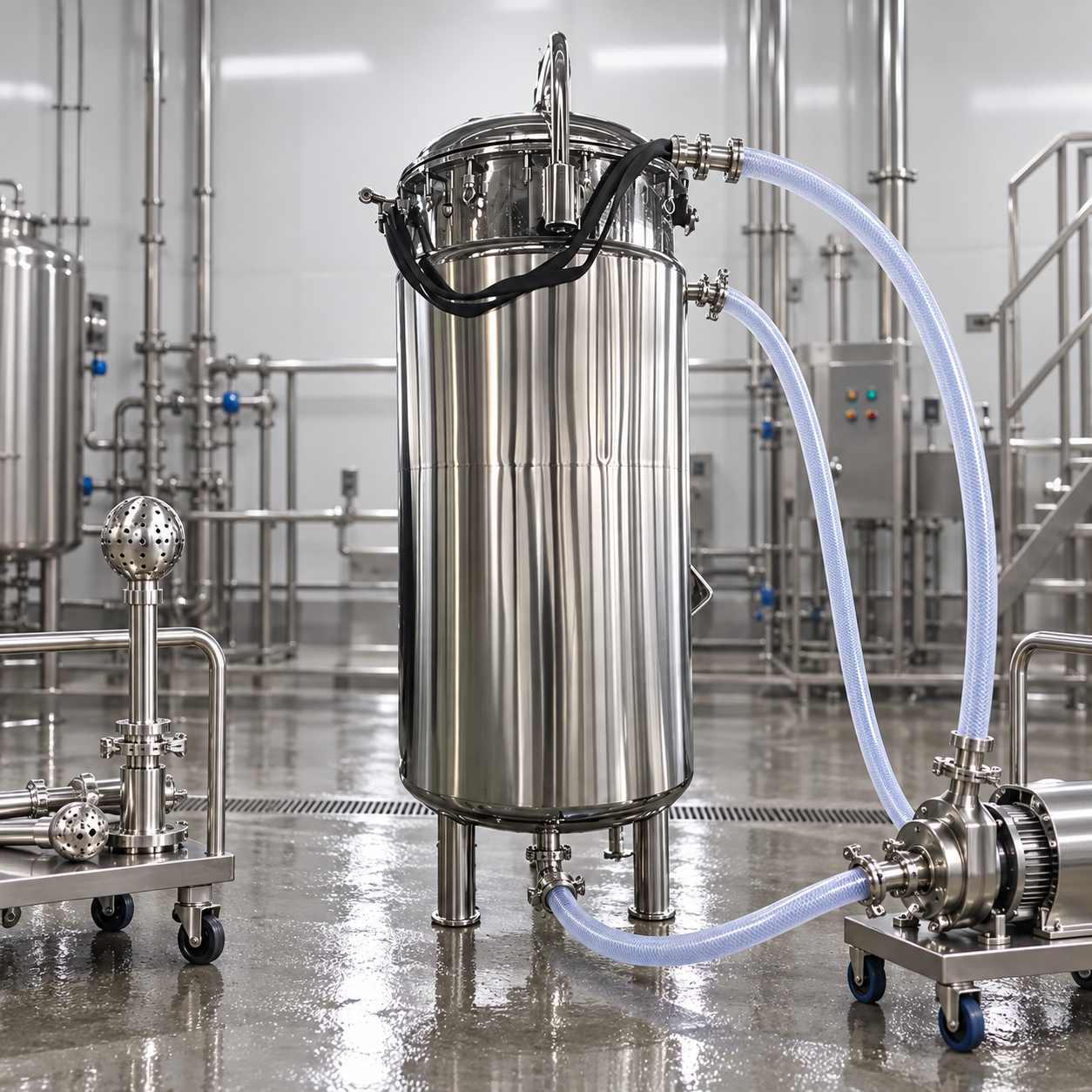
Electric heating gives a reaction vessel independence. No steam boiler, no thermal-oil loop, no piping across the plant — just a supply cable, elements, and a controller. For laboratories, pilot plants, and production sites without steam, an electric heating reaction vessel is often the shortest route to controlled batch temperature.
Independence has its own homework. Element arrangement, watt density, sensor placement, and the protection chain decide whether the reactor heats the product or scorches it, and the electrical supply must carry what the heat-up time demands. This guide turns those decisions into RFQ inputs.
Part 1. Decide Where Electric Heating Fits
Compare against the utility reality. Where steam or thermal oil already exists, jacketed heating from those systems may cost less per batch; where they do not, electric heating avoids the whole utility investment. The principle of converting current directly to heat is summarized in Wikipedia: Electric heating.
Consider the temperature range and the product. Electric elements reach high surface temperatures quickly, which suits duties needing brisk heat-up but demands care with heat-sensitive products. Note both the target temperature and the product’s tolerance at the heated surface.
Think in duty cycles. Occasional batches favor the simplicity of electric heating; continuous high-load heating shifts the economics toward central utilities. Record batches per week and the hours the elements will actually work.
| Fit question | What to record | Why it matters |
|---|---|---|
| Existing utilities | steam, thermal oil, none | Sets the economic baseline |
| Target temperature | operating and maximum | Screens heating methods |
| Product sensitivity | maximum contact temperature | Limits watt density |
| Duty cycle | batches per week, hours | Shapes operating cost |
| Location | supply capacity, area rules | Frames electrical review |
Part 2. Choose the Heater Arrangement
Elements can sit in different places. Common arrangements include elements in a jacket-style shell around the vessel, immersion elements in a heating medium bath, and direct immersion in the product; each changes surface temperature, maintenance, and cleaning.
Indirect arrangements protect the product. Heating a jacket medium (oil or water) with electric elements smooths the surface temperature the product sees, at the cost of thermal lag; the heat still originates as resistance heating, as described in Wikipedia: Joule heating.
Watt density is the quiet specification. The same power spread over more element area lowers the surface temperature and the scorching risk, so state the product’s maximum contact temperature and ask bidders to state their watt-density basis. The mixing-side view of similar equipment appears in the electric heating stirrer tank guide.
Part 3. Match Power to Heat-Up Time and Supply
Heat-up time drives power. Raising a full batch through a large temperature difference within a deadline requires energy at a rate; halving the required time roughly doubles the demand. State the batch size, the temperature rise, and the acceptable heat-up time as one connected requirement.
The supply must carry it. Installed heater power lands on the plant’s electrical system, so record the available supply capacity and voltage early and route the connection design to the site’s electrical reviewer. Oversized heaters that trip supplies help nobody.
Losses and holding load complete the sizing story. Insulation quality decides how much power the hold phase consumes after heat-up, so the RFQ should state insulation expectations alongside the heating duty.
Part 4. Place Sensors and Define Control
Measure where the product is, not where the heater is. A sensor near the elements reads optimistic values while the bulk lags; a representative location in the liquid, often with agitation, gives the controller an honest signal. Sensor families such as thermocouples and resistance devices are introduced in Wikipedia: Thermocouple.
Separate control from safety sensing. The control loop holds the recipe temperature; an independent sensor watches for over-temperature and acts through its own path. Combining both jobs in one probe saves little and risks much.
State the control expectation. Simple on-off control suits tolerant duties; staged elements or power control suit tight bands and sensitive products. Name the acceptable band and whether the plant control system supervises the loop.
Part 5. Build the Protection Chain
Dry running is the classic failure. Elements exposed by low level overheat quickly, so a low-level protection that blocks heating belongs in the baseline, along with a stated response when level returns.
Over-temperature protection stands independent. An element-zone or product high-temperature device should cut power through its own contactor path, separate from the control loop, and its setpoint and reset behavior should be written down.
Add element and circuit monitoring where duty justifies it. Failed-element indication, earth-fault protection, and cabinet interlocks reduce quiet degradation and service surprises; agree what the site’s electrical rules require and who supplies the panel. Reactor-side scope boundaries are similar to those in the atmospheric pressure reaction vessel guide.
| Protection | Failure it addresses | Stated response |
|---|---|---|
| Low-level cutoff | dry-running elements | block heating until level returns |
| Over-temperature cutout | control-loop failure | cut power on independent path |
| Element monitoring | quiet element loss | indication and service alert |
| Earth-fault protection | insulation degradation | trip per site electrical rules |
Part 6. Cover Materials, Nozzles, and Installation
Materials follow the media list. Provide reactants, solvents, cleaning chemistry, and temperatures, and ask for a stated material and gasket basis; heated surfaces can accelerate corrosion mechanisms that ambient service tolerates.
The nozzle schedule mirrors any reactor. Feeds, vapor connection, instruments, sampling, manhole, drain, and the element access itself need sizes and orientations; element removal clearance is a real installation constraint that deserves a drawing note.
Describe the installation context: indoor placement, ventilation around cabinets, washdown exposure, floor loading, and the route from the electrical room. If the area carries any hazardous-area classification, say so first — it reshapes the entire electrical scope and belongs with the responsible reviewer.
Part 7. Compare Electric Reactors and Prepare the RFQ
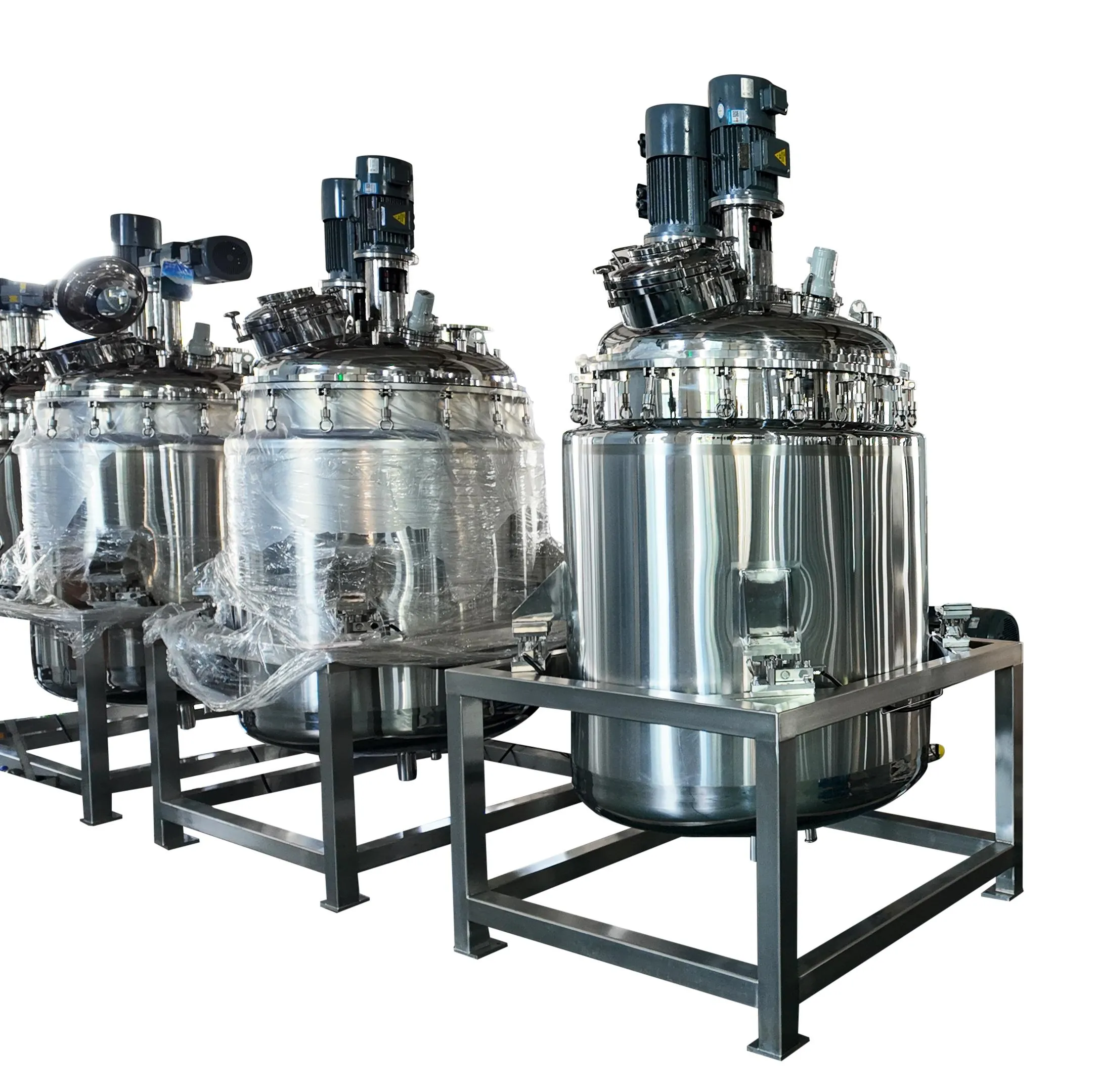
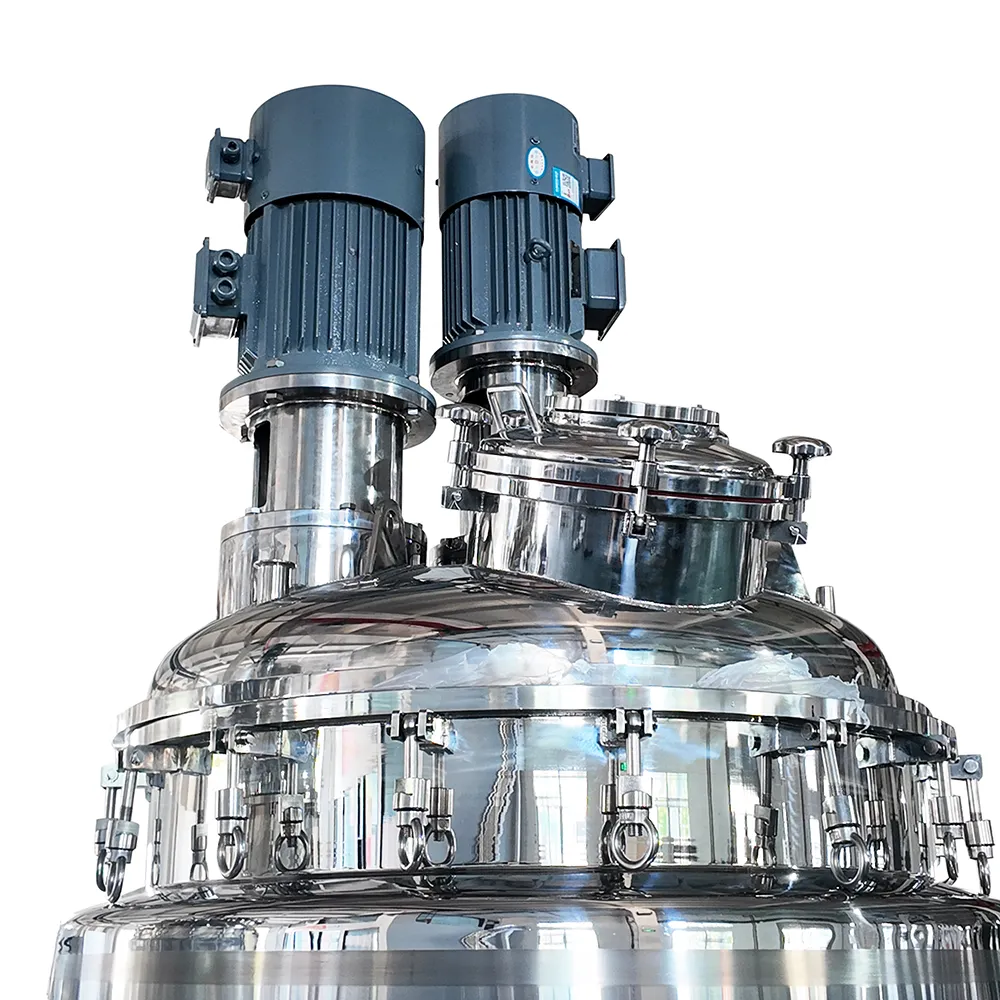
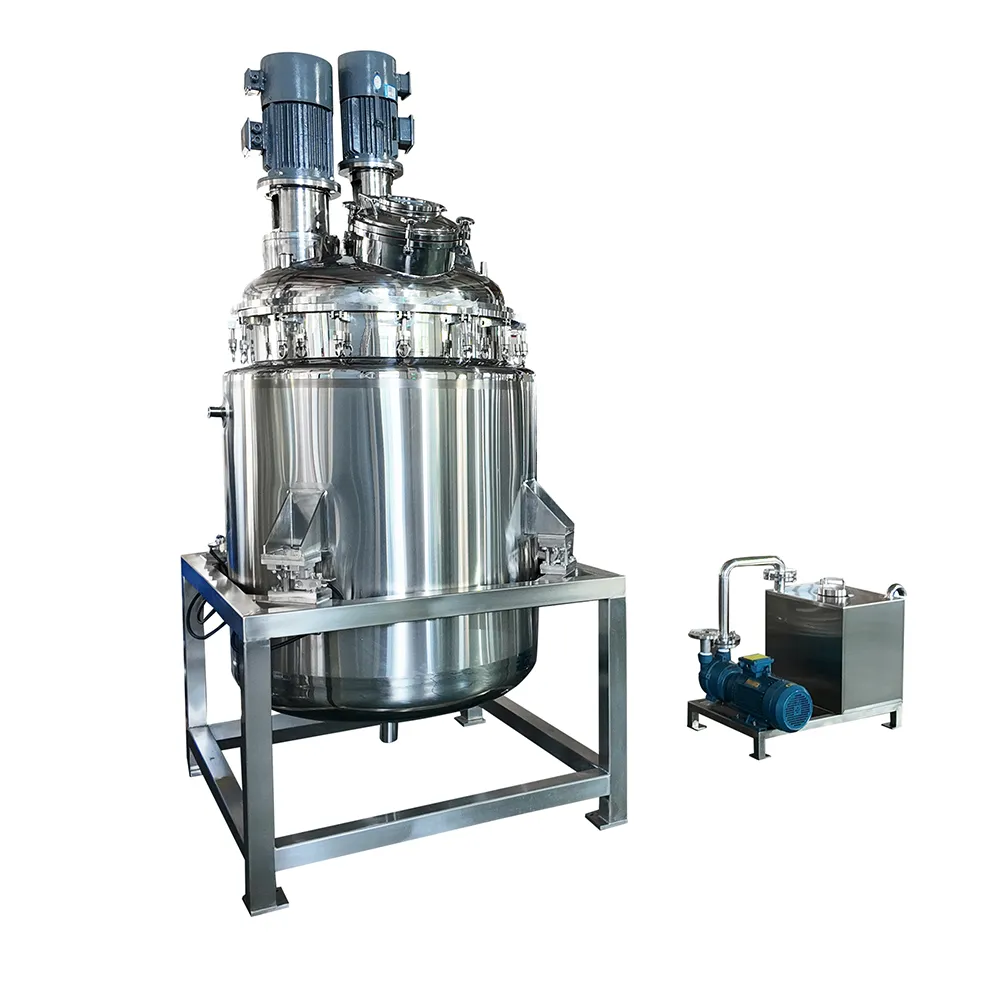
Published equipment shows the configuration classes. Compare the 1000L stainless steel electric heating reactor with the general-purpose electric heating reactor class.
The wider configurable reactor range extends the options. Product pages provide configuration context; they do not guarantee heat-up times or control accuracy for your batch.
Send one identical package: reaction description, batch size, temperature targets and heat-up time, product contact-temperature limit, supply capacity, duty cycle, sensor and control expectations, the protection chain, media list, materials, nozzle schedule, and installation constraints.
Ask bidders to state installed power, watt density, control method, protection devices, assumptions, and exclusions. When the package is ready, send your heating duty for a configuration discussion and compare responses against the same clock and the same product limits.
FAQs
What is an electric heating reaction vessel?
It is a reactor heated by electric resistance elements, either directly or through a jacket medium, giving controlled batch temperature without steam or thermal-oil utilities.
Is electric heating better than steam for reactors?
Neither wins universally. Electric heating avoids utility infrastructure and suits plants without steam; existing steam systems often cost less per batch at high loads. Compare against your utility reality and duty cycle.
How fast can an electric reactor heat up?
Heat-up time follows installed power, batch size, and the temperature rise. State the required time and let bidders respond with power and watt density rather than guessing a figure.
Can electric heating elements scorch the product?
High surface temperatures can damage sensitive products. Stating a maximum contact temperature and requesting a low watt density or indirect arrangement manages the risk.
What protections does an electric heating reactor need?
The baseline chain is low-level protection against dry running, an independent over-temperature cutout, and the monitoring the site’s electrical rules require, each with stated responses.
Where should the temperature sensor be placed?
Control needs a representative location in the product, away from element hot zones, usually helped by agitation. Safety sensing runs on a separate device and path.
What should an electric heating reaction vessel RFQ include?
Include the duty and batch size, temperature targets and heat-up time, contact-temperature limit, supply capacity, control and protection expectations, media list, materials, nozzles, and installation constraints.