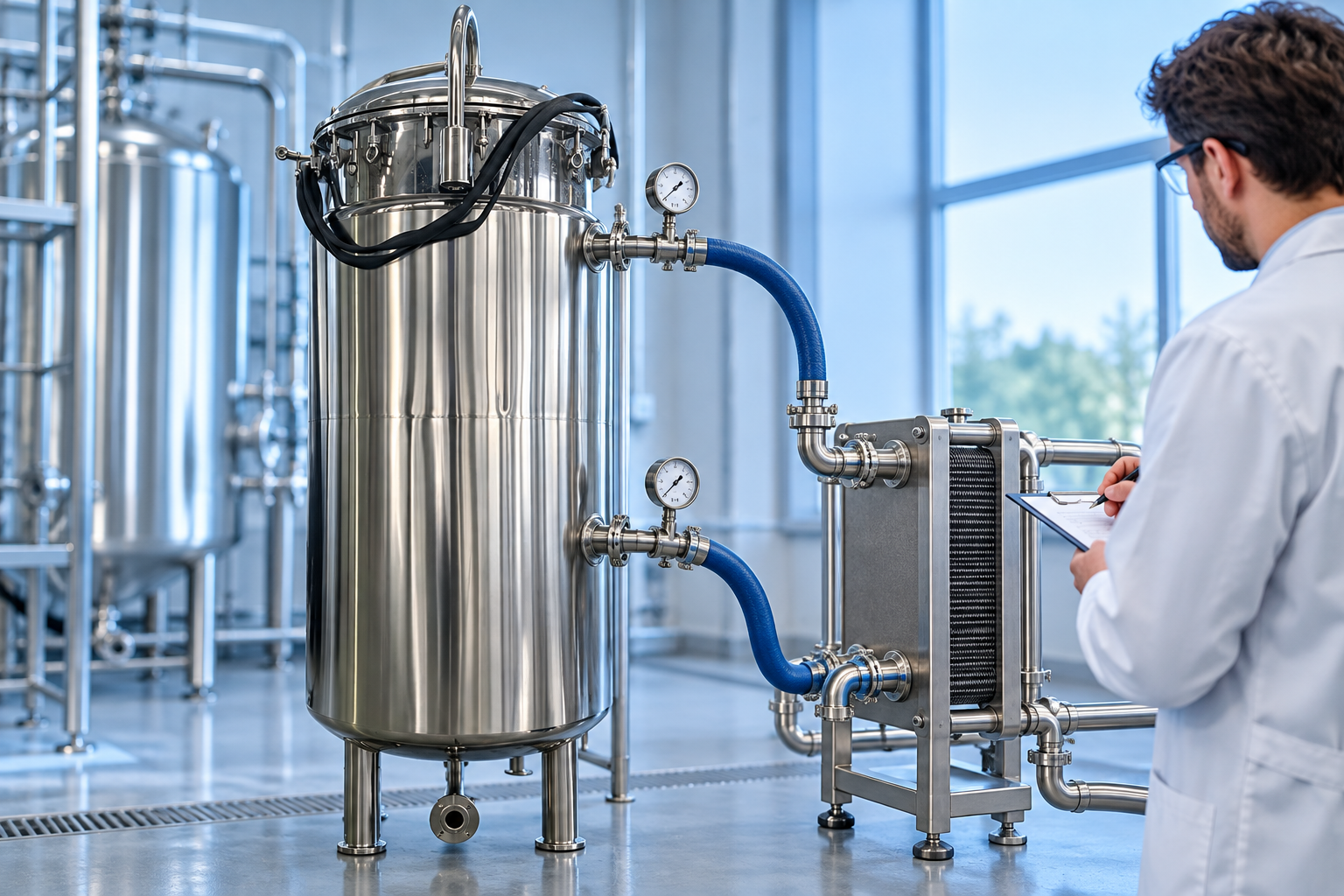
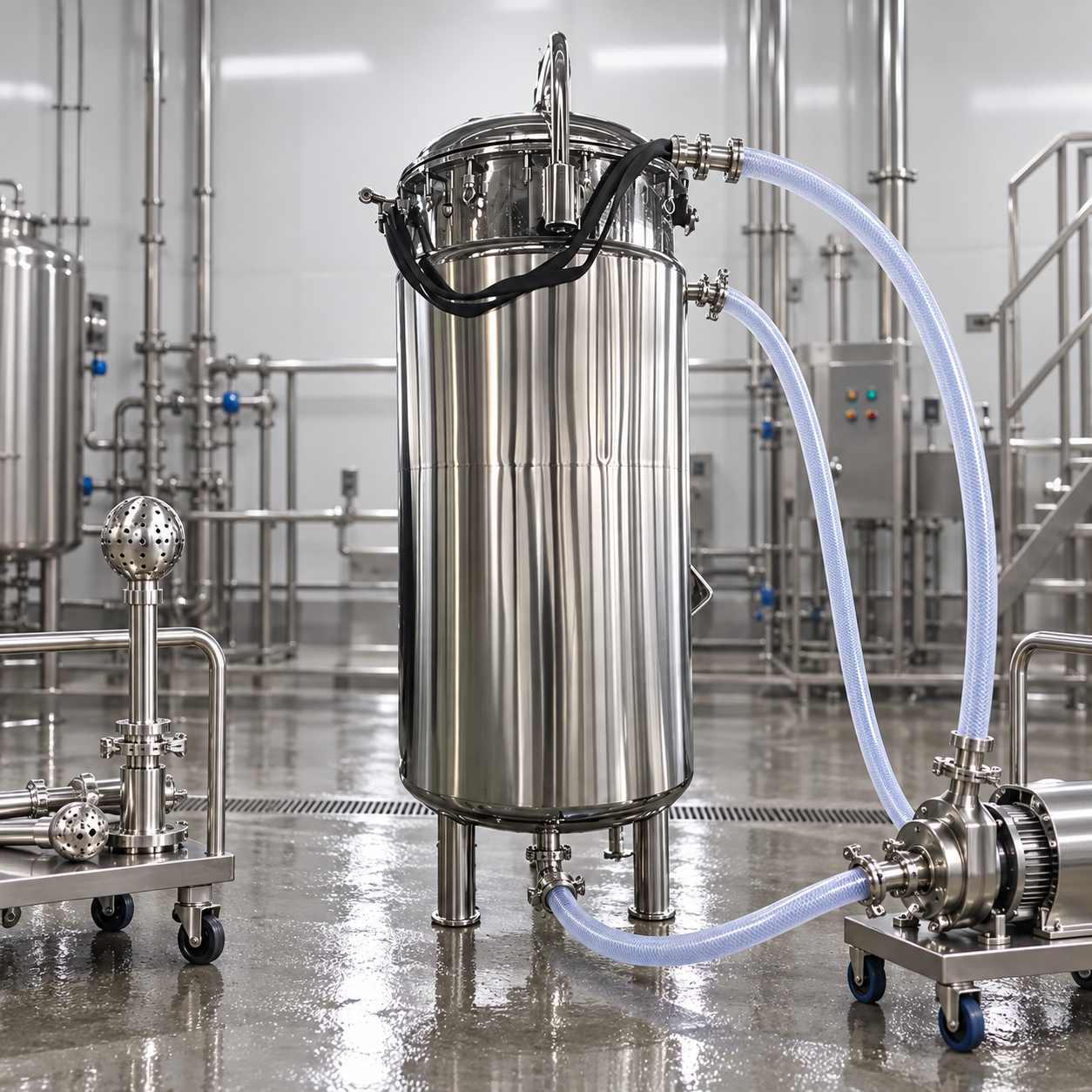
Once a reactor needs genuine pressure capability, the purchase changes character. Wall thickness, testing, documentation, and price all climb with the rating, and vague inputs stop being harmless: a fabricator quoting a medium-pressure reaction vessel against a guessed number delivers either an unsafe compromise or an oversized bill.
Buyers control the outcome through their inputs. This guide lists the design inputs worth clarifying before the RFQ leaves the building — the process envelope, the pressure basis, materials, sealing, the relief interface, and the paperwork — so bids arrive comparable and reviewable.
Part 1. Start from the Process Envelope
Map what the process actually does. Record the normal operating pressure and temperature, the peaks during heat-up and reaction, the lows during cooling and emptying, and how often the cycle repeats; that envelope is the raw material for every later decision, as reactor background such as Wikipedia: Chemical reactor frames it.
Exotherm behavior belongs in the envelope. A reaction that can self-heat changes the pressure story, the cooling requirement, and the protection philosophy, so describe what happens when cooling lags or a feed overshoots.
Include the operations around the reaction: inerting, pressurized transfer, vacuum stripping, and cleaning cycles all touch the pressure boundary. An envelope that covers only the reaction step usually misses the extremes.
| Envelope input | What to record | Why it matters |
|---|---|---|
| Normal operation | pressure and temperature ranges | Baseline duty |
| Peaks | heat-up, reaction, transfer spikes | Sets design candidates |
| Lows | cooling, emptying, vacuum steps | Adds vacuum tolerance |
| Exotherm | self-heating and failure behavior | Drives protection scope |
| Cycles | batches per week, lifetime | Affects fatigue thinking |
Part 2. Choose the Design Basis Consciously
Design conditions are a decision, not an average. Set the design pressure above the worst credible operating peak with a margin the team can defend, and pair it with a design temperature that covers the same scenario; the pairing matters because material strength changes with temperature.
Resist the round-number reflex. Copying a generous rating from an old datasheet inflates cost, while trimming the margin to the exact peak removes the room operations depends on. Write one sentence explaining why the chosen numbers are right.
Classification follows the numbers. How a vessel is categorized and what approvals apply depend on the stated conditions, the contents, and the jurisdiction, as background reading such as Wikipedia: Pressure vessel makes clear; the buyer states the basis, and the responsible reviewer owns the classification.
Part 3. Check Materials at Pressure and Temperature
Provide the full media list. Reactants, intermediates, catalysts, solvents, and cleaning chemistry, each with concentration and temperature, let bidders state a material basis; a grade that resists the product cold may behave differently at the design temperature.
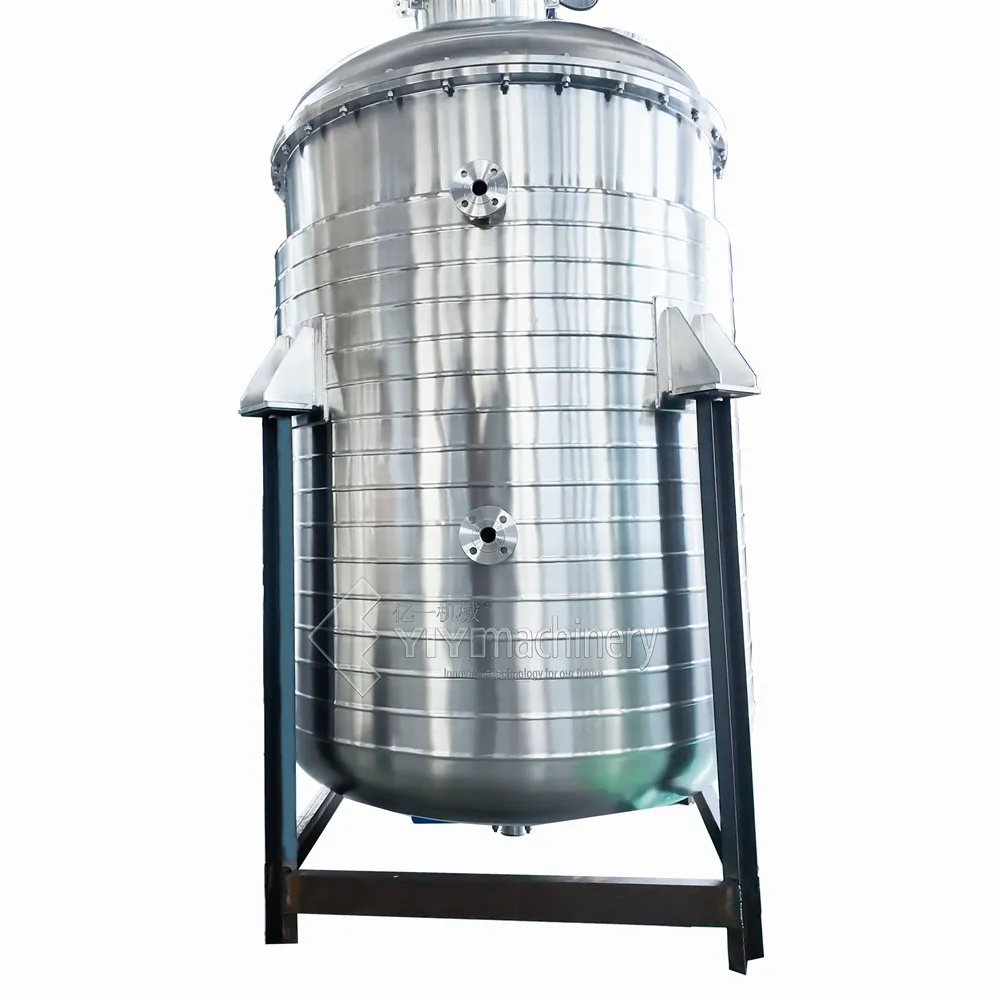
Ask for the basis, not a brand name. The useful response names the grade, the corrosion allowance if any, the weld treatment, and the reasoning against your media list; stainless-vessel fundamentals are introduced in learn about stainless steel reaction vessels.
Remember the second boundary. Jacket or coil systems carry utility media at their own conditions, and dissimilar-material joints, thermal cycling, and external corrosion under insulation each deserve one line in the RFQ rather than silence.
Part 4. Seal the Penetrations for the Hazard
Every penetration is a leak candidate. The agitator shaft, instrument ports, sight glasses, and manhole gaskets all cross the boundary, and their sealing quality should scale with the contents’ hazard and value.
State the leakage philosophy. Some duties accept a monitored single mechanical seal; toxic or flammable contents at pressure usually justify a double seal with a barrier system and defined monitoring; magnetic couplings remove the dynamic seal where torque allows.
Plan the maintenance reality. Seal service intervals, barrier fluid checks, and the spares strategy belong in the operating plan, and the RFQ should ask bidders to describe service access around the drive and seal area.
Part 5. Reserve the Relief Interface
Overpressure protection is its own engineering scope. Relief devices exist to protect the vessel when scenarios stack up, as general references such as Wikipedia: Pressure relief valve describe, and their sizing requires scenario analysis that stays with the responsible engineer.
The vessel must still be ready for it. Reserve a relief nozzle with a stated size and location, ask where the discharge routes, and record who delivers the device, who sizes it, and who documents the basis.
Alarms come before devices act. Pressure indication with defined alarm and interlock responses gives operators time; state what the control system watches and what it does at each threshold. The pressure-free end of the spectrum is covered in the atmospheric pressure reaction vessel guide, which shows how much this scope shrinks without a rating.
Part 6. Agree Testing, Documentation, and Registration Data
Expect testing to scale with the class. Pressure-rated vessels typically carry material certificates, weld records, and a witnessed pressure test; state which records the site requires and whether third-party involvement is expected.
Name the registration data early. Many sites must register pressure equipment with an authority or insurer, and the data pack (drawings, calculations, test certificates) is much cheaper to request in the RFQ than to reconstruct later.
Fix language and format. State the required document language, the format for drawings and certificates, and the deadline relative to delivery, so the paperwork arrives with the vessel instead of months after it.
| Document | What it proves | When to request |
|---|---|---|
| Material certificates | shell and nozzle traceability | in the RFQ |
| Weld and test records | fabrication quality | in the RFQ |
| Pressure test certificate | boundary integrity | before dispatch |
| Registration data pack | authority or insurer filing | with delivery |
Part 7. Compare Configurable Reactors and Prepare the RFQ
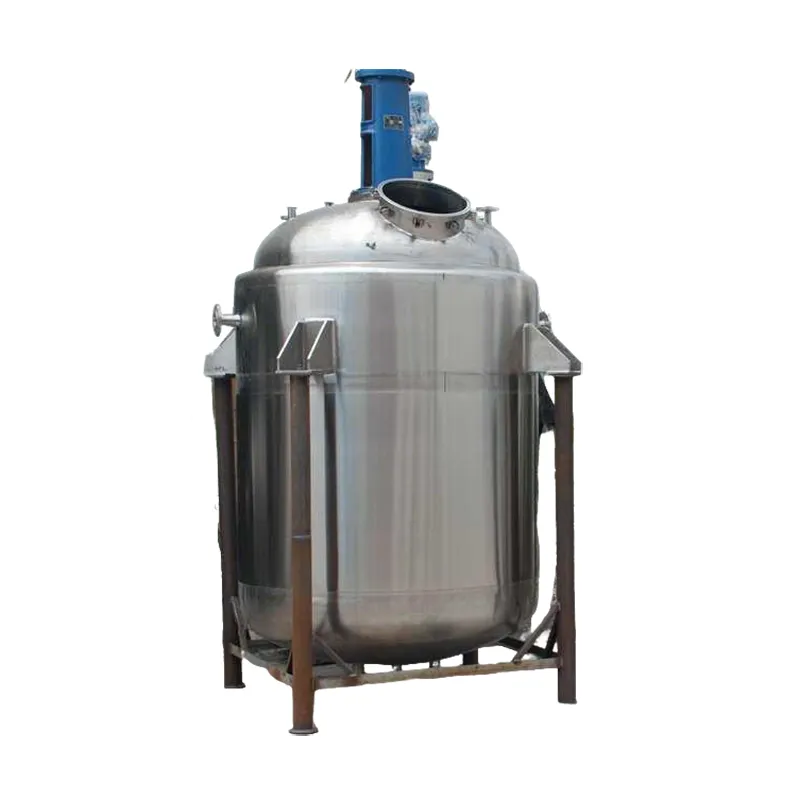
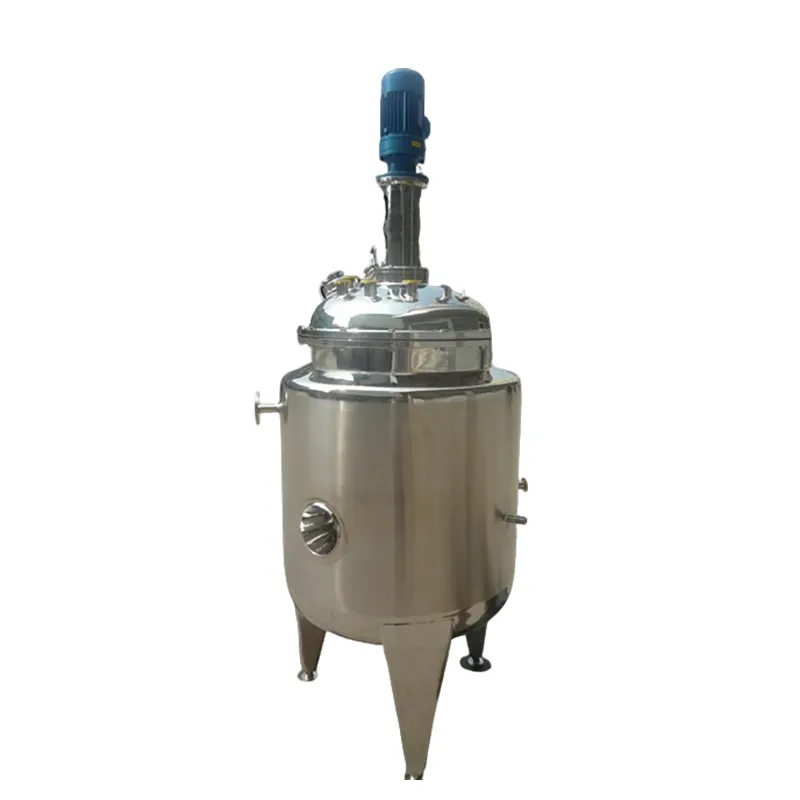
Published equipment anchors the configuration talk. The chemical reactor configuration shows an agitated reactor class, and the configurable reactor range spans volumes, heating methods, and layouts. Product pages provide configuration context; they do not certify a pressure class or a chemistry match for your duty.
Bundle the clarified inputs into one package: process envelope with exotherm notes, design pressure and temperature with their rationale, vacuum tolerance, media list, material expectations, sealing philosophy, jacket conditions, relief interface, testing and documentation list, and installation constraints.
Ask bidders to answer the same structure: proposed conditions, material basis, seal arrangement, test plan, document pack, assumptions, and exclusions. When the package is ready, send your process envelope for a configuration discussion and compare the reasoning, not just the totals.
FAQs
What is a medium-pressure reaction vessel?
It is an agitated reactor designed for a genuine positive pressure rating beyond blanket-level duty, with the exact class defined by the stated design pressure and temperature rather than by the label.
How do I choose the design pressure for a reactor?
Set it above the worst credible operating peak with a defensible margin, paired with the matching design temperature. Document the reasoning so reviewers and bidders see the same basis.
Why does exotherm behavior matter for reactor design inputs?
A self-heating reaction can raise pressure faster than utilities respond, which changes the design peak, the cooling duty, and the protection philosophy. Describe the failure behavior, not just normal operation.
Who sizes the relief valve for a reaction vessel?
Relief sizing is a scenario-based engineering task owned by the responsible process-safety engineer. The vessel RFQ reserves the nozzle and records who delivers and documents the device.
How does pressure class affect reactor cost?
Higher ratings add wall thickness, testing, and documentation, and they narrow material choices. Stating an honest envelope prevents paying for capability the process never uses.
What testing should a pressure-rated reactor include?
Typical packages include material certificates, weld records, and a witnessed pressure test, with scope growing by class and site rules. List the required records in the RFQ.
What should a medium-pressure reaction vessel RFQ include?
Include the process envelope, design basis with rationale, vacuum tolerance, media list, materials, sealing philosophy, jacket conditions, relief interface, testing and documentation requirements, and installation constraints.