Stainless tank chloride cleaning residue should be assessed by identifying the cleaner, the actual exposure conditions, the rinse route, and any evidence of retained deposits or surface damage. Stainless steel is not immune to chloride-related localized corrosion. However, an isolated chloride reading or a stain does not independently establish the cause or depth of damage. Keep cleaner compatibility, residue removal, surface condition, and product-contact acceptance as separate questions. Obtain the verified alloy and cleaning instructions before changing chemicals, and do not adopt a universal chloride limit from an unrelated water or cleaning application.
Establish what contacted the tank
Begin with the cleaner name, supplier, formulation information available through approved documents, batch or lot number, and the actual dilution method. Distinguish chloride-containing salts, chlorine-based disinfectants, and acid cleaners rather than treating every chlorine-related term as interchangeable. Product labels and safety documentation are starting points; the supplier’s compatibility guidance is also needed for the intended equipment and use.
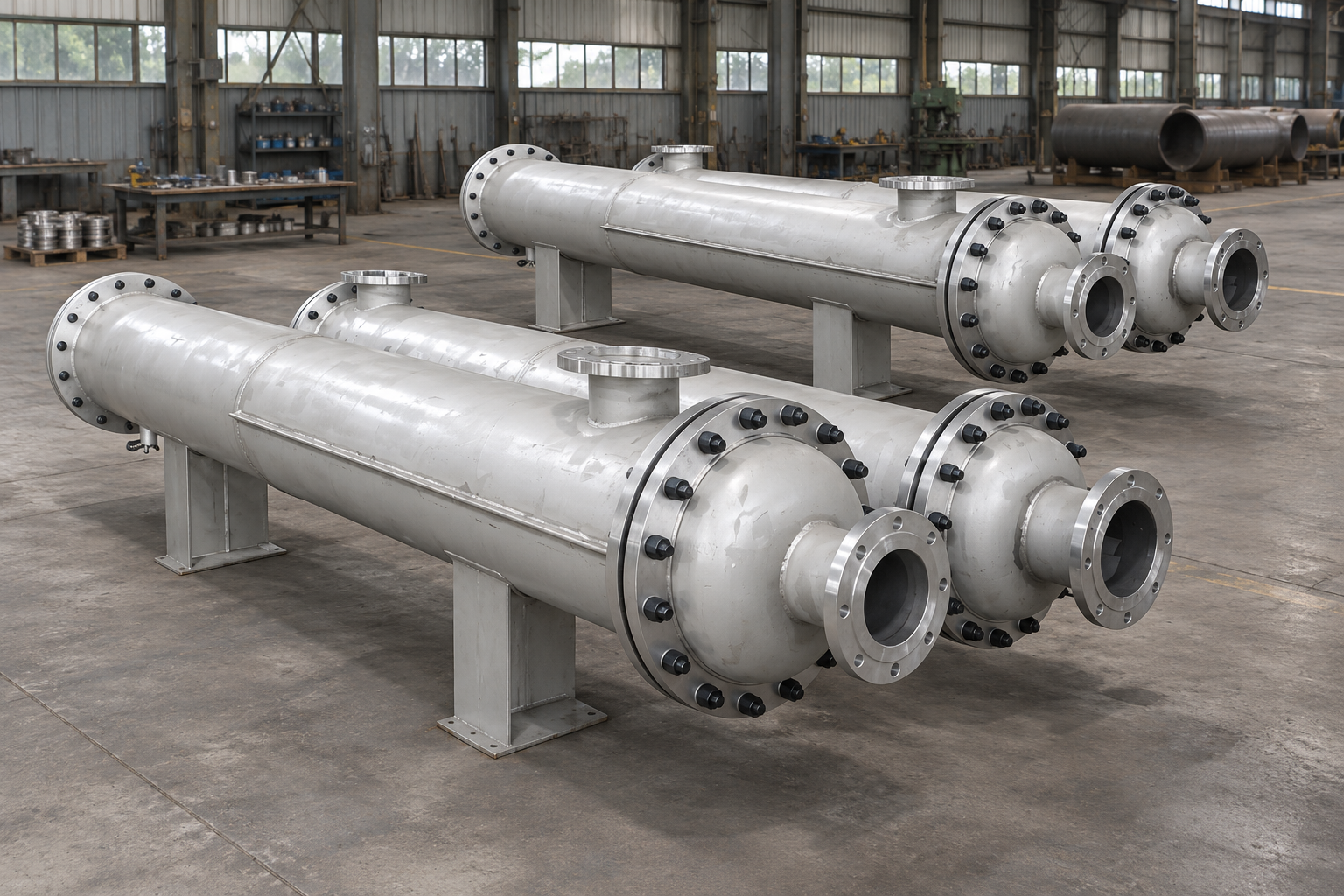
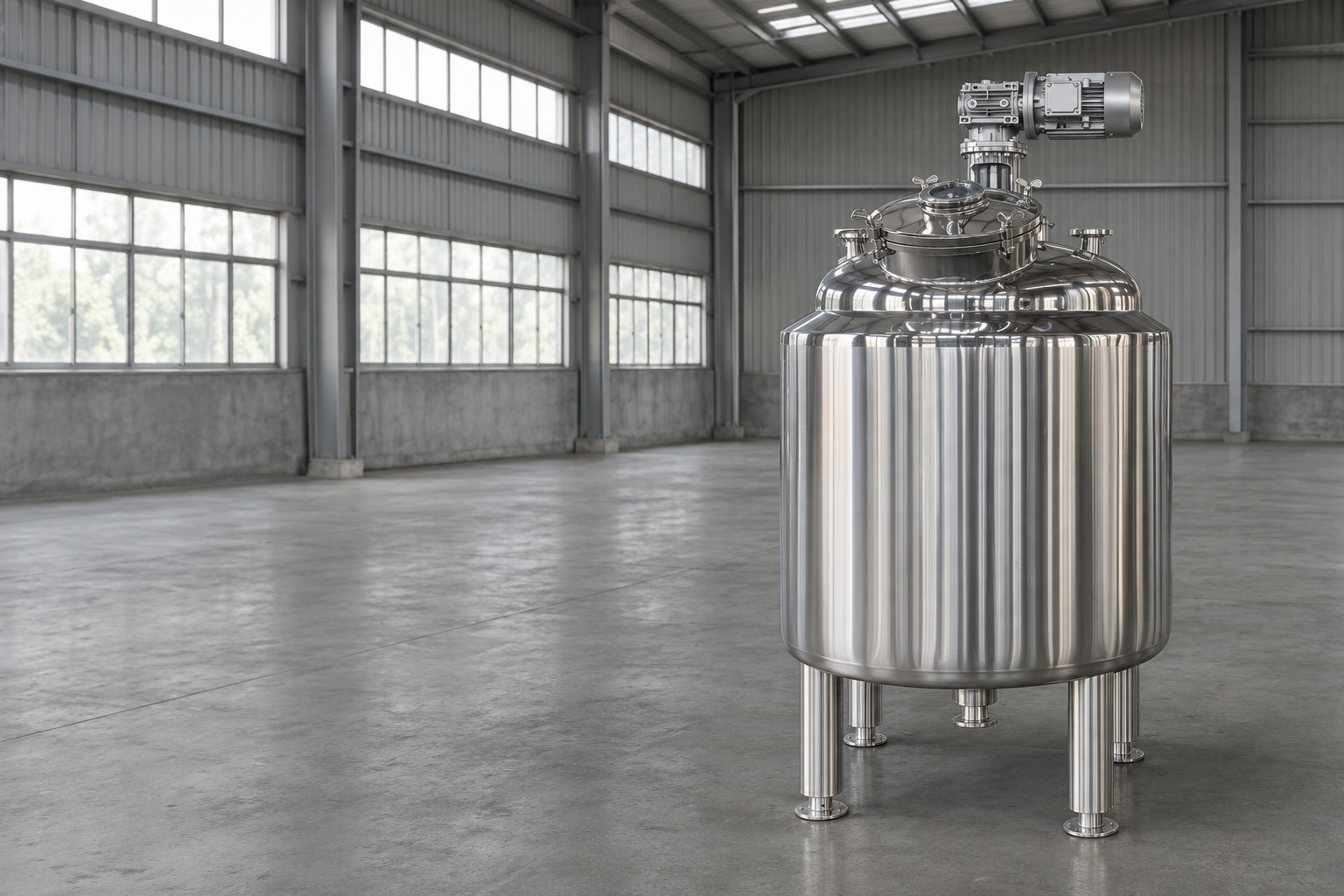
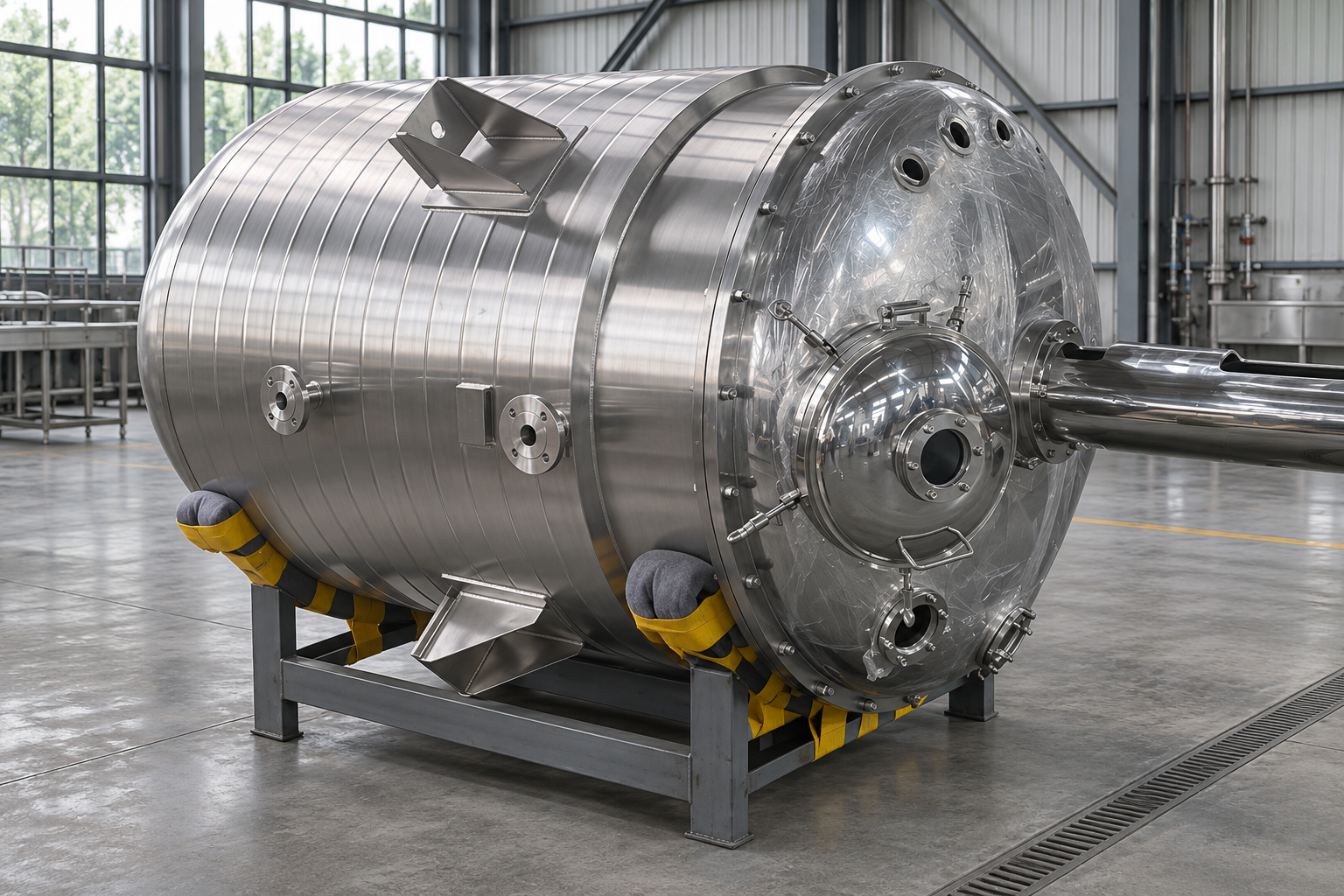
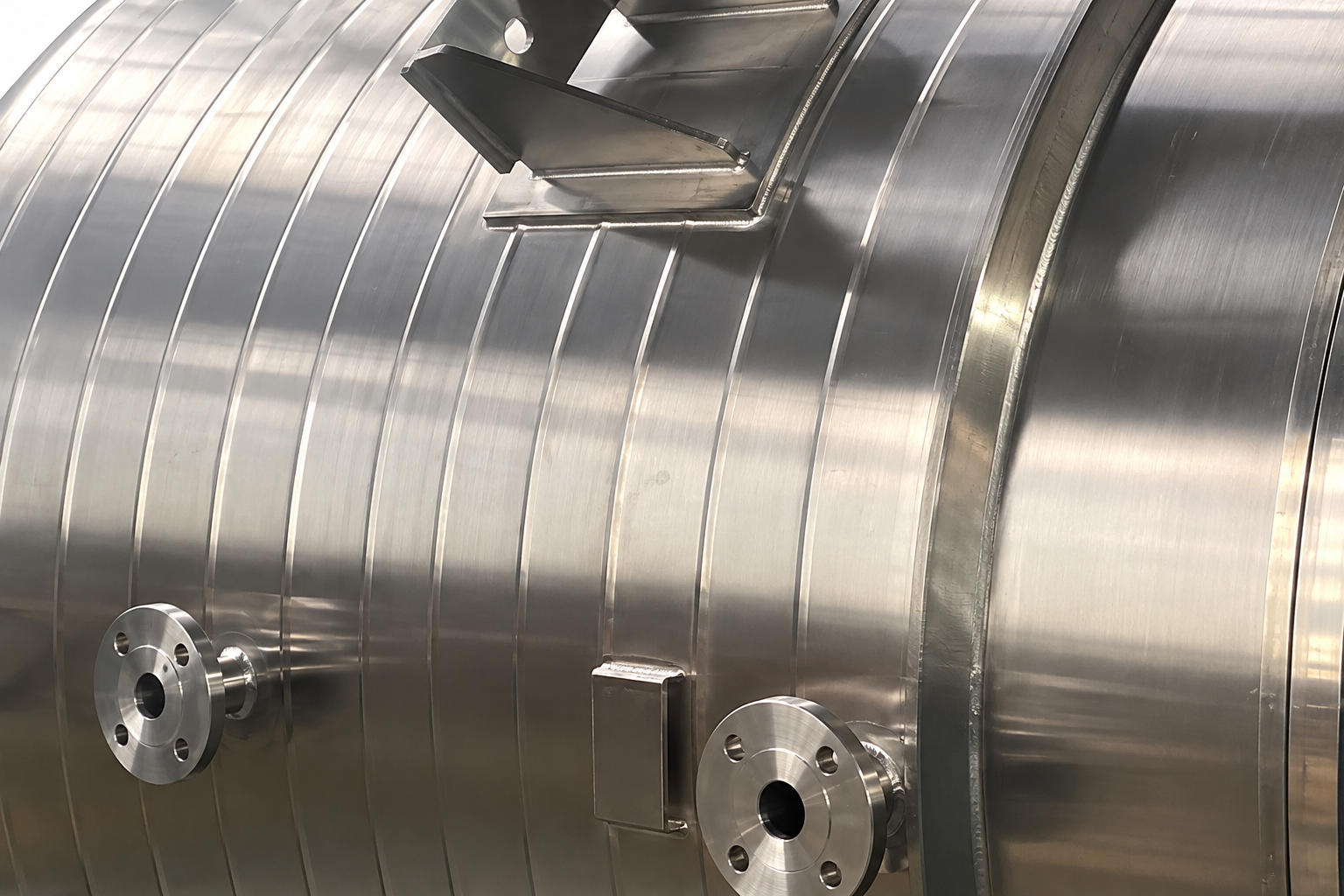
Use the stainless vessel product context to identify the relevant family, then confirm the delivered alloy, weld condition, seals, and surface requirements from project records. Neither a shiny photograph nor a broad “stainless” description establishes the grade or cleaning compatibility. This article addresses residue and exposure control. The separate passivation guide covers another surface-treatment topic and should not be used as an automatic remedy for an unresolved cleaning event.
Reconstruct exposure instead of relying on the recipe
The written recipe can differ from what happened at the vessel. Record preparation, contact start and finish, actual temperature history, dilution water source, interruptions, and rinse completion. Identify whether a concentrated cleaner could have contacted the metal before mixing or whether evaporation could have left concentrated residue in a local area. Keep verified facts separate from possible mechanisms.
Review exceptional conditions, including a cycle left standing during a stoppage, a missed drain step, a manual cleaning product introduced outside the normal system, or a maintenance chemical used nearby. Ask whether the same event affected external surfaces and product-contact surfaces differently. A general cycle record may miss a small pool behind a gasket or a splash that dried on the outside of the vessel.
Use material guidance within its application boundary
The British Stainless Steel Association care and maintenance sheet warns about aggressive chloride-bearing cleaners and emphasizes careful use and rinsing where relevant. Its maintenance context does not provide a validated industrial tank cleaning recipe. Use it to identify chemical-compatibility questions for the cleaner and equipment suppliers.
The BSSA publication Working with Stainless Steels likewise discusses compatibility and removal of cleaning residues. Together these sources support a conservative exposure review, not a single safe concentration for every stainless grade, temperature, surface, or process. Avoid transferring limits from decorative products, municipal water, or another plant into a food, pharmaceutical, or chemical process without an application-specific assessment.
Distinguish rinse completion from a convenient reading
A final rinse measurement is useful only when its purpose, method, sample location, and acceptance basis are defined. A sample from the main drain may not represent a trapped pocket, disconnected branch, or external deposit. Conductivity responds to dissolved ionic material generally; it is not a specific identification of chloride or a complete measure of surface cleanliness.
Where chloride-specific testing is needed, agree the method and sampling plan with the responsible laboratory or quality team. Include the source-water background, container cleanliness, sample timing, and method reporting capability. A result below a method’s reporting threshold should be reported in that form, not as absolute absence. If the purpose is product release, use the approved quality criteria rather than inventing an endpoint because a handheld meter appears stable.
Inspect places where residue can remain
Prioritize accessible low points, gasket interfaces, branches, splash zones, drain connections, and areas where wetting can be followed by drying. Record location and condition before cleaning away a suspected deposit. Describe whether the observation is loose residue, discoloration, apparent roughness, or a possible pit. A photograph is useful for location and comparison, but it cannot establish defect depth.
The rinse conductivity guide explains the broader use and limits of conductivity endpoints. The surface roughness measurement guide addresses another aspect of surface characterization. Neither measurement replaces a qualified corrosion assessment when localized damage is suspected. Keep the original surface observation linked to any later examination so that cleaning does not erase the investigation trail.
| Evidence item | What it can help establish | What remains separate |
|---|---|---|
| Cleaner identification | Which formulation was intended or used | Actual dilution and exposure at the surface |
| Cycle history | Recorded timing and measured conditions | Unmeasured local pooling or manual additions |
| Rinse conductivity | General change in ionic content at the sample point | Specific chloride content and hidden residue |
| Chloride-specific analysis | Method-defined result for the collected sample | Complete coverage of every tank surface |
| Surface examination | Observed condition at examined locations | Unexamined areas and product disposition |
Respond to a suspected event without compounding it
Use the site process to place the affected equipment and product in the appropriate controlled state. Do not mix cleaning chemicals, neutralize residues informally, or introduce a stronger acid in an attempt to remove a stain. Obtain the cleaner supplier’s instructions and the equipment material review before selecting a corrective cleaning method. Protect people from exposure and verify isolation before opening or accessing equipment.
If the event involves an unknown cleaner, preserve the container and relevant records through the approved system. If the material grade is uncertain, obtain the procurement and material documentation rather than inferring it from previous orders. Where qualified inspection is needed, define whether the task is residue identification, surface condition assessment, or fitness-for-service review. Those tasks can require different methods and responsibilities.
Avoid treating passivation as a universal repair
Passivation, cleaning, removal of heat tint, and repair of physical damage are different activities. A treatment that changes surface chemistry does not necessarily remove a pit, restore lost metal, or establish suitability for the process. The proper next step depends on verified material, observed condition, equipment duty, and the responsible technical assessment.
If a service proposal recommends a chemical treatment, ask what problem it is intended to solve, what evidence supports that diagnosis, and how the outcome will be verified. Request compatibility information for seals and other wetted components, along with handling and waste arrangements. Do not approve a treatment solely because the finished surface is expected to look brighter. Appearance is one observation, not the complete acceptance basis.
Build prevention into the cleaning handoff
Keep a controlled list of approved cleaning chemicals and their application-specific instructions. Include dilution equipment, water quality, temperature and timing controls, rinse steps, and responses to interruptions. Distinguish routine cleaning from exceptional restoration work. A maintenance team should not need to guess whether a familiar household or workshop cleaner is acceptable on process equipment.
Train the handoff around observable actions: verify the chemical identity, document preparation, confirm the correct circuit and drain route, record abnormal delays, and retain the required rinse evidence. Review whether temporary hoses or adapters create pockets that the normal cycle does not address. The food equipment cleaning guide provides a wider process framework; this residue review supplies the chemical-exposure questions that should accompany it.
Prepare a specific supplier inquiry
For an existing-tank concern, supply the verified alloy and material records, cleaner documentation, exposure timeline, rinse method, sample results, and marked photographs of the affected locations. State whether the tank is currently isolated and which decisions are pending. Ask for separate responses on chemical compatibility, investigation requirements, and any proposed restoration work.
For a new tank, describe the actual cleaning chemistry and operating sequence during procurement. Request compatibility review of the complete wetted assembly, including welds, gaskets, valves, and instrument interfaces. If the cleaning procedure is still being developed, list that as an unresolved design input. A supplier can respond more accurately to a documented exposure than to a broad request for a tank that is “chlorine resistant.” Preserve the agreed limitations in the purchase specification and the operating record.
Compare repeat events using the same sampling basis
If residue concerns recur, keep the sampling location, timing, analytical method, and source-water record consistent enough for a meaningful comparison. A result collected before the final rinse cannot be directly compared with a result taken after drainage without explaining that difference. Include changes in cleaner formulation, dilution equipment, tank configuration, and cycle interruptions in the trend record. Ask whether the apparent improvement reflects better removal or merely a different sampling point. Where the methods changed, retain both procedures and state the comparison limit. The purpose of trending is to detect a repeatable exposure or removal problem, not to select the lowest number from several incompatible measurements.
Educational background
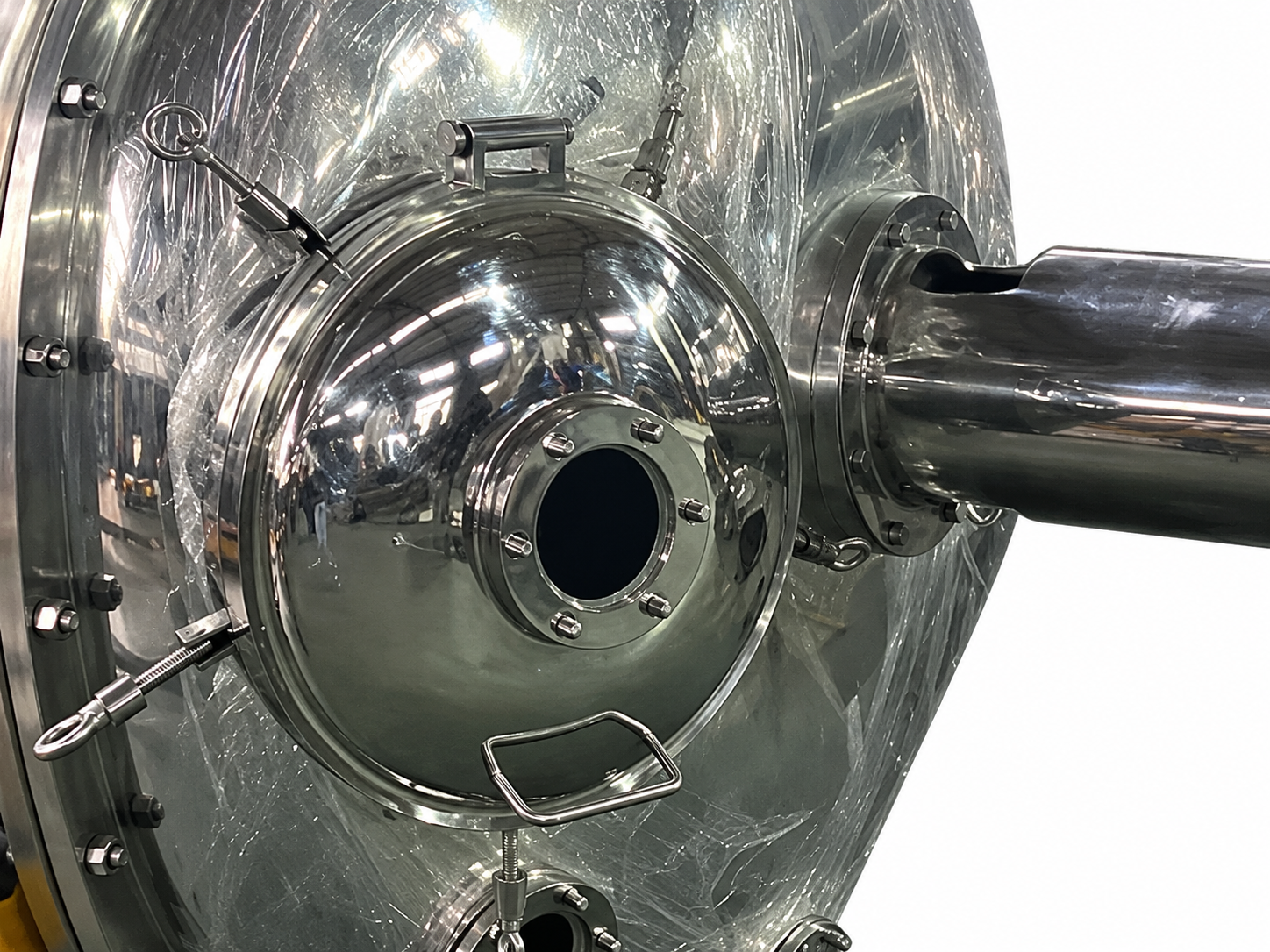
The NPTEL lecture below explains crevice and pitting corrosion. It supports understanding of localized corrosion mechanisms and does not establish a safe cleaner concentration, diagnose the illustrated vessel, or authorize a repair.
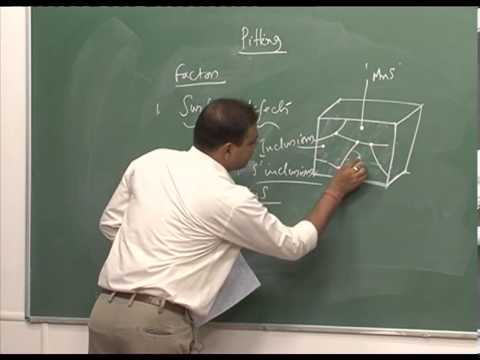
nptelhrd: Mod-01 Lec-26 Crevice corrosion, Pitting corrosion.
FAQ
Does stainless steel mean any chlorine cleaner is acceptable?
No. Compatibility depends on the alloy, chemical formulation, concentration, temperature, contact time, surface condition, and the complete equipment assembly. Use the approved application-specific cleaning instructions.
Can low rinse conductivity prove that no chloride residue remains?
No. Conductivity is a general ionic measurement at a particular sample location. It does not specifically identify chloride or demonstrate that every pocket and surface was represented.
Will passivation repair chloride pitting?
Do not assume so. Surface treatment and assessment of physical damage are separate decisions. Obtain a qualified review of the actual condition before selecting restoration, repair, or replacement work.