Choosing a pressure manway vs atmospheric manway starts with the tank’s complete pressure and temperature envelope, not the shape of its cover. A pressure-rated closure needs documented suitability for the intended vessel and service. An atmospheric access cover cannot be assumed to tolerate positive pressure or vacuum because it has a strong-looking handwheel. Buyers should also check the opening arrangement, seal compatibility, access clearance, cleaning duty and safe isolation method. This guide explains the differences and the evidence to request before ordering or replacing an access assembly.
What the two descriptions actually tell a buyer
An atmospheric manway provides access to a vessel intended to operate near atmospheric pressure. A pressure manway is an access assembly selected and substantiated for a specified pressure service. Neither phrase gives a complete rating. The closure, neck, weld attachment, seal, fasteners and supporting vessel must work together under the declared operating and design conditions.
Terminology differs between industries. A sanitary access cover, inspection hatch and personnel manway may have different intended tasks even when catalog photographs look similar. Start by stating whether the opening is for visual inspection, tool access, cleaning equipment or people. For access dimensions and opening clearance, use the separate tank manhole size guide. This article concerns service suitability and closure selection rather than choosing an opening diameter.
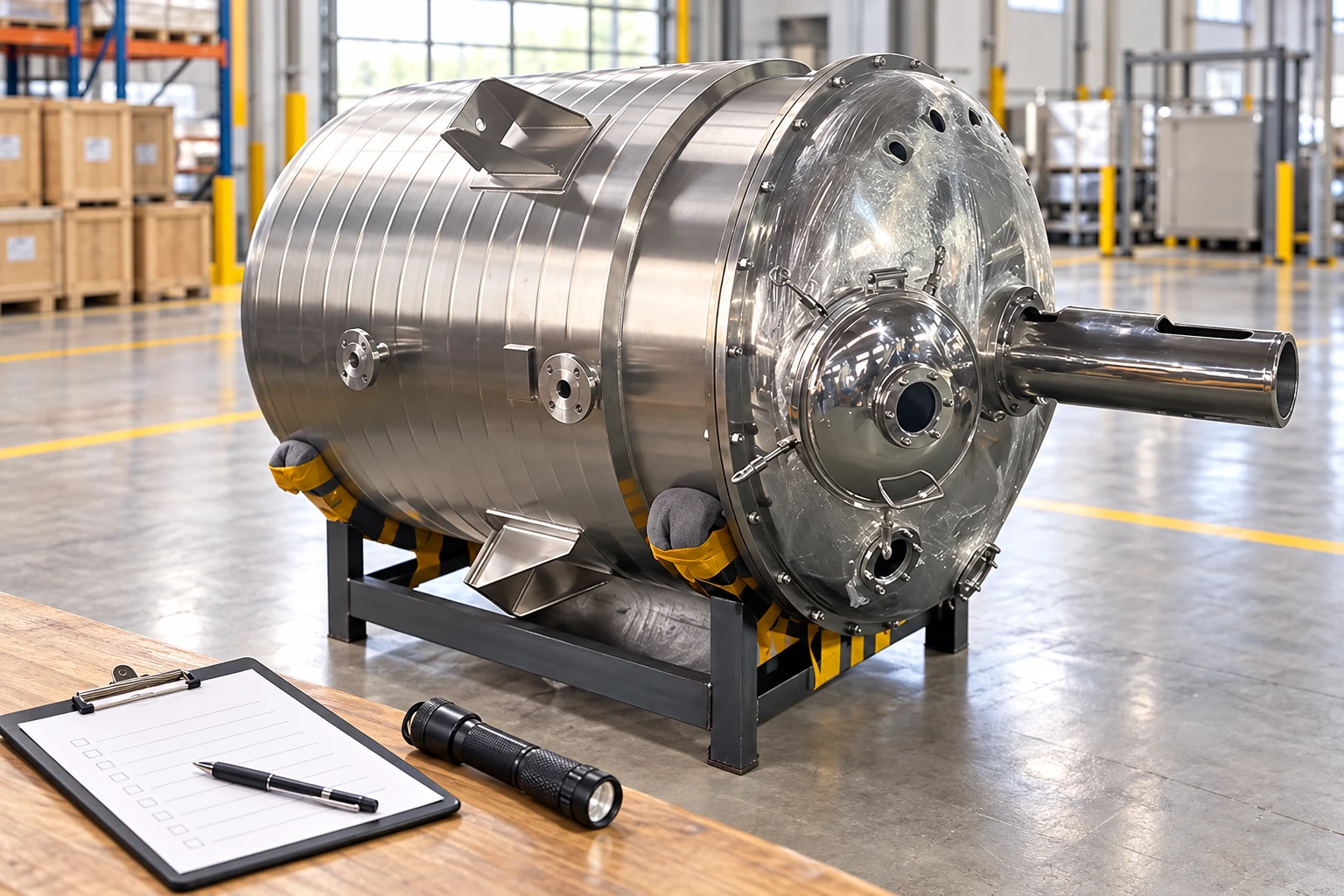
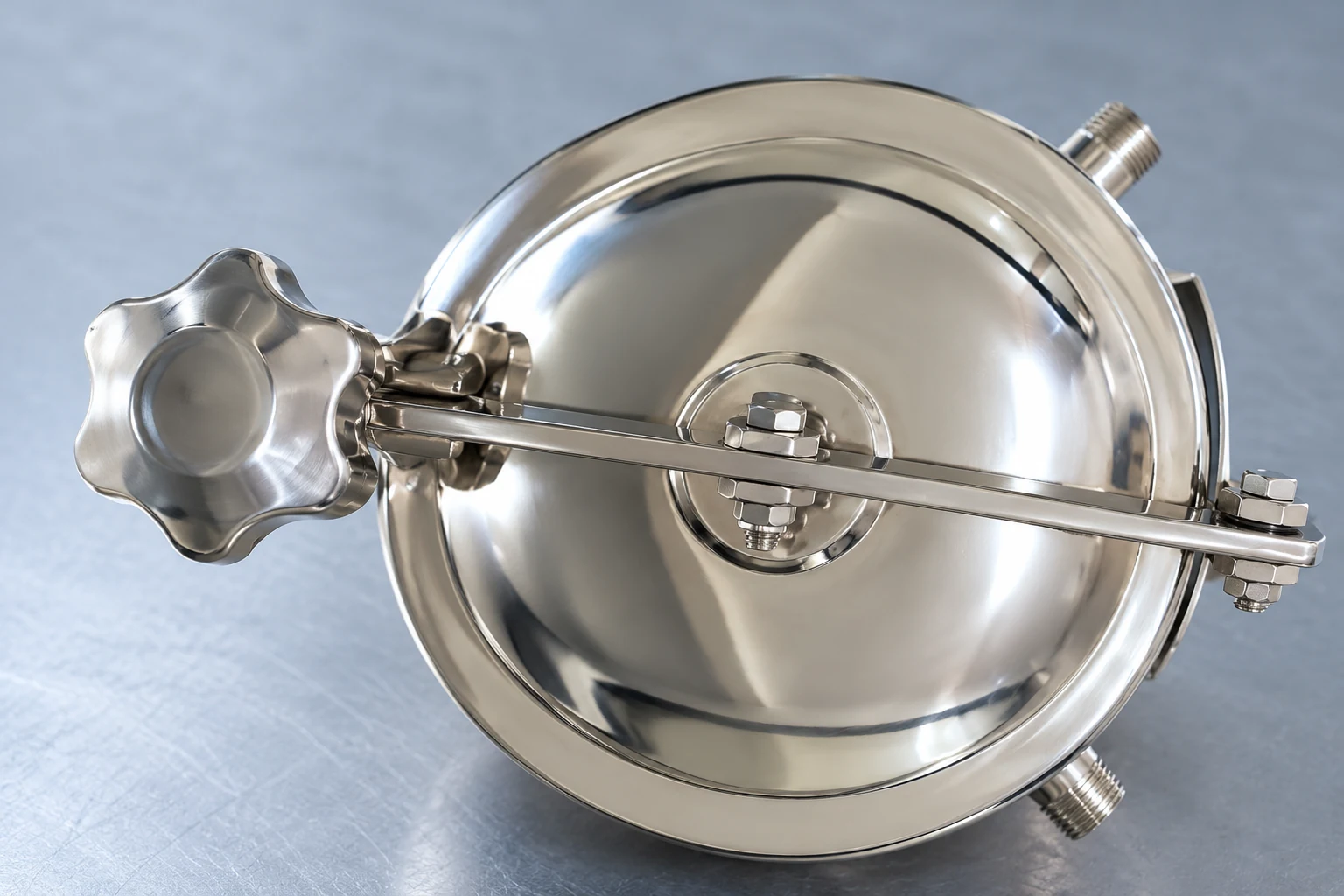
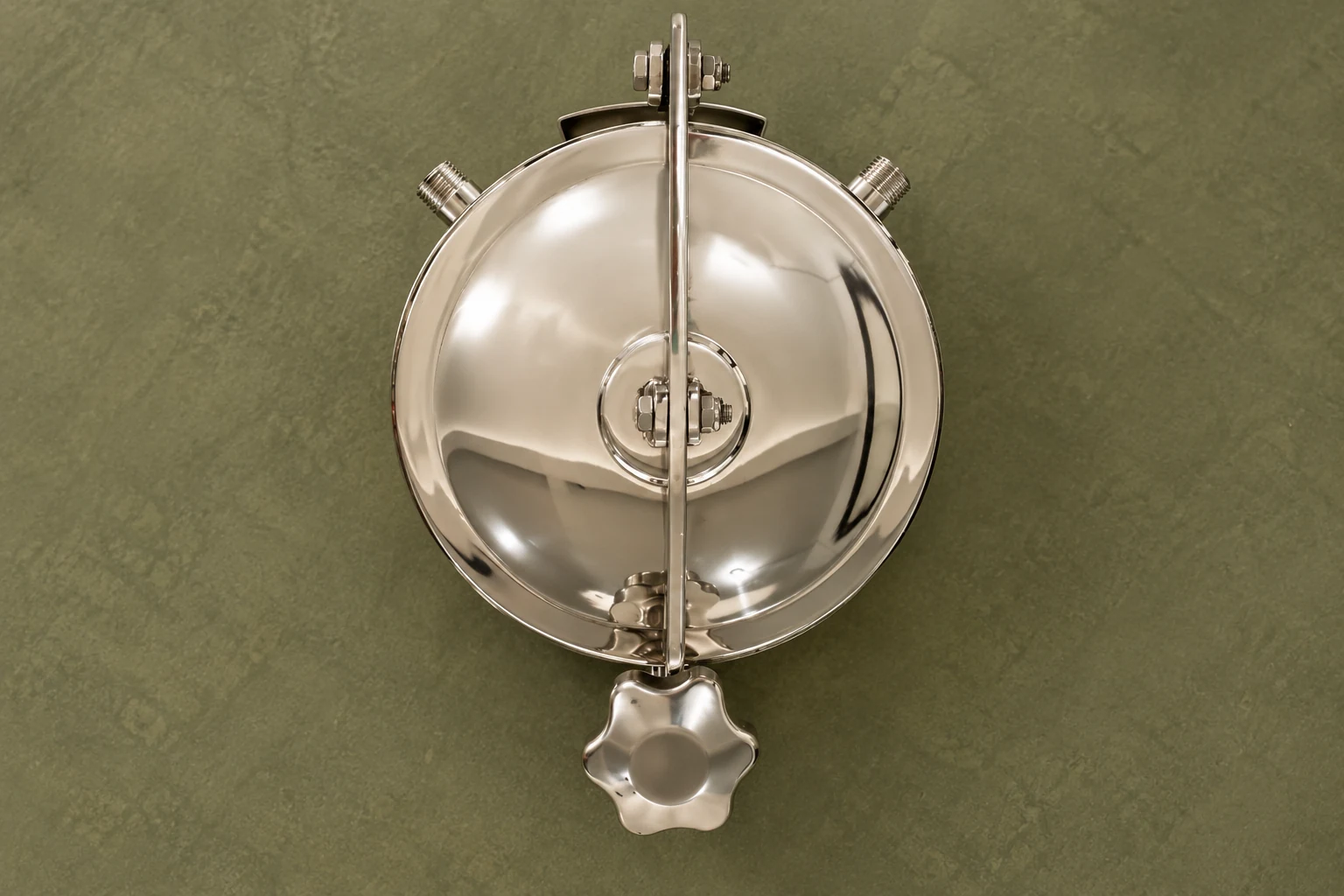
A product photograph is useful for understanding hardware and accessibility. It cannot establish allowable working pressure, vacuum resistance, material certification or compliance. The round tank manhole product is a starting point for a configuration discussion; confirm the proposed assembly’s actual limits in writing.
Compare the duty before comparing the hardware
The following table is a procurement decision framework. It does not assign ratings to any photographed product. Pressure-equipment context is described by HSE’s pressure-equipment guidance; applicable requirements depend on the installation and jurisdiction.
| Review question | Atmospheric service review | Pressure service review | Evidence to request |
|---|---|---|---|
| Normal operating condition | Establish that the vessel stays near atmospheric conditions | State positive pressure, vacuum and temperature cases separately | Approved operating and design envelope |
| Abnormal condition | Review blocked vents, rapid filling and cooling | Review control failure, heating, gas generation and shutdown | System hazard review and protective-device basis |
| Closure retention | Check that hardware suits the declared service | Confirm the complete load path and attachment basis | Assembly drawing, declared rating and installation instructions |
| Seal selection | Match product and cleaning exposure | Match those exposures plus pressure and cycling | Identified gasket material and approved service limits |
| Maintenance | Define inspection and replacement parts | Include the conditions that could invalidate the rating | Manufacturer’s maintenance and replacement instructions |
Avoid quotations that list only a cover diameter and stainless grade. They leave unanswered whether the quoted item includes a neck, gasket, hinge, tightening components, installation welding or documentation. Compare bidders against the same scope and conditions, including explicit exclusions.
Build a pressure and temperature envelope
List normal, startup, shutdown, cleaning and credible upset conditions. Distinguish gauge pressure from absolute pressure, and identify units everywhere. An operating pressure is a process value; a design condition is an engineering requirement. Treat maximum temperature and maximum pressure as a combined case when they can occur together rather than checking unrelated headline limits.
Review vacuum separately. Cooling a closed vessel, draining without adequate air admission or condensing vapor may produce a negative pressure differential. A positive-pressure statement does not automatically establish vacuum suitability. Ask the vessel supplier and responsible engineer how the complete assembly handles each required case and which limitations must appear in operating instructions.
For an atmospheric tank, ask what keeps it atmospheric. A vent, filter or pipe can be restricted, isolated or affected by process deposits. The access cover should not be treated as an improvised pressure-relief device unless that function is expressly engineered and documented. Likewise, fitting a stronger cover does not increase the allowable pressure of the surrounding tank or replace the system’s protective devices.
Opening direction and retention are separate decisions
Inward-opening and outward-opening designs are selected for specific assemblies and duties. Descriptions of opening direction alone do not demonstrate a safe rating. Ask how the cover seats, what retains it, how the operating force is applied and what prevents unsuitable opening conditions. Review the instructions against the actual installation position and access available to operators.
A hinge or swing arm can support handling, but its presence is not proof that the closure is pressure-rated. A handwheel is an operating component, not a pressure certificate. When reviewing photographs or drawings, distinguish handling hardware from the components that maintain the seal and carry pressure-related loads. Have the supplier identify the intended function of each component instead of inferring it from appearance.
Replacement assemblies need particular care. A visually similar lid may have a different seat profile, seal compression method or tightening arrangement. Do not combine a new cover with an existing neck or substitute fasteners on the basis of nominal diameter. Obtain a compatibility statement for the complete replacement and confirm whether modifications require further engineering review.
Choose the gasket for all exposure cases
Name the process material, concentration, contaminants, temperature and cleaning chemicals. Include exposure duration and frequency, because intermittent cleaning can govern gasket selection even when ordinary operation is mild. Request the actual seal material and supplier’s compatibility basis. A description such as food-grade rubber or chemical-resistant seal is insufficient for comparing proposals.
Check whether the gasket must tolerate thermal cycling, repeated opening, mechanical cleaning or sterilization conditions. These are project requirements, not universal properties of sanitary covers. Establish how the seal is retained, inspected and replaced, and whether replacement parts have traceable identification. A different elastomer with the same dimensions may change service suitability.
For a tank with frequent changeovers, review residues around the seat, hinge and neck. Accessibility should support the chosen cleaning method without encouraging unapproved disassembly. Specify the desired inspection evidence and acceptance criteria for cleanliness. The manway cover selection guide provides broader purchasing context; this pressure review should remain tied to documented operating cases.
Installation can change the suitability of a good assembly
The access opening is part of the vessel. The neck attachment, nearby nozzles, shell geometry and local loads require coordinated review. Ask who is responsible for the opening design, welding details and final inspection. Buying a rated component does not by itself substantiate its installation in a different tank.
Check clearance using the actual opening envelope, including swing, lift and maintenance movement. A cover may fit geometrically but be difficult to handle behind pipework. Consider where a removed gasket, tool or lid will be placed during service, and whether lifting assistance is needed. These layout questions should be resolved before fabrication drawings are approved.
Request an installation record that identifies the assembly and ties it to approved drawings. Establish any required inspections and documents before equipment is built. For replacement work, record existing dimensions and condition without assuming that old components remain suitable. Escalate damaged seats, unknown modifications or missing identification to the responsible equipment specialist.
Separate cover opening from personnel entry
An access closure and a safe-entry arrangement solve different problems. Opening a lid does not establish that the vessel is isolated, depressurized, drained or safe to enter. Follow the site’s approved procedure and manufacturer instructions; do not loosen a closure to discover whether pressure remains or modify retaining hardware as a shortcut.
Where personnel entry is contemplated, involve the responsible safety team. HSE’s confined-space guidance explains why entry requires a suitable safety assessment and system of work. It does not replace the applicable local rules or the site-specific assessment. A larger opening or atmospheric service label does not remove other hazards.
The US Chemical Safety Board video below explains why confined-space planning matters. It provides safety context for access decisions; it is not a manway operating procedure or a demonstration that a particular cover is suitable. Use the site’s approved isolation, entry and rescue arrangements for the actual equipment.
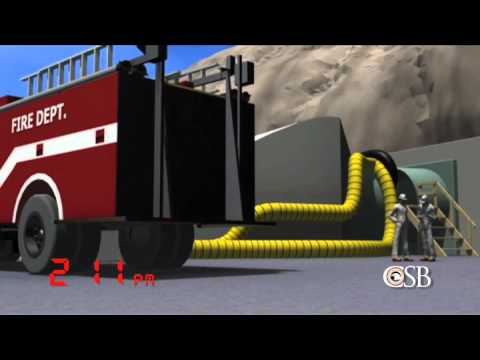
Watch No Escape: Dangers of Confined Spaces by USCSB
Turn the comparison into a usable RFQ
Send each supplier the same process description, pressure and vacuum cases, temperature envelope, product and cleaning exposure, opening purpose, location and available clearance. Include the vessel drawing and specify whether the request is for a new assembly or a replacement. Identify the installation jurisdiction and ask the responsible engineer to establish the applicable design and documentation requirements.
Ask bidders to identify deviations explicitly. A useful response states the complete offered assembly, declared limits, seal material, installation responsibilities, operating instructions and replacement parts. It also explains assumptions that still require verification. Avoid converting an unconfirmed sales description into a plant operating limit.
Define acceptance before purchase: identification matches the approved documents, the assembly fits the drawing, the correct gasket and hardware are supplied, and required records are available. Any specified testing must use an approved procedure appropriate to the complete vessel. For related containment decisions, see the sight-glass pressure and temperature rating guide. Send this duty list with your inquiry so the proposed closure can be assessed against the actual service.
Frequently asked questions
Can an atmospheric manway be used on a pressurized tank?
Only if the complete assembly and installation have documented suitability for the required pressure, vacuum and temperature cases. Appearance, material grade and handwheel size are insufficient evidence. Obtain the equipment supplier’s written basis before selection.
Does a pressure-rated cover make an atmospheric tank pressure-rated?
No. The tank shell, opening attachment, other components and protective systems must also be suitable for the intended conditions. Changing a cover cannot independently establish a new vessel rating.
Which documents should a buyer request?
Request an assembly drawing, stated operating and design limits, identified materials and seal, installation and operating instructions, required inspection records and replacement-parts information. The responsible engineer should define any additional code or jurisdictional documentation.