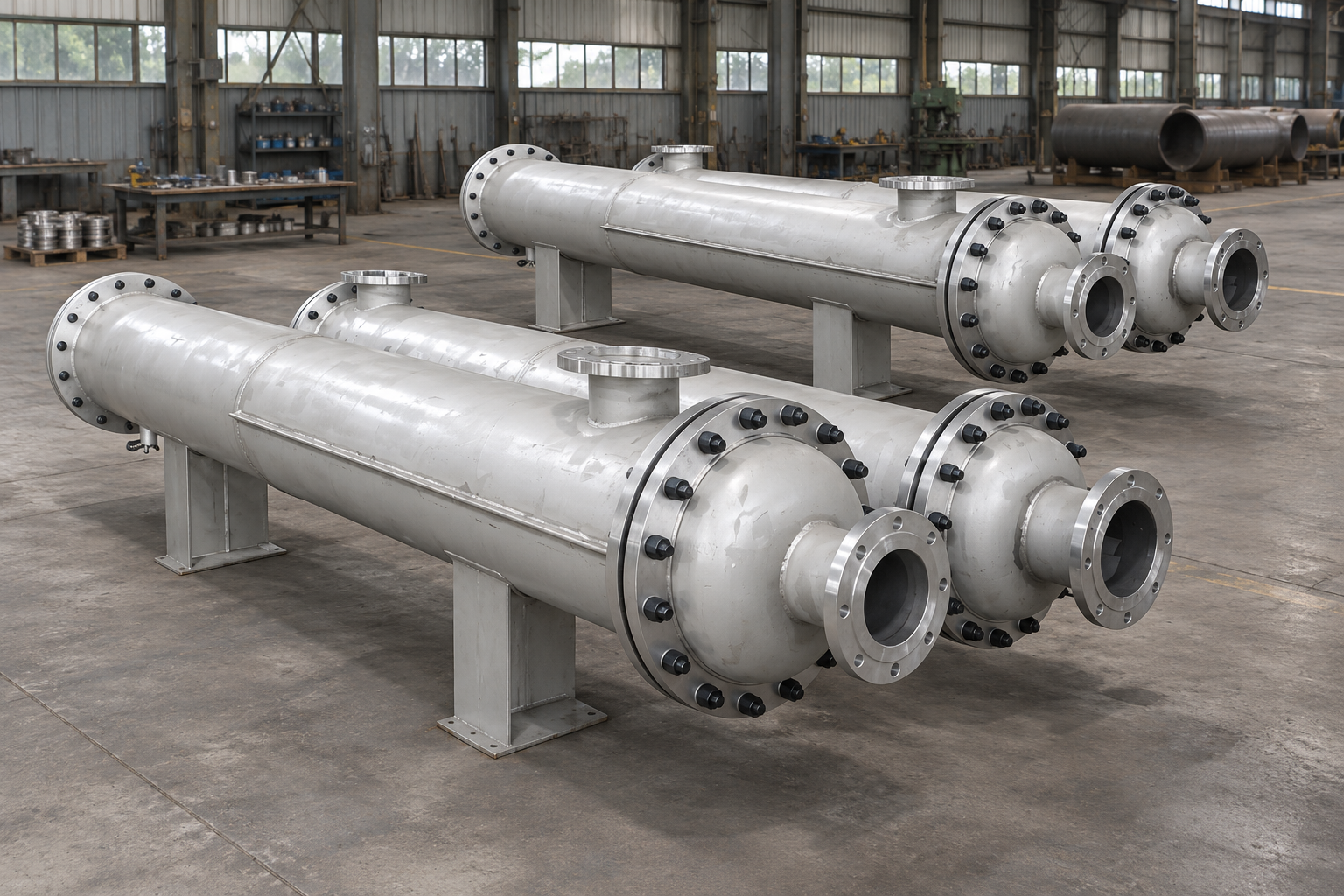
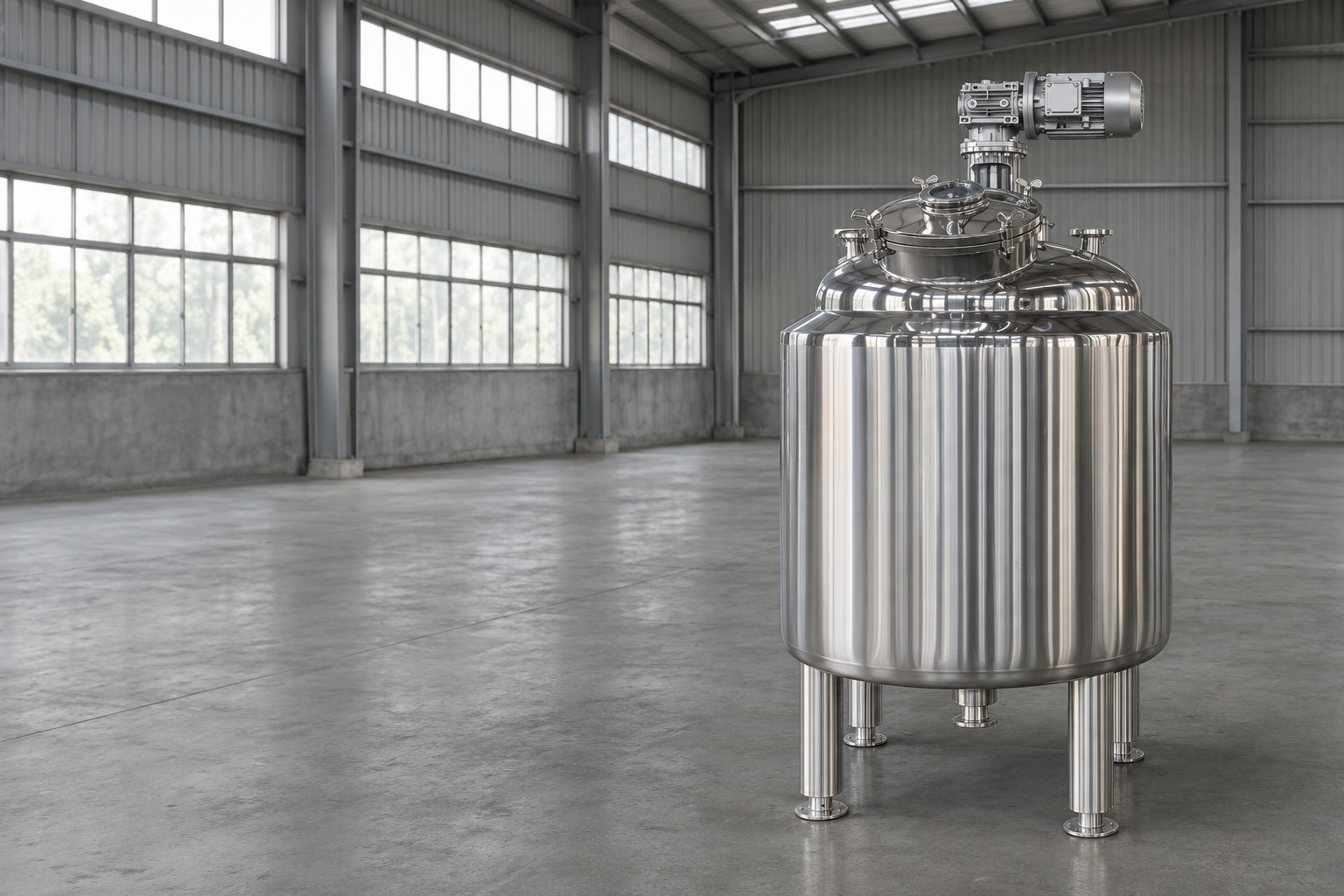
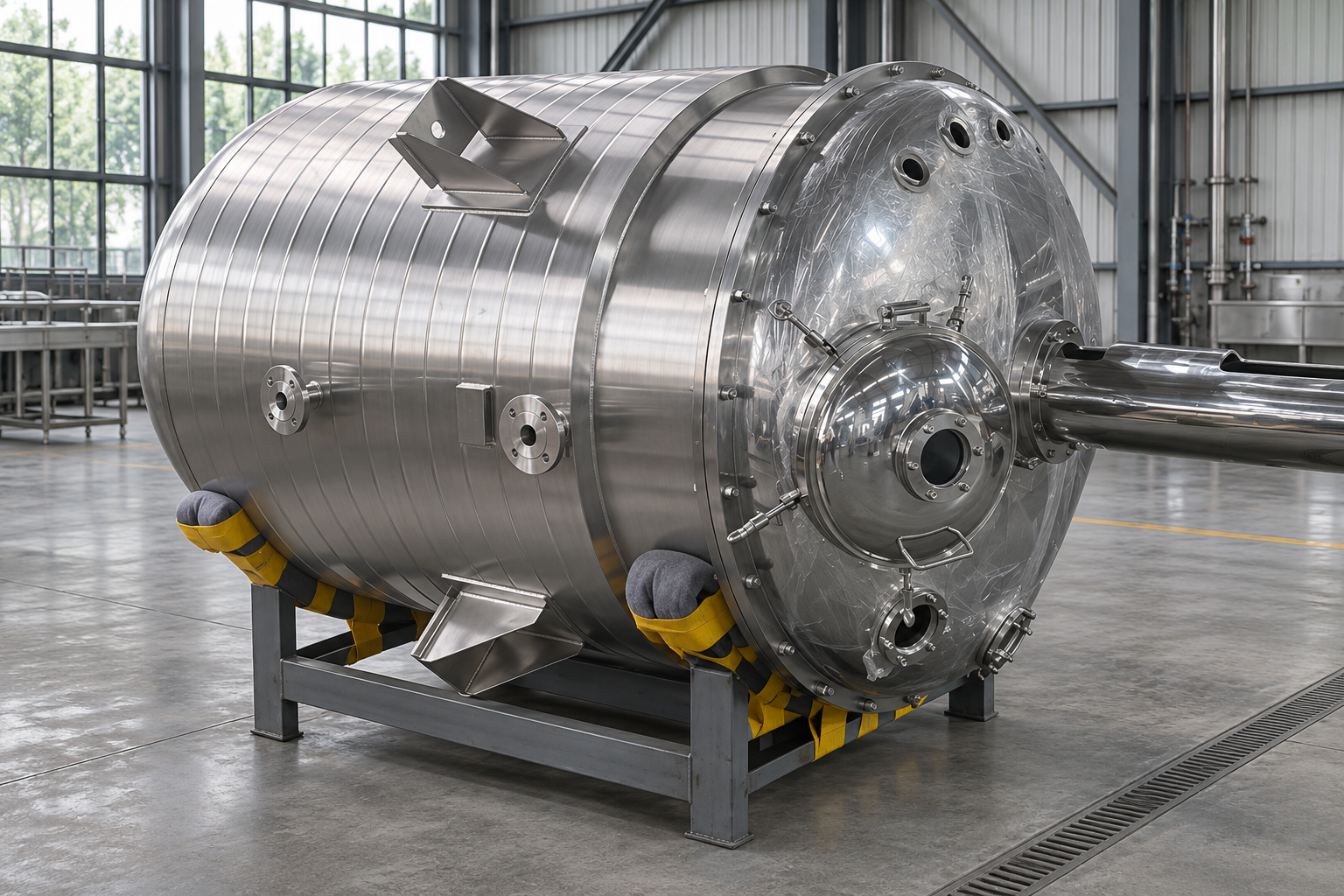
Mixing tank obsolete control component replacement planning starts with identifying what the installed component does, which functions depend on it, and what evidence supports the proposed substitute. A matching enclosure size or familiar part number does not establish equivalent behavior. Before ordering, assemble the current drawings, equipment identity, software information where applicable, failure history and proposed replacement documentation. Ask the responsible equipment specialist to decide whether the work restores the original specification or changes it. That decision determines the review, testing and documentation needed before the tank returns to service.
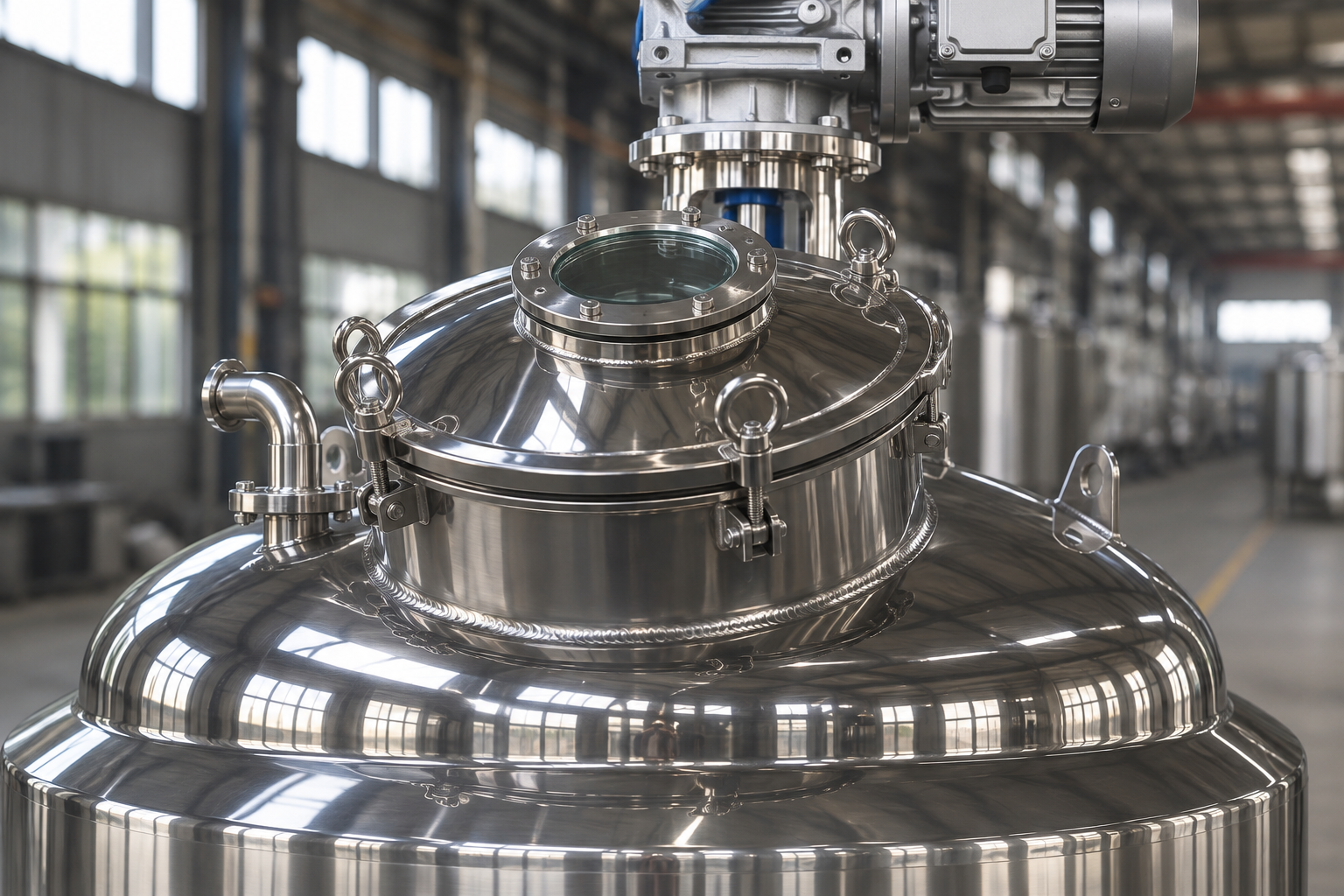
This guide helps maintenance managers and buyers prepare a replacement enquiry. It does not provide wiring instructions or authorize work on an energized machine. The illustrated mixing tank establishes the equipment context; its photograph does not establish a particular control architecture, safety rating or supplied control package.
Define the problem before selecting a part
An obsolete component can still operate correctly while being unavailable for future purchase. Conversely, an available replacement can be unsuitable for the actual installation. Separate those questions in the work request. Record whether the immediate concern is a failed unit, a supplier withdrawal notice, unavailable programming support, an exhausted spare stock or an unsupported communication interface. Each situation calls for different evidence and urgency.
For example, a purchase request that says only “replace mixer controller” leaves the reviewer unable to tell whether the item controls speed, displays a temperature, switches a motor or participates in a protective function. Describe the observed problem without guessing its cause. Preserve fault messages and previous maintenance records. A supplier can then ask targeted questions instead of selecting a substitute from an incomplete description.
Where the tank forms part of a production line, include the connections to upstream and downstream equipment in the review boundary. A local change may alter a shared start command, alarm acknowledgement or permissive. Record these interfaces even when another contractor owns the associated drawings. Uncertainty about an interface is an unresolved task, rather than evidence that it is unimportant.
Build a reliable installed-component record
Start with the asset identity and the latest approved documentation. The tank serial number, drive identity and control component reference should be associated with one another. A stock-room label may describe a spare rather than the item currently installed. Use competent personnel to reconcile discrepancies through the site’s safe inspection arrangements; buyers should not open electrical equipment merely to complete an enquiry.
Collect the manufacturer’s exact designation, variant, hardware revision and relevant software or firmware version where available. Include a clear record of any unavailable information. A handwritten panel annotation can be useful evidence of a possible change, but it should not replace an approved drawing. Keep the annotation and request a controlled reconciliation rather than silently rewriting the record.
For the wider equipment description, use the chemical mixing tank buyer guide to organize process requirements. Keep that process description separate from the verified electrical information. Product duty, cleaning conditions and installation environment can affect the replacement review, but they do not reveal the ratings of an unidentified component.
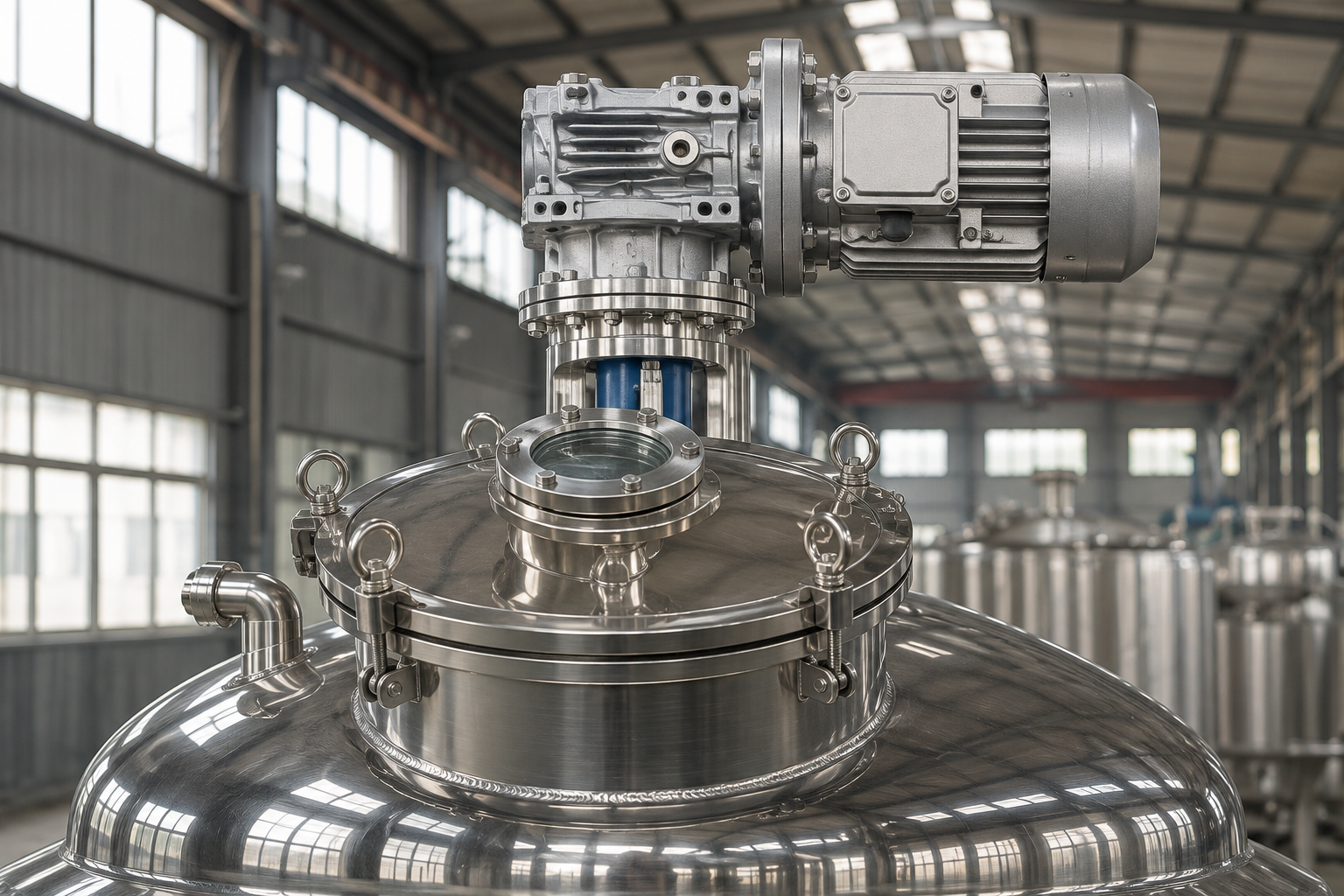
Compare functions, not just catalog descriptions
A substitute may have the same advertised function yet behave differently during a fault or power interruption. Prepare a comparison that identifies the evidence needed for normal operation, abnormal conditions and recovery. The aim is to give the specialist a complete decision package, not to ask purchasing staff to certify electrical equivalence.
| Review area | Information to obtain | Question for the responsible specialist |
|---|---|---|
| Installed identity | Exact variant and approved drawing reference | Does the documentation describe this actual installation? |
| Functional role | Inputs, outputs and dependent equipment | Which operating or protective functions could change? |
| Proposed substitute | Manufacturer documentation and revision | What differences require design review? |
| Configuration | Controlled settings and software records | Can the required configuration be established and verified? |
| Environment | Actual installation and enclosure conditions | Is suitability supported for this location? |
| Return to service | Defined checks, acceptance criteria and responsible people | What evidence will support release after the work? |
The table is an enquiry framework, not a technical compatibility specification. HSE’s control systems guidance discusses controlled spares, competent maintenance and verification after changes in a major-hazard context. Its principles help structure questions; it does not assign a safety integrity level to an ordinary mixing tank or prove compliance for this installation.
Decide whether the proposal is maintenance or modification
Do not classify a change solely by its price or the time needed to install it. Replacing an unavailable item may restore the previous design, or it may introduce different control methods and risks. Ask the equipment specialist to record the intended specification before the work and the proposed specification afterward. Describe the differences explicitly, including anything that remains unknown.
HSE’s refurbished and modified machinery guidance distinguishes routine replacement from substantial changes that may create further obligations in Great Britain. The applicable decision depends on the actual work. The presence of an existing conformity mark is not sufficient evidence that an unreviewed replacement is covered. Other markets require their own assessment of applicable rules.
A useful enquiry asks the supplier to state the assumptions underlying its proposal. For instance, does the offer depend on retaining an existing protective circuit, replacing an entire controller assembly, or using a specified version of software? If the assumptions cannot be checked, the offer is not ready for unconditional approval. Capture clarification before the order becomes difficult to change.
Plan the work and the acceptance evidence together
Write the acceptance plan before selecting a shutdown date. Identify who designs the change, who performs the installation, who checks the result and who releases the equipment. These responsibilities may sit with different organizations. A generic “tested OK” statement cannot show which functions were examined or which version was installed.
The plan should identify the approved configuration record, the functions affected, the evidence to retain and how unexpected findings will be handled. The specialist should define safe methods and suitable acceptance criteria for the particular machine. Do not copy fault simulation or energized testing instructions from a general article. Some checks can themselves create hazards or affect connected equipment.
Use the existing maintenance handover checklist for the wider job release. Keep the replacement-specific comparison attached to that handover. This avoids losing the reasoning behind a substitute once the immediate repair has finished and the next shift only sees the new part number.
Keep configuration and spare-stock decisions aligned
When a replacement needs configuration, decide how the approved record will be identified and controlled. Record the relationship between the installed item, the configuration reference and any authorized backup. A file that opens successfully is not automatically the configuration approved for this machine. The responsible specialist should establish the required verification method.
Also decide what happens to old spares. A superseded component that physically fits can be reinstalled later unless the stock record explains its status. Separate failed, unverified and accepted items. Update the purchase specification so that the next order does not revert to a vague legacy description. HSE’s control-systems guidance specifically recognizes the importance of identifying spares and preventing inappropriate interchange.
The spare-parts drawing revision review addresses the supporting document trail. The present decision goes further: even a correctly identified new part still requires review of its actual behavior in the installed system.
Handle an urgent breakdown without losing the decision trail
A stopped production line increases pressure to accept the first available component. Keep the information sequence short but complete: identify the asset, establish the affected function, define the proposed change and appoint the technical decision maker. Escalate unresolved compatibility questions instead of treating the shortage as permission to bypass a protective function.
If a supplier proposes a temporary arrangement, require a separate documented review with defined restrictions, responsible people and a route to the permanent solution. This article does not prescribe any temporary bypass. The site must determine whether a proposed arrangement can be used safely and lawfully. A temporary label alone does not manage the consequences of a different control strategy.
Record what was actually installed after the work, including differences from the purchase offer. If the received item is another revision, return it to review before treating the earlier acceptance as applicable. Procurement changes during a shortage can otherwise invalidate a carefully prepared comparison without anyone noticing.
Prepare a useful replacement enquiry
Send the supplier a concise package containing equipment identity, verified installed-component details, the observed problem, relevant approved drawings, the proposed operating duty and known installation constraints. Request a written comparison, scope of supply, exclusions, configuration responsibilities and the documents expected at handover. Redact unrelated confidential information rather than circulating a complete plant archive.
Ask separately about availability and technical suitability. A short delivery time is commercially helpful, but it does not answer the engineering questions. When discussing a new mixing tank or a future upgrade, request the documentation and support arrangements that your maintenance team needs over the equipment’s life. Do not assume that a photograph or a general product description promises a particular spare-parts support period.
Further learning: why isolation remains a separate task
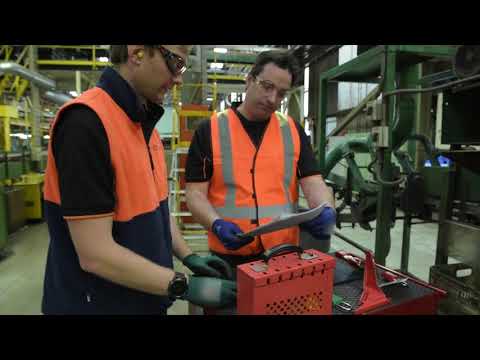
The following SafeWork NSW educational video explains machinery lockout. It supports understanding of hazardous-energy control during maintenance; it does not approve a substitute component or replace a site-specific safe system of work. Applicable procedures and competent supervision remain necessary for the actual equipment.
SafeWork NSW: Simple isolation.
FAQ
Can a component with the same electrical rating replace an obsolete controller?
The rating alone is insufficient. The responsible specialist must review functional behavior, interfaces, configuration, installation conditions and any effects on protective functions before accepting the substitute.
Does replacing an obsolete component always create a new machine?
No. The extent and consequences of the change determine the assessment. In Great Britain, HSE distinguishes routine replacement from substantial modification; the actual installation and applicable market rules must be reviewed.
What should purchasing obtain before placing the order?
Obtain verified equipment and component identity, the proposed substitute documentation, a written comparison of relevant differences, agreed technical responsibilities and the evidence required before return to service.