

A fermenter sample chain of custody transfer review checks whether a sample’s identity, possession and handling remain traceable from collection to laboratory receipt. Compare the container identifier, collection record, transfer entries and receipt observations before relying on the result. If an unexplained gap appears, preserve the original evidence and ask the laboratory and responsible quality team to assess its effect. A complete laboratory report does not, by itself, establish that the submitted container came from the intended vessel or remained under the required conditions.
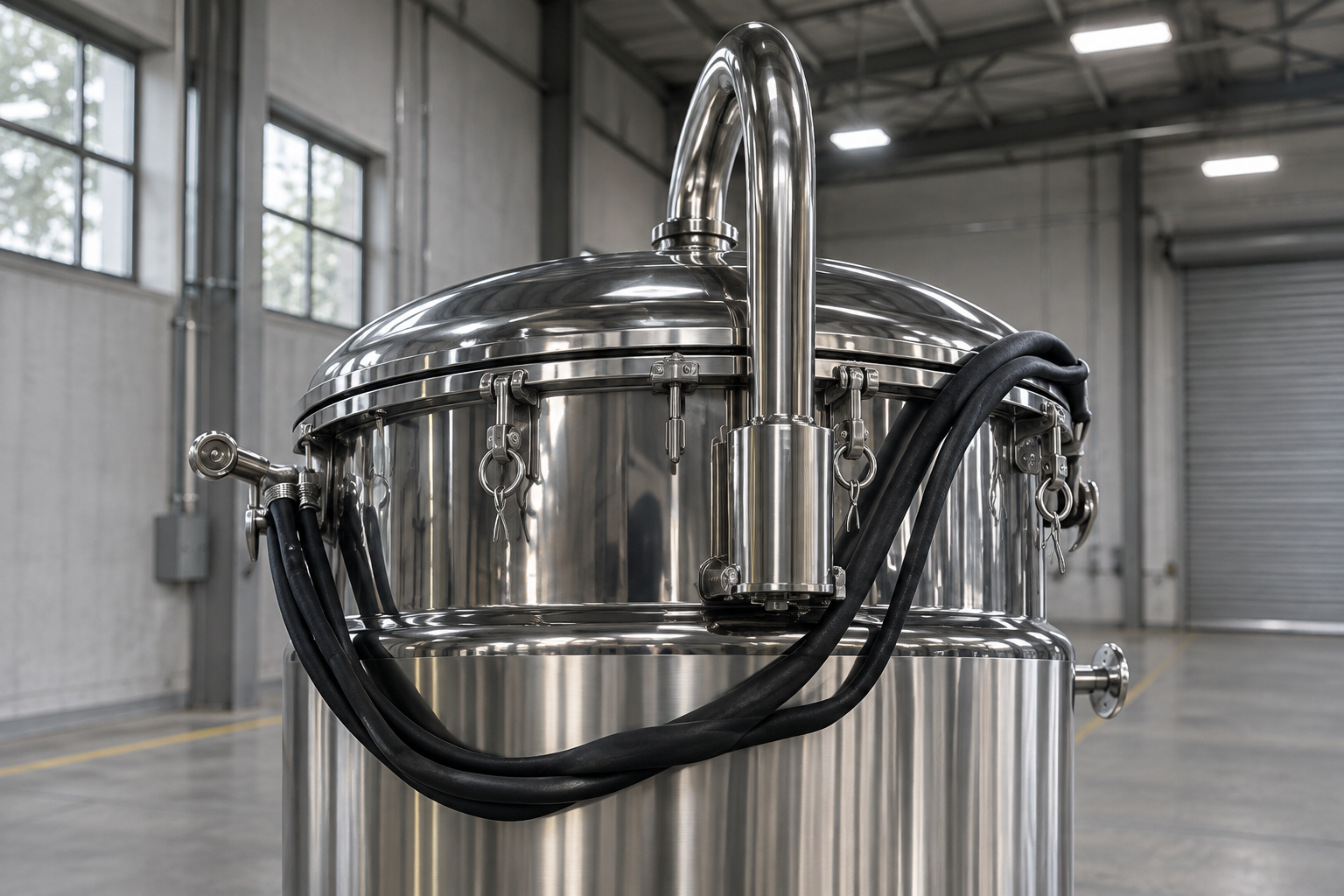
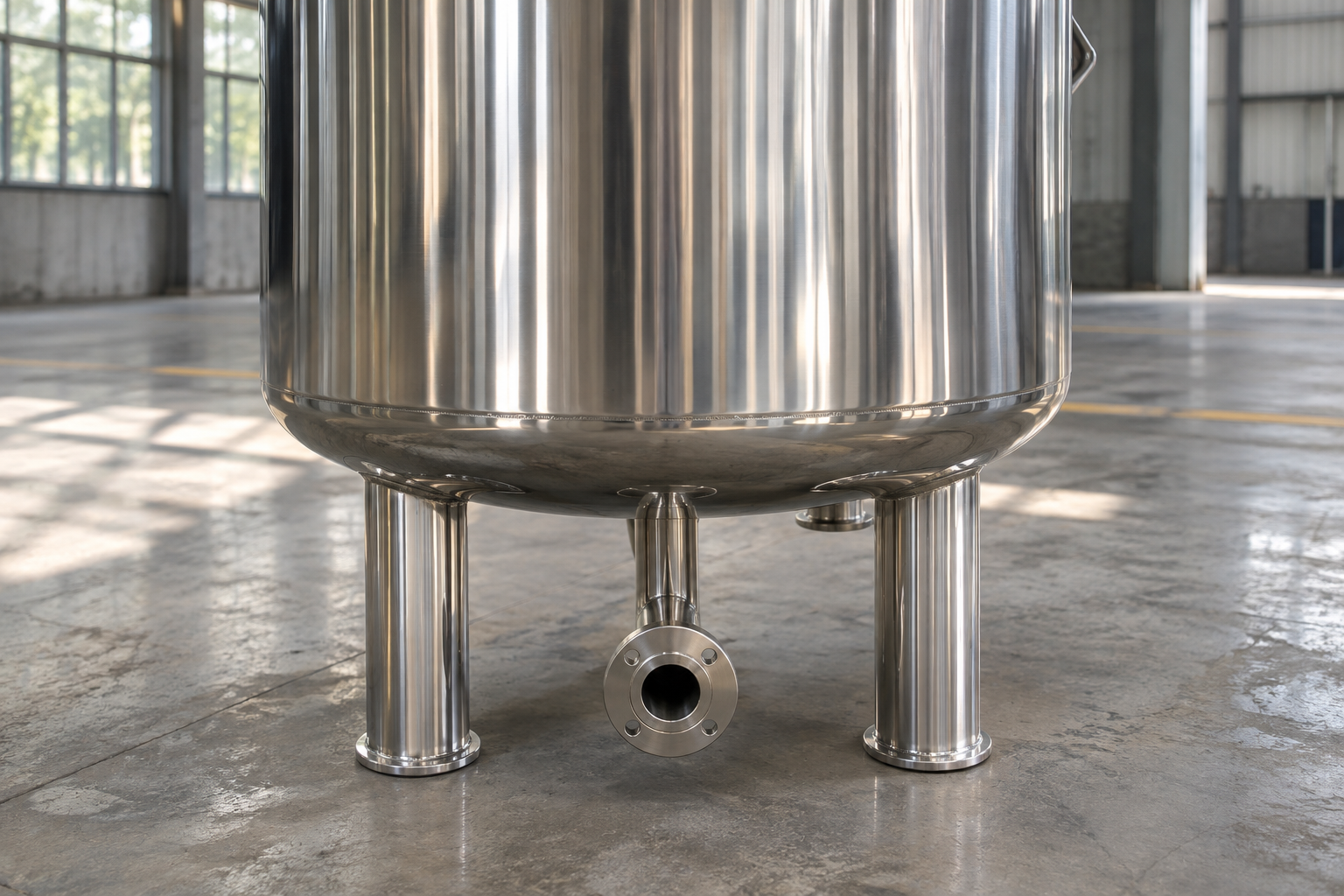
This guide helps production, laboratory and procurement teams prepare a practical handover process around a fermenter. It does not prescribe a sampling method, preservation temperature or holding time. Those requirements depend on the material, analysis, approved procedure and applicable quality system. The product photograph does not establish a supplied sampling assembly or sterile sampling capability.
Start with the purpose of the sample
Define what decision the result will support. A development sample used to understand process behavior may follow a different review route from a sample supporting product release. The appropriate evidence must be agreed before collection. Otherwise, the laboratory may receive a correctly labelled bottle without knowing which test, method or decision it belongs to.
Associate the sampling request with the vessel identity, batch reference, sampling point description, requested analysis and responsible contact. Where several vessels contain similar material, use identifiers that remain unambiguous outside the production area. An abbreviation understood by the day shift may be meaningless to the courier or receiving laboratory. Check the identifiers used by both organizations rather than assuming they share the same naming convention.
The fermentation reactor guide provides the broader equipment context. Custody review begins after the sampling plan has established how a representative sample will be obtained safely. Good documentation cannot correct an unsuitable sampling point or make an unrepresentative sample representative.
Distinguish identification, custody and sample condition
Identification answers which sample the container represents. Custody records who possessed or controlled it. Condition records whether observations and handling evidence support its suitability for the requested work. These three questions overlap but should not be collapsed into a single checkbox labelled “sample accepted.”
For example, a container may have a clear identifier while its transfer record omits the person who received it at the site gate. Alternatively, the signatures may be complete while the laboratory records a damaged closure. Each issue needs its own assessment. Ask the reviewer to describe what the evidence establishes and what remains uncertain, rather than treating all discrepancies as an identical administrative error.
The existing sample container traceability checks help establish the identity link. This article focuses on the later movement of the identified container and the evidence available at each change of custody.
Agree a transfer record before the first handover
Prepare a record that can travel with the samples or remain available through a controlled electronic process. Confirm who completes each section and who keeps the original or authoritative record. The form should accommodate actual transfers, including a courier collection or an intermediate secure storage location where the approved procedure allows one.
The following table is a planning aid. It is not a universal regulatory form and does not assign acceptance limits.
| Transfer stage | Evidence to reconcile | Action when information is missing |
|---|---|---|
| Collection to site custodian | Sample ID, batch association and collector record | Resolve the identity link through the approved procedure |
| Site custodian to courier | Containers dispatched, transfer time and dispatch identity | Preserve the dispatch evidence and contact the responsible parties |
| Courier to laboratory reception | Shipment identity, receipt time and recipient record | Compare the transport record with laboratory receipt observations |
| Reception to laboratory storage | Laboratory accession ID and storage assignment | Confirm how the original sample ID remains linked |
| Laboratory receipt exception | Damaged packaging, unexplained delay or mismatch | Record the observation and seek an authorized suitability decision |
EPA’s sample and evidence management procedure illustrates custody documentation and controlled transfers for environmental investigations. That procedure explicitly has its own organizational scope. Use it as background when designing questions; it is not a fermenter sampling standard or an instruction to adopt EPA forms unchanged.
Review the handover while both parties can clarify it
At each transfer, reconcile the containers actually handed over with the record. Where the approved process requires signatures or equivalent electronic identification, capture them at the time of the event. A later reconstruction from memory can leave the reviewer unable to distinguish an observed fact from an assumption.
Check that time entries can be interpreted consistently. If a shipment crosses time zones, the receiving team should be able to establish the sequence without guessing the basis of each timestamp. Do not edit original entries merely to make the timeline look consistent. Record the clarification and retain the original information under the applicable document procedure.
Where a sealed outer package is transferred, distinguish the shipment identifier from the identifiers on individual containers. The recipient may be able to confirm receipt of the package without yet confirming its internal contents. State what was actually checked. Avoid a form that encourages someone to certify observations they could not make.
Treat receipt observations as evidence
The receiving laboratory should have an agreed route for recording discrepancies and communicating them to the sender. Possible observations include an unreadable label, a missing container, damaged packaging or a disagreement between the requested analysis and the submitted material. The relevant issue is how each observation affects the intended analysis and decision.
The State of Hawaii’s handling and analysis of samples guidance links sample planning, handling and custody in an environmental setting. Its numerical requirements for environmental samples should not be transferred to fermentation materials. For a fermenter sample, obtain the laboratory’s method-specific instructions and your approved process requirements before dispatch.
Do not assume that a courier delivery confirmation is equivalent to laboratory acceptance. It may show that a package reached a building while leaving container identity, accession and condition checks unresolved. Ask the laboratory to define the receipt evidence it will provide and the route for urgent exceptions, particularly outside normal receiving hours.
Resolve an unexplained gap without rewriting history
When a transfer is missing, keep the sample record, dispatch record, messages and laboratory observations together. Identify the last documented custody point and the next documented receipt. Ask the people involved to explain what happened, recording the source and timing of any additional information. Do not insert a signature on someone else’s behalf or backdate a reconstructed account.
The responsible reviewer should assess the available evidence against the purpose of the sample. An organization may need to qualify the result, request further information, repeat sampling or take another approved action. The correct response depends on the material and the quality system; this guide cannot supply a universal acceptance rule. Record who made the decision and why.
For an illustrative case, suppose a courier collected three containers but the laboratory accession record lists two. First reconcile shipment identity, package contents and the requested analyses. Do not decide that the third result is simply delayed until the laboratory confirms whether the third container was received. This distinction prevents an assumption about reporting status from concealing a physical discrepancy.
Keep custody review separate from result amendment
A custody problem may be discovered before analysis, during review or after a result has been issued. Keep the handling assessment connected to the report while preserving the original records. If the laboratory issues an amendment, its reference should remain linked to the original result and the documented reason for the change.
The sample result correction guide addresses that reporting trail. An amended report does not automatically repair a missing custody event. Likewise, a completed custody clarification does not authorize someone to alter the laboratory result. Assign these decisions to the appropriate responsible people and retain their separate evidence.
Where results move into an electronic batch record, confirm that the accession identifier, report version and any qualification remain associated with the correct batch. A document uploaded to the right folder can still be misunderstood if its status is unclear. Review the complete decision record rather than the presence of an attachment alone.
Design the arrangement with the laboratory and equipment supplier
Before routine work begins, agree the sample collection responsibilities, receiving schedule, dispatch contacts, container requirements, transport arrangements and exception process with the laboratory. Obtain written instructions for the actual analysis. If a method requires a particular preservation condition or maximum interval, identify the source and how compliance will be demonstrated. Do not fill those fields with a generic value.
When enquiring about fermenter equipment, explain the intended sampling purpose, material characteristics and cleaning or containment needs. Request confirmation of the actual proposed sampling arrangement and documentation. A standard exterior photograph cannot show whether a connection is suitable for your method, nor whether accessories are included. Keep commercial scope and laboratory procedure aligned so that neither team assumes the other has resolved an important requirement.
Review the arrangement after a change of laboratory, courier, sampling point or batch-record process. Those changes can introduce new identifiers and responsibilities even when the vessel itself remains unchanged. A short trial of the documentation route before an important campaign can reveal unclear handovers without consuming a critical production sample.
Further learning: custody documentation
EPA’s educational video below discusses chain of custody for criminal investigation samples. It helps explain the importance of documenting possession and transfer. Its legal-investigation setting is different from routine fermentation testing; it does not establish a mandatory procedure or acceptance limit for your product.
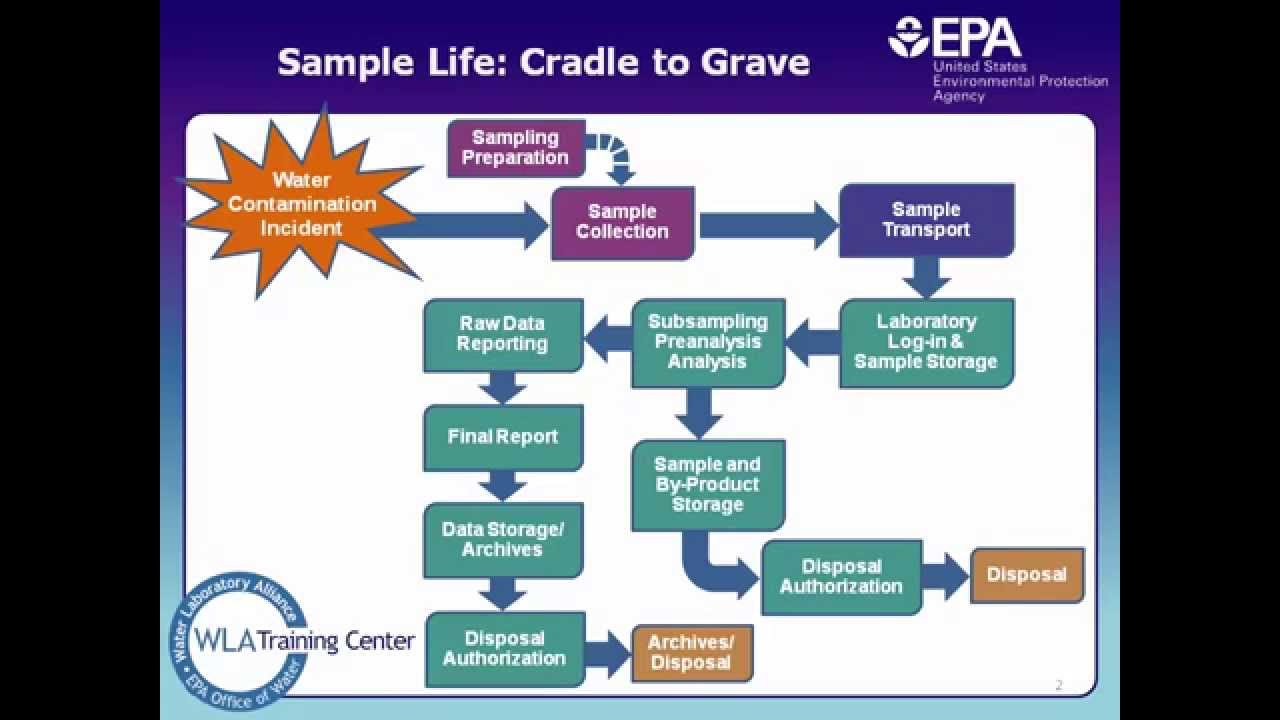
EPAgroups: Handling of Criminal Investigation Samples: Maintaining Chain of Custody – Part I.
FAQ
Does a courier receipt prove an unbroken sample chain of custody?
No. It can support the transport timeline, but the review must also reconcile sample identity, relevant transfers, laboratory receipt and any handling or condition exceptions required by the approved process.
Can a missing transfer entry be completed later?
Additional information may be documented through the approved correction or investigation process. Preserve the original record, identify the source of the clarification and obtain an authorized assessment; do not fabricate signatures or backdate entries.
Should every fermenter sample use the same holding time?
No. Obtain requirements for the actual material, analysis and method from the laboratory and approved procedure. Environmental examples do not establish universal fermentation sample limits.


