

A mixing tank maintenance handover checklist should tell operations what work was completed, what condition the equipment is in, what remains unresolved, and who can authorize the next step. Include equipment identity, isolation status, mechanical reinstatement, cleaning requirements, instrument changes, outstanding defects, test evidence, and explicit release conditions. A signed work order alone does not show that a tank is ready for production. The handover must distinguish maintenance completion, permission for controlled testing, and final acceptance for the intended process.
This guide helps maintenance planners, production supervisors, and equipment buyers define a practical record. It is not a commissioning procedure or an instruction to start machinery. Use the actual equipment manual, site isolation rules, process requirements, and authorized personnel. A photograph of a mixing vessel cannot establish its fitted safeguards, electrical controls, or permissible operating limits.
Define the boundary of the handover
Specify which asset and work package are being transferred. A mixing system can include the vessel, agitator, drive, jacket connections, valves, instrumentation, supporting structure, and associated services. Maintenance may cover only part of that system. Avoid describing the whole installation as released when the work order addressed one seal or one valve.
Record the equipment tag, location, work order, scope, and relevant drawing revision. If the work crossed a boundary into a shared utility or adjacent process line, identify the responsible person for that boundary. Physical proximity does not establish responsibility, and a shared operator screen can hide several separate maintenance packages.
HSE’s guidance on shift handover emphasizes communication when tasks and responsibilities transfer. Apply that principle even when the handover occurs between maintenance and operations during the same shift. A written record and a direct discussion should support each other where the risk requires it.
Preserve the as-found problem and completed work
State the original symptom and what was actually done. “Agitator repaired” leaves too much uncertainty. Identify the inspected or replaced assembly, part reference, relevant settings, and evidence of the completed work. Do not include an unsupported claim that the original cause has been eliminated if the team only replaced a suspect component.
Retain photographs, measurements, and examination findings where they help explain the condition. Keep removed-part findings linked to the work order. If the problem was intermittent and could not be reproduced, record that limitation instead of describing a successful repair based only on a short uneventful observation.
HSE’s equipment maintenance guidance provides a general basis for planning and safely performing maintenance. It does not specify the torque, lubricant, seal arrangement, or test sequence for a particular mixing tank. Those details must come from the applicable equipment documentation and approved work instructions.
Make isolation and energy status explicit
Record the current isolation status and who controls its change. A maintenance team may complete mechanical work while electrical or process isolation remains in place. Operations must understand whether the tank is still under maintenance control, available for a specified test, or released for the next approved process step.
Consider all relevant energy and material sources in the actual installation. The agitator drive is one source, but connected pressure, vacuum, temperature, hydraulic or pneumatic services, and stored material may also matter. Do not assume that a stopped motor means the entire equipment is safe to approach or open.
The handover checklist must not replace the site’s isolation system. Record permit or isolation references and the responsible authority rather than issuing a parallel informal release. If the incoming team cannot reconcile the physical condition with the record, keep the status unresolved until the discrepancy is addressed through the approved process.
Check reinstatement against the work scope
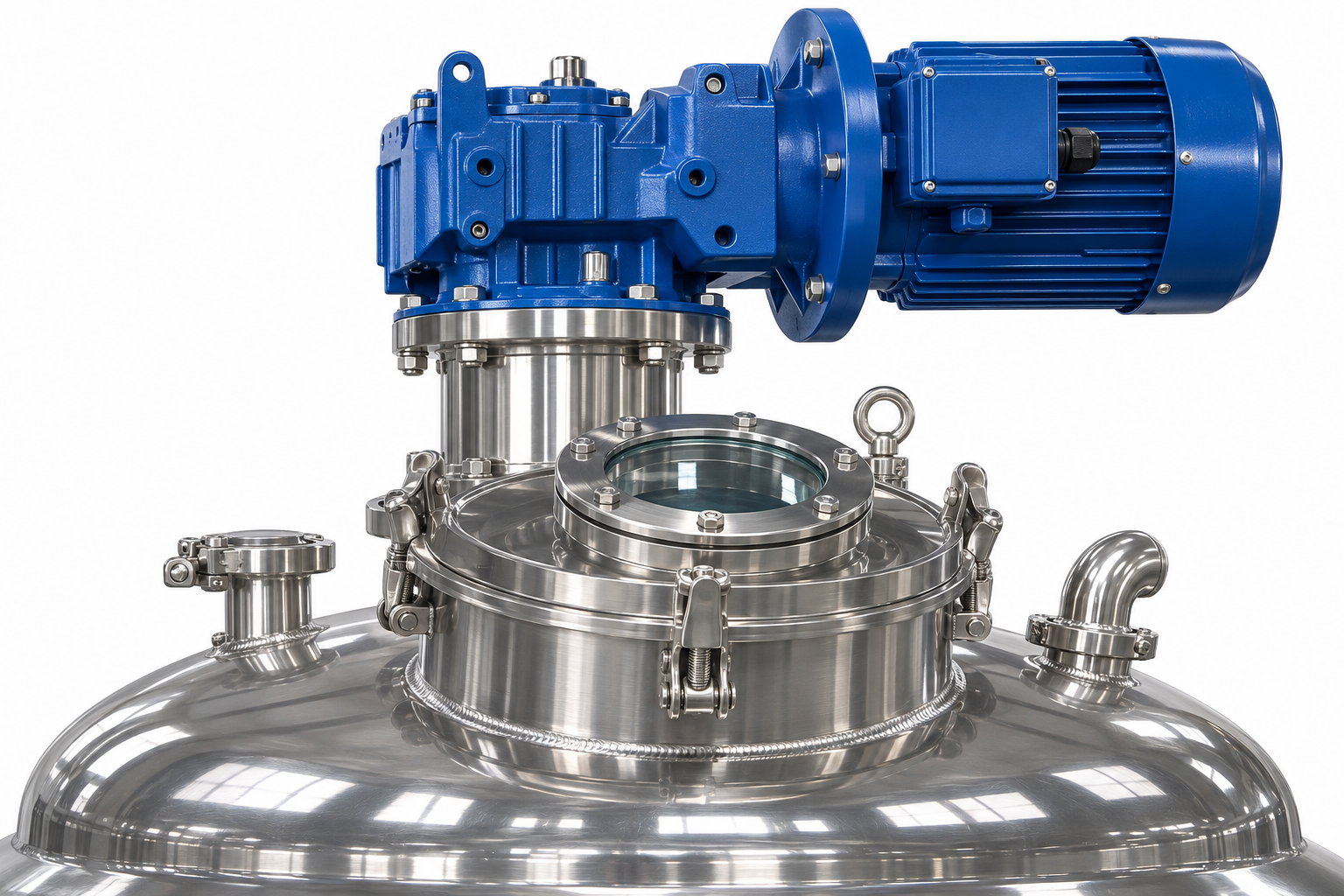
Mechanical reinstatement means more than the absence of loose tools. Confirm that the components disturbed by the work have been restored according to the applicable instructions and that required checks are recorded. Depending on the actual job, this can include fasteners, covers, guards, connections, valve positions, and instrument fittings.
Do not add generic checklist items that nobody can verify. A checkbox saying “all bolts torqued” is misleading if the work instruction required a different fastening method or no torque record was taken. Use specific references and observable acceptance evidence. Where a measurement is required, retain the result and applicable limit rather than only a signature.
For drive-area work, the agitator coupling guard inspection guide covers a narrower protective issue. The handover should reference that inspection if applicable, while keeping other release conditions visible. A satisfactory guard check does not establish internal cleanliness, alignment, or process readiness.
Use a checklist with decisions and ownership
This qualitative table helps structure a handover. It does not set universal engineering limits or authorize a startup. Adapt it to the actual work, with acceptance criteria taken from the approved instructions and site process.
| Handover field | Evidence to attach | Question for the receiving team |
|---|---|---|
| Asset and scope | Tag, work order and affected boundaries | Which equipment and functions are covered? |
| Work completed | Parts, findings and approved work records | What changed from the as-found condition? |
| Energy status | Permit and isolation references | Who controls the next status change? |
| Reinstatement | Required inspections and recorded results | Are disturbed components correctly restored? |
| Process condition | Cleaning, material and utility status | What must happen before product introduction? |
| Open actions | Defects, restrictions, owner and deadline | Which conditions prevent final release? |
| Acceptance | Named receiving person and release scope | Is this test permission or production acceptance? |
Write “not applicable” only when the reason is clear. Write “not checked” when evidence is missing. Those statements have different meanings, and replacing both with a tick conceals uncertainty. A useful form makes it easy to record an unresolved item without falsely implying that the entire job failed or passed.
Keep cleanliness and mechanical completion separate
Maintenance can introduce debris, lubricants, cleaning residues, or foreign materials into an equipment area. The receiving team needs the actual cleanliness status and the required next process step. A mechanically complete vessel may still need cleaning, inspection, sanitization, or another approved preparation before production.
State whether the vessel was opened, what surfaces were exposed, and which temporary materials were used. If a protective cover or temporary connection remains, identify it and assign responsibility for removal. Do not rely on a technician’s memory to prevent a temporary item from becoming part of the next batch setup.
The mixing tank product information is a starting point for supplier discussions about the equipment. Ask for the order-specific cleaning instructions, material information, and maintenance requirements. Do not infer hygienic certification or suitability for a particular product solely from a polished stainless exterior.
Document instruments and control changes
Record any changed sensor, range, calibration factor, alarm setting, control logic, or interface connection. An equipment test can look normal while a replacement instrument sends a differently scaled signal. Operations needs to know which readings have been verified and which checks remain outstanding.
Keep software and instrument configuration records connected to the mechanical work package where the change affected equipment behavior. The handover need not reproduce the entire control program. It should identify the approved revision, change reference, test evidence, and responsible reviewer so the receiving team can locate the authoritative record.
For temperature-related work, compare the question with the site’s reactor temperature sensor response-time guide. Sensor response and sensor calibration are different properties. Refer to the applicable check rather than writing a blanket statement that every instrument is accurate because the display changes during a test.
Separate controlled testing from production release
A controlled test may be necessary to complete maintenance acceptance. Define its prerequisites, authorized personnel, permitted conditions, monitoring, and stop criteria in the approved test plan. The handover record should point to that plan and state the current permission; it should not invent an operating sequence in a free-text comment.
After testing, record the actual results and any new findings. A no-load drive test does not establish loaded mixing performance. A cold check does not demonstrate thermal performance. A visual leak observation does not prove a specified pressure test was completed. Match each conclusion to the evidence actually obtained.
If a test is postponed, retain the incomplete status. Avoid the phrase “ready except for testing” when testing is an acceptance condition. State who owns the test and what must remain isolated or restricted until it is completed. Clear language protects both the maintenance team and the incoming operator from assumptions.
Transfer outstanding actions without losing them
Every unresolved action needs an owner, a clear description, and a release implication. Some items prevent return to service; others may be managed under an approved temporary restriction. The checklist should reflect the site’s actual authority for that decision, rather than allowing a form signature to waive a technical requirement.
During the discussion, ask the receiving person to explain the important restrictions back in their own words. This can expose different interpretations of a valve lineup, temporary connection, or remaining inspection. Where language, shift timing, or simultaneous work makes communication difficult, use clear labeled drawings and records to support the exchange.
The mixing tank receiving inspection article addresses document identity. Use the same discipline when maintenance changes the equipment configuration. A completed handover should not leave the drawing showing an arrangement that the team knows has been modified.
Prepare a handover package the next team can use
Keep the package short enough to read and complete enough to act on. Include a summary sheet, the work order, relevant test results, changed-document references, and open actions. Store it with the asset record rather than only in a personal message or a folder that the next shift cannot access.
For a supplier enquiry, provide the equipment identity, service history, fault description, and planned maintenance boundary. Request the applicable instructions and acceptance evidence. That information supports a specific response and avoids a generic checklist that cannot account for the installed drive, seal, jacket, or controls.
The educational video below explains hazardous energy control. It supports the safety context for a maintenance handover but does not replace the site’s isolation procedure or authorize restarting a mixing tank.
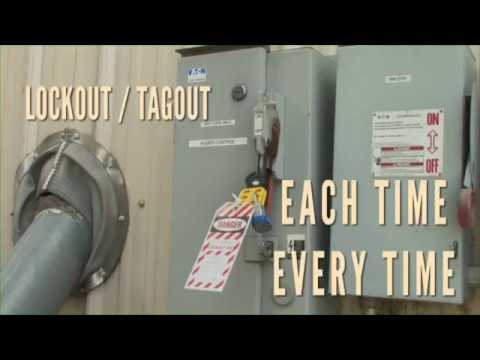
U.S. Agricultural Safety and Health Centers: Control of Hazardous Energy for lockout/tag out.
FAQ
Does a signed maintenance work order authorize production?
Only if the site’s defined release process and required acceptance conditions are satisfied. Mechanical completion, controlled-test permission and production acceptance should be clearly distinguished.
What should happen when the incoming team finds an unclear restriction?
Keep the affected status unresolved and clarify it with the responsible authority. Record the final interpretation, owner and required action before relying on the handover.
Can a generic checklist replace the equipment manual?
No. The checklist organizes evidence and responsibilities. Equipment-specific instructions, acceptance limits and approved procedures remain necessary for the actual work and release decision.


