

Heat exchanger bundle identification records should connect the physical assembly to its parent exchanger, approved drawing revision, material records, tube map, inspection history, and current release status. A familiar appearance or matching overall length is not enough to establish interchangeability. Before ordering a replacement, inspecting tubes, or returning equipment to service, reconcile the identifiers and resolve conflicting records. This avoids assigning inspection results to the wrong assembly or installing a component whose geometry, materials, or permitted duty have not been verified.
This guide concerns identity and record continuity. It does not prescribe bundle removal, lifting, pressure testing, or repair acceptance. Those tasks require a separate approved plan. It also distinguishes removable assemblies from fixed tubesheet designs, whose construction may not permit routine bundle withdrawal.
Start by confirming the exchanger construction
The term bundle can refer informally to the tube assembly inside several different exchanger arrangements. That language must not become an instruction to pull the assembly out. Confirm the exchanger type on the approved drawing and manufacturer’s documentation before planning access. A fixed tubesheet unit and a removable floating-head unit have different maintenance possibilities even when their external shells look similar.
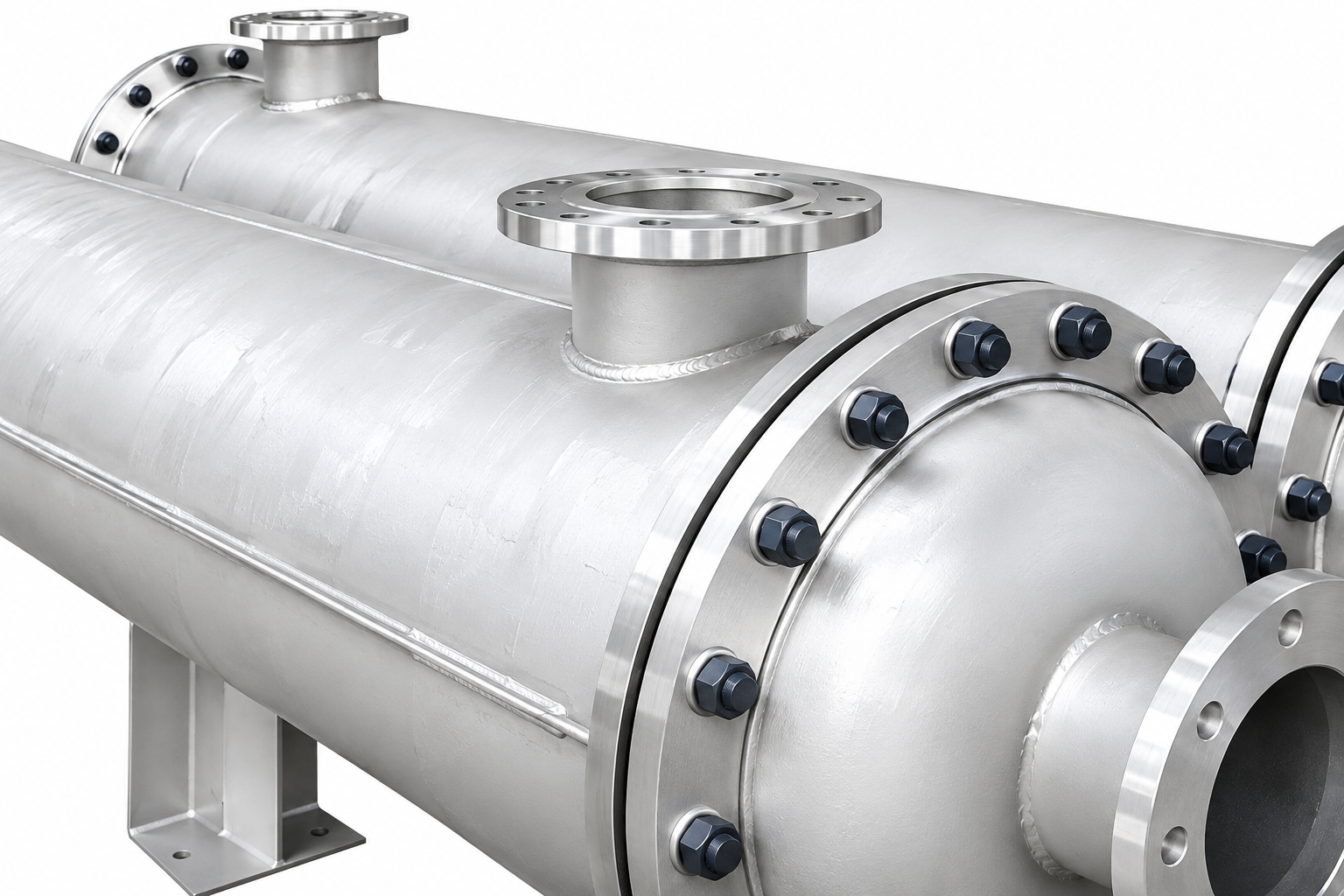
The YIYI fixed tubesheet exchanger product page shows actual equipment context for this topic. The exterior image does not prove the internal layout, material grade, pressure rating, or removability of a particular unit. For a fixed tubesheet exchanger, link the internal tube assembly history to the complete exchanger record and approved repair scope. Do not request a replacement removable bundle simply because a purchasing form uses that term.
For the broader design distinction, review the fixed tubesheet versus floating-head comparison. The identity exercise should begin before dismantling so that photographs, markings, and orientation evidence are available while the equipment is still in its known installed position.
Separate the identifiers that answer different questions
A plant asset tag identifies the installed duty or equipment position. A manufacturer’s serial number identifies the supplied unit. An assembly identifier may track an individual removable bundle. A drawing number and revision define documented configuration. A material heat number points to a material production record. These identifiers serve related but different purposes; one should not silently replace another.
Create an identity sheet with separate fields. Record an identifier exactly as found, including punctuation and any uncertain characters. Add a clear photograph and the location where the marking was observed. If a digit cannot be read, mark it uncertain rather than choosing the character that matches an expected spare. Keep transcribed information alongside the original photograph so an independent reviewer can revisit the evidence.
A part number may apply to a family of interchangeable components, whereas a serial number can identify one specific item. Interchangeability still needs confirmation against the relevant engineering documents. Two items with the same commercial description might carry different revisions, pass arrangements, materials, or modifications accumulated during service.
Build a minimum evidence package
The following table is a suggested record structure. It is not a declaration that every field is present on the website equipment or that every installation follows the same inspection rules. Assign the fields according to the actual design, purchase specification, and maintenance system.
| Record group | What to capture | Decision it supports |
|---|---|---|
| Installed identity | Asset tag, serial number, location and service | Connects the work order to the correct exchanger |
| Assembly configuration | Approved drawing revision, construction type and relevant arrangement | Defines what can be inspected, repaired or replaced |
| Materials | Applicable certificates and component-to-certificate references | Allows material claims to be checked against evidence |
| Inspection continuity | Tube map orientation, method, report references and repair history | Prevents comparing results from different locations or assemblies |
| Current status | Storage location, protective condition, open actions and release authority | Prevents an identified but unreleased item being installed |
HSE’s work equipment maintenance guidance explains the importance of planned maintenance and suitable information for the work. The table above applies that general discipline to exchanger identity; it is an operational proposal rather than a quoted regulatory checklist. Required examinations and records must be established for the actual system and jurisdiction.
Reconcile the drawing before measurements become an order
Gather the latest approved general arrangement, relevant assembly details, and any documented repairs or modifications. Check whether the drawing describes the supplied unit, an earlier revision, or a proposed replacement. An unapproved sketch in a maintenance folder should not acquire authority merely because it is easy to find.
When dimensions are needed, define the measurement references and record units. State whether a dimension was measured, read from a drawing, supplied by the manufacturer, or estimated. A photograph cannot reliably establish a hidden sealing detail or material specification. Do not resolve a conflict by averaging two measurements or copying the larger value into a request for quotation.
Use a discrepancy list. Each conflicting item should have an owner, supporting evidence, and a recorded disposition. For example, a document that shows a different pass arrangement might belong to another exchanger, or it might reflect an undocumented change. Both possibilities require investigation. Until the configuration is reconciled, keep the procurement or installation decision on hold rather than letting the most convenient document win.
Protect tube-map continuity during inspection
A tube map only remains useful when its orientation and identity travel with the inspection data. Record which end was viewed, the reference feature used, row and column convention, and how repaired or plugged positions are represented. Link the map revision to the report and assembly. A copied map with a reversed viewing direction can turn a technically sound measurement into an incorrect location history.
The separate tube inspection mapping guide addresses the location scheme in more detail. Here the key control is ownership of the map: every inspection report should establish which physical exchanger and configuration it describes. If an assembly is moved between approved positions, retain that movement in both relevant asset histories.
Keep raw inspection files where available, together with method, equipment references, examiner details, and the stated limitations. Do not convert an old inspection finding into a current condition statement merely because the assembly identifier matches. Identity makes the history applicable; it does not make the history recent.
Track movements and spares without losing release status
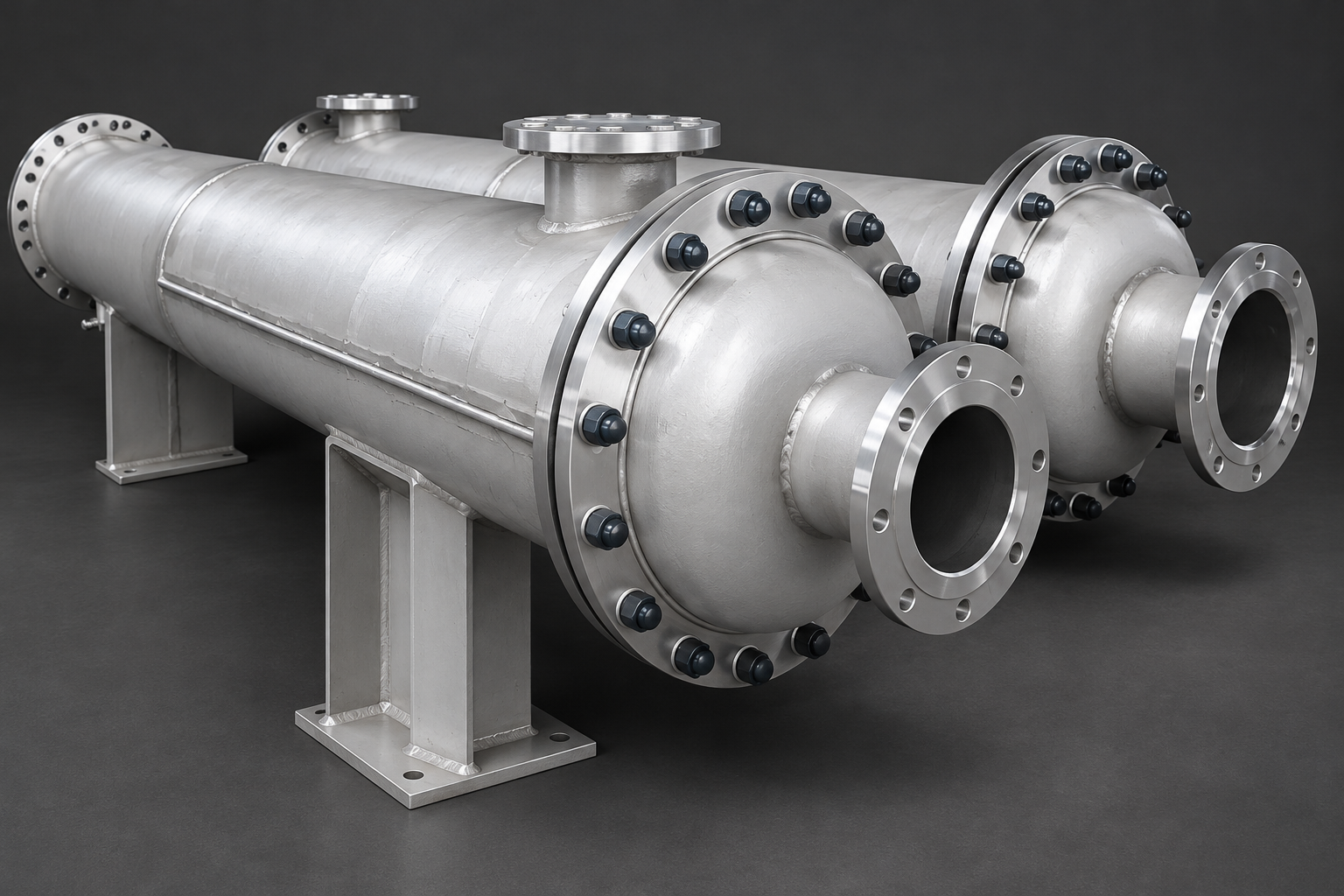
For a removable spare, record where it is stored and each custody transfer. Photograph the identifying feature before dispatch and on receipt. Link the packing list to the physical item, not just the shipment reference. If a protective label is removed for cleaning or inspection, use a controlled method to maintain identity throughout the work.
Keep identity and suitability separate. A spare can be correctly identified but unsuitable for the intended service. It may have open inspection actions, incomplete preservation records, damaged protective covers, or a restriction following repair. Its status should tell planners whether it is available, under review, held for repair, or released for a defined application.
HSE’s Safety of pressure systems guidance discusses records that allow a system and its history to be identified for examination. Use the guidance within its UK scope and determine the applicable requirements for the actual installation. The operational principle is to keep the physical item connected to its relevant documents. Establish an owner for the master record and define who may change release status.
Handle missing or conflicting identification
If a marking is absent, do not add a guessed manufacturer’s serial number. Create a controlled temporary reference and clearly distinguish it from an original equipment marking. Collect the remaining evidence: installed location, photographs, purchase history, drawings, accessible dimensions, and previous work orders. Ask the manufacturer or a qualified engineering reviewer to reconcile the package.
Avoid destructive marking or grinding a pressure component to find an identifier. Marking methods and locations need authorization, particularly where wall condition, corrosion protection, cleanliness, or pressure integrity could be affected. A permanent new plant reference may be useful, but it should preserve the uncertainty about original identity rather than disguise it.
If two assemblies share one identifier in the maintenance database, stop the relevant transaction and separate the records. Retain the audit history of the correction. Deleting an inconvenient record can remove the only evidence explaining why a prior inspection result appeared against the wrong unit.
Prepare a useful inquiry or maintenance handover
A sound inquiry explains whether the request concerns an entire exchanger, a verified removable assembly, or a repair to a fixed tubesheet unit. Supply the identity sheet, approved drawing revision, service conditions needed for engineering review, material evidence, inspection references, discrepancy list, and required documentation. Do not send confidential process information beyond what the supplier needs.
Ask the supplier to list assumptions and exclusions before manufacturing or repair begins. The resulting documents should identify the physical item, the approved scope, and the inspection or verification records that accompany delivery. On receipt, reconcile those documents against the order and physical equipment before assigning an available status. The existing exchanger bundle maintenance guide can support work planning after identity and construction have been confirmed.
Educational video: reading exchanger symbols
LearnChemE’s lesson on heat exchanger representations explains how exchangers appear on process flow diagrams. It supports distinguishing a process symbol from a detailed assembly drawing. A process flow diagram helps locate the duty, but it cannot establish the dimensions, materials, or interchangeability of a particular tube assembly.
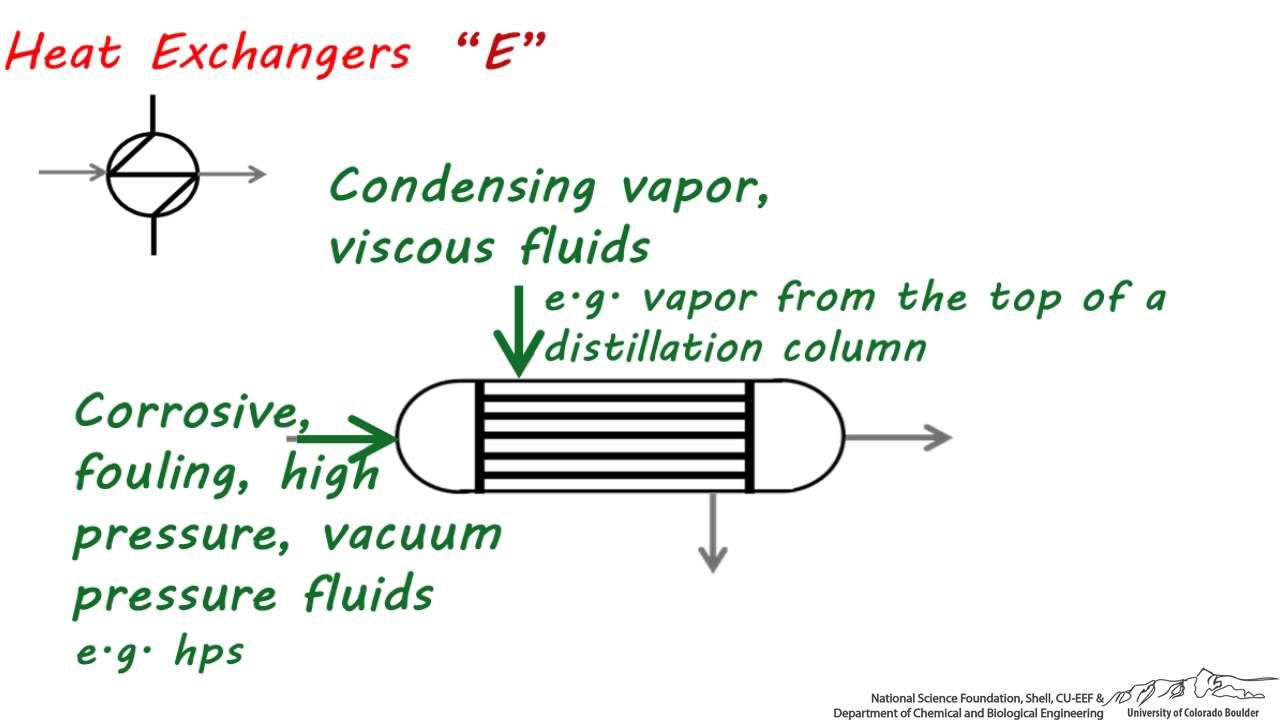
LearnChemE: PFDs: Heat Exchangers Part 1.
FAQ
Is an exchanger asset tag enough to identify a replacement bundle?
No. It locates the plant duty, but the replacement also needs configuration and assembly evidence. Reconcile the serial number, approved drawings, relevant materials and any service modifications before ordering.
Can a fixed tubesheet exchanger use the same removal procedure as a floating-head unit?
Do not assume that it can. Confirm construction and the authorized maintenance scope from the actual equipment documents. Fixed tubesheet construction may prevent routine bundle withdrawal.
What happens when the original serial number cannot be read?
Use a clearly identified temporary plant reference, retain photographs and reconcile the remaining records through a qualified review. Do not invent a serial number or conceal an unresolved identity conflict.


