Mixing tank batch changeover line clearance confirms that the previous operation has been removed, the required cleaning evidence is acceptable, the equipment is correctly assembled, and the next batch can start under the approved instructions. It covers the vessel and its connected process path, materials, documents, and status information. A clean-looking tank or a completed wash cycle alone does not establish clearance. Use a defined checklist, identify unresolved findings, and record who authorized release before introducing the next product.
This guide proposes a practical handover structure for shared mixing equipment. Food, chemical, cosmetic, and pharmaceutical processes have different obligations and risks. The actual product, equipment arrangement, quality system, and applicable rules determine the required checks. No general checklist establishes compliance or proves that a particular YIYI tank is suitable for a regulated application.
Distinguish cleaning, clearance, and process setup
Cleaning removes residues using an approved method. Cleaning verification provides the evidence required for that event. Line clearance checks whether previous materials, parts, records, and process remnants have been removed or appropriately controlled. Setup establishes the configuration for the next operation. These activities can interact, but completing one should not silently sign off all the others.
Consider a tank that has completed its approved wash but still has a hose connected to the previous receiving vessel. The cleaning record may be acceptable while the next transfer route remains incorrect. Conversely, the correct hose routing does not resolve an unacceptable cleaning result. A useful release form keeps each decision visible so a strong result in one area cannot conceal a failure elsewhere.
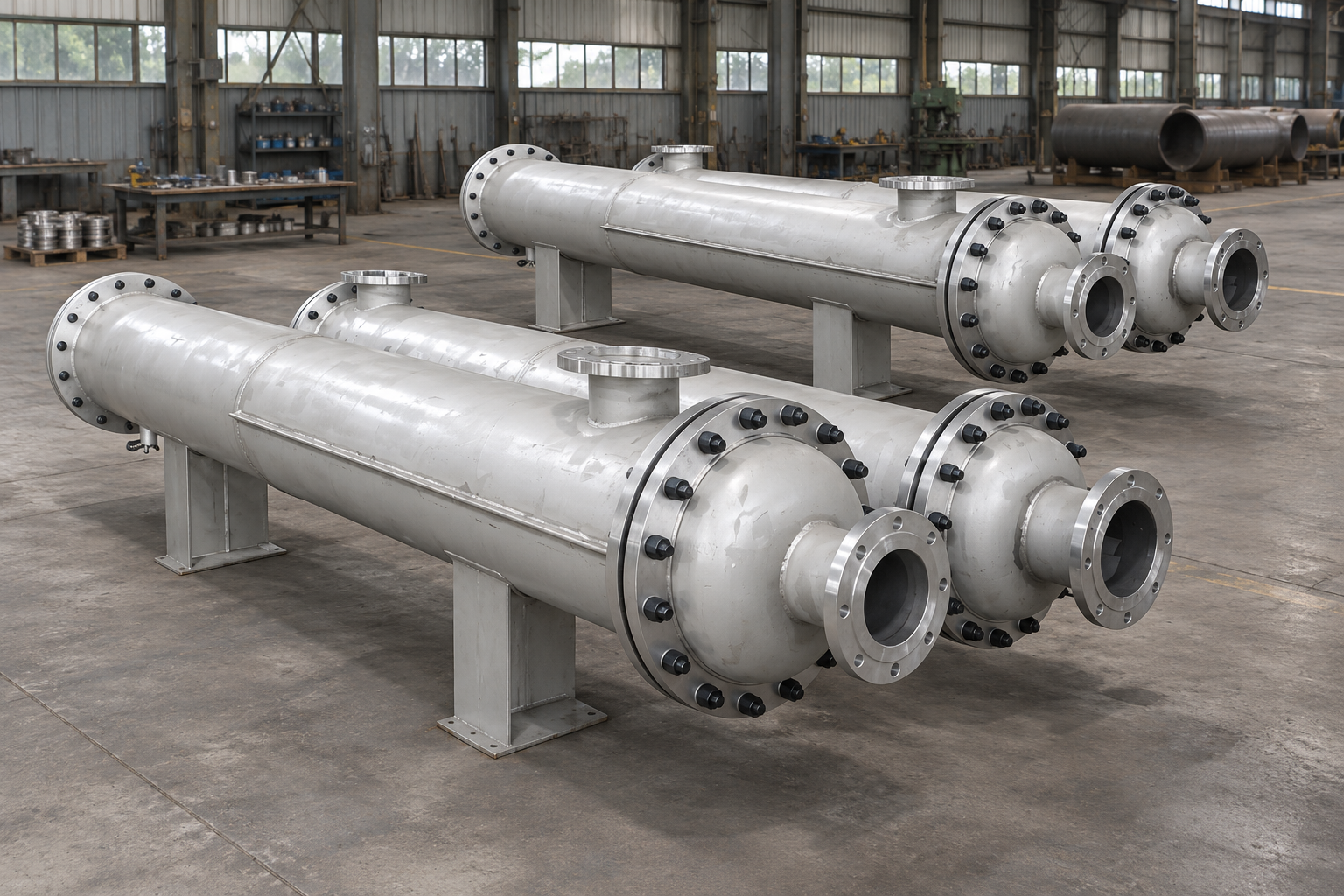
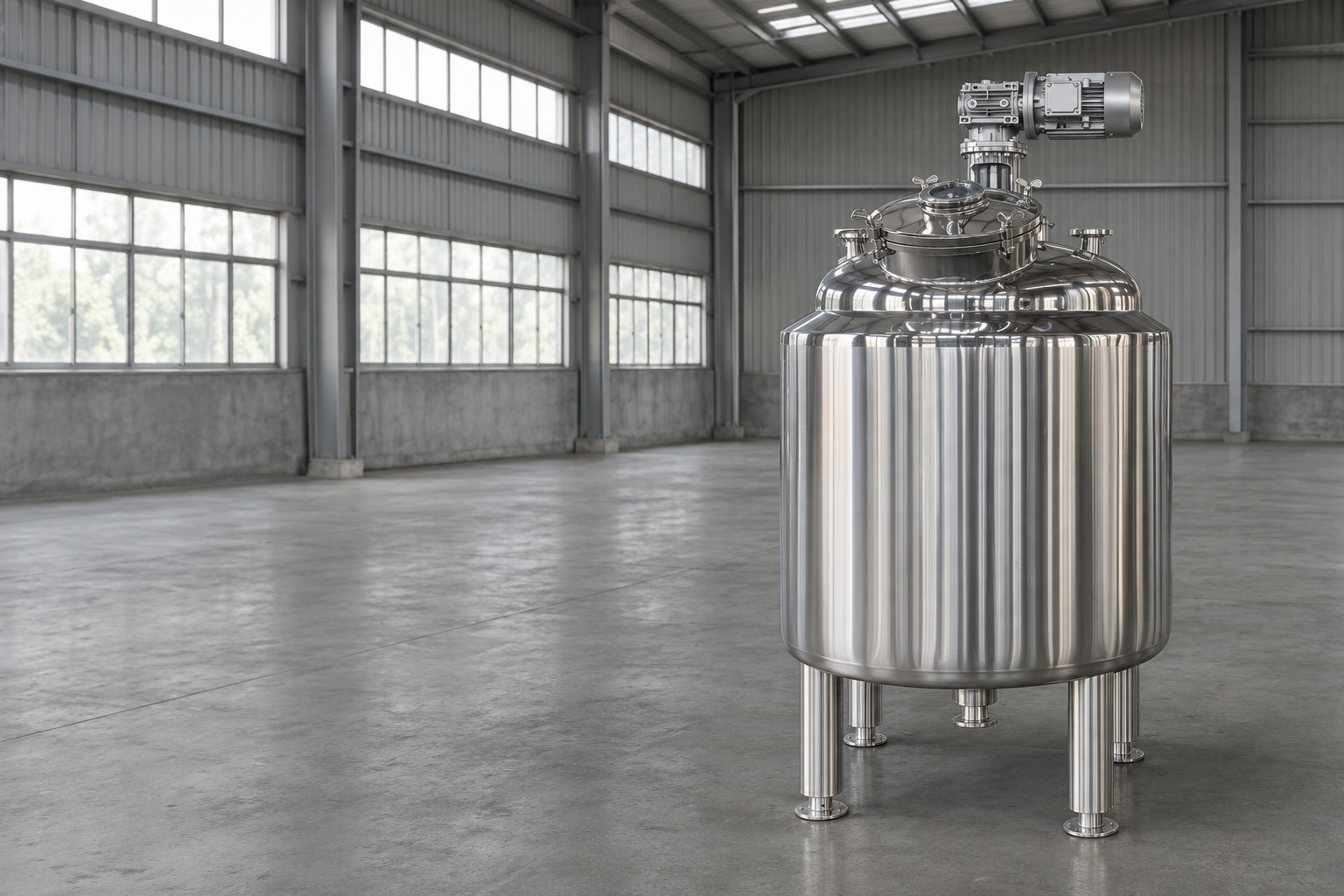
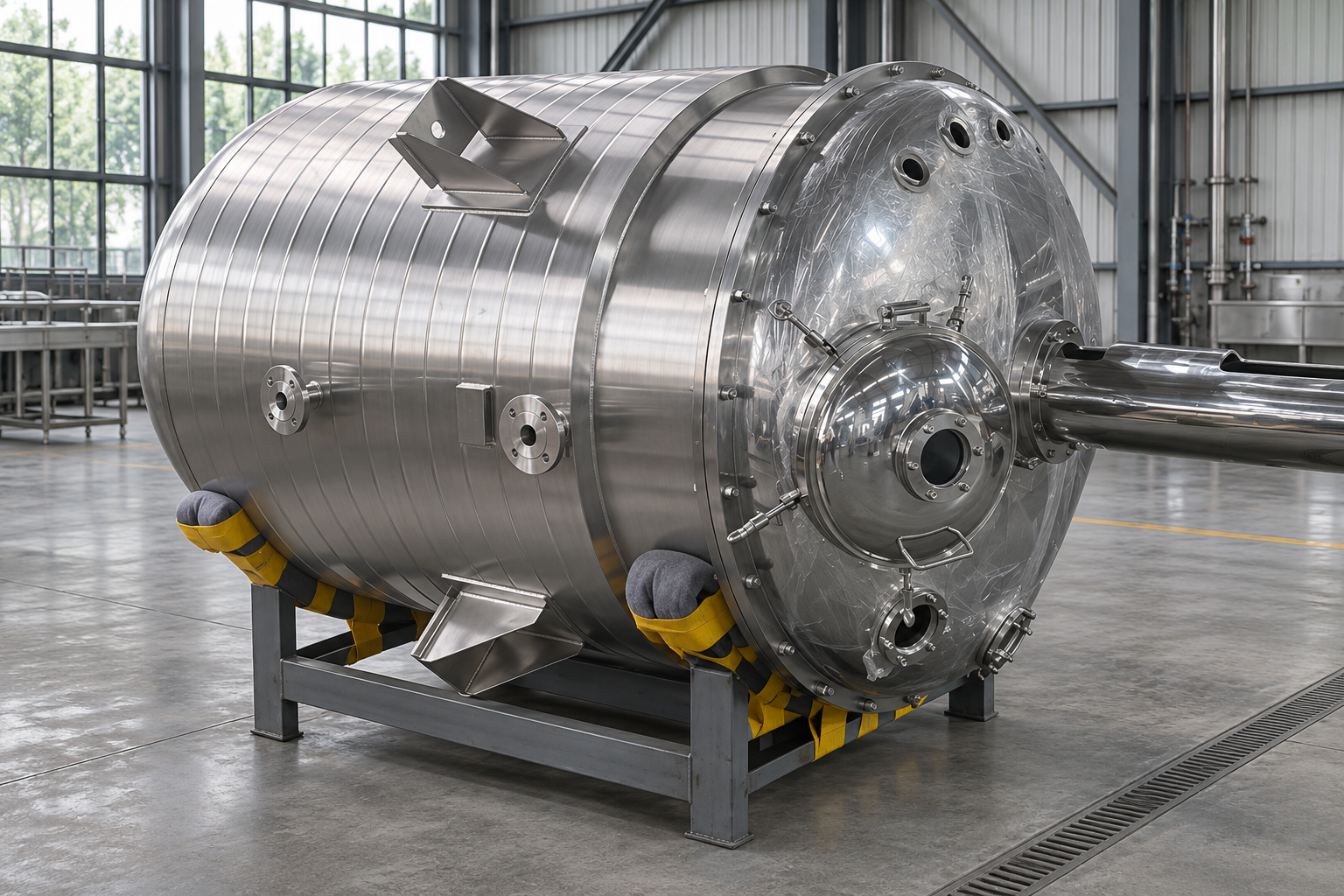
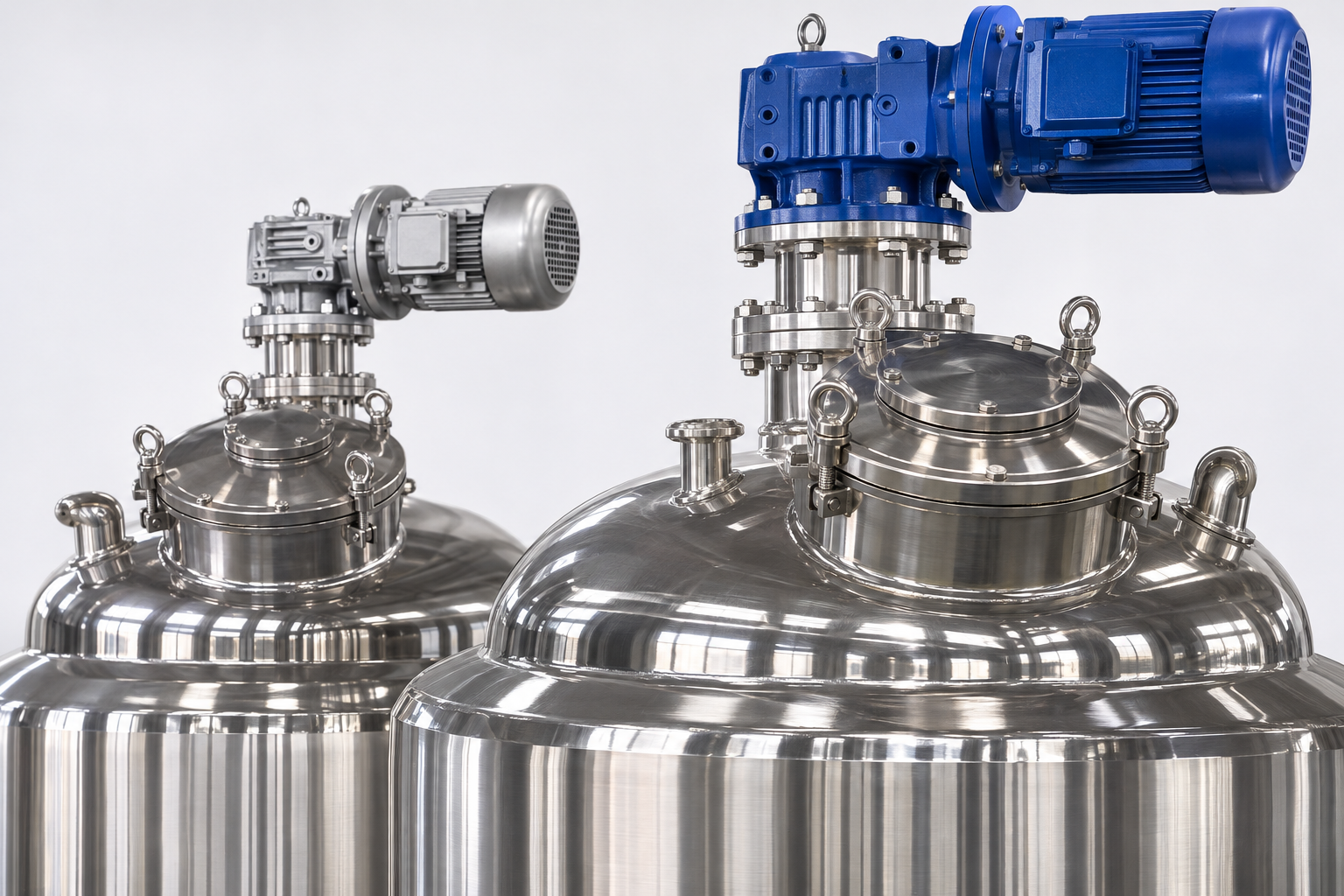
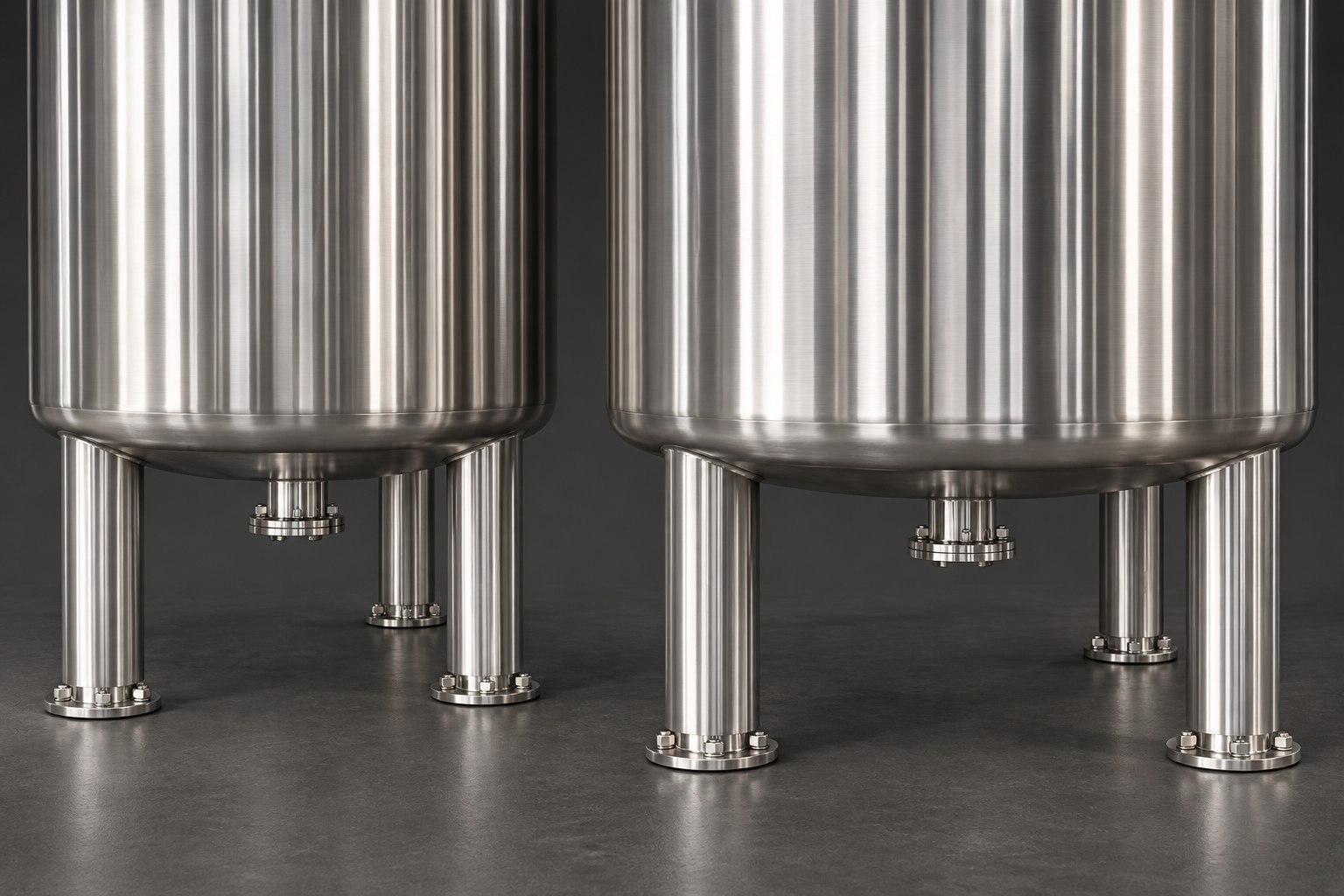
The YIYI mixing tank page provides the relevant equipment context. Its photographs show the vessel and drive arrangement, not proof of a validated cleaning cycle or released production status. Define the clearance boundary from the current process drawing and equipment list for the actual installation.
For the equipment fundamentals behind this checklist, see the mixing tank overview. Use it to identify the vessel and its role before drawing the clearance boundary.
Define the full changeover boundary
Include the vessel, feed and discharge connections, associated pump, temporary hoses, sampling components, installed filter housings, and the intended receiving equipment where applicable. Identify shared utilities or connected routes that require a specific status check. A boundary sketch attached to the clearance record can be more useful than a long list that omits the temporary items used during production.
Record which components were removed for cleaning and where they were cleaned. Check that portable parts have returned under the correct identity. Similar-looking clamps or seals should not be mixed without confirmation that they match the approved assembly. Where an item is not applicable, explain why instead of leaving a blank box that another shift might interpret as an unchecked task.
A route that is normally permanent can change after maintenance or troubleshooting. Review the work order for temporary connections, replaced items, and configuration changes. Keep equipment restoration linked to the clearance decision. Do not assume that an engineering work order marked complete means the process has been released for production.
Establish what cleaning evidence is required
The acceptance basis should be approved before the wash begins. Identify the cleaning procedure revision, completed cycle or manual cleaning record, required visual checks, relevant sampling results, and any permitted holding period. Different previous products or next products can require different controls. Do not introduce an arbitrary residue limit or a universal number of rinses to make the form appear more precise.
The European Commission’s EudraLex GMP Chapter 5 discusses contamination controls and detailed cleaning records. Its explicit packaging line-clearance provisions concern packaging operations; the mixing-equipment checklist here is an adaptation for operational planning, not a claim that packaging rules directly define every mixer changeover. Confirm the requirements applicable to the actual product and process.
WHO’s GMP validation guidance provides a framework for documented procedures, evidence and acceptance decisions in pharmaceutical manufacturing. Apply that framework only where relevant. The operational checklist below is an original planning aid that should be adapted by the responsible quality and engineering teams. Neither reference certifies the pictured equipment or supplies a universal residue limit.
Use a checklist that records evidence and action
Each checkpoint needs an evidence reference and a response when it fails. A simple yes/no list can hide uncertainty if the verifier does not know what proof is expected. The following qualitative table avoids generic numerical limits and keeps the release decision tied to the site’s approved criteria.
| Checkpoint | Evidence to record | Response to an unresolved finding |
|---|---|---|
| Previous operation closed | Previous batch identity, material removal and disposition record | Hold the route until remaining material is reconciled |
| Cleaning accepted | Procedure, completed record and required verification references | Investigate through the approved cleaning or deviation process |
| Parts and route restored | Assembly check, hose identity and destination confirmation | Correct configuration and repeat the affected checks |
| Documents and controls ready | Current instruction, recipe identity and appropriate status labels | Remove obsolete information and verify the authorized version |
| Release authorized | Named verifier, time, scope and open-action disposition | Keep the equipment on hold until an authorized decision exists |
An electronic form should preserve the same reasoning. Required fields help only if their meaning is clear and supporting records remain accessible. Avoid default pass selections, shared user accounts, or a release timestamp that predates the final required check. An independent review should be able to reconstruct the decision without asking the original operator what they intended.
Remove previous materials without losing their identity
Reconcile residual product, samples, added ingredients, and temporary containers according to the site’s material procedures. Move them to the appropriate identified location. Leaving an unlabelled bucket beside the mixer can cause confusion even when the inside of the vessel is clean. Check nearby staging surfaces, shelves, mobile equipment, and the discharge destination where those locations are within the defined boundary.
Clear obsolete batch documents and temporary notes. Retain required records through the approved records system rather than disposing of them with waste. A previous formula printed near the control station can mislead an operator preparing the next batch. Likewise, an old status label should not remain attached after the equipment state changes.
The separate food mixing tank batch traceability guide discusses material and batch links in more detail. Clearance uses that history to close the previous operation and establish a clean boundary for the next one. It should not create a second competing batch numbering system.
Verify reassembly and the next process route
Inspect accessible external assembly points and check the approved parts list wherever components were disturbed. Confirm that temporary blanks, caps, test devices, and tools have been removed or correctly retained as required by the next operation. Do not reach into moving equipment or open a pressurized vessel to complete a checklist. Any intrusive check requires the correct isolation and safe-work arrangements.
Trace the intended product path using the current drawing and physical identifiers. Establish the destination before starting transfer. Where automated valve sequences are used, verify the relevant program and authorized setup through the approved operating procedure. A screen showing a desired route does not independently prove every physical connection matches it.
Review drains and sampling connections, because a component omitted during reinstatement may affect containment, product quality, or batch recovery. This is a configuration check, not a general instruction to operate every valve during clearance. The correct valve position depends on the specific process stage and approved instructions.
Control the recipe and operating information
Check the next product identity, batch reference, instruction revision, and authorized recipe. Confirm relevant instrument and equipment status without prescribing new process settings. Changes in agitation, heating, cooling, or addition sequence belong in approved process documentation. Clearance should verify the instructions are the right ones, not develop them on the production floor.
If a control system retains the previous recipe, handle the change through its authorized workflow. Preserve necessary historical records and audit trails. Do not erase production data to create an apparently clean screen. Record completion of the correct setup and any independent checks required for the actual process.
Where ingredients are staged before clearance, use a clear physical and procedural separation so that operators cannot accidentally charge the tank before release. The handover should identify when the clearance state expires or must be repeated, such as after an intervention that invalidates a required check. Those triggers come from the site’s risk assessment and procedures.
Handle failures without turning the checklist into a formality
An unresolved result should produce a specific hold reason and owner. Describe the finding precisely: missing cleaning record, uncertain hose identity, damaged seal, obsolete instruction, or unexplained residue. State which equipment and operation are affected. A clear finding lets the next team act; “not ready” on its own leaves too much interpretation.
Correct the issue through the applicable procedure, then repeat the checks affected by that correction. Replacing a seal might require assembly verification and further cleaning or integrity checks. The release reviewer should determine the scope rather than simply changing the original answer to yes. Keep the original observation and corrective record so the handover remains auditable.
For broader cleaning planning, use the food mixing tank cleaning and sanitation guide. For a cross-product residue problem, use an approved cleaning assessment rather than treating line clearance as a substitute for method suitability. These related tasks should reinforce one another while keeping their distinct decisions clear.
Make the final release usable by the next shift
Record the equipment boundary, next intended operation, evidence references, release conditions, verifier, and time. Identify any permitted outstanding work and why it does not prevent the stated operation. If a condition is not resolved, maintain the hold. Avoid an unrestricted “ready” label when approval applies only to a defined route or preparation stage.
When requesting a new mixer or modifying an existing installation, explain the planned products, changeover sequence, removable parts, cleaning approach, route complexity, inspection access, and documentation needs. Ask YIYI to confirm the actual supplied configuration against those requirements. Good access and clear identification should be reviewed during procurement instead of discovered as a routine changeover difficulty.
Educational video: safe maintenance boundaries
The following neutral safety lesson explains hazardous energy control. It supports the distinction between an external clearance check and an intrusive maintenance task. It does not establish that this mixer has been isolated, and it does not replace the site’s equipment-specific procedure or training.
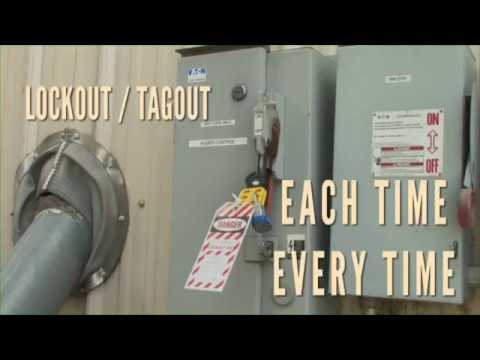
U.S. Agricultural Safety and Health Centers: Control of Hazardous Energy for lockout/tag out.
FAQ
Does a completed cleaning cycle automatically clear the next batch?
No. The required cleaning evidence, previous material removal, assembly, route, instructions and authorized release still need to match the approved changeover procedure.
Must every tank use the same line clearance checklist?
No. Adapt the boundary and evidence to the actual equipment, products, process risks and applicable requirements. A generic form is a starting structure rather than a compliance certificate.
What should happen when a clearance check fails?
Record the finding and affected scope, keep the equipment on hold, assign corrective action and repeat the relevant checks before an authorized person releases the next operation.