

A heat exchanger pressure system modification handover should explain what changed, identify the equipment and system boundaries, and connect the completed work to the drawings, examination decisions, operating instructions, and outstanding actions that the user needs. A completion note stating that the exchanger was repaired is rarely an adequate description of the change. Prepare the information package before work starts and have the responsible engineering and examination personnel define the required evidence. This guide proposes a practical document structure; it does not approve a modification, establish safe operating limits, or authorize returning equipment to service.
Start with the applicable system and responsibilities
Identify the exchanger’s asset number, serial number, drawing references, and installation location. Describe the relevant system and the side affected by the proposed work. A shell-side change, a tube-side change, and an alteration to an associated protective device can have different implications. The handover should let a reviewer understand the boundary without relying on informal names such as the hot line or the spare cooler.
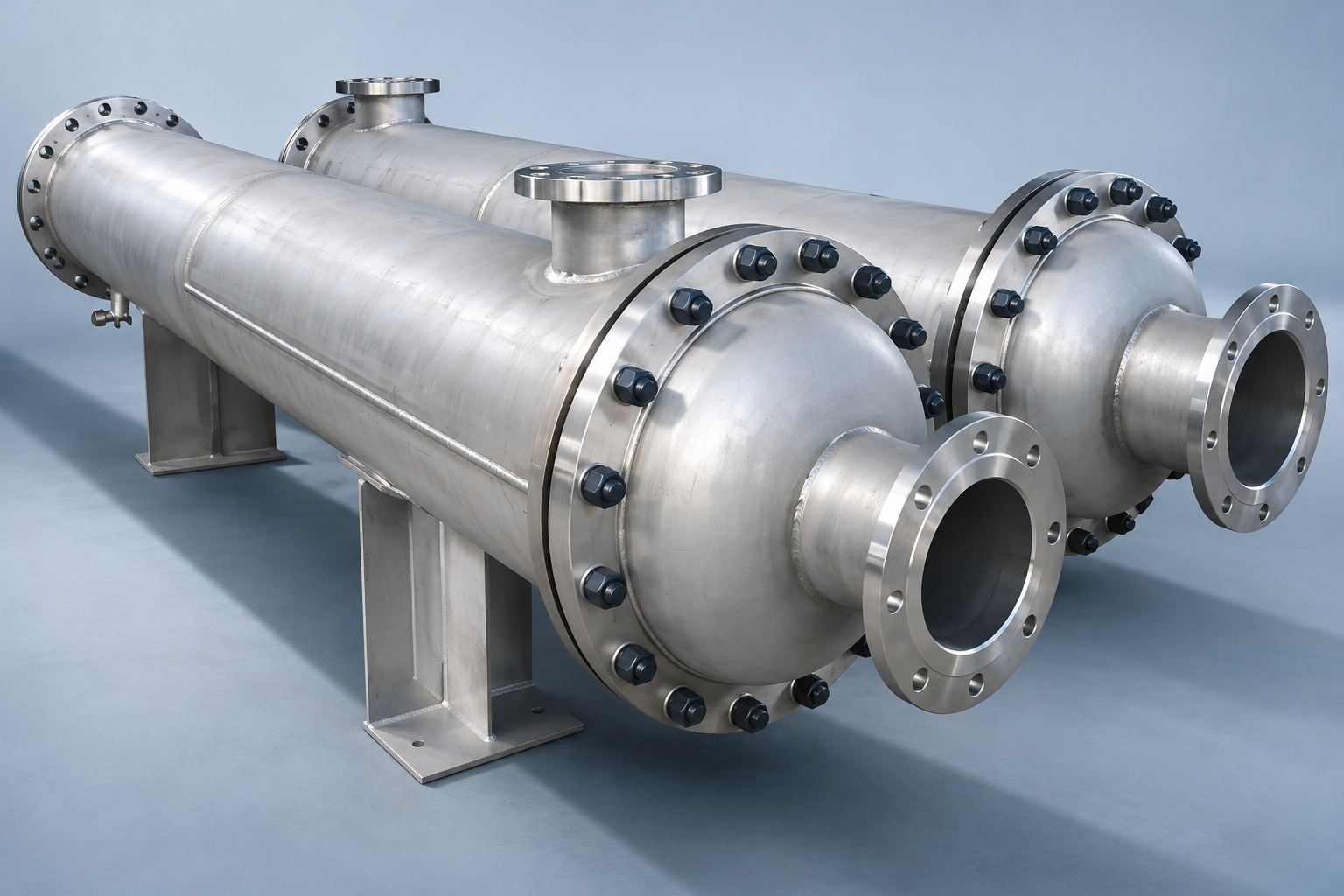
The fixed tubesheet shell and tube heat exchanger provides product context for the questions in this guide. Its exterior photograph does not establish the materials, design code, allowable conditions, protective arrangement, or suitability of a proposed repair. Obtain the actual equipment documents and installed-system information. Do not infer internal construction details beyond the verified product description.
For Great Britain, HSE’s pressure systems introduction describes the need to plan and record modifications and notes that a major repair or modification may require system re-examination before reuse. Applicability depends on the actual system and regulations. Elsewhere, identify the local requirements and responsible authorities; a British document workflow is not a universal legal approval route.
Write a clear before-and-after description
Describe the original arrangement and the final arrangement using identifiable components and controlled drawing references. State the purpose of the work, the affected connections or components, and any changes in intended operating conditions. If an initially proposed change was abandoned, keep its status clear so that an old proposal cannot be mistaken for the installed configuration.
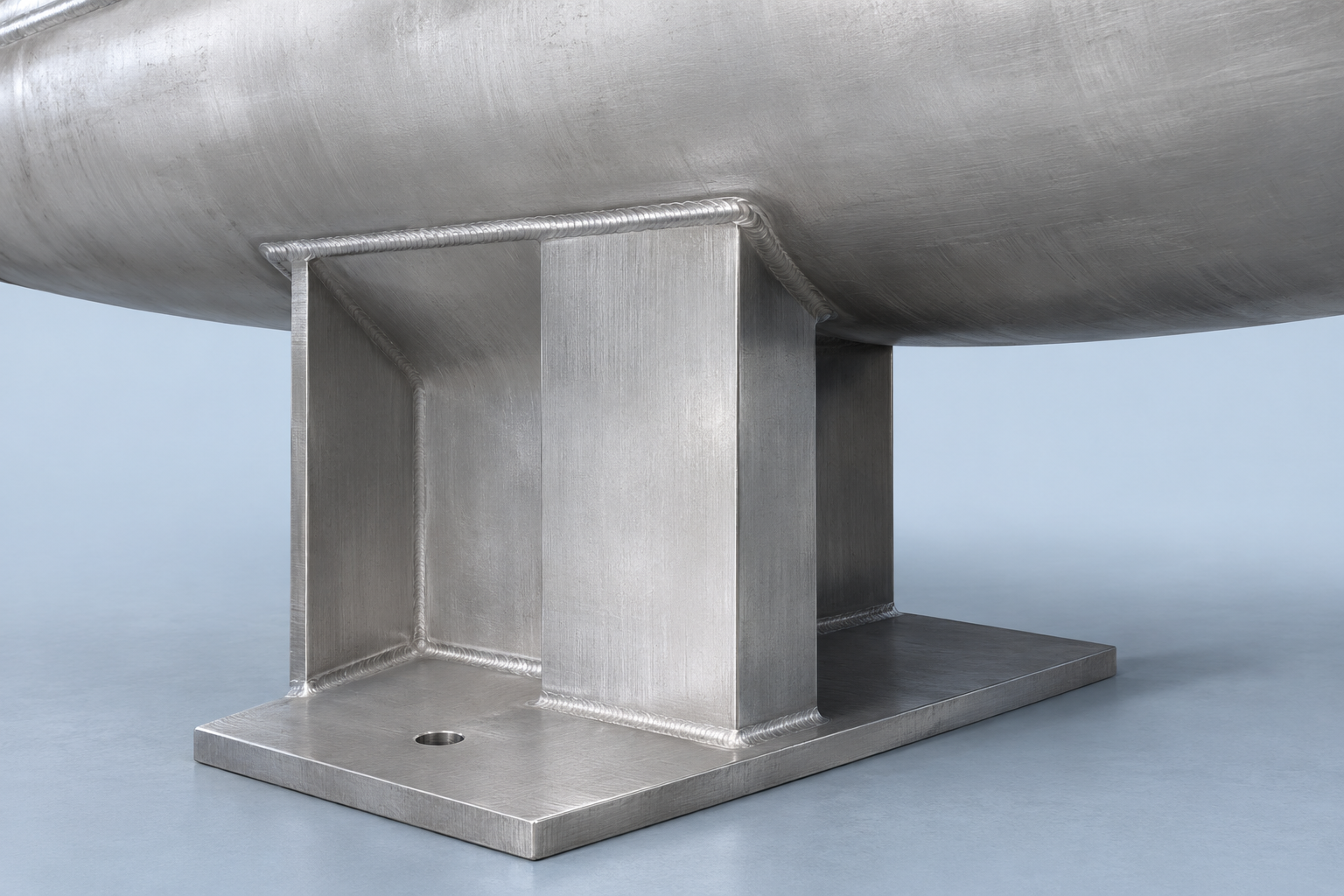
Use photographs as supporting evidence where they show an identifiable feature, but do not let them replace the engineering record. A photograph of a closed head cannot demonstrate the internal repair method, material identity, or examination result. Cross-reference the photograph to a component or drawing position and preserve the original file with its date and context.
Give each unresolved difference an owner. For example, a drawing showing a superseded nozzle arrangement should be listed as an open document action rather than silently included in the final package. A review becomes much easier when the receiver can distinguish an approved change, an as-built observation, and a pending question.
Agree the evidence list before the contractor leaves
Ask the responsible reviewer which records the particular scope requires. Depending on the work, these may include approved repair instructions, material records, welding documentation, examination reports, test records, revised drawings, or component identification. This is a scope discussion, not a requirement to create every possible document for every intervention.
HSE’s L122 guidance explains the provision of sufficient written information concerning modifications or repairs to the user within its applicable regulatory framework. Its purpose is to support the information needed for compliance, rather than provide a one-size checklist for every heat exchanger. The project’s competent personnel should determine what sufficient information means for the actual work.
Record the required document title, issuing organization, equipment reference, revision, and acceptance owner in the work order. Request legible complete files, including referenced attachments. A cover page with a passed stamp may not explain the method, boundary, or limitations of the underlying examination. Missing attachments should remain visible in the handover index until resolved.
Separate completion, examination, and return-to-service decisions
A contractor can confirm that its assigned work is complete without being the person who decides whether the system may operate. Likewise, an examination report may apply to a defined boundary and condition rather than the whole installation. The handover should state the role and scope behind each signature so that a routine completion box does not become an implied release.
Review whether the written scheme of examination needs attention. The related examination scheme revision guide addresses that document decision specifically. In this handover package, retain the request, the responsible person’s response, the applicable revision, and any examination required before reuse. Do not substitute an internal maintenance checklist for a required statutory examination.
For background, HSE’s written schemes leaflet explains that suitability needs review through the equipment’s life and that examinations must follow the scheme. It does not let an article specify the frequency or scope for an unidentified installation. Those decisions belong with the responsible competent person and applicable requirements.
Build an index that supports actual review
The proposed table below helps organize a package. It is an editorial aid, not a prescribed statutory form. Select the relevant evidence and acceptance criteria for the real project rather than treating every row as a mandatory deliverable.
| Package section | Useful identifying information | Receiver’s review question |
|---|---|---|
| Equipment boundary | Asset, serial number, drawing and system side | Does this package describe the installed item? |
| Change description | Original condition, final arrangement and scope | Is the implemented change unambiguous? |
| Engineering evidence | Approved instruction and applicable revisions | Are the supporting decisions traceable? |
| Work records | Component positions, issuer and completed scope | Can the receiver identify what was actually done? |
| Examination or test | Boundary, method reference, result and limitations | Does the evidence cover the required scope? |
| Operating information | Revised instructions and approved limits reference | What must the operator know before use? |
| Open actions | Named owner, required decision and status | Which issues prevent the next authorized step? |
Avoid a single unrestricted approved checkbox. If acceptance is conditional, identify the condition and who can close it. If a document was reviewed only for completeness, state that scope. A well-organized index should make limitations easier to find rather than make the package look finished prematurely.
Keep operating information consistent with the change
Compare the approved final arrangement with the instructions used by operators and maintenance personnel. Identify whether the work changes isolation points, identification labels, operating steps, access arrangements, maintenance tasks, or the information used during emergencies. These are review questions; they do not imply that every modification requires all instructions to be rewritten.
Where safe operating limits are reviewed, retain the authorized result and its source. Do not increase a limit because a replacement component carries a higher nominal rating. The assembled system, its condition, protective devices, and governing requirements determine the acceptable arrangement. An updated label without the supporting decision is not enough evidence of a changed limit.
The heat exchanger commissioning checklist supplies a broader preparation framework. Use it alongside the actual work instructions and required release process. A modification handover is particularly useful when it tells the commissioning team which original assumptions remain valid and which need an authorized reassessment.
Manage incomplete and conflicting documents
Suppose a fictional handover contains an updated drawing, a repair report, and a test sheet that references the previous drawing revision. Do not assume this is merely clerical. Ask the issuer and responsible reviewer to determine whether the test boundary matches the final configuration. Preserve the original files and their written clarification. This example illustrates a review problem; it is not a reported customer case.
If the discrepancy affects evidence needed before reuse, retain a hold on the relevant release step under the site’s procedure. Other administrative work can continue, such as indexing received files or identifying missing attachments. Keeping work moving does not require treating unresolved engineering evidence as acceptable.
When a certificate or report is corrected, link the replacement to the original, identify the reason, and mark which version applies. Do not edit the issuer’s signed technical conclusions locally. Request a controlled amendment where needed, and retain the receiver’s review of the amended evidence. This avoids losing the history of why a decision changed.
Plan transfer to the people who need the information
Name the package owner and the recipients for engineering, operations, maintenance, and examination responsibilities. Some organizations combine these roles; others distribute them. Record who accepted custody of the information and where the controlled copy will be kept. Delivery of a large email attachment is weak evidence if no responsible person can locate it later.
Try a retrieval exercise before closing the work order. Ask a receiver to locate the current drawing, the completed work scope, the required examination decision, and the open-action list using only the index. If that requires the contractor’s personal mailbox, improve the references or storage arrangement. This is a practical quality check, not an additional regulatory examination.
For equipment identity problems, use the missing heat exchanger nameplate review to prepare the evidence request. Do not replace a missing identity trail with a similar photograph or an assumed model number. The modification record is useful only when it can be connected to the correct equipment.
Prepare the supplier inquiry
Provide the equipment identity, installation context, affected system side, proposed or completed change, drawing revisions, and the decision you need. Ask which original documents can be supplied and which questions require the responsible system designer, repair organization, or examination person. Make the distinction between an information request and a request for engineering approval explicit.
The educational video below, from the U.S. Agricultural Safety and Health Centers, explains control of hazardous energy for lockout/tagout. It supports the maintenance safety context; the handover should identify the applicable approved isolation instructions without treating old work records as proof that equipment is currently isolated. It does not approve pressure-system work or establish the adequacy of this handover. The useful next step is a reviewed, indexed package with clear responsibilities and unresolved items, followed by the applicable authorization process for the actual installation.
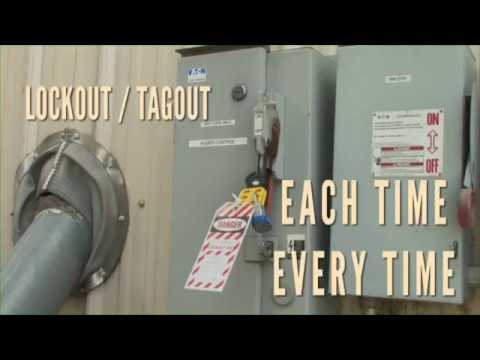
U.S. Agricultural Safety and Health Centers: Control of Hazardous Energy for lockout/tag out.
FAQ
Is a contractor completion certificate enough to restart the exchanger?
Not by itself. Identify the applicable examination, operating, and authorization requirements and confirm that the responsible people have reviewed the required evidence. A contractor’s signature covers the stated scope, not every decision concerning the complete system.
Must every replacement create a new examination scheme?
This guide cannot decide that for an unidentified system. Have the responsible competent person assess whether the existing scheme remains suitable and what review, revision, or examination is required. Keep the decision and the applicable documents with the handover.
Can photographs replace updated equipment drawings?
Photographs can support identification and show visible conditions, but they do not necessarily establish dimensions, materials, internal work, or approved arrangements. Use the documents and evidence required for the actual change, with each photograph tied to a clear equipment reference.


