Mixing tank inspection records should remain identifiable, secure, and retrievable for the equipment and period they cover. Start with the applicable legal and company requirements, then connect each report to the tank, inspection scope, result, outstanding actions, and next review. For work equipment covered by Great Britain’s PUWER inspection provisions, HSE explains that the record should be kept at least until the next inspection. That is a minimum within a specific framework, not a universal instruction to delete all older tank records. This guide proposes a practical filing and retrieval workflow for equipment owners and maintenance planners.
Define which records you are managing
Separate inspection reports from maintenance work orders, calibration certificates, pressure-system examinations, and design documents. They may reference one another, but a service invoice does not automatically demonstrate the required inspection. Conversely, an inspection report does not necessarily provide the full repair history or establish every operating limit of the equipment.
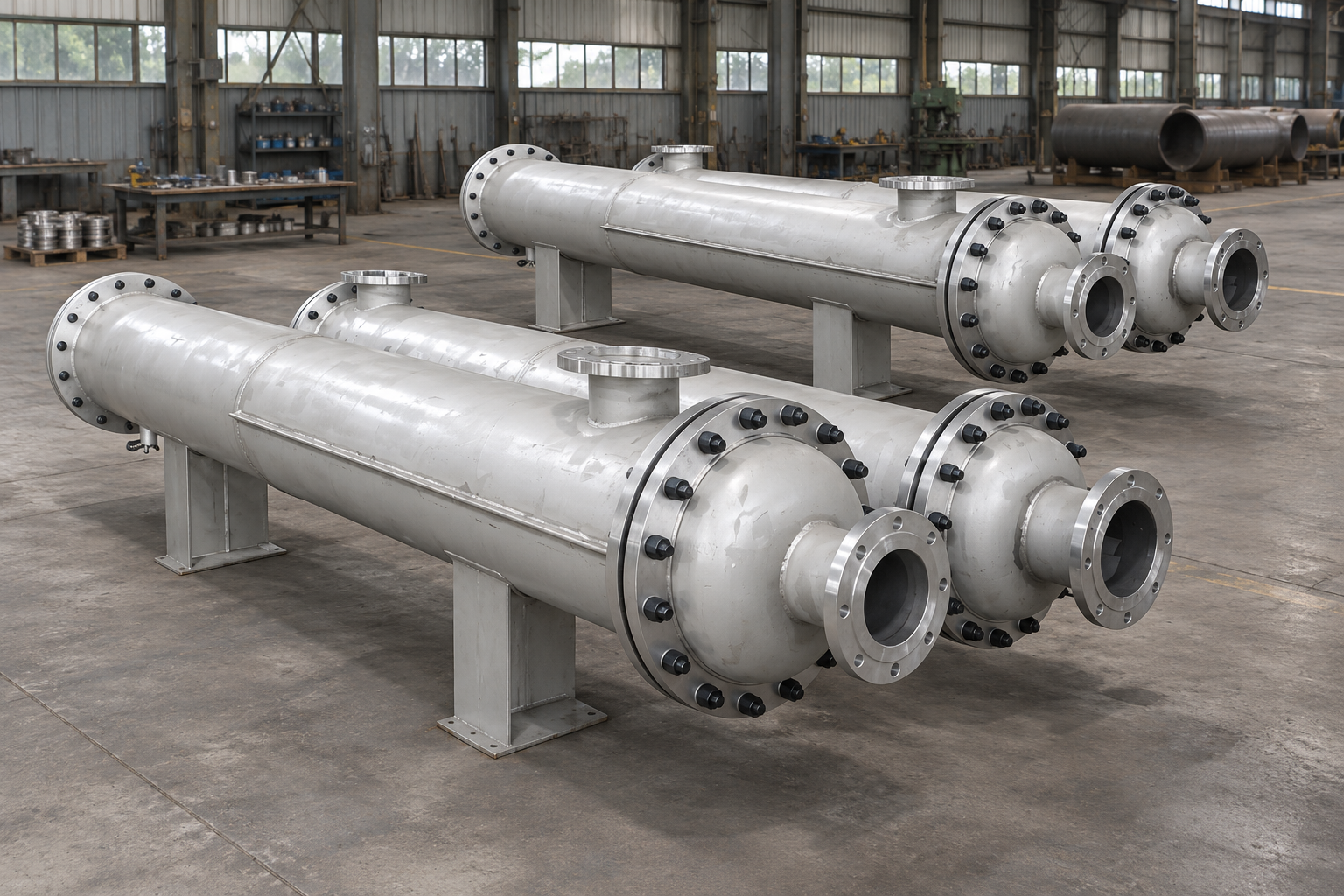
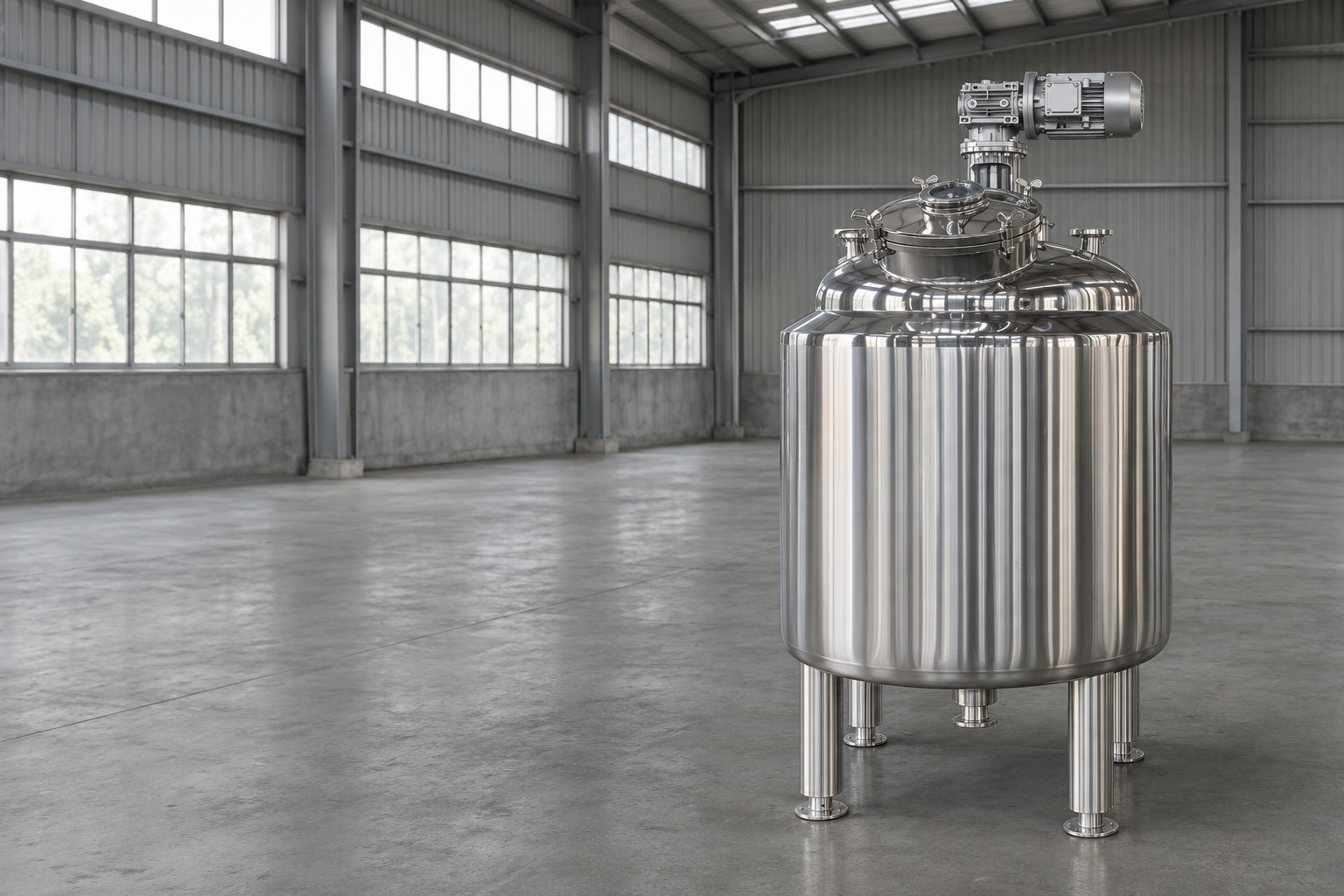
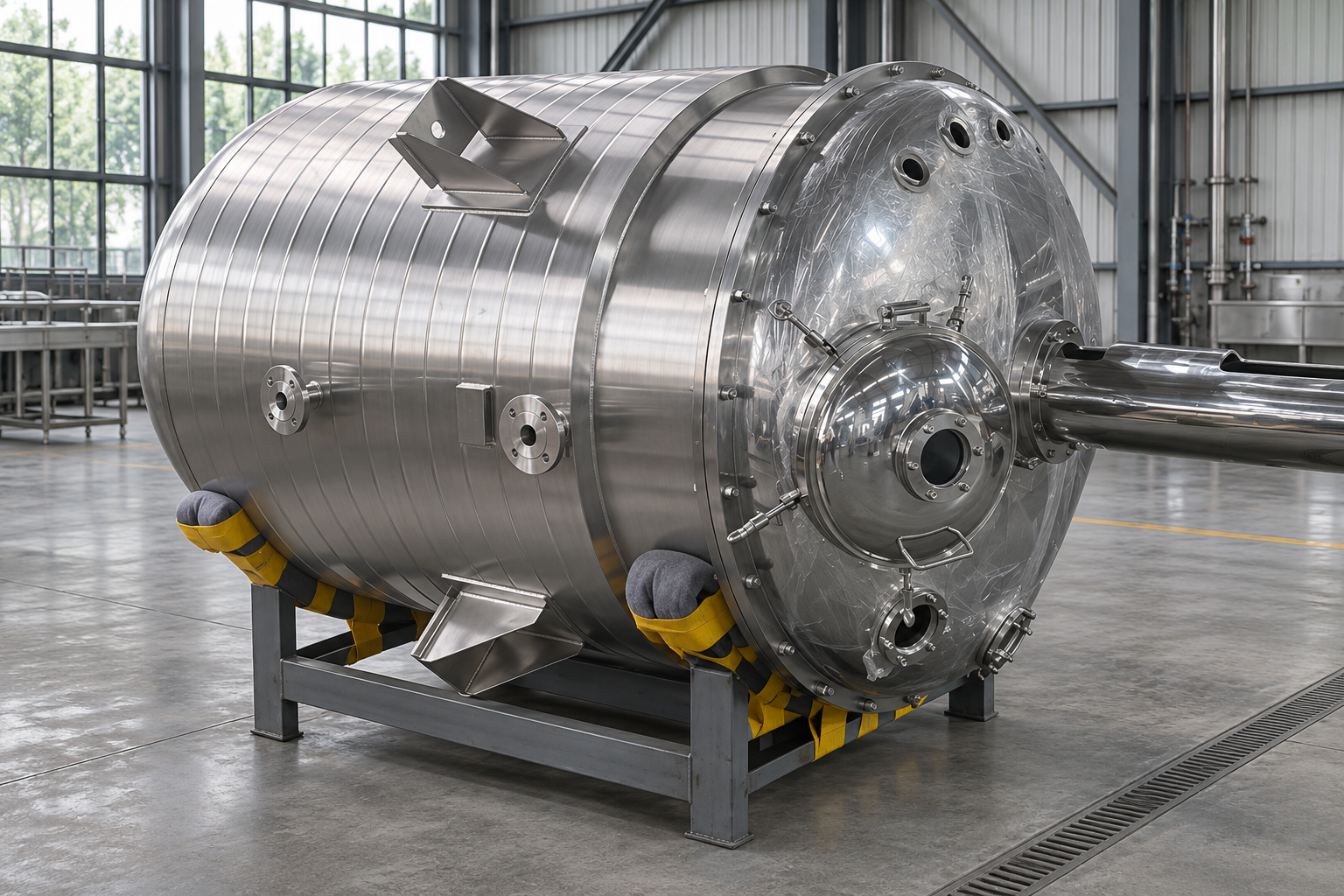
Use the stainless steel mixing tank with agitator as product context. The photographs show vessels and drives, but they do not establish the inspection regime, supplied safety features, equipment classification, or legal duties at a particular installation. Prepare the record system around the actual asset, its configuration, and its use rather than treating a generic tank description as sufficient identification.
This article focuses on keeping and finding evidence. The separate inspection after relocation and reassembly guide addresses preparation for that inspection event. Keeping the two tasks separate helps prevent a filing exercise from being mistaken for confirmation that the equipment has been inspected and is suitable for use.
Establish the applicable retention rule
Ask the person responsible for equipment compliance to identify the rules that apply to the installation and record category. Consider the country, equipment use, any more specific regime, company policy, contract terms, and records needed to explain unresolved issues. A mixed equipment file can contain several record types with different retention requirements.
HSE’s work equipment inspection guidance describes keeping inspection results at least until the next inspection and allows secure electronic records that can be made available when required. It also addresses evidence accompanying equipment that leaves an undertaking. Apply this within the guidance’s Great Britain context and the actual inspection obligations; do not turn it into a worldwide fixed retention period.
For the fuller regulatory context, consult HSE’s L22 approved code and guidance. The responsible person should determine the relevant requirements. An internal filing policy may preserve useful history beyond a legal minimum, but the reason and review responsibility should be clear. This article does not prescribe a number of years for every mixing tank.
Make the equipment identity stable
Give each tank a stable asset identifier and connect it to the manufacturer information, serial number where available, site location, and equipment description. Location alone is fragile because a tank can move. A maintenance nickname can also change. Preserve previous identifiers as searchable references when the organization renumbers an asset.
Identify important assembly boundaries. A tank, drive, guard, support arrangement, and associated controls may have separate component identifiers. An inspection record should describe its scope rather than imply that every connected item was examined. When a drive is replaced, link the change to the relevant records without rewriting the historical report as though the new component had always been present.
For incoming equipment, the mixing tank receiving inspection guide helps organize identification and supplied-document questions. Transfer confirmed identifiers into the record index. If the supplier’s model description differs from the site’s asset label, retain the cross-reference and resolution rather than discarding one side of the identity chain.
Store the original report and its context
Preserve the complete issued report, including attachments and any stated limitations. Record the inspection date, issuer, equipment identity, scope, result, and reference to outstanding actions. A scanned signature page alone may omit the observations that explain a restricted result. An editable summary is useful for searching, but it should point to the original evidence.
Use an index that distinguishes report issue date from inspection date. A report can be issued after the visit or amended later. Keeping these events separate makes it easier to reconstruct which evidence was available when a decision was made. Record the file’s version or issue reference without changing the issuer’s technical content.
Check readability before accepting the file into the controlled collection. Open every page and attachment, confirm that photographs or sketches are present, and make sure that key identifiers can be read. A successfully uploaded file is not necessarily a usable record. Where the issuer supplies a damaged or incomplete file, request a replacement and retain the unresolved status.
Keep actions connected to the report
An inspection finding should lead to an identifiable action or decision. Give the action an owner, a reference, and a current status. Link completion evidence back to the finding rather than closing it with a general statement that maintenance was performed. Where an action affects permission to operate, preserve the responsible person’s authorization and its scope.
The maintenance handover checklist helps organize work completion evidence. Keep that evidence connected to the relevant inspection report while retaining the distinction between doing a repair, reviewing its adequacy, and authorizing the equipment’s next step. Those responsibilities may belong to different people.
Do not overwrite the original observation when a defect is resolved. Keep the finding, the response, and the closure decision together. If the inspector issues an amendment, retain the relationship between the versions and indicate which report is current. This allows a later reviewer to understand both the initial condition and the subsequent decision.
Build an index around retrieval questions
The following table proposes useful index fields. It is a practical arrangement, not a prescribed inspection form. Limit personal information to what is necessary and use the organization’s access and records policies.
| Index field | What to record | Retrieval question it answers |
|---|---|---|
| Equipment identity | Stable asset number and supplier references | Which tank does this evidence cover? |
| Record category | Inspection, repair, calibration or other defined type | What decision can this document support? |
| Event and issue dates | Inspection date and report issue date separately | When did the event and evidence occur? |
| Scope reference | Assembly, location and inspected boundaries | Which parts were included or excluded? |
| Result and limitations | Issued result with report reference | What did the inspector actually conclude? |
| Action links | Findings, owners and closure evidence | What remains unresolved? |
| Retention basis | Applicable rule, policy and review responsibility | Why is this record kept and when is it reviewed? |
| Controlled location | File reference, version and access owner | Can an authorized person retrieve the complete report? |
Use consistent vocabulary so that one team does not file the same category under several unrelated names. Avoid making every filename a long description. A short stable reference plus a searchable index is often easier to maintain than a folder of nearly identical final-report filenames.

Protect electronic records and verify access
Define who may upload records, amend index entries, approve changes, and remove files. Preserve original issued documents and use a controlled process for corrections. A shared folder with unrestricted editing can make it hard to know which file supported a past decision. The required controls should match the organization’s risks and systems.
Provide an approved way to retrieve evidence when a particular administrator is absent. Personal email accounts and individual desktop folders can become single points of failure. Test access using the roles that will need the information, including maintenance planners and responsible equipment reviewers. Avoid giving broader access merely to solve a filing inconvenience.
Backups help recover lost data, but a backup is not proof that a report can be found promptly. Include record retrieval in the organization’s backup and recovery checks. Select a sample asset, locate the index, open the complete report, and follow an action link. Document any broken references and correct them before they affect a real inspection or equipment transfer.
Handle relocation, transfer, and asset retirement
Before equipment moves, identify which evidence must accompany it and who will retain the controlled original. For applicable PUWER inspections, HSE discusses physical evidence of the latest required inspection accompanying equipment leaving an undertaking. Determine the appropriate evidence for the actual circumstances and do not treat a generic label as proof of a broader inspection than was performed.
When a tank moves within the organization, preserve the stable asset identity and update the location history. Connect any required reassembly inspection to the move event. Do not place the old report in an archive that the receiving team cannot access while leaving only a blank new asset file at the destination.
At retirement or sale, review retention under the applicable requirements and company policy. Resolve any investigation, contractual, or other preservation needs before disposal of records. A new inspection or asset-status change should trigger a retention review, not automatic deletion of every previous report. Record who approved the disposition and what was retained.
Practice a realistic retrieval exercise
Consider a fictional tank that was received, moved, inspected, and later fitted with a replacement drive. Ask a colleague to identify the latest relevant inspection, the assembly it covered, the unresolved actions, and the evidence for the drive change. Let them use the controlled index rather than the memory of the person who managed the work.
If the colleague finds two different current reports, resolve the issue references. If the report covers only the tank body, do not infer that it also covers the new drive installation. If a closure note points to a missing attachment, reopen the document action. These are useful tests because they expose weaknesses before an external request or urgent maintenance decision.
Before any physical inspection, the responsible team must separately plan safe access and control hazardous energy under the applicable procedure. A retrieved inspection record cannot demonstrate that a mixer is currently isolated, that stored energy is controlled, or that a guard can safely be removed. Record review helps identify the task and its boundaries; it must never replace the actual safety arrangements. Keep the identity of the planned inspection and the authorized work scope connected so that an old completed report is not mistaken for current permission to inspect.
The educational video below, from the U.S. Agricultural Safety and Health Centers, explains control of hazardous energy for lockout/tagout. It supports this distinction between a document review and preparation for safe physical work. It is not evidence of an inspection at your site and does not establish a retention rule. The next practical step is to select a small sample of real tank records, test retrieval, and correct the index and access arrangements before extending the process to the full equipment register.
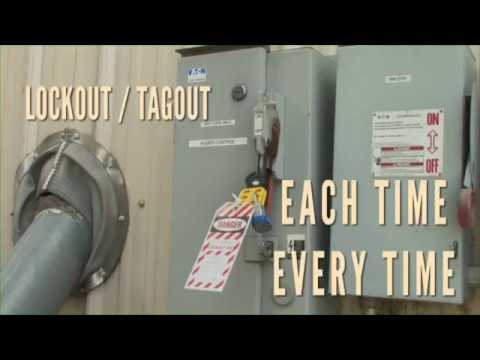
U.S. Agricultural Safety and Health Centers: Control of Hazardous Energy for lockout/tag out.
FAQ
Can mixing tank inspection records be kept electronically?
HSE’s Great Britain guidance allows secure electronic inspection records that can be made available when required. Confirm the requirements applicable to your installation and make sure the complete report, attachments, and revision history remain accessible through authorized systems.
Should the previous report be deleted after the next inspection?
Do not use this article as a deletion instruction. The applicable minimum, other obligations, open actions, and company retention policy must be considered. Have the responsible person review the record category and approve any disposition through the organization’s process.
Is a maintenance invoice an inspection record?
Not automatically. Review what inspection was required and what the document actually demonstrates. Keep maintenance evidence linked where relevant, but retain a report or other appropriate evidence identifying the inspection scope, equipment, result, and responsible issuer.