

A heat exchanger written examination scheme revision review checks whether the examination document still describes the pressure system actually in service and the examinations needed for its safe operation. Begin with the current equipment configuration, identify changes since the last approved scheme, and refer questions about scope, examination methods and intervals to the competent person. Do not treat a new document number as evidence of technical approval. This guide uses Great Britain’s pressure-system framework as a defined example; applicability, duties and terminology must be checked for the actual jurisdiction and system. It is not a universal inspection schedule.
Establish which system the scheme covers
Start with the system identity, location and boundaries. Link the heat exchanger to the relevant equipment register and drawings, including the shell and tube sides, connected equipment and protective arrangements where applicable. A heat exchanger model name alone may not identify the complete installed pressure system. The review needs to show which items the scheme covers and which items require separate consideration.
Confirm that the scheme belongs to the installation being reviewed. Older copies may describe a previous location, a different utility arrangement or equipment that has since been replaced. Preserve the current approved version and the history available to the site. If there is no reliable approved baseline, record that as a problem requiring resolution rather than choosing the newest file by its modification date.
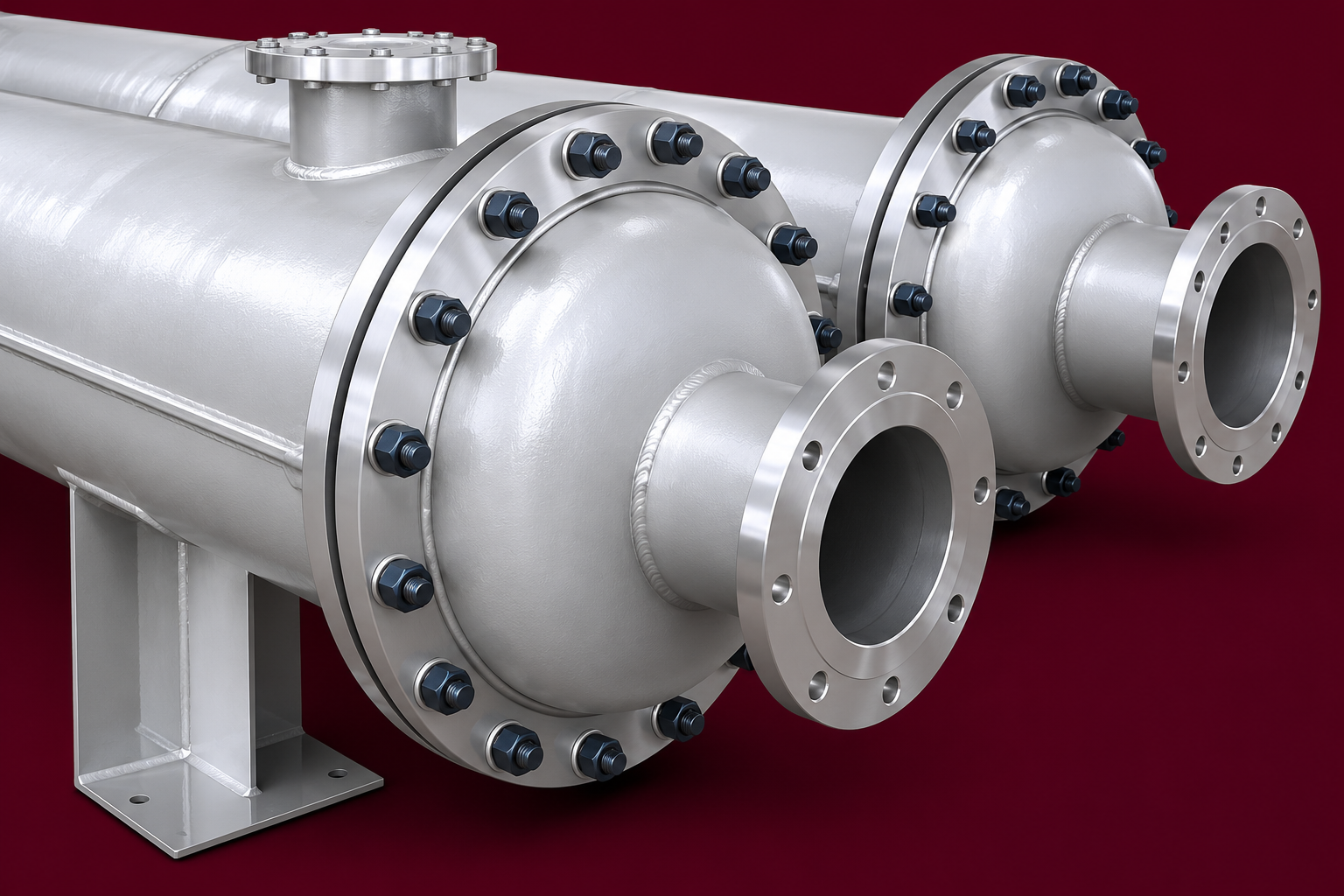
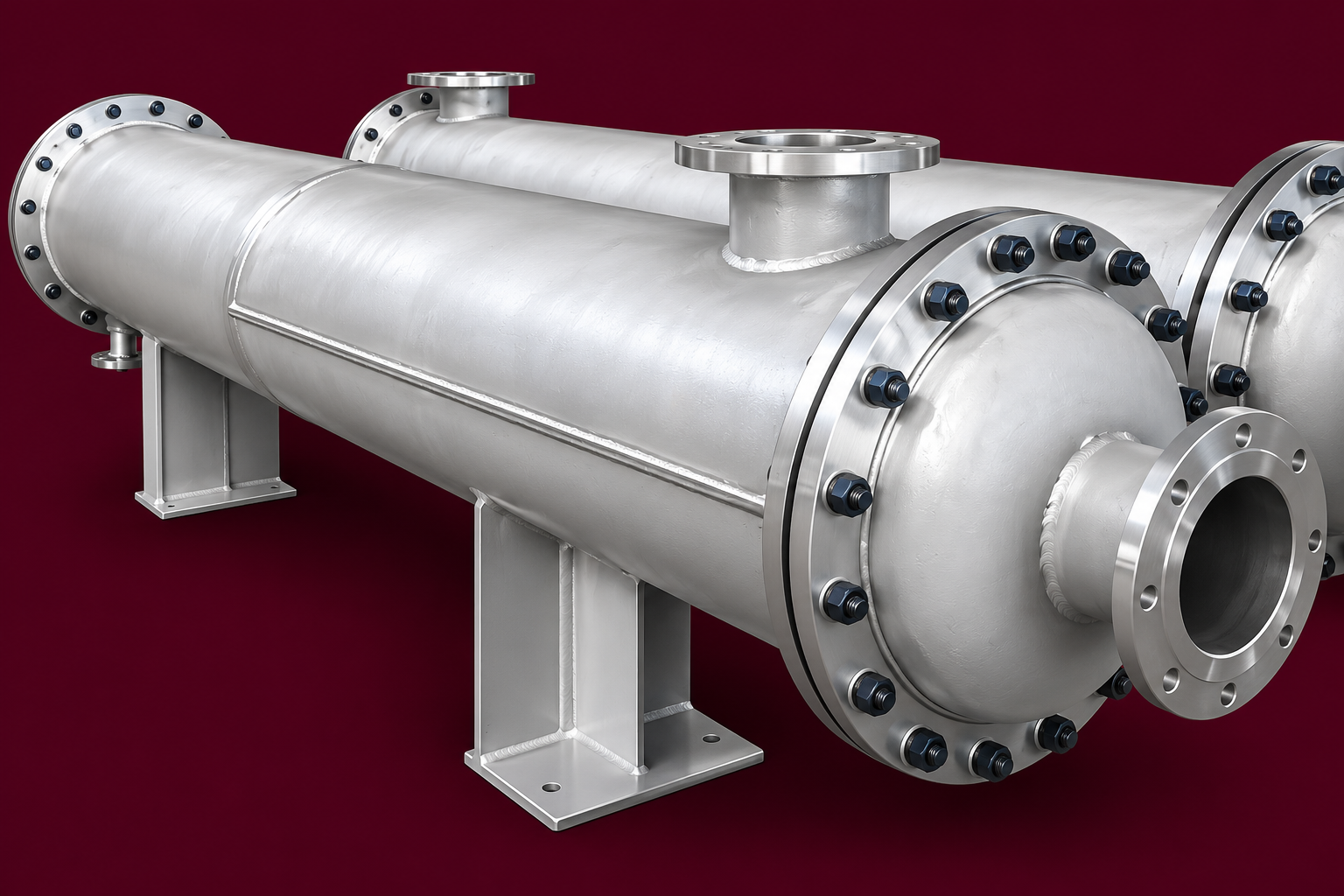
The fixed tube sheet shell and tube heat exchanger provides relevant product context. Its exterior photograph does not establish a system’s legal classification, safe operating limits, examination requirements or inspection history. Ask for the applicable supplied documentation and installed-system records. Never infer examination intervals from a product image or a nominal equipment description.
Understand the purpose of revision review
A scheme revision review is different from carrying out the examination itself. It asks whether the documented examination arrangements remain appropriate. A service report, repair certificate or maintenance checklist may contribute evidence, but none should automatically be treated as a replacement for the scheme or its technical review. Identify each document’s purpose before combining them in the handover package.
HSE’s written schemes of examination guidance explains the written scheme in the context of systems covered by the applicable regulations. Use the current official guidance and a competent assessment to establish the requirements for the actual installation. A generic checklist can help organize questions, but it cannot determine statutory coverage or approve an examination plan for every exchanger.
The practical objective is a controlled connection between the plant and its records. A reviewer should be able to identify the equipment, understand the relevant changes, see the basis of the scheme and locate the approved revision. If those connections are missing, a polished replacement document can still leave a serious information gap.
Identify changes that require technical attention
Build a change list from maintenance records, modification documents, operating information and previous examination findings. Include physical changes and relevant changes to service conditions. A replacement that looks similar can still introduce questions about material, configuration, design information or protective arrangements. Conversely, an editorial correction may have no technical effect. Separate those cases and document the reason for each classification.
Ask whether the exchanger duties, connected services or system boundaries have changed. Consider whether the information used to prepare the existing scheme remains valid. Do not decide that a change is harmless solely because the equipment continues to operate. The review should identify what needs competent evaluation, not attempt to justify continued operation by the absence of an immediate problem.
The official Safety of pressure systems Approved Code of Practice, L122 provides the broader Great Britain framework. Its guidance should be read in context rather than reduced to a single interval or copied paragraph. The appropriate user, owner and competent person responsibilities must be identified for the actual system; this article does not appoint or qualify a reviewer.
Prepare a revision comparison that exposes the difference
Compare the approved scheme with the proposed revision in a structured way. Show the original wording or drawing reference, proposed change, supporting evidence and responsible reviewer. Avoid issuing a clean document that hides the reason for changed coverage. A revision history should let the next responsible person understand the decision without reconstructing it from informal messages.
| Review area | Evidence to compare | Question requiring resolution |
|---|---|---|
| Equipment identity | Register, serial information and drawings | Does the document refer to the installed exchanger and system? |
| System boundary | Current connection drawings and equipment list | Have covered items or interfaces changed? |
| Operating information | Approved limits and documented service changes | Does the scheme still use the correct basis? |
| Examination arrangements | Approved scheme and competent review | Are methods, preparation and intervals appropriate? |
| Repairs or modifications | Authorized change and completion records | Has their effect on the scheme been assessed? |
| Document issue | Review approval and distribution record | Can users identify the version authorized for use? |
This is a document preparation table, not a mandatory statutory form. Add fields that the site and competent reviewer need, and retain the source records behind each entry. A row marked unchanged should have a clear basis. A row marked pending must remain visible until it receives an authorized decision, including any implications for use of the system.
Keep examination intervals under proper control
An interval should not be extended because maintenance is inconvenient, a shutdown has moved or another exchanger uses a longer period. Record the proposed change and the technical evidence for competent consideration through the applicable process. Do not let a scheduling spreadsheet silently overwrite the scheme. The maintenance planner needs a reliable authorized instruction, not an inferred deadline.
Distinguish dates associated with different activities. A contractor booking, an internal preparation target, a report issue date and the next examination requirement may have different meanings. Keep their labels explicit. If records conflict, raise the discrepancy promptly and establish the applicable requirement before relying on the more convenient date. Administrative convenience is not evidence of technical adequacy.
Where an examination report recommends a scheme change, connect the recommendation to its disposition. Record whether it was accepted, what revision implements it and who approved the change. If the recommendation remains unresolved, retain it as an open item with a responsible owner. Closing a work order should not erase outstanding examination-related actions.
Verify preparation and access information
The scheme and associated instructions should give the responsible team enough information to plan the required preparation safely. Identify the applicable access, isolation and equipment-condition requirements through the authorized site process and competent advice. This guide does not provide an isolation sequence, pressure-release method or entry authorization. Preparation must be specific to the system and its hazards.
For a fixed tube sheet exchanger, do not assume that a maintenance method used on a removable bundle is physically applicable. Confirm the construction and available access from the supplied records. Coordinate the review with the existing shell and tube exchanger bundle maintenance guide while preserving the distinction between general maintenance planning and the formal examination arrangements.
Use the existing heat exchanger tube inspection mapping guide when preparing traceable location references for inspection evidence. Mapping supports consistent reporting; it does not determine which examination techniques the competent person should specify. Keep method selection and acceptance decisions with the appropriately responsible reviewer.
Issue and distribute the approved revision
Before issue, check that the document identifiers, referenced drawings and attachments agree. Confirm that the reviewer can see the supporting evidence and that unresolved questions have a recorded disposition. Record approval according to the applicable governance process. Avoid describing a draft supplied by a contractor as the approved scheme until the responsible approval has actually occurred.
After issue, update the controlled document location and the work-planning references that depend on it. Prevent an obsolete printed copy from remaining the default instruction at the equipment. Keep earlier revisions according to the site’s retention requirements, clearly distinguish their status, and tell the relevant users what changed. Distribution is part of making the technical decision usable.
Check related planning records after the update. If the authorized change affects preparation, examination scope or scheduling, ensure those changes have reached the people arranging the work. A revised scheme in a document repository is ineffective if the job pack still follows the former requirements. Record the verification of that handover instead of assuming automatic synchronization.
Prepare a useful request to the equipment supplier
For a document inquiry, provide the exchanger identity, relevant serial or order references, the installed configuration and the exact missing information. Ask for the applicable drawings or supplied documentation rather than requesting a general statement that the equipment is safe. The supplier’s records can support review, but they do not automatically resolve site-specific legal duties or approve the installed scheme.
Consult the heat exchanger commissioning checklist to identify original handover records that may help establish the baseline. Keep new revision decisions separate from historical acceptance records. The useful outcome is a traceable, current examination document supported by the right information and the right review, with outstanding actions visible.
Background learning
The neutral educational video below explains control of hazardous energy for lockout and tagout, relevant to planning safe examination preparation. Its title and channel identify the actual source. It is supporting background only: it does not establish the applicable law, authorize a revised scheme or certify this exchanger. Written decisions must rely on the current equipment evidence and appropriately qualified review.
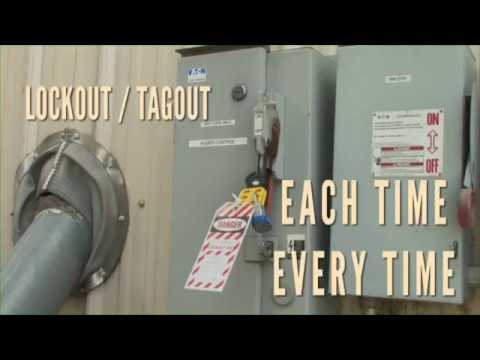
U.S. Agricultural Safety and Health Centers: Control of Hazardous Energy for lockout/tag out.
FAQ
Does replacing a heat exchanger always require a completely new scheme?
The responsible reviewer must assess the effect of the replacement on the installed system and applicable examination arrangements. Do not assume either that a previous scheme transfers unchanged or that every replacement requires the same document response.
Can a maintenance planner approve an examination interval extension?
A planner should route the proposal through the applicable competent review and authorization process. Moving a booking or editing a maintenance system date does not itself authorize a change to the examination requirements.
What should be retained when a scheme is revised?
Retain the approved revision, equipment and drawing references, change explanation, supporting technical evidence, review approval and relevant distribution record. Keep superseded information clearly identified under the site’s document retention requirements.


