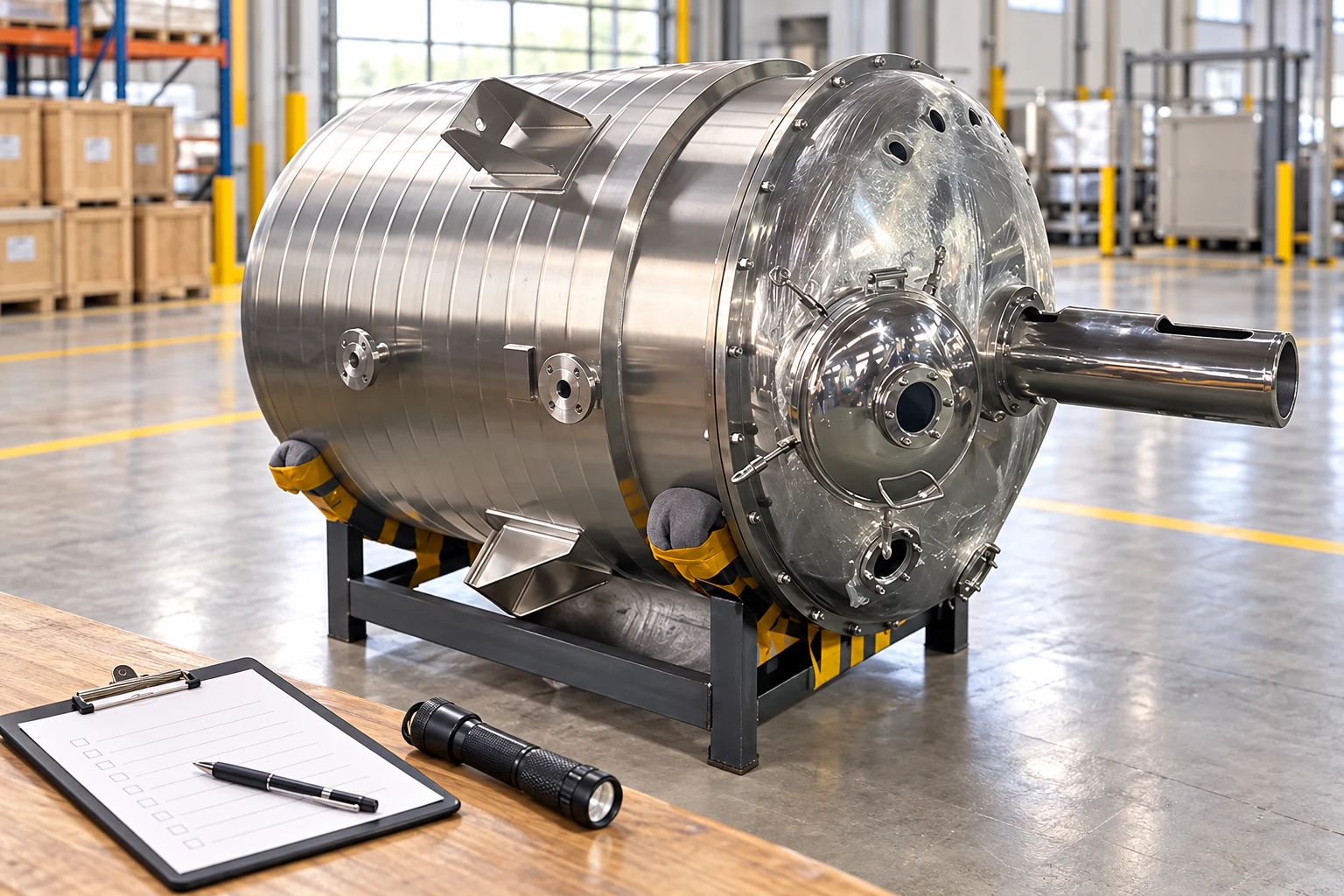
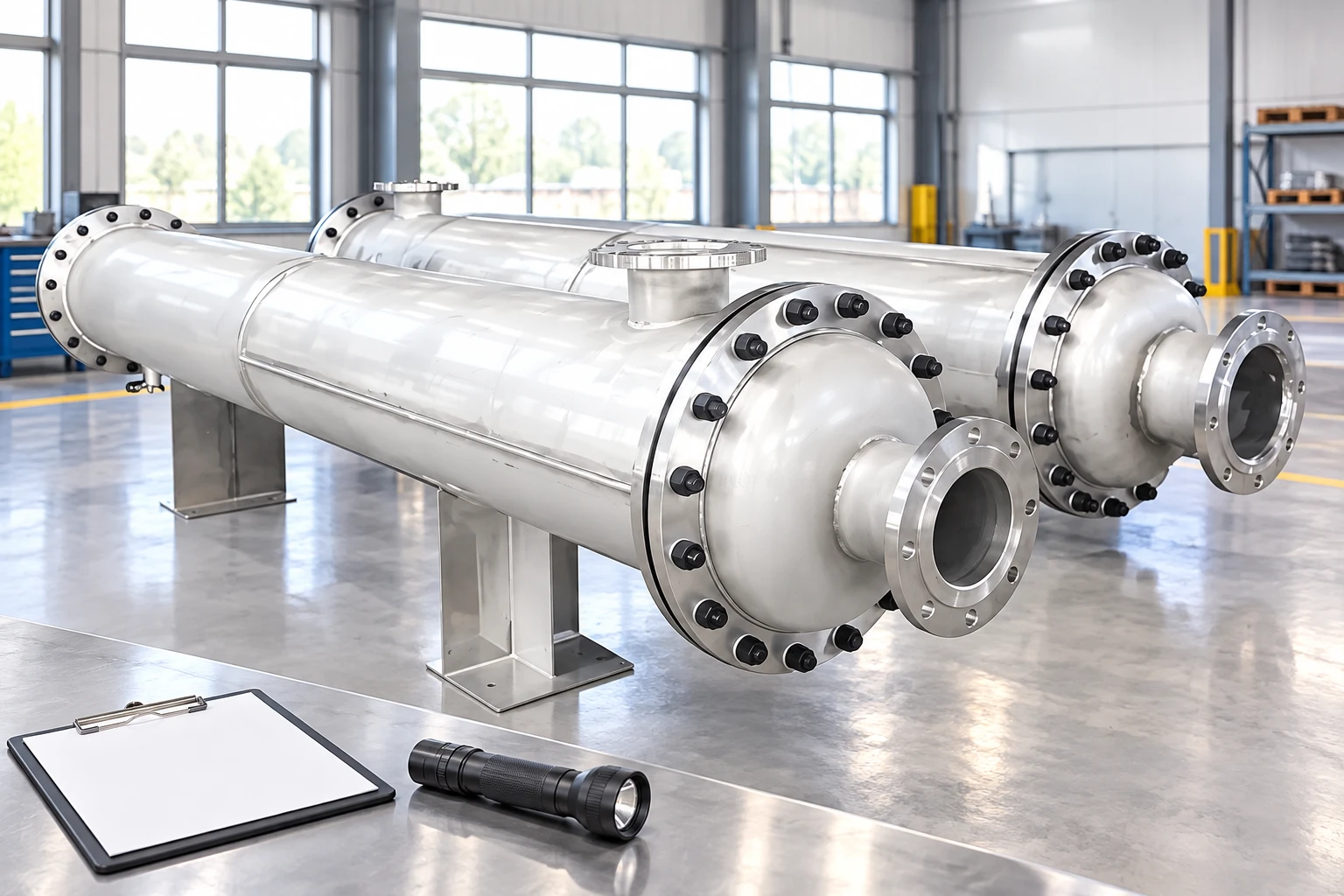
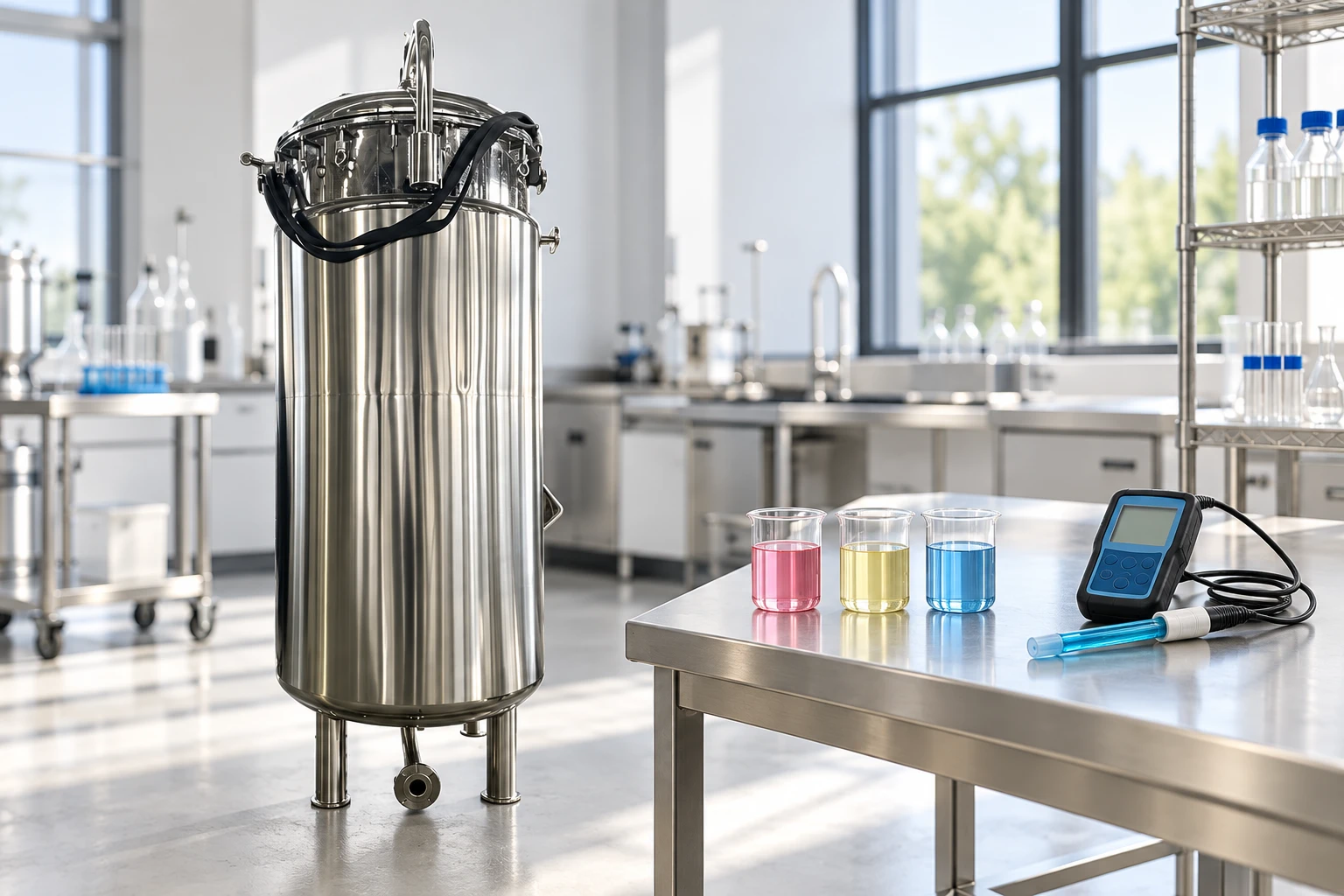
A platform-type saccharification system organizes mashing vessels, transfers, and operator access on an elevated structure so gravity can assist wort routing and equipment can be grouped for maintenance. The layout decision comes before catalog numbers: buyers need to know how grist enters, how mash moves to lauter or whirlpool, and which utilities must reach every vessel on the platform.
The RFQ should describe interfaces, not only tank volume. Record batch size, platform height, transfer elevations, drainage paths, heat sources, agitation needs, and the cleaning method the brewery will validate. That turns a layout concept into a quotation engineers can compare.

Part 1. Define the Platform-Type Saccharification Role
A platform-type saccharification system places the mashing function on a raised structure so transfers can use elevation change, pumps can be sized to shorter static head requirements in some routes, and maintenance access can be standardized. The phrase describes a layout class, not a single tank model.
Start with the brewhouse story. Identify whether mash is prepared in one vessel or several, where lauter or filtration occurs, and whether wort is pumped or routed by gravity to the next step. The general saccharification system guide for breweries explains common equipment groupings; this article concentrates on platform layout and the interfaces suppliers must quote.
| Layout input | What to record | Why it matters |
|---|---|---|
| Batch size | grist and liquor volumes | Sets vessel scale |
| Platform elevation | finished floor to deck | Affects transfers and access |
| Transfer path | pump vs gravity segments | Defines nozzle locations |
| Operator access | stairs, walkways, fall protection | Becomes structural scope |
| Future expansion | spare connections or bays | Avoids rework |
Part 2. Map Equipment Interfaces on the Platform
List every connection the platform must support: grist inlet, liquor addition, mash transfer out, steam or heating interfaces, condensate return, instrumentation, and sample points. A platform groups vessels, but each vessel still needs its own nozzle schedule.
Draw the sequence from malt intake to wort exit. If mash moves to a lauter tun on the same level, state the expected transfer rate and whether the line must remain drainable. If wort drops to a lower cellar, identify the elevation change and whether a pump is always required.
Important: Food and beverage projects remain responsible for process hygiene and applicable requirements such as the FDA Food Code. Equipment layout supports those goals but does not replace site-specific sanitary design, cleaning validation, or regulatory review.
Part 3. Plan Utilities, Drainage, and Access

Utilities rarely fail because a tank is too small; they fail because steam, condensate, glycol, or electrical routes were assumed rather than drawn. Provide available pressures, temperatures, and connection locations at the platform edge. Ask the supplier to show how each vessel is supplied and how condensate or vent lines return.
Drainage deserves the same detail. Elevated decks need slopes, drain points, and clean-out access that match the brewery’s CIP chemistry and spill response plan. Send with quote: utility list, connection sizes preferred, drain direction, and whether the area is washdown-rated.
| Send with quote | Example entry |
|---|---|
| Steam supply | pressure, temperature, condensate return |
| Heating alternative | direct fire, electric, thermal oil if used |
| Drainage | slope direction, drain count, CIP return |
| Walkway width | maintenance and hose routing |
Part 4. Coordinate Heat Transfer Across Vessels
Mashing requires controlled temperature steps. On a platform system, heating may be jacketed vessels, external calandria, or dedicated heating surfaces in each tank. Specify the temperature program, ramp rates, and hold times the brewery uses, then ask how each vessel achieves those steps.
Insulation and cladding affect both efficiency and operator safety on an elevated deck. State whether insulation is required, which surfaces remain exposed, and whether personnel protection is needed on handrails or vessel shells near walkways.
Part 5. Align CIP With Elevated Routing
Cleaning must reach every product-contact surface without trapping liquid in horizontal runs between elevated vessels. Describe the CIP sequence: which vessels are cleaned together, which hoses or spray devices are used, and how lines are drained after circulation.
Do not assume a platform layout is easier to clean. Additional elevation can create low points unless the piping plan is reviewed with the cleaning method. Include CIP supply pressure, temperature limits, and chemistry the brewery intends to use.
Part 6. Document Controls and Automation Boundaries
State which steps are manual, which are recipe-driven, and which instruments the brewery expects on each vessel. Typical inputs include temperature, level, agitator status, and transfer interlocks. Clarify whether the supplier provides skid-level controls or interfaces to a plant PLC.
Automation scope should list alarms, permissives, and who programs sequences. A platform system may share one control panel or distribute I/O across vessels; either approach is acceptable if the RFQ names the boundary.
Part 7. Select a Platform Layout and Send the RFQ
The biological fermentation tank category provides product-family context for saccharification and fermentation equipment. Use a published saccharification system tank configuration as a starting point for discussion, then compare proposals against the same layout brief.
Ask each bidder for general arrangement drawings, nozzle schedules, utility loads, drainage plan, materials, insulation scope, controls summary, and exclusions. When the layout is documented, contact YIYI with platform height, batch data, and interface list for engineering review.

FAQs
What is a platform-type saccharification system?
It is a saccharification layout where mashing equipment and transfers are arranged on an elevated platform, usually to support gravity routing, grouped utilities, and standardized access.
How is platform-type layout different from a floor-level system?
The primary difference is elevation and transfer routing. Platform systems emphasize deck structure, drainage, and fall protection in addition to vessel specifications.
What interfaces belong in a platform saccharification RFQ?
Include grist and liquor entry, mash transfer out, heating utilities, condensate or vent paths, instrumentation, drainage, CIP connections, and controls boundaries.
Does a platform layout improve mashing efficiency?
Layout can simplify transfers and utility grouping, but mashing efficiency still depends on vessel design, agitation, and heat transfer. Specify those process inputs separately.
Should CIP be defined before quoting a platform system?
Yes. Elevated piping layouts need a cleaning and drainage plan early so suppliers do not price incompatible routing.
Can one RFQ cover both saccharification and fermentation vessels?
You may request a combined line quote, but separate the saccharification layout brief from fermentation cellar requirements so each duty stays measurable.