Resin batches often become difficult at both ends of the run. Early in the cycle, a reaction may release heat while feeds, agitation, and utilities must work together. Late in the cycle, a thicker product must leave the vessel through a real valve, line, and transfer route. A resin reaction vessel specification needs to connect those two moments.
The purpose of an RFQ is not to ask a fabricator to invent the chemistry or certify the safety case. It is to give the fabricator a complete process envelope and clear interface responsibilities. With that discipline, proposed jackets, agitators, nozzles, and discharge details can be compared on the same basis.
Part 1. Define the Resin Batch Duty
A chemical reactor is a vessel used to carry out a reaction. For an RFQ, that simple description must become a batch narrative: initial charge, each feed, agitation state, temperature stages, hold points, sampling, finishing condition, discharge, and cleaning. A resin reaction vessel cannot be selected responsibly from nominal volume alone.
Describe the product as it changes. State the expected working batch, minimum batch, density if known, and viscosity range from first charge through the final transfer condition. Give the target temperature profile and any temperature limits established by the process team. If the project has pilot, calorimetry, or production history, include it as input data rather than presenting it as a transferable equipment guarantee.
Separate facts from unresolved decisions. Known data belongs in the RFQ; open process questions should be listed as questions for the responsible owner. This lets a bidder identify assumptions without quietly filling gaps with a generic reactor design.
| Duty input | What to record | Why it matters |
|---|---|---|
| Reaction sequence | charges, additions, holds, finish | Defines ports and operating steps |
| Batch range | normal and minimum working batch | Checks coverage and available volume |
| Temperature profile | start, additions, hold, cooling, discharge | Connects process timing to utilities |
| Viscosity trajectory | low, intermediate, and final condition | Informs agitation and transfer discussion |
| Product route | source feeds and receiving destination | Defines interfaces beyond the vessel |
Part 2. Put Exotherm Information in the RFQ
An exothermic process releases energy as heat. That general fact does not provide the amount, rate, credible scenarios, or control response for a particular resin reaction. Those are process and safety-engineering questions that require the project’s own data and responsible review.
Give the supplier the available inputs without overstating them. They may include known heat-release information, maximum intended temperature, feed timing, established operating limits, utility conditions, and the required control-system interfaces. Say whether the data comes from laboratory work, prior production, a process licensor, or another approved source. The vessel supplier can then explain the configuration basis and exclusions.
Do not turn an equipment article into a runaway-analysis method. Emergency cooling, relief, vent treatment, interlocks, area classification, and scenario analysis each have defined owners in a real project. Reserve physical interfaces only when the responsible team has specified them, and document which package supplies each item.
| Exotherm input | Useful RFQ wording | Boundary |
|---|---|---|
| Known heat-release data | attach approved process data and source | bidder does not validate chemistry |
| Temperature limits | state normal target and project limits | limits need process ownership |
| Feed sequence | identify additions and timing | no implied safe feed rate |
| Utility conditions | state medium, supply temperature, flow data if available | utility capacity needs confirmation |
| Protection interfaces | list required nozzles or signals | sizing and scenario analysis remain separate |
Part 3. Link Temperature Control to Utilities
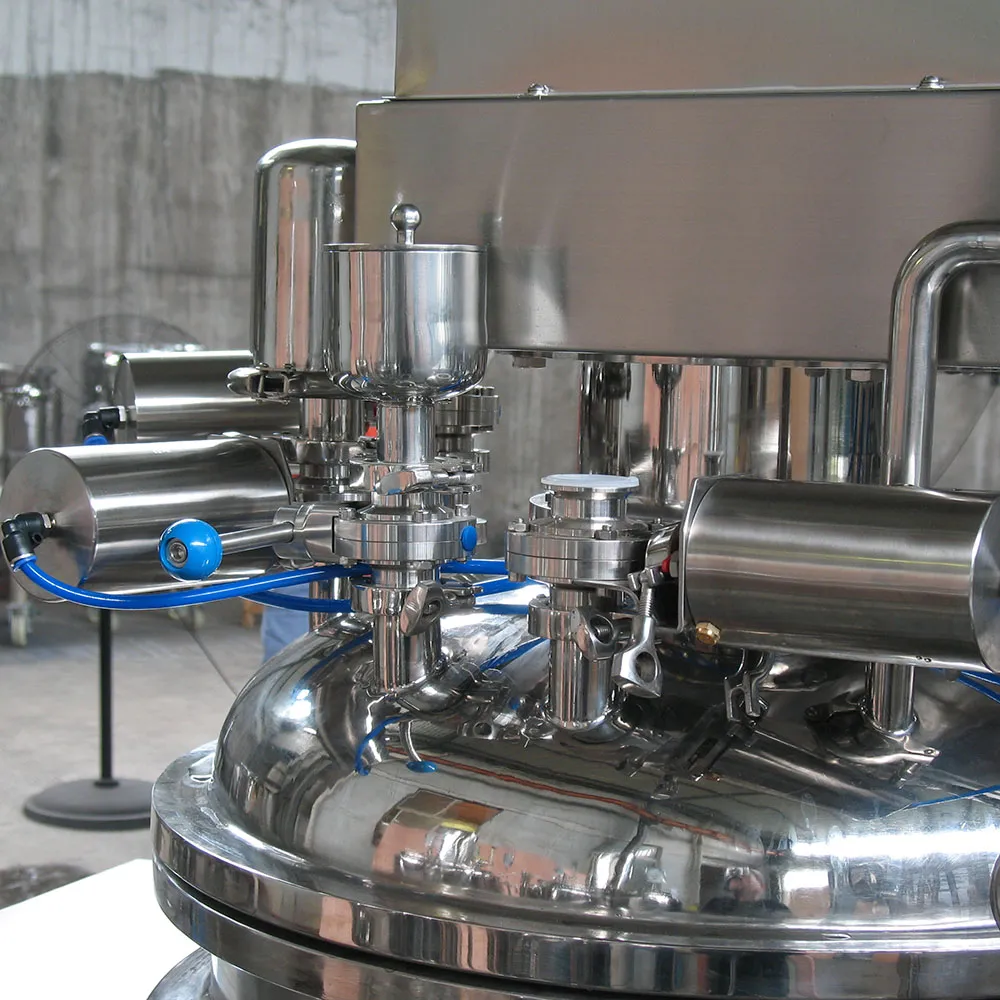
Temperature control is an operating sequence. The vessel may need to heat an initial charge, manage additions, hold at a target, remove heat during a reaction stage, and reach a discharge condition. Record the desired sequence with times or allowable windows when they are known. A jacket description without this profile does not tell a bidder what duty to assess.
Utility data belongs beside the profile. Identify the heating or cooling medium, available supply and return conditions, plant-side connection responsibility, and any known constraints on flow or availability. If these data are not finalized, make that visible and ask bidders to state what they assumed. It is better to compare explicit assumptions than to accept an implied cooling or heating result.
Place temperature sensing where it represents the batch, then state the expected control-system handoff. Sensor location, control method, alarm strategy, and independent protective functions are project decisions; the vessel package must only be assigned the hardware and interfaces that belong to it.
Part 4. Match Agitation to the Viscosity Trajectory
Viscosity describes resistance to flow. For a resin batch, this resistance may change substantially between the first charge and the final discharge condition. Give bidders the range and note whether the product has difficult intermediate stages, solids, or a period where wall heat transfer becomes important.
Agitation is a duty, not a model number. State what must be accomplished during each stage: blending feeds, maintaining temperature uniformity, keeping solids suspended if relevant, or moving a high-viscosity final product toward discharge. Ask each supplier to state the proposed agitator concept, torque basis, speed-control approach, and the assumptions behind it.
The minimum batch still matters. An agitator that works at full volume may not provide the expected circulation at a low working level. Mark the lowest batch, liquid level, and any stage where a feed or sensor must remain covered. These inputs are more defensible than a blanket request for “high shear” or “heavy duty.”
Part 5. Organize Feeds, Instruments, and Operating Sequence
Feed connections should follow the documented recipe sequence. For each addition, state its source, form, temperature if important, connection method, timing, and the party responsible for any pump, meter, or upstream skid. This keeps a vessel quotation from absorbing unassigned package scope.
Instrument planning should support operations rather than add generic devices. The RFQ can list representative product temperature, level indication if needed, agitator speed feedback, and any defined pressure or vacuum signal. Identify the control-system boundary: which field devices are supplied, which cables or panels belong elsewhere, and what signals the plant expects.
Sampling, venting, and access should be reviewed with the same sequence. A nozzle arrangement that works on paper may be inconvenient if operators cannot connect an addition, collect a sample, or service an instrument without interfering with another task. Request a general arrangement drawing and identify the required operating clearances.
Part 6. Plan Discharge, Transfer, and Cleanout
Discharge starts with the final material condition. State final viscosity, intended discharge temperature, acceptable hold-up, destination, elevation change, transfer pump responsibility, and whether a flush or chase medium is permitted. A viscosity value alone does not guarantee drainability, because valve geometry, line length, temperature loss, and operating method also matter.
Specify the lowest practical vessel outlet and the downstream route as a single system. Ask bidders to describe the discharge valve basis, any heating or insulation interfaces requested by the project, and exclusions for the line or pump. Do not claim that a proposed arrangement will empty a specific resin unless that behavior has been validated for the actual product and process.
Cleanout must be explicit. State whether the batch is followed by a flush, a compatible cleaning sequence, manual intervention, or a project-defined CIP method. Give the relevant cleaning media and temperature limits, then assign the return route and acceptance process to the right team. This is especially important where residue can affect the next batch or obstruct a transfer line.
Part 7. Compare Configurations and Assemble the RFQ
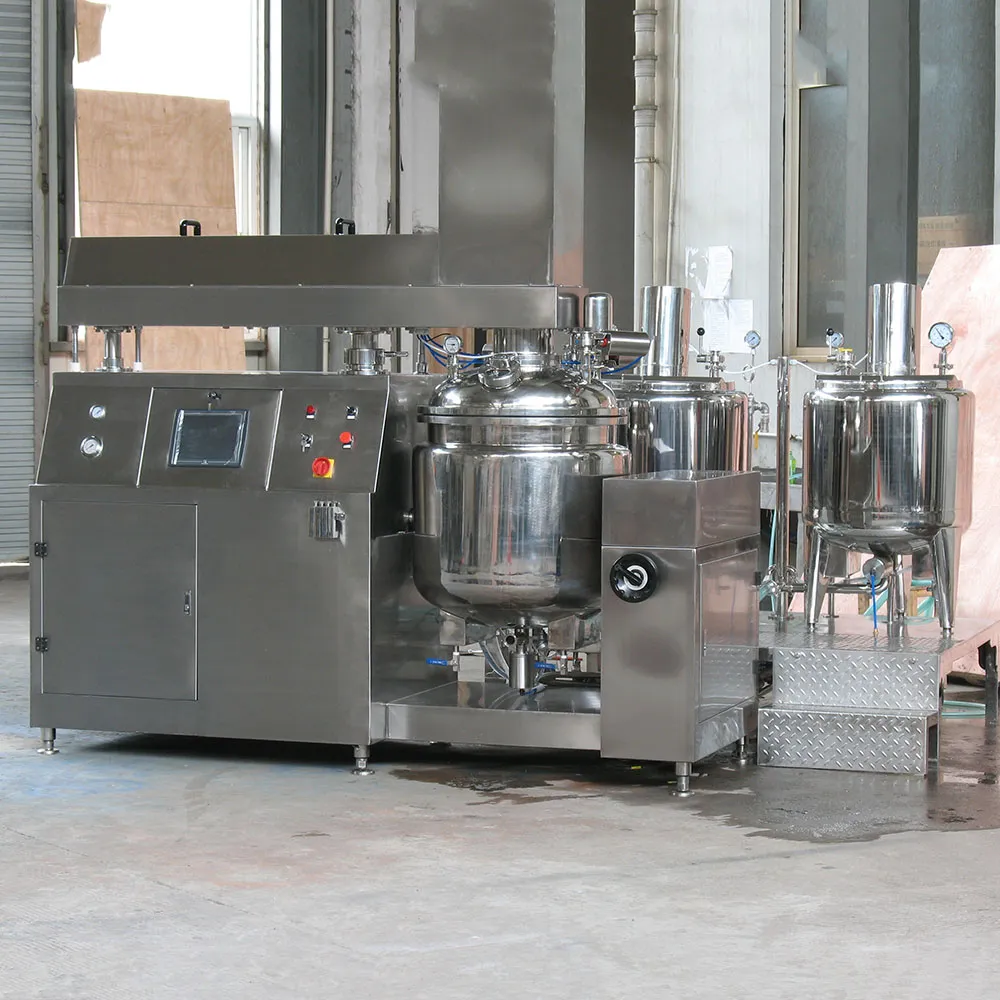
Use published equipment as a configuration reference, not a process guarantee. The configurable reactor range and chemical reactor configuration show relevant equipment classes. The cooling mixing tank guide is useful lateral reading on batch temperature management. None of these pages calculate reaction heat or certify a safety outcome for a resin formulation.
For a product recommendation, ask for a configuration after the team has assembled one shared duty package. Include reaction and feed sequence, approved heat-release information, temperature profile, utility conditions, working and minimum batch, viscosity trajectory, agitation duty, interfaces, media list, discharge and cleanout method, instruments, installation limits, and documentation needs.
Ask bidders to identify included equipment, assigned interfaces, assumptions, and exclusions. Then send your resin process data for a configuration discussion and compare responses against the same temperature and discharge basis.
FAQs
What is a resin reaction vessel?
It is a reactor configuration specified for a resin batch sequence. The useful RFQ describes feeds, temperature stages, agitation, viscosity changes, transfer, and cleanout rather than volume alone.
Why does exotherm data matter for a resin reactor?
An exothermic reaction releases heat, so known heat-release information and the temperature profile help define the equipment and utility interfaces. The process team must own the underlying data and safety review.
Can a vessel supplier calculate reaction heat?
The supplier can respond to process data supplied in the RFQ, but reaction calorimetry, credible scenarios, and safety analysis require responsible process and safety engineering.
How should resin reactor cooling be specified?
State the temperature sequence, known time windows, cooling medium, available utility conditions, plant-side responsibilities, and any approved process limits. Ask bidders to state their assumptions and exclusions.
Why does viscosity matter at discharge?
Viscosity is resistance to flow and can affect agitation and transfer. Final discharge also depends on temperature, valve geometry, line route, pump, and cleanout method.
What discharge details should be in the RFQ?
Include the final condition, allowable hold-up, vessel outlet, valve expectations, receiving destination, elevation change, transfer-pump responsibility, permitted flush, line scope, and cleanout method.
What should a resin reaction vessel RFQ include?
Include reaction and feed sequence, approved process data, temperature profile, utilities, batch range, viscosity trajectory, agitation, materials, instruments, discharge, cleanout, installation constraints, interfaces, and requested documentation.