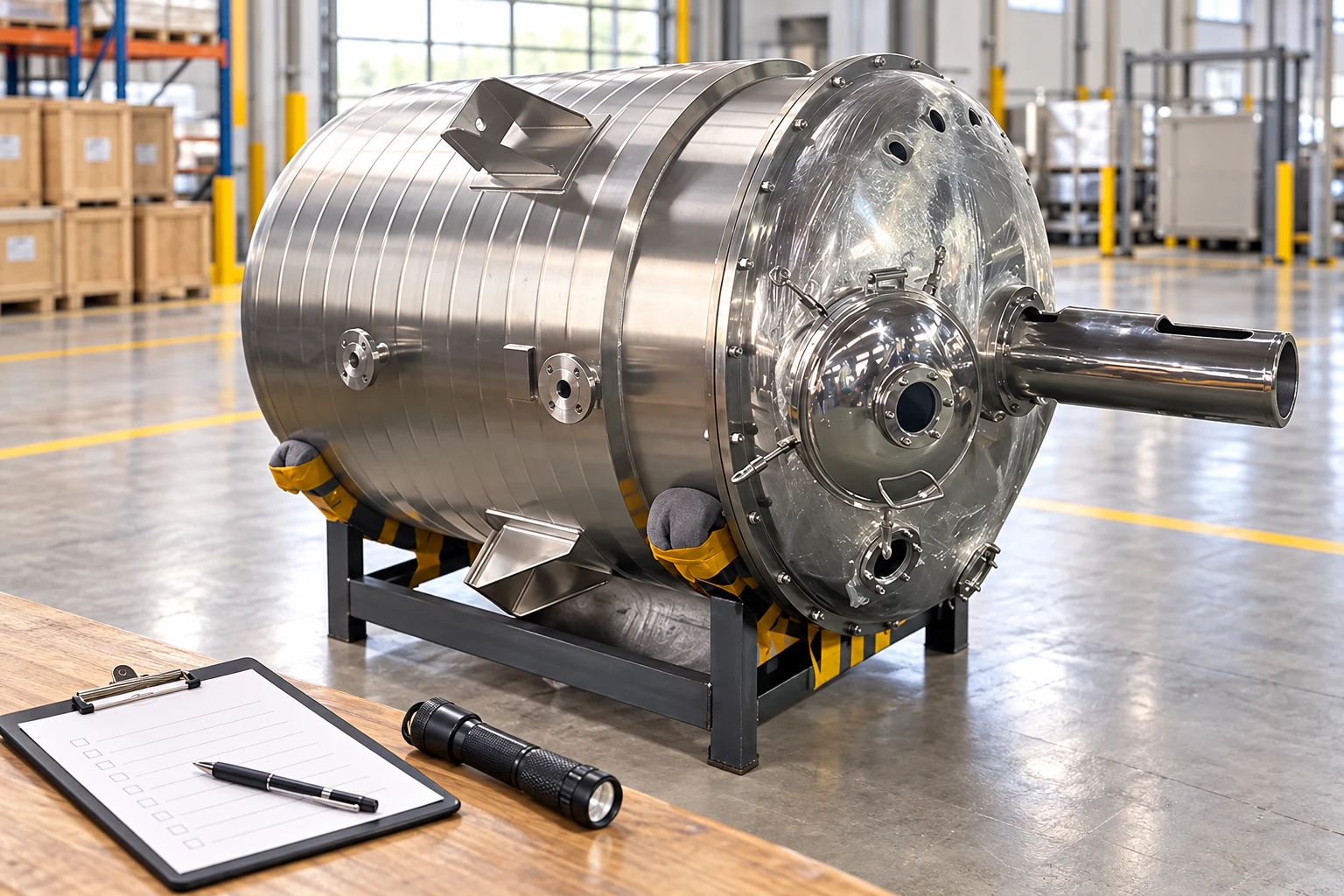
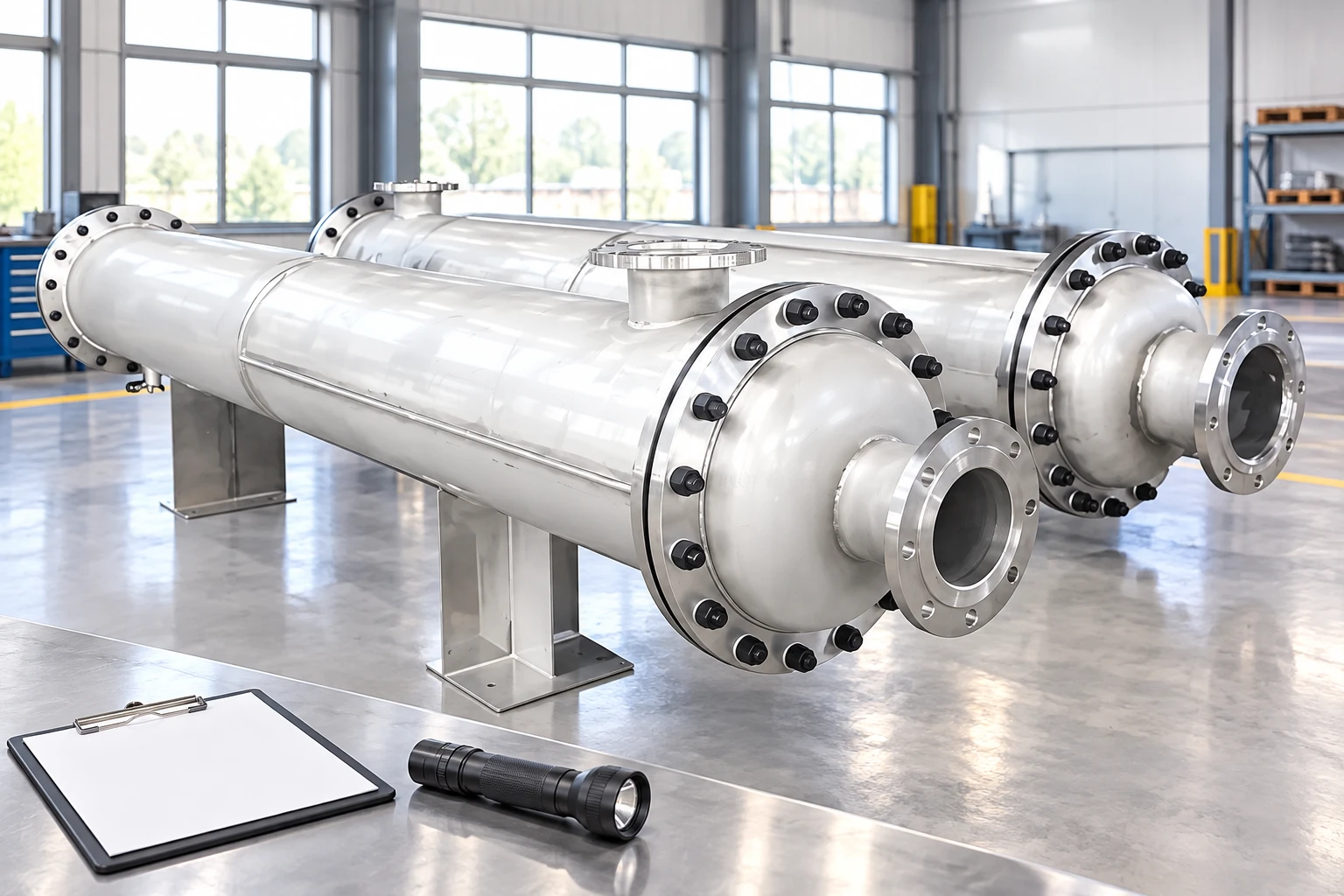
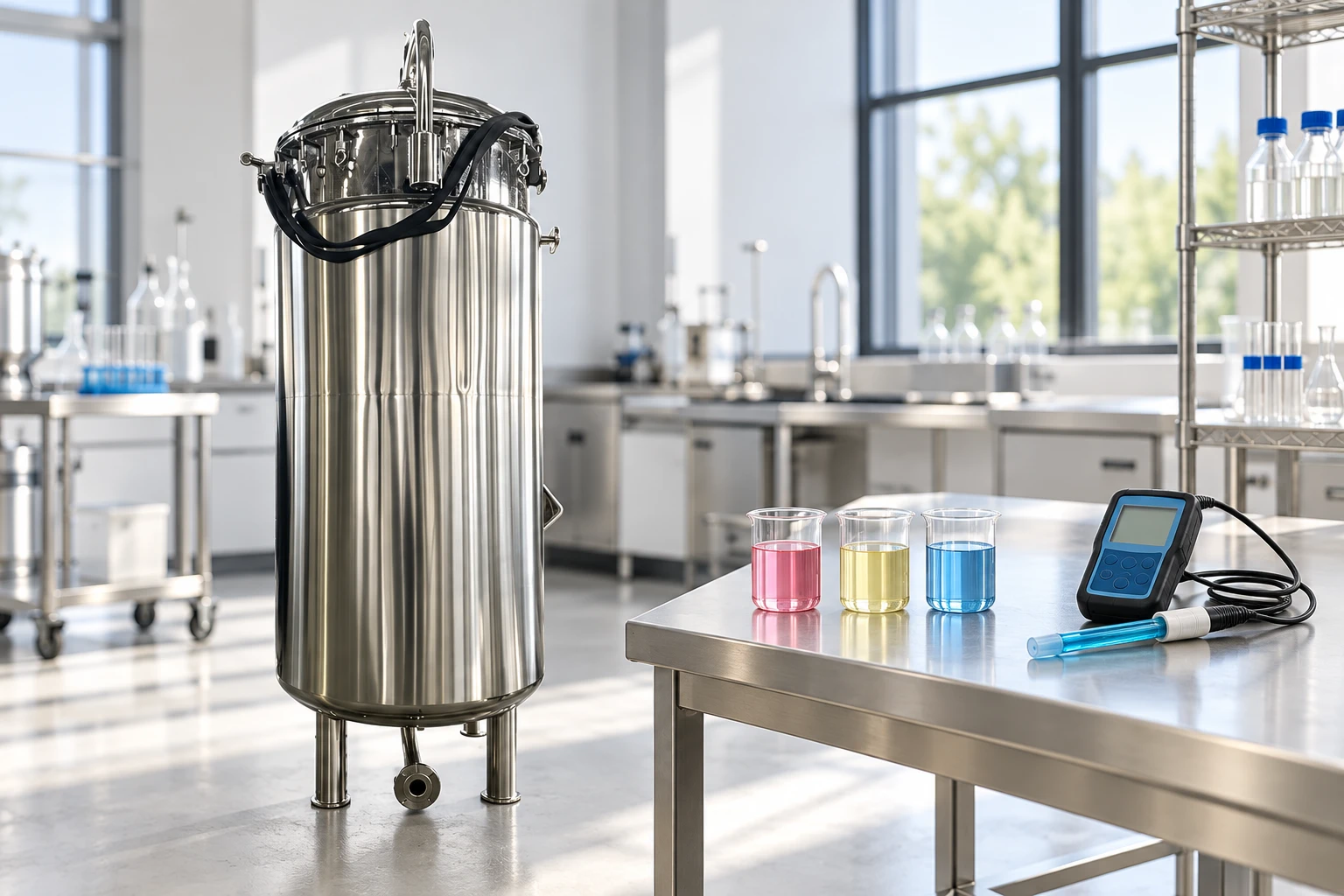
A buyer should use this guide to prepare a comparable equipment request, not to select a vessel from a headline specification. A clear duty statement lets suppliers state their assumptions and lets the project team review fit, exclusions, and unresolved questions.
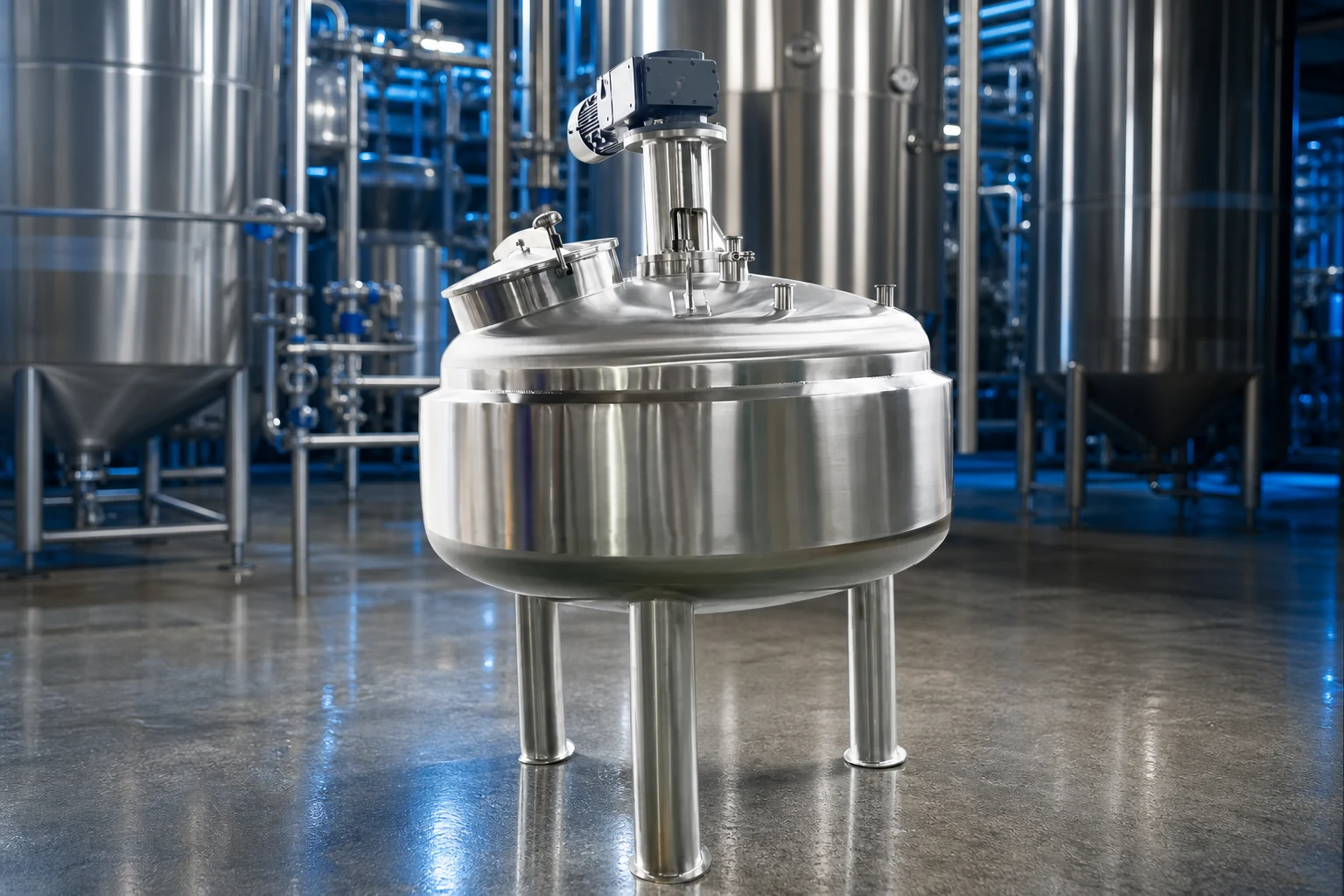
Part 1. Start with the campaign, not the vessel size
A batch reactor should be selected from the production campaign it must support, not from a nominal volume alone. List each charge, addition order, hold, reaction, heating or cooling step, discharge method, and expected campaign frequency. That sequence gives a supplier the context needed to discuss vessel geometry and connections without assuming a universal design.
For a multi-product plant, identify what changes from one campaign to the next. Differences in solvent, solids, viscosity, temperature range, corrosivity, cleaning expectation, and operator access can change the equipment questions. The goal is a transparent duty statement, not a claim that one configuration will suit every chemical.
Part 2. Define usable capacity and batch range
Working volume is more useful than a nameplate number because headspace, foam risk, additions, and mixing behavior matter in real operation. State the minimum and normal charge as well as the largest planned batch. Include density and solids information if they are known; do not substitute a generic fill percentage for process review.
Give bidders the campaign rate too. A vessel that can physically hold a batch may still be a poor fit if heat-up, cool-down, cleaning, or transfer time limits the required throughput. Separate confirmed process data from estimates so the proposal can show assumptions clearly.
Part 3. Match mixing and thermal duties to the chemistry
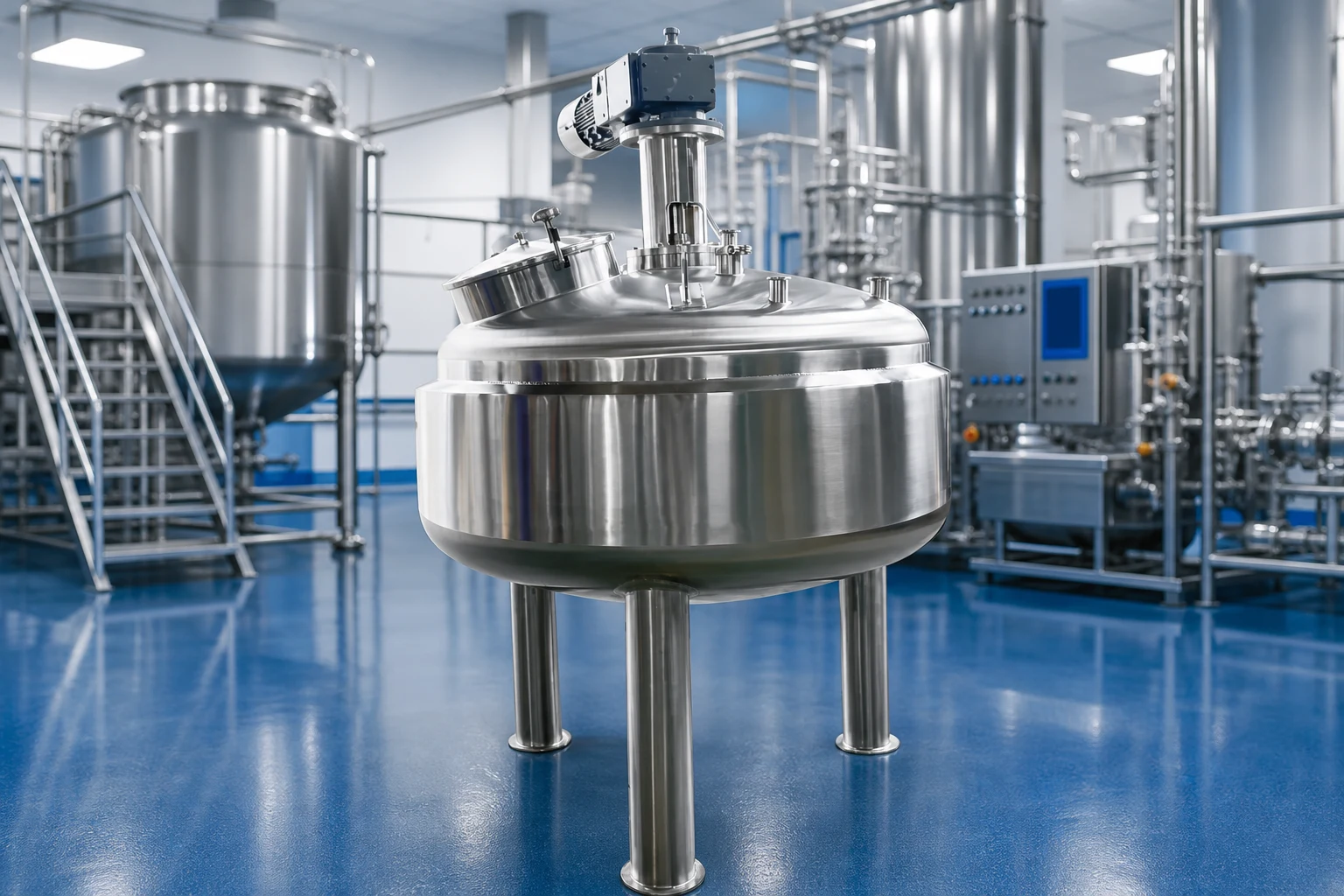
Ask for an agitation proposal that names the intended duty: blending, suspension, solids wetting, heat transfer support, or another defined task. Viscosity over the full batch and any phase change are more valuable than a single viscosity value. The buyer should also state whether a sweep, baffles, bottom entry, or top entry is restricted by the process or maintenance plan.
Thermal duty deserves its own line in the RFQ. Provide target temperatures, allowable heating or cooling media, estimated ramp expectations, reaction heat information where available, and any temperature-sensitive steps. A fabricator can then identify what must be confirmed instead of presenting a heat-transfer result as guaranteed.
Part 4. Treat materials and seals as process decisions
Materials of construction, gasket choices, mechanical seals, and instrument wetted parts should follow a documented compatibility review by the plant. Provide the chemical list, concentration range, temperature range, cleaning media, and any known contamination restrictions. A general stainless-steel reference is not enough to establish suitability for a specific service.
Where the plant has a preferred standard, include it with the RFQ. Where it does not, request alternatives with their stated assumptions. This makes deviations visible and avoids treating a catalogue description as a compatibility approval.
Part 5. Plan changeover and cleaning before procurement
Multi-product capability depends on more than the reactor shell. Product hold-up points, drainability, spray coverage, access, transfer lines, and the sequence used between campaigns all affect changeover planning. Define whether the owner expects manual cleanout, a clean-in-place approach, or a hybrid method, then state who owns the cleaning procedure and acceptance criteria.
Do not infer residue limits, validation status, or regulatory acceptability from an equipment feature. Instead, ask the supplier to identify cleanability-related features and exclusions, then evaluate them against the plant?s documented cleaning strategy.
Part 6. Specify utilities, controls, and maintainability
Utility availability can limit an otherwise attractive concept. Record the available heating and cooling media, electrical supply, compressed air where relevant, vent handling expectations, and installation space. List the signals, alarms, interlocks, sampling, weighing, or automation interfaces the owner expects, while keeping process safety logic under the project?s engineering governance.
Maintainability is also a selection factor. Ask how agitator drives, seals, instruments, and internals can be inspected or serviced. The proposal should distinguish supplied scope from site piping, controls integration, and commissioning work.
Part 7. Compare proposals on the same RFQ basis
A useful comparison matrix keeps bidders on the same campaign basis. Require each proposal to identify its working-volume range, assumptions on fluid properties, proposed wetted materials, agitation concept, thermal interfaces, cleaning-related features, utilities, controls boundary, documentation, and exclusions. That makes technical differences easier to review before price becomes the deciding signal.
For equipment context, review the YIYI reactor category and the chemical reactor configuration page. Request a configuration discussion through YIYI contact only after the duty sheet is ready; no vessel size or performance outcome should be assumed from this guide.
For adjacent equipment questions, compare the atmospheric pressure reaction vessel guide with the magnetic stirring reaction vessel guide. Those articles describe narrower equipment contexts; neither replaces a review of the multi-product campaign. Keeping this distinction in the procurement file prevents an agitation or pressure feature from being treated as a complete plant-selection answer.
Before a technical review, assign an owner to each unresolved input. Process engineering can confirm the sequence and physical-property assumptions. Operations can confirm changeover and maintainability needs. Quality, safety, and project governance can decide their own acceptance criteria and approval path. This division of responsibility produces a clearer quotation comparison and keeps supplier scope separate from site decisions.
Selection comparison table
| Decision area | Buyer input | Proposal comparison question |
|---|---|---|
| Batch basis | Minimum, normal, and maximum charge | What working range is assumed? |
| Process duty | Properties, sequence, temperature, pressure | Which assumptions need confirmation? |
| Interfaces | Utilities, transfers, controls, cleaning | What is supplied and excluded? |
RFQ readiness table
| RFQ item | Record before quotation | Owner review point |
|---|---|---|
| Materials | Process and cleaning media ranges | Compatibility decision remains project-owned |
| Cleaning | Method and acceptance responsibility | No validation claim inferred |
| Documentation | Required drawings, records, tests | Contract scope and review responsibility |
FAQ
What is the first input for batch reactor selection?
Start with the campaign sequence, batch range, product properties, and throughput target. Those inputs frame later decisions on volume, mixing, heat transfer, and changeover.
How should a buyer define working volume?
State the minimum, normal, and maximum intended charge with expected additions and any headspace considerations. The supplier can then explain the assumptions used.
Can one reactor serve several chemical products?
It may be considered when the plant?s documented compatibility, changeover, cleaning, and scheduling requirements are addressed. Suitability remains a project-specific decision.
What mixing information belongs in the RFQ?
Describe viscosity over the batch, solids behavior, mixing objective, addition sequence, and constraints on internals or drive arrangement.
Why are utilities part of reactor selection?
Heating, cooling, power, vent handling, and control interfaces affect both equipment scope and achievable operating approach. Record what the site can provide.
Should cleaning requirements be included before quoting?
Yes. State the expected changeover method, cleaning media, access needs, and acceptance responsibility without claiming an equipment feature validates the result.
What should be compared across reactor proposals?
Compare assumptions, working-volume range, materials, mixing concept, thermal interfaces, cleaning-related features, controls boundary, documentation, and exclusions.