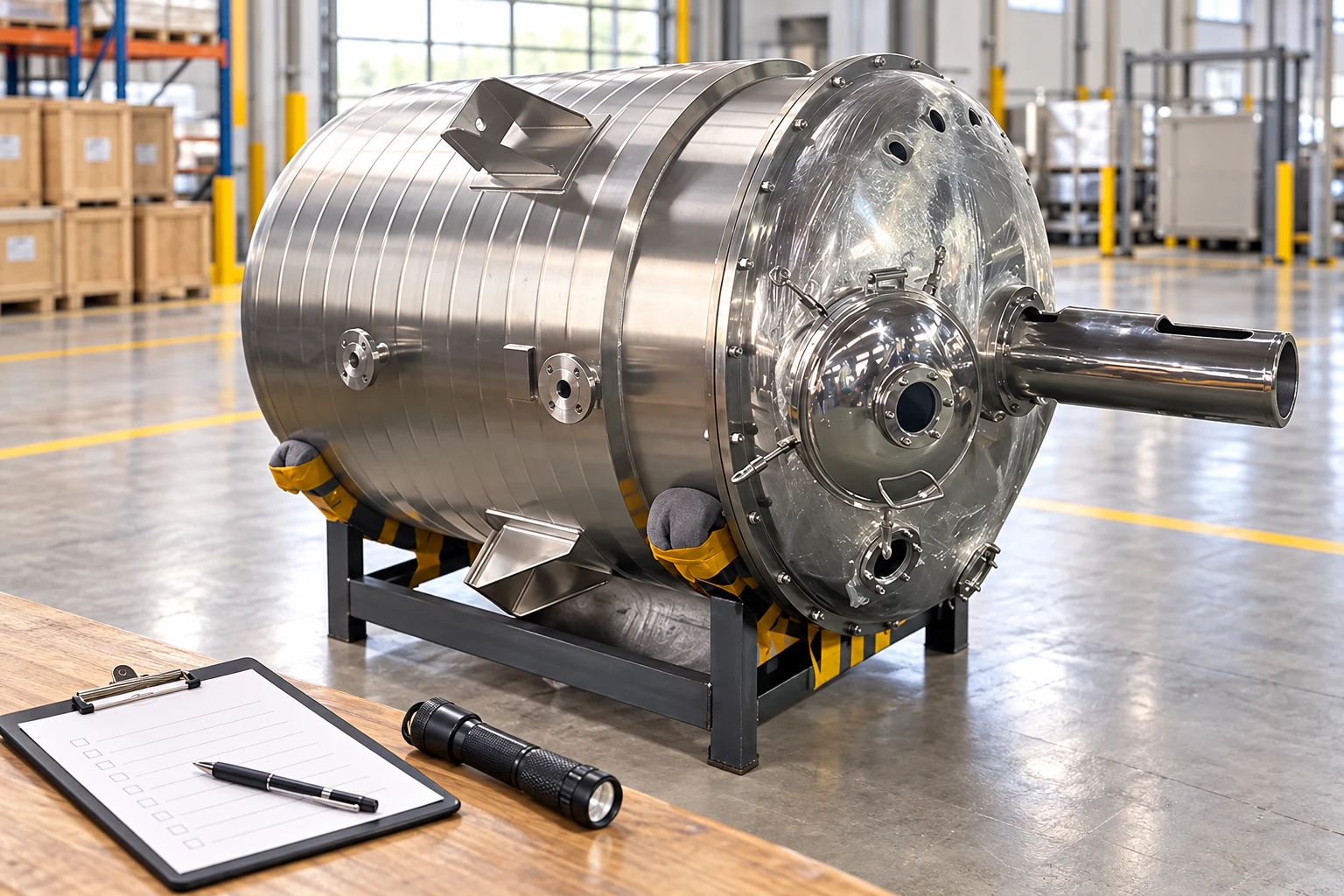
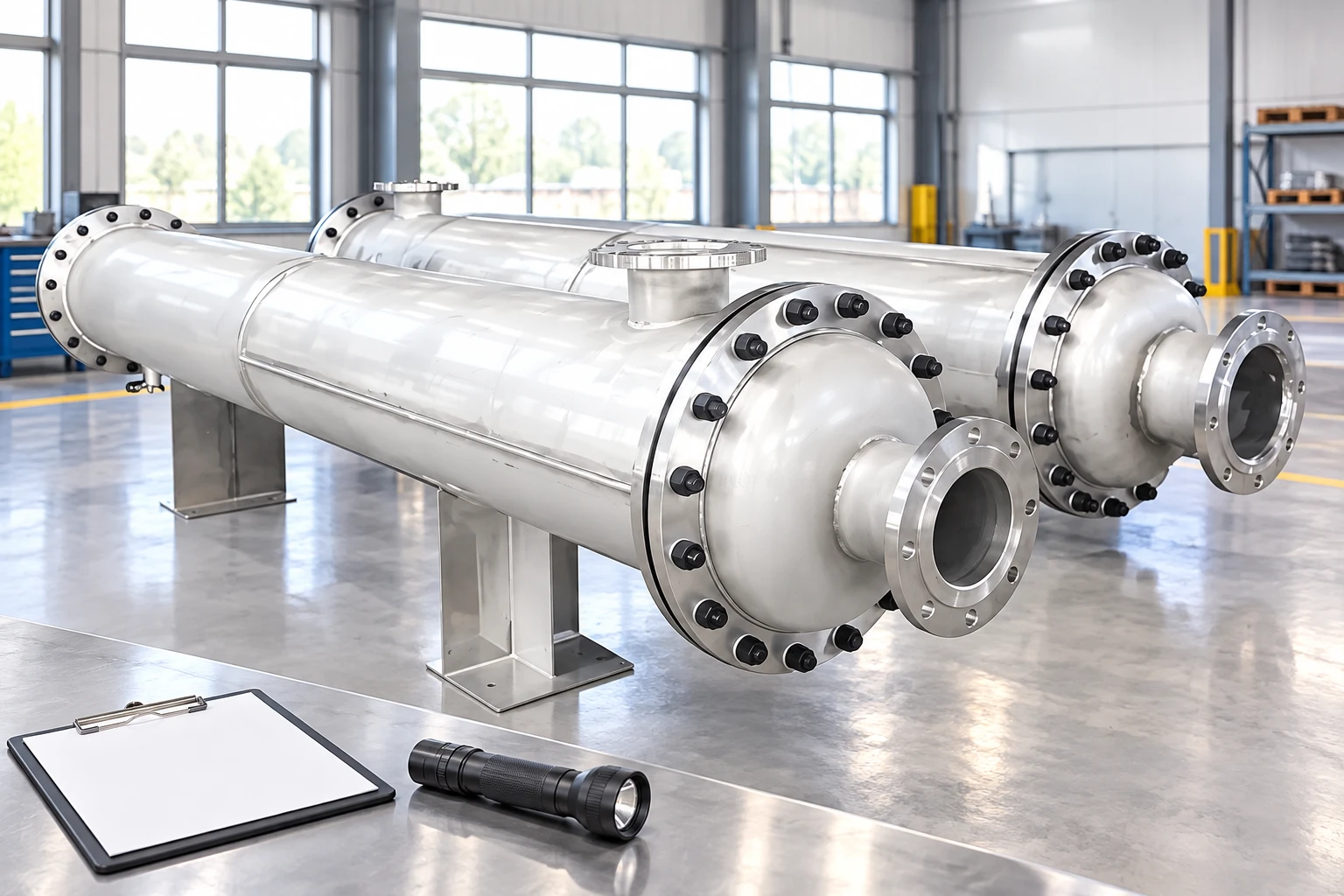
A solvent storage tank holds process solvents, cleaning solvents, or formulation ingredients between delivery and use. Unlike a plain water vessel, the specification starts from the stored liquid itself: its identity, flash point, vapor behavior, and compatibility set the rules before any capacity number is discussed.
Buyers get better quotes when the RFQ separates two layers. The fabricator needs the vessel duty, connections, and materials; the site’s own reviewers handle hazardous-area classification, vent and relief device sizing, and fire-protection decisions. This guide organizes both layers so nothing is silently assumed.
Part 1. Classify the Solvent Service
Name the liquid precisely. A solvent can be an alcohol, a ketone, an ester, a hydrocarbon blend, or a water mixture, and each family behaves differently in storage. Attach the safety data sheet to the RFQ instead of describing the product loosely.
Describe the role the tank plays. Delivery buffer, day tank beside a process line, recovered-solvent holding, and waste-solvent collection each imply different turnover, cleanliness, and monitoring needs. State how often the tank is filled and emptied and what feeds it.
Record the storage conditions. Indoor or outdoor placement, expected temperature range, and proximity to process equipment all change the venting, grounding, and containment questions that follow. A short service description keeps every bidder pricing the same duty.
| Service question | What to record | Why it matters |
|---|---|---|
| Solvent identity | product name plus safety data sheet | Drives every later decision |
| Role | delivery buffer, day tank, recovery, waste | Sets turnover and monitoring |
| Location | indoor, outdoor, distance to process | Affects venting and protection scope |
| Temperature | normal range and extremes | Changes vapor behavior and seals |
| Volume basis | delivery size, usage rate, reserve | Justifies the capacity request |
Part 2. Read the Solvent Data Before the Tank Data
Flash point is the headline property. The flash point indicates the lowest temperature at which a liquid forms an ignitable vapor mixture near its surface, so compare it honestly against the real storage temperature range, including summer peaks and any nearby heat sources.
Vapor behavior matters beyond flammability. Solvents with noticeable vapor pressure lose product through open vents, can create odor or exposure issues, and may need condensing or return provisions. Note whether the site expects vapor recovery or simple atmospheric venting.
Water content and product quality complete the picture. Some solvents absorb moisture through open vents, which can matter for formulation use. If quality is sensitive, say so in the RFQ, because it influences vent selection, blanketing questions, and material finish.
Part 3. Describe the Venting Concept
Every closed tank breathes. Filling pushes vapor out, emptying draws air in, and daily temperature swings do both on a smaller scale. The RFQ should state that the vent concept must cover all three situations, and it should identify who sizes and selects the devices.
Vent routing is a site decision. Options include venting to a safe outdoor location, connecting to a vapor treatment or recovery system, or using devices that limit routine losses. Describe the destination and any site preferences rather than leaving the routing to assumption.
Keep the boundary explicit. Device sizing, relief philosophy, and any inerting or blanketing decisions belong to the responsible process-safety reviewer, not to a fabrication quote. Asking the fabricator to state which nozzles are reserved for vents and instruments keeps both scopes aligned.
Part 4. Check Materials, Gaskets, and Compatibility
Stainless steel is a frequent baseline for solvent duty, but the claim must be checked per solvent, per temperature, and per concentration. Ask each bidder to state the proposed grade and the compatibility basis against the attached solvent data instead of accepting a generic assurance.
Gaskets and seals fail before shells do. Elastomers that perform well in water service can swell or degrade in ketones, esters, or aggressive blends, so list every wetted non-metallic part: gaskets, sight glass seals, valve seats, instrument wetted parts, and hoses.
Surface finish and cleanliness follow the product use. Formulation-grade solvents may justify a finer internal finish and full drainability for changeovers, while a waste-solvent collection tank prioritizes robust access and simple washdown. State the finish expectation and the cleaning method in the same section.
| Compatibility item | RFQ input | Bidder response to expect |
|---|---|---|
| Shell material | solvent data sheet, temperature | proposed grade and basis |
| Gaskets and seals | list of wetted non-metallics | stated elastomer families |
| Finish | product-quality sensitivity | internal finish and weld condition |
| Cleaning | method and agents | drainage and access plan |
| Accessories | sight glass, instruments | wetted materials declared |
Part 5. Plan Grounding, Containment, and Safety Reviews
Static electricity is a recognized ignition source when low-conductivity liquids move through pipes and free-fall into tanks. Raise grounding and bonding early: ask for grounding lugs on the vessel, and route the earthing design and filling-velocity rules to the site’s electrical and safety reviewers.
Containment is usually a civil scope. Describe the bund, tray, or room where the tank will sit and the drainage rules that apply, so the fabricator can align support design and connection heights. Leak detection preferences belong in the same paragraph.
Site fire and explosion duties frame everything above. Public guidance such as the HSE fire and explosion topic pages shows that managing flammable substances is a structured site responsibility; classification, protection measures, and permits stay with the responsible reviewer rather than the vessel supplier.
Part 6. Define Filling, Connections, and Installation
Describe how solvent arrives. Drum transfer, tote transfer, tanker delivery, and in-plant piping each change connection sizes, hose stations, overfill protection expectations, and operator access. State the largest single delivery and the required receiving time.
List the connection schedule completely: fill, outlet, vent, drain, overflow or high-level response, instrument ports, grounding points, and spares. Note the level indication preference and any high-level alarm or shutoff interface the site expects the vessel to support.
Installation details close the loop. Provide footprint, height limits, seismic or wind context, indoor or outdoor exposure, and access for inspection and cleaning.
For a wider storage overview, see what are the different uses of storage tanks alongside this solvent-specific list. Material-selection context is covered in stainless steel storage tank types and uses.
Part 7. Compare Configurable Vessels and Prepare the RFQ
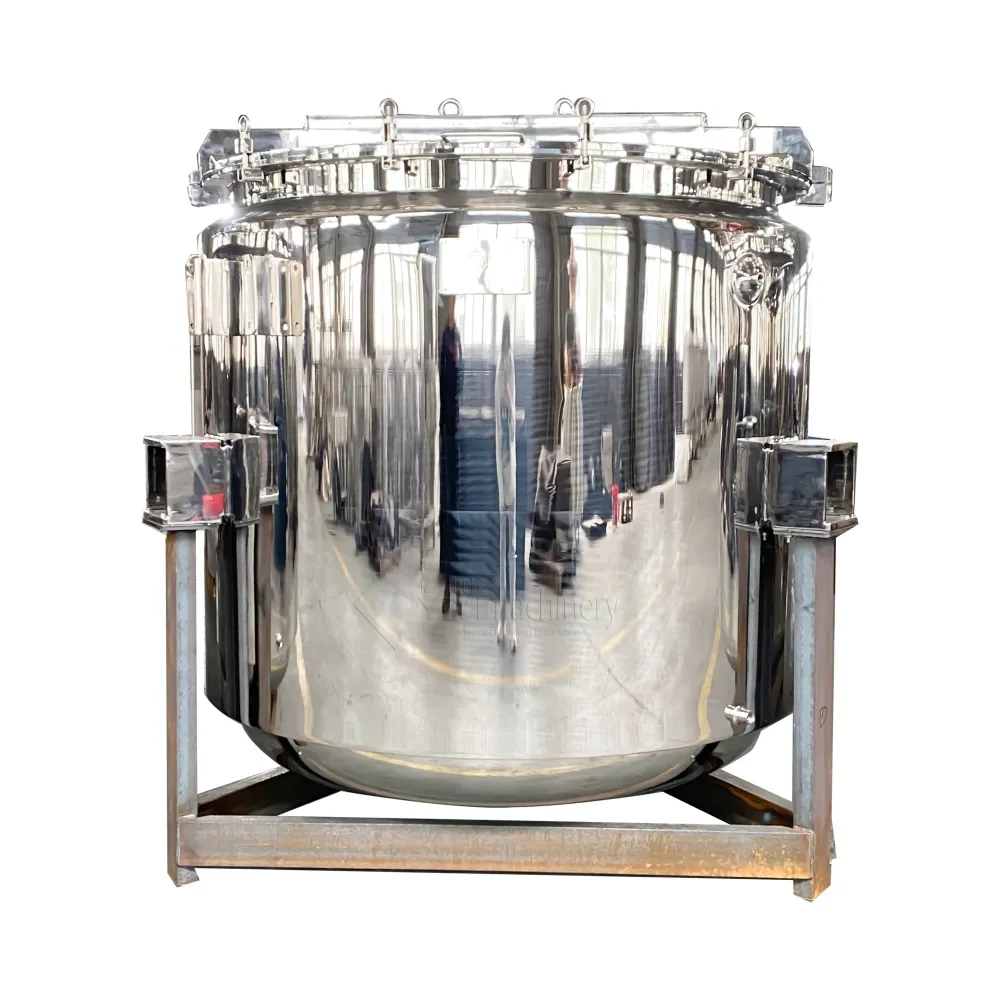
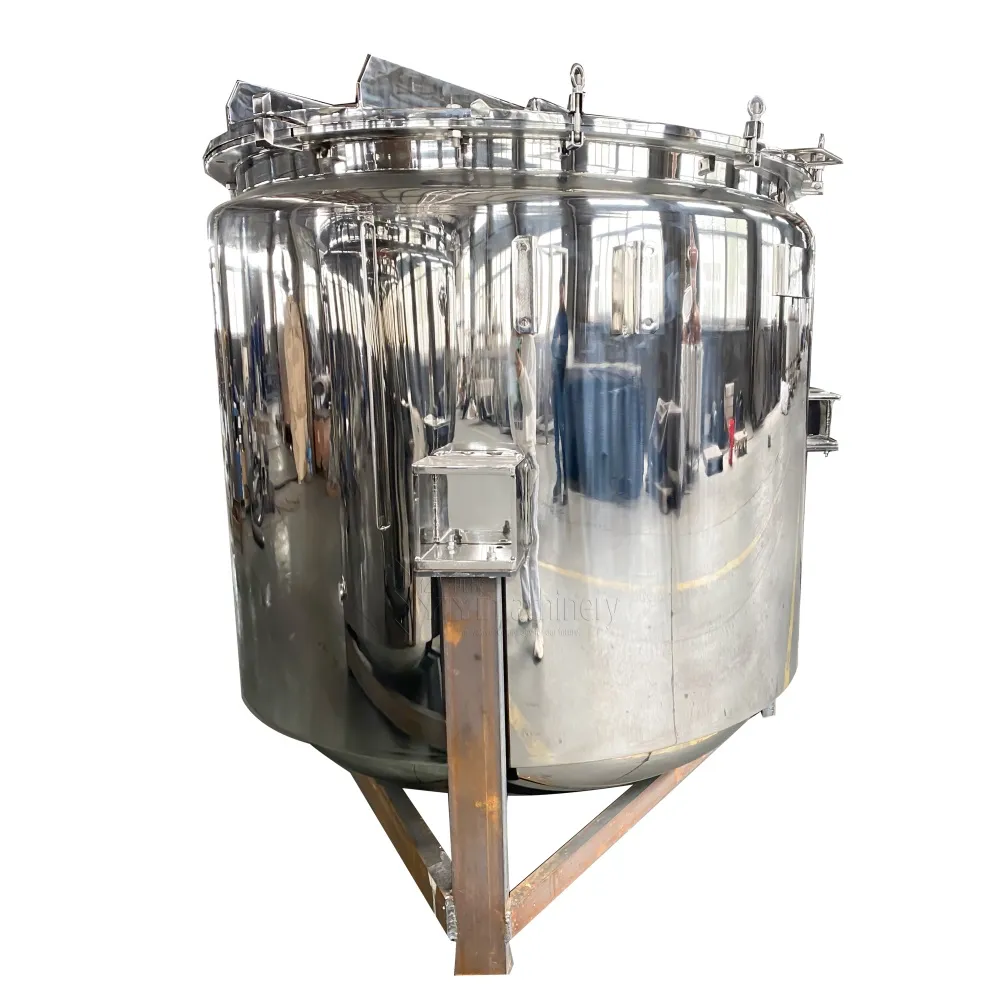
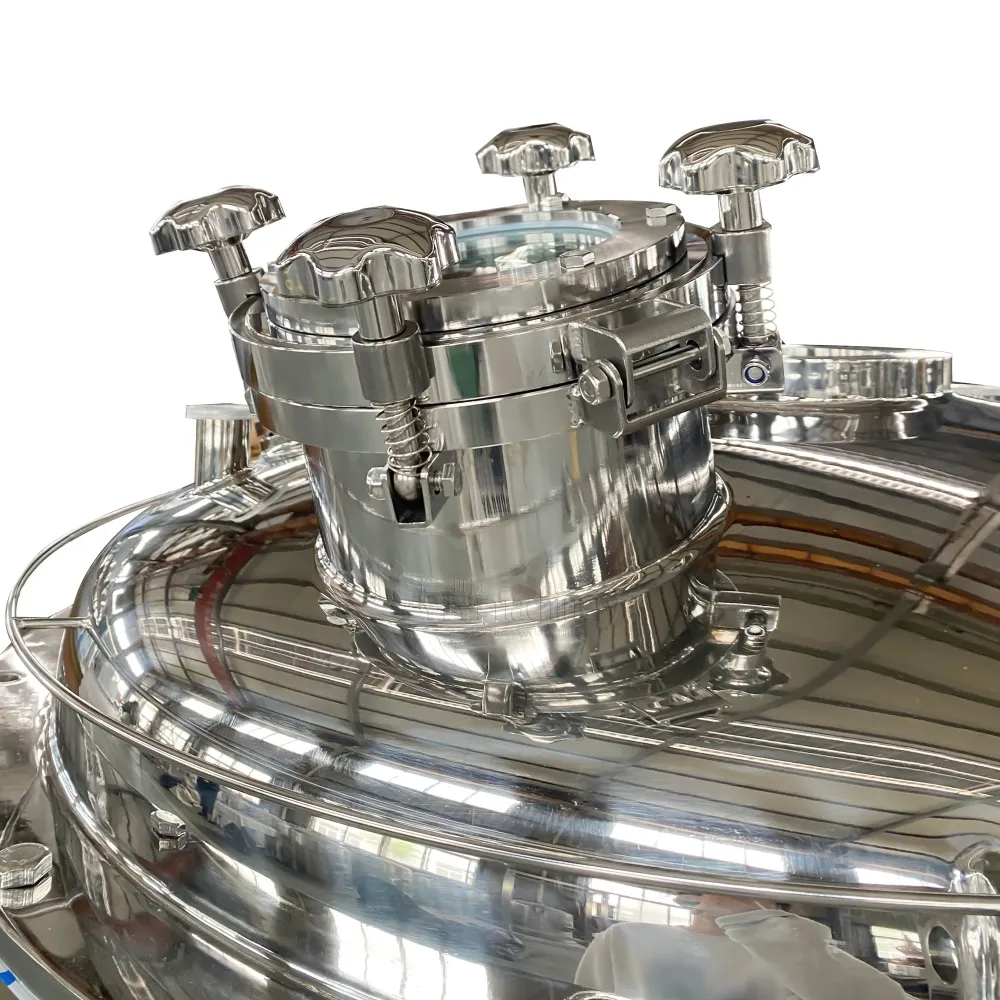
Published equipment sets the configuration conversation. The 800L stainless steel storage tank shows a typical mid-size vessel class, and the configurable storage tank range covers other volumes and layouts. Product pages provide context; they do not approve a specific solvent duty.
Give every bidder the same package. Include the solvent data sheet, service description, volume basis, temperature range, filling method, vent concept and routing, grounding expectations, containment description, material and gasket requirements, connection schedule, instrumentation, and documentation needs.
Ask bidders to separate scope from assumptions: what is supplied, what is excluded, which reviews remain with the site, and what information is still missing. When the package is ready, share your solvent duty for a configuration discussion and compare responses line by line.
FAQs
What is a solvent storage tank?
It is a vessel that holds process, cleaning, recovered, or waste solvents between delivery and use. Its specification is driven by the solvent’s identity, flash point, vapor behavior, and compatibility data.
What material is best for a solvent storage tank?
There is no universal answer. Stainless grades are a common baseline, but shell material, gaskets, and seals must each be checked against the specific solvent, temperature, and concentration.
Do solvent storage tanks need special venting?
Yes, the vent concept must handle filling, emptying, and thermal breathing, and the routing must suit the site. Device selection and sizing belong to the responsible engineering reviewer.
Why does flash point matter for solvent storage?
Flash point indicates the temperature at which a liquid can form an ignitable vapor mixture. Comparing it with the real storage temperature range frames the safety questions the site must answer.
Do solvent tanks need grounding and bonding?
Moving low-conductivity liquids can generate static charge, a recognized ignition source. Request grounding provisions on the vessel and route the earthing and filling rules to the site reviewers.
Can stainless steel tanks store ethanol and other solvents?
Stainless vessels are widely used for alcohols and many other solvents, subject to compatibility review of the shell, gaskets, and seals for the specific liquid and conditions.
What should a solvent storage tank RFQ include?
Include the safety data sheet, service role, volume basis, temperature range, filling method, vent concept, grounding and containment context, materials and gaskets, connections, instrumentation, and documentation needs.