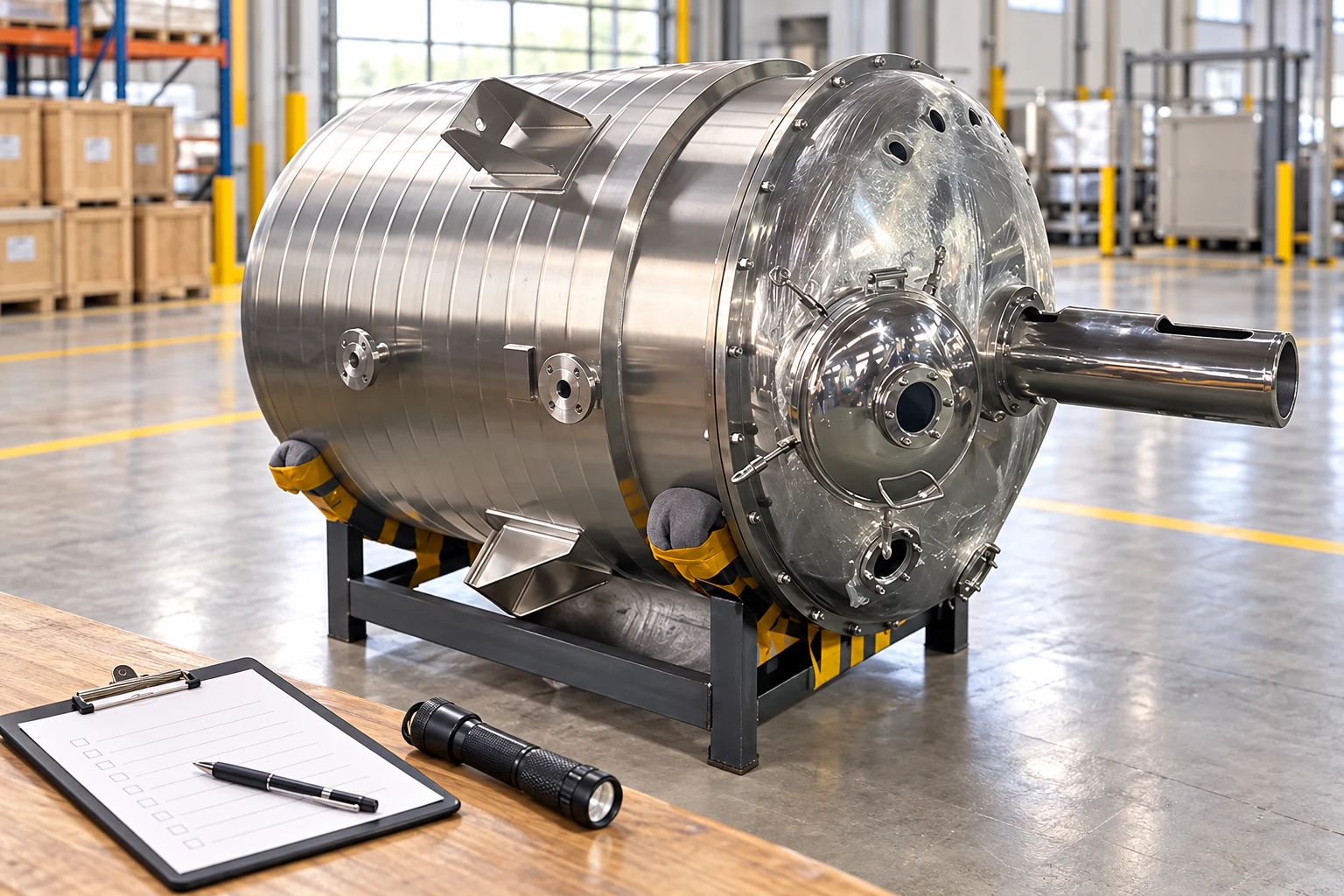
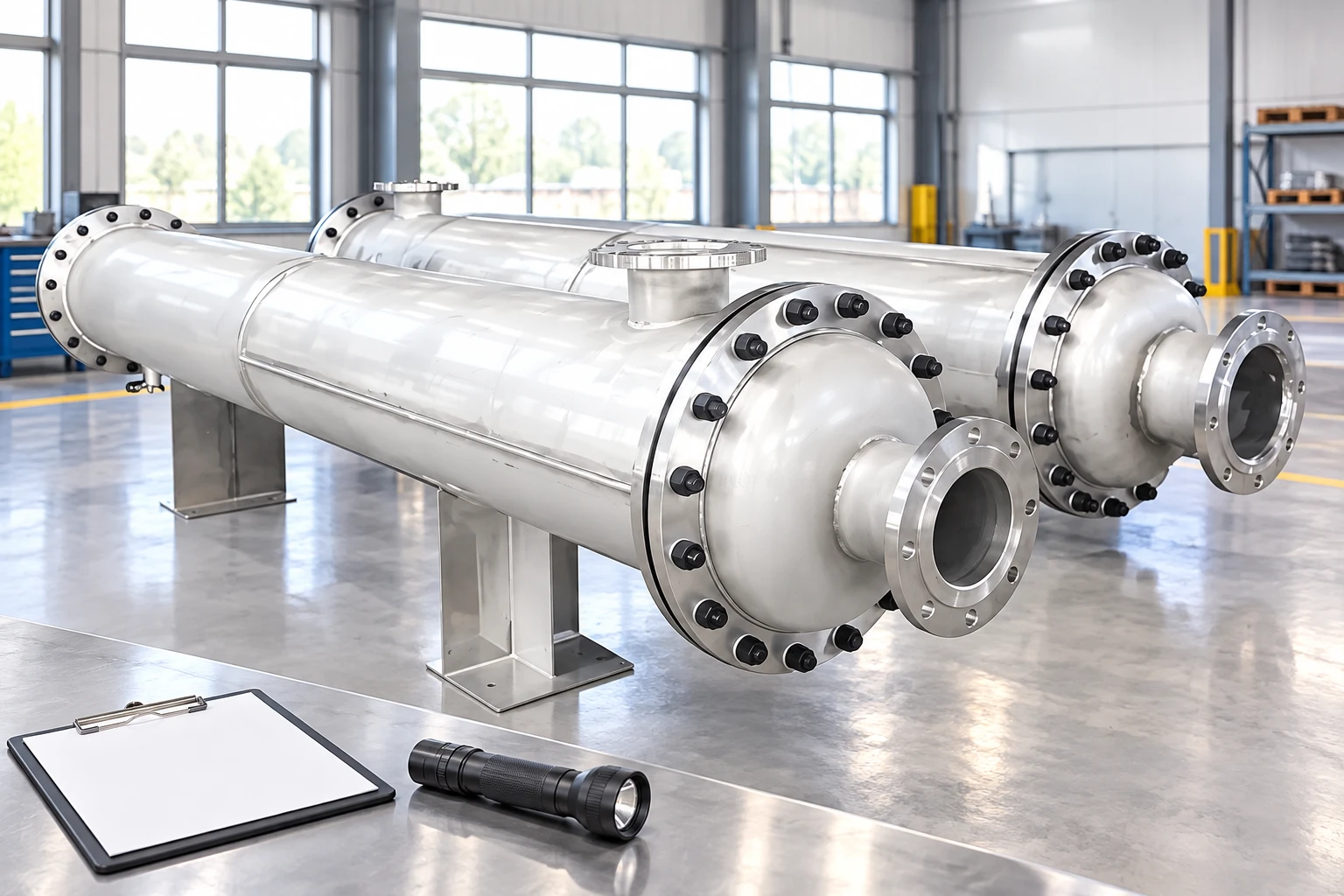
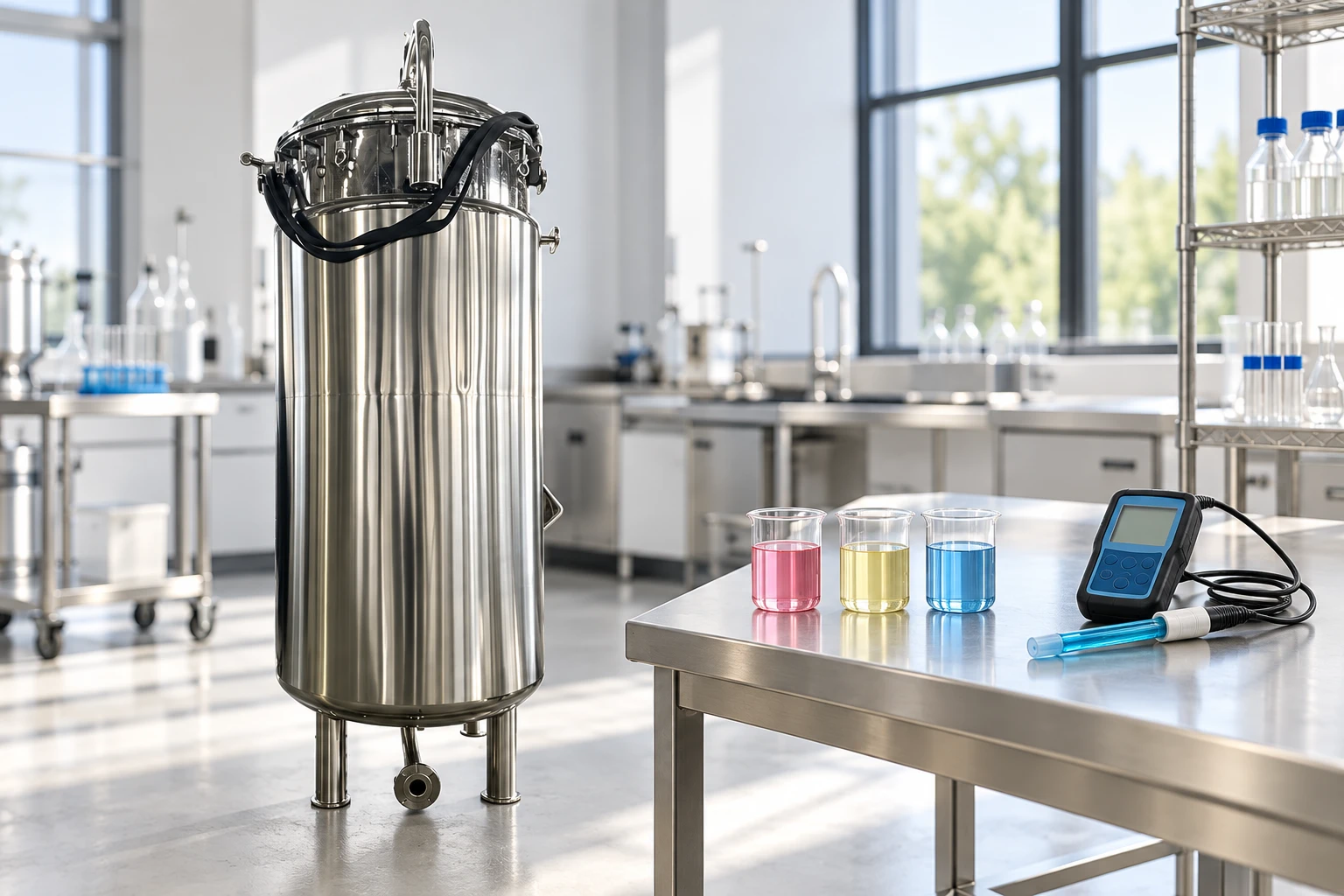
Sebuah tangki pengaduk pemanas elektrik memanaskan dan mencampur produk dalam satu bejana menggunakan elemen resistansi listrik—seringkali dalam jaket, melalui pemanas celup, atau dalam modul pemanas seluler—alih-alih mengandalkan uap pabrik atau siklus oli termal. Pembeli menentukan tangki ini ketika mereka membutuhkan suhu batch yang terkontrol, agitasi yang seragam, dan sumber pemanasan yang kompak pada kisaran suhu sedang.
Panduan ini menjelaskan tata letak pemanas, ekspektasi kontrol, pilihan material, dan rincian RFQ untuk pabrik pemrosesan yang membandingkan opsi pemanas elektrik, uap, dan minyak termal. Contoh produk merujuk pada lini tangki pencampuran YIYI INTELLIGENT yang dipublikasikan; peringkat spesifik proyek harus dikonfirmasikan pada penawaran harga yang akurat.
Bagian 1. Apa itu tangki pengaduk pemanas listrik?
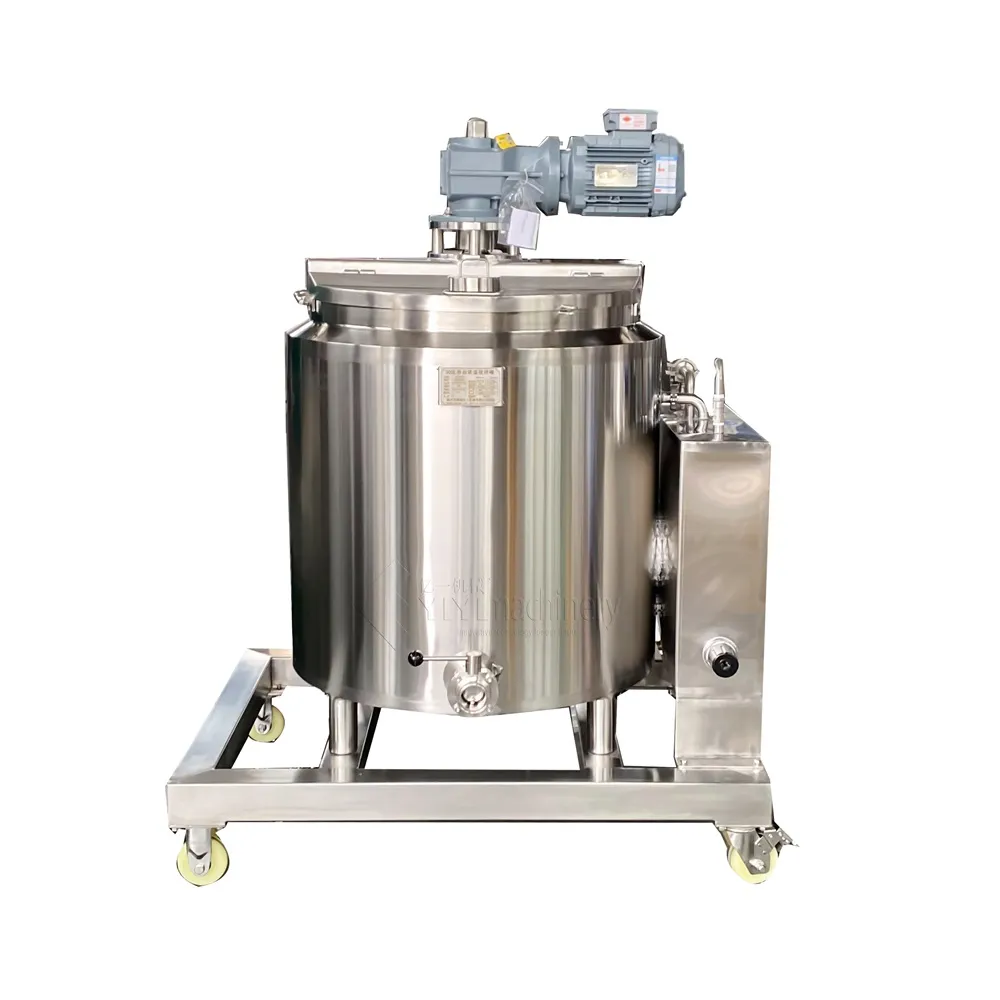
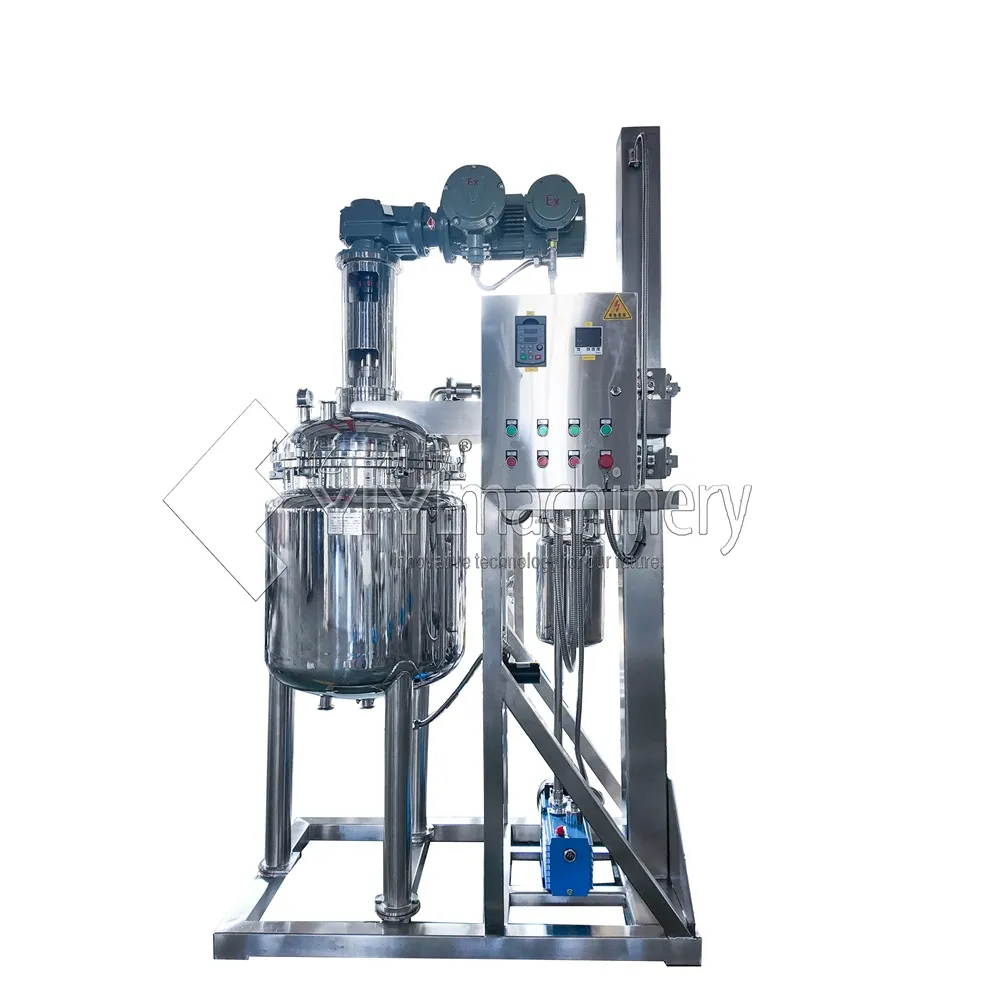
Kapal tersebut melakukan dua tugas sekaligus: agitasi untuk pencampuran, suspensi, atau perpindahan panas di permukaan cairan, dan pemanas listrik untuk menaikkan atau menahan suhu tangki. Pengaduk dapat dipasang di atas, di samping, atau di bawah, bergantung pada viskositas dan target kemudahan pembersihan.
Tangki pengaduk berpemanas listrik banyak digunakan dalam saus makanan, persiapan produk susu, emulsi kosmetik, zat antara farmasi, dan batch kimia di mana penambahan ketel uap atau sistem minyak termal tidak diperlukan atau tidak ekonomis untuk lini tersebut.
| Komponen | Fungsi | Pertanyaan pembeli |
|---|---|---|
| Lambung kapal | Berisi produk dan batas tekanan | Berapa volume dan ruang kepala (headspace) yang diperlukan? |
| Agitator | Pencampuran dan distribusi panas | Jenis impeller apa yang cocok dengan viskositas? |
| Pemanas listrik | Menambahkan energi termal | Jaket, selam, atau modul bergerak? |
| Kontrol suhu | Menahan titik setel | Panel PID, zona, atau termostat biasa? |
| Segel dan port | Pengisian, pengambilan sampel, CIP | Berapa banyak nosel dan kaca pengintai? |
Jelajahi tangki pencampur baja tahan karat kategori untuk kapasitas dan keluarga konfigurasi sebelum mempersempit jenis pemanas.
Bagian 2. Bagaimana tata letak pemanas listrik bekerja dalam bejana aduk?
Pembeli memilih terlebih dahulu bagaimana panas melintasi batas ke dalam produk: melalui dinding, melalui elemen terendam, atau melalui modul seluler kemasan. Setiap jalur mengubah pembersihan, waktu respons, dan pemeliharaan.
| Tata letak | Bagaimana panas masuk ke dalam kelompok | Penggunaan umum | Keterbatasan |
|---|---|---|---|
| Jaket dengan pemanas elektrik | Panas berpindah melalui dinding bejana | Kelompok produk kental atau higienis yang tidak disarankan untuk pencelupan | Respon lebih lambat daripada perendaman langsung |
| Elemen pemanas celup | Pemanas yang dicelupkan ke dalam produk atau termovel | Pemanasan lebih cepat pada cairan viskositas rendah | Kompatibilitas pembersihan dan pelapisan harus diperiksa |
| Modul pemanas elektrik seluler | Unit kemasan dipasangkan dengan tangki portabel | Batch uji coba, lini banyak produk | Verifikasi standardisasi mobilitas dan koneksi |
Memindahkan fluida melintasi permukaan yang dipanaskan mengurangi titik panas dinding. Kumpulan yang viskos biasanya membutuhkan pengaduk jangkar atau pita heliks; campuran viskositas rendah dapat menggunakan pengaduk turbin atau baling-baling sebagai gantinya. Sesuaikan kecepatan pengaduk dengan apakah produk tahan terhadap pemanasan geser.
Kiat: Minta kepada pemasok untuk menyatakan apakah pemanas dapat dilepas untuk pemeriksaan dan apakah elemen cadangan sudah termasuk dalam penawaran hargaRuang lingkup elektropanas industri IEC 60519).
Bagian 3. Kapan pemanas elektrik lebih disukai daripada uap atau minyak termal?
Pemanasan listrik menarik ketika tidak ada tajuk steam tersedia, kapan titik setel suhu tetap berada dalam kisaran sedang, atau ketika Kemudahan instalasi lebih penting daripada biaya energi operasional terendah pada tugas yang sangat tinggi.
| Faktor | Tangki pengaduk pemanas elektrik | Jaket uap (lihat panduan tangki pencampur berjaket steam) | Jaket minyak termal |
|---|---|---|---|
| Utilitas di lokasi | Hanya pasokan listrik | Ketel uap dan penanganan kondensat | Sirkuit oli termal dan tangki ekspansi |
| Respons | Baik dalam perendaman; sedang dengan jaket | Cepat dengan jaket berukuran pas | Stabil untuk penahanan suhu tinggi |
| Pemeliharaan | Penggantian elemen | Perangkap, kondensat, pemeriksaan korosi | Analisis fluida, kebocoran sirkuit |
| Sinyal kesesuaian terbaik | Jalur baru, pabrik percontohan, T sedang | Uap sudah standar | Suhu jaket tinggi atau seragam |
Listrik tidak secara otomatis lebih murah untuk dioperasikan pada setiap siklus kerja. Bandingkan kW tersambung, waktu siklus batch, dan kerugian siaga terhadap tarif utilitas Anda. Jika pabrik Anda telah mengalirkan uap untuk unit lain, jaket uap mungkin dapat berintegrasi lebih baik meskipun listrik tetap valid untuk jalur terisolasi.
Latar belakang umum mengenai pemanasan dan pengadukan gabungan terdapat dalam artikel tentang tangki pemanas dan pengaduk.
Bagian 4. Fitur pengatur suhu dan keamanan apa yang harus ditentukan oleh pembeli?
Kontrol suhu berkisar dari termostat sederhana hingga panel PID multi-zona dengan pencatat grafik untuk keterlacakan batch. Pembeli makanan dan farmasi sering kali meminta perlindungan suhu lebih, redundansi sensor, dan keluaran alarm ke DCS pabrik.
| Topik kontrol | Detail RFQ minimum | Mengapa itu penting |
|---|---|---|
| Rentang titik setel | Suhu pengoperasian min/maks | Ukuran pemanas dan insulasi |
| Akurasi kontrol | Rentang ±°C diperlukan | Mendefinisikan kelas sensor dan pengendali |
| Zona | Zona jaket tunggal atau terbagi | Tangki besar mungkin memerlukan beberapa sirkuit |
| Interlok | Pemutus batas suhu tinggi, pengaktif pemanas level rendah | Mencegah tembakan kosong pada unit berjaket |
| Dokumentasi | Diagram pengkabelan, lokasi sensor | Mempercepat penerimaan situs |
Penting: Peringkat kelistrikan area berbahaya, klasifikasi ATEX/IECEx, dan kode bejana tekan seperti ASME BPVC Bagian VIII terapkan hanya ketika ruang lingkup proyek mencakup batasan tersebut—nyatakan secara eksplisit dalam RFQ alih-alih berasumsi kepatuhan bawaan.
Bagian 5. Bahan dan lapisan tangki mana yang cocok untuk batch makanan versus kimia?
Baja tahan karat 304 dan 316L adalah bahan cangkang yang umum untuk tangki pencampur pemanas listrik. 316L sering dipilih untuk klorida, asam tertentu, atau bahan kimia pembersih; 304 mungkin sudah cukup untuk banyak tugas makanan dan kosmetik ketika pemasok mengonfirmasi kompatibilitas dengan produk Anda dan kimia CIP.
| Layanan | Titik awal material | Catatan penyelesaian dan desain |
|---|---|---|
| Makanan, produk susu, minuman | 304 atau 316L dengan lasan higienis | Dasar miring, bola semprot CIP, Ekspektasi saniter 3-A jika disyaratkan oleh pemilik |
| Kosmetik / perawatan diri | 316L umum untuk surfaktan agresif | Verifikasi elastomer penyegel terhadap wewangian dan pelarut |
| Kimia umum | paduan 316L atau yang lebih tinggi per tabel kompatibilitas | Bahan pembumian, ventilasi, dan penyegelan sesuai MSDS |
| Perantara farmasi | 316L + penyelesaian permukaan yang didokumentasikan | Meminta ruang lingkup dokumentasi kualitas pemasok |
Polesan internal, pasivasi, dan kemampuan pengurasan memengaruhi waktu pembersihan dan keasaman pemanasan. Sisa cairan (heel) yang mengendap di bawah agitator dapat menjadi terlalu panas di dekat jaket pemanas listrik jika pengurasannya buruk.
Bagian 6. Apa saja yang harus ada dalam RFQ tangki pencampur pemanas listrik?
RFQ yang dapat digunakan mengubah foto katalog menjadi penawaran harga yang dapat diuji. Sertakan data proses, batasan kelistrikan, dan antarmuka mekanis dalam satu paket.
| Bagian RFQ | Contoh masukan |
|---|---|
| Proses | Nama produk, rentang viskositas, volume batch, tingkat pengisian |
| Termal | Suhu target, waktu pemanasan, waktu tahan, kondisi sekitar |
| Agitasi | Kecepatan ujung atau rentang torsi yang diperlukan, sensitivitas geser |
| Listrik | Tegangan/fasa yang tersedia, kisaran kW yang diinginkan, protokol kontrol |
| Mekanis | Jadwal nosel, kaca penglihat, lubang akses, persyaratan mobilitas |
| Bahan-bahan | 304 vs 316L, gasket elastomer, hasil akhir internal |
| Standar | Sanitasi, tekanan, klasifikasi area kelistrikan (jika ada) |
| Dokumentasi | Dukungan P&ID, daftar periksa FAT, daftar pemanas cadangan |
Lampirkan diagram garis tunggal yang menunjukkan bagaimana tangki terhubung ke pengisian, pelepasan, dan CIP jika sistem tersebut sudah ada. Pemasok kemudian dapat mengonfirmasi apakah tangki pencampur berpemanas dengan jaket kaca pengintip apakah tangki modul elektrik khusus lebih sederhana atau unit kelas cocok.
Bagian 7. Kesalahan ukuran apa saja yang muncul dalam tanda kutip, dan kalimat YIYI mana yang cocok?
Kutipan gagal di lapangan ketika waktu pemanasan dihitung pada pengisian minimum tetapi pabrik beroperasi pada pengisian maksimum, ketika daya agitator berukuran untuk viskositas seperti air tetapi produknya non-Newtonian, atau ketika kW pemanas dikutip tanpa menyatakan tegangan suplai yang tersedia.
| Kesalahan | Gejala lapangan | Pencegahan |
|---|---|---|
| kW terlalu kecil | Batch tidak pernah mencapai setpoint pada saat cold start | Sebutkan suhu awal produk dan waktu pemanasan dalam menit |
| Kelas impeler salah | Pencampuran yang buruk atau gaya geser yang berlebihan | Berikan kurva viskositas atau pengukuran cangkir |
| Hanya jaket pada produk tebal | Titik panas di dinding | Pertimbangkan pengaduk jangkar dan siklus yang lebih panjang |
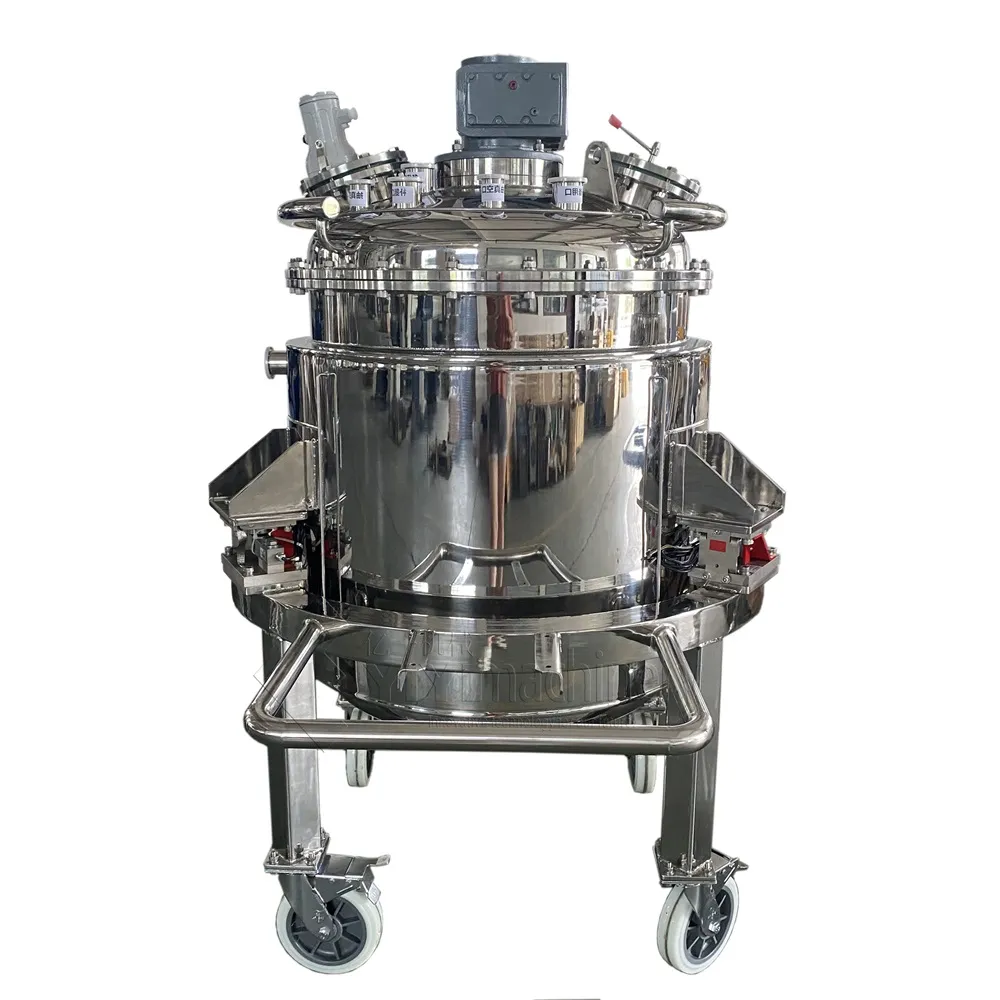
| Kebutuhan mobilitas yang belum terpenuhi | Ketidakcocokan instalasi | Tentukan roda kastor, mata pengangkat, atau kaki skid tetap |
Batas pas: Tangki berpemanas elektrik dengan pengaduk cocok untuk lini batch bersuhu sedang tanpa pasokan uap di lokasi. Ini adalah pilihan dasar yang kurang ideal untuk tugas kontinu bersuhu sangat tinggi yang minyak termalnya sudah distandarisasi, atau untuk area kelistrikan berbahaya tanpa klasifikasi yang terverifikasi.
YIYI menerbitkan contoh-contoh seperti tangki seluler pemanas elektrik untuk aplikasi pemanas listrik portabel dan unit berpemanas berselubung di dalam rentang tangki pencampur. Konfirmasi kapasitas, kW, dan sertifikasi pada halaman SKU yang tepat sebelum melakukan pembelian. Untuk tata letak khusus proyek, Minta penawaran dengan bagian RFQ di Bagian 6.
FAQ
Apa perbedaan antara tangki pengaduk pemanas elektrik dan tangki pencampur standar?
Tangki pencampur standar mungkin tidak memiliki sumber panas. Tangki pengaduk pemanas listrik menambahkan pemanas resistansi dan kontrol yang diperlukan untuk menjaga suhu bahan saat diaduk.
Bisakah tangki pencampur pemanas elektrik menggantikan jaket uap?
Mereka bisa melakukannya saat beban suhu sedang dan listrik adalah utilitas yang dipilih. Pabrik dengan uap yang sudah ada sering kali tetap memilih jaket uap untuk integrasi dan biaya beban—bandingkan keduanya untuk tarif dan siklus batch Anda.
Apakah pemanas celup selalu memanas lebih cepat daripada jaket pemanas listrik?
Pencelupan umumnya memberikan respons yang lebih cepat karena panas masuk langsung ke dalam fluida. Jaket melindungi produk dari kontak langsung dengan elemen dan dapat lebih mudah dibersihkan dalam desain higienis.
Berapa voltase yang harus dicantumkan pembeli dalam RFQ?
Sebutkan fasa, tegangan, dan batasan situs apa pun pada beban tersambung. Pemasok menentukan ukuran elemen dan panel untuk pasokan tersebut.
Apakah tangki pengaduk pemanas elektrik cocok untuk saus kental?
Ya, ketika jenis agitator dan luas permukaan jaket sesuai dengan viskositas. Viskositas yang sangat tinggi mungkin memerlukan agitator jangkar atau pita dan waktu pemanasan yang lebih lama—sebutkan viskositas dalam RFQ.
Dokumentasi apa yang harus diminta oleh pabrik makanan?
Catatan penyelesaian permukaan, sertifikat material, cakupan las higienis, dan pemeriksaan kalibrasi kontrol. Petakan permintaan ke standar pemilik seperti Praktik sanitasi 3-A jika berlaku.
Bagaimana ini berkaitan dengan dasar-dasar tangki pencampur baja tahan karat?
Mulailah dengan konstruksi umum di tangki pencampur baja tahan karat, lalu kembali ke sini untuk spesifikasi pemanas elektrik.
Kapan pembeli juga harus meninjau pemanas minyak termal?
Jika suhu jaket harus tetap tinggi dan stabil selama penahanan yang lama, tinjau opsi pemanasan oli termal dalam panduan pemilihan khusus untuk produk kental setelah diterbitkan di kluster tangki pencampuran.
Referensi
- ASME BPVC Bagian VIII — Bejana Tekan Divisi 1 — cakupan batas tekanan jika ada
- Standar Sanitasi 3-A — ekspektasi peralatan sanitasi untuk pemilik industri makanan dan susu
- publikasi elektrotermal industri IEC 60519 — kerangka pengaman peralatan pemanas elektrik industri