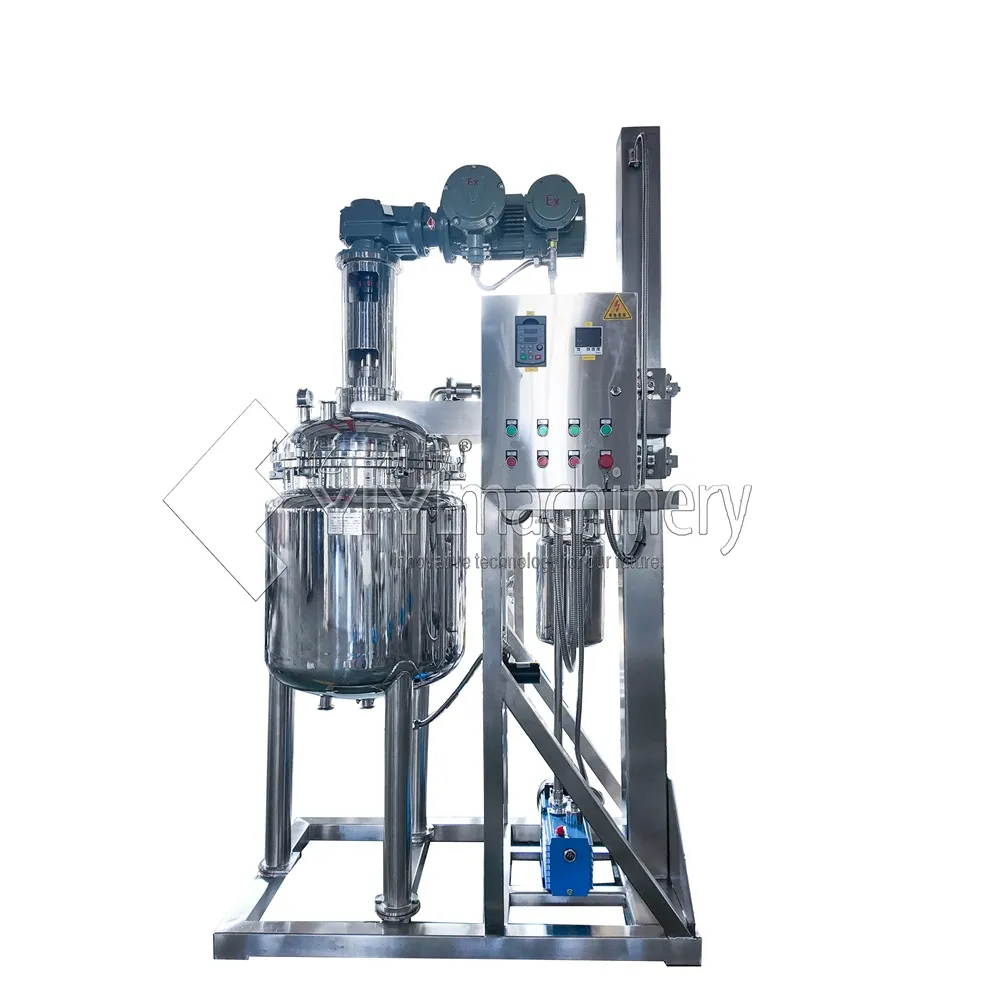
Un tanque agitador con calefacción eléctrica calienta y mezcla producto en un solo recipiente utilizando elementos de resistencia eléctrica —a menudo en una camisa, mediante calentadores de inmersión o en un módulo de calentamiento móvil— en lugar de depender del vapor de la planta o de un circuito de aceite térmico. Los compradores especifican estos tanques cuando necesitan una temperatura de lote controlada, agitación uniforme y una fuente de calefacción compacta en rangos de temperatura moderados.
Esta guía explica las disposiciones de los calentadores, las expectativas de control, la selección de materiales y las líneas de solicitudes de cotización para plantas de proceso que comparan opciones eléctricas, de vapor y de aceite térmico. Los ejemplos de productos hacen referencia a las líneas de tanques de mezcla publicados de YIYI INTELLIGENT; las calificaciones específicas del proyecto deben confirmarse en la cotización exacta.
Parte 1. ¿Qué es un tanque agitador con calefacción eléctrica?
El buque realiza dos trabajos a la vez: agitación para mezcla, suspensión o transferencia de calor en la superficie del líquido, y calefacción eléctrica para elevar o mantener la temperatura del lote. El agitador puede ser de entrada superior, de entrada lateral o de montaje inferior, según la viscosidad y los objetivos de limpieza.
Los tanques agitados con calefacción eléctrica aparecen en salsas alimentarias, preparaciones lácteas, emulsiones cosméticas, intermedios farmacéuticos y lotes químicos donde agregar una caldera de vapor o un sistema de aceite térmico es innecesario o poco económico para esa línea.
| Componente | Función | Pregunta del comprador |
|---|---|---|
| Casco del recipiente | Contiene producto y límite de presión | ¿Qué volumen y espacio de cabeza se requieren? |
| Agitador | Mezcla y distribución de calor | ¿Qué tipo de rodete coincide con la viscosidad? |
| Calefactor eléctrico | Añade energía térmica | ¿Chaqueta, de inmersión o módulo móvil? |
| Control de temperatura | Mantiene el punto de consigna | Panel PID, zonas o termostato simple? |
| Sellos y puertos | Carga, muestreo, CIP | ¿Cuántas boquillas y visores? |
Explorar tanques de mezcla de acero inoxidable categoría de capacidad y familias de configuración antes de acotar el tipo de calentador.
Parte 2. ¿Cómo funcionan las disposiciones de los calentadores eléctricos en los recipientes agitados?
Los compradores primero eligen cómo el calor cruza la frontera en el producto: a través de la pared, a través de elementos sumergidos, o a través de un módulo móvil premontado. Cada ruta cambia la limpieza, el tiempo de respuesta y el mantenimiento.
| Diseño | Cómo entra el calor en la mezcla | Uso típico | Limitación |
|---|---|---|---|
| Chaqueta con calefactores eléctricos | El calor se transfiere a través de la pared del recipiente | Lotes viscosos o sanitarios donde la inmersión no es deseable | Respuesta más lenta que la inmersión directa |
| Elementos de inmersión | Calentadores sumergidos en el producto o pozo térmico | Calentamiento más rápido en fluidos de baja viscosidad | Sebe comprobar la compatibilidad entre la limpieza y el recubrimiento |
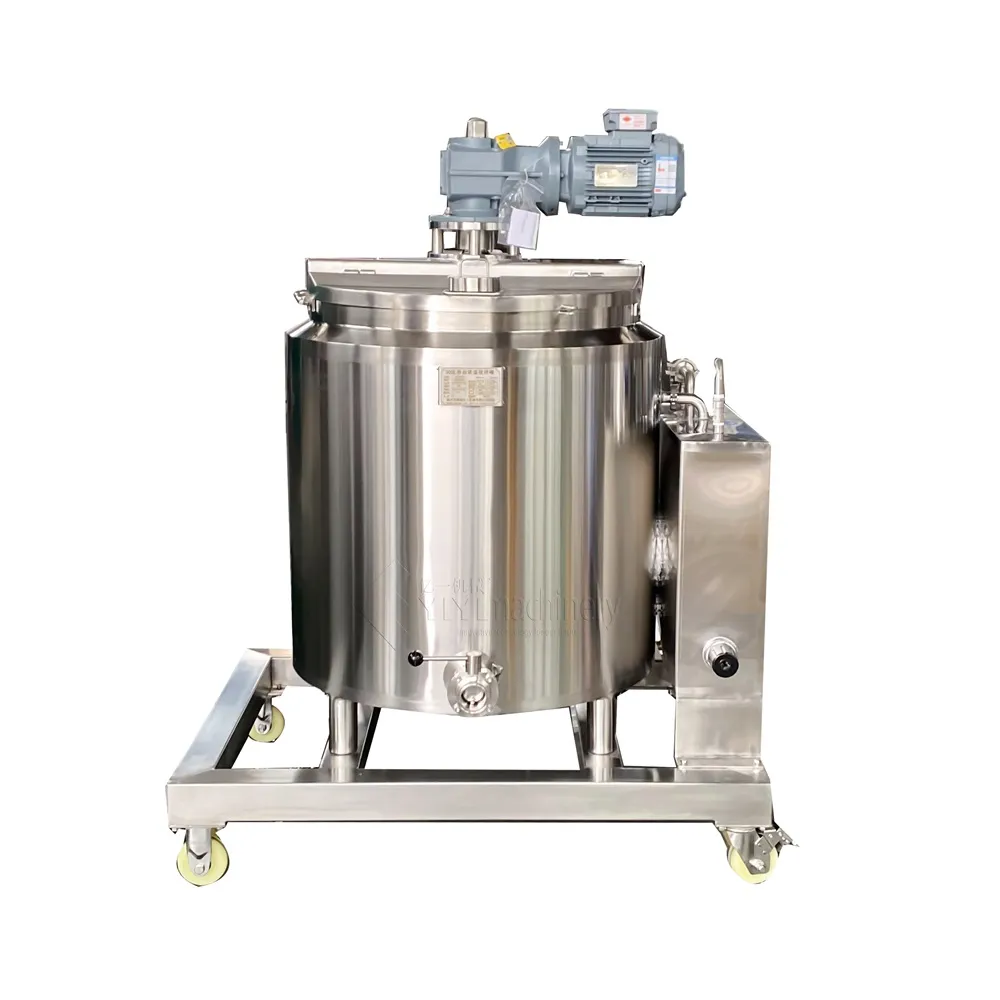
| Módulo de calefacción eléctrica móvil | Unidad compacta combinada con tanque portátil | Lotes piloto, líneas multiproducto | Verificar la movilidad y la estandarización de la conexión |
Mover fluido a través de superficies calentadas reduce los puntos calientes en las paredes. Los lotes viscosos suelen necesitar agitadores de áncora o de cinta helicoidal; las mezclas de baja viscosidad pueden usar impulsores de turbina o de hélice en su lugar. Ajuste la velocidad del agitador según si el producto tolera o no el calentamiento por cizallamiento.
Consejo: Solicite a los proveedores que indiquen si los calentadores son desmontables para su inspección y si se incluyen elementos de repuesto en la cotizaciónAlcance del electromagnetismo industrial según la norma IEC 60519).
Parte 3. ¿Cuándo es preferible la calefacción eléctrica a la de vapor o aceite térmico?
La calefacción eléctrica es atractiva cuando sin encabezado de Steam está disponible, cuándo los puntos de consigna de temperatura se mantienen en una banda moderada, o cuando simplicidad de instalación importa más que el coste de energía operativa más bajo con un ciclo de trabajo muy alto.
| Factorizar | Tanque agitador de calefacción eléctrica | camisa de vapor (ver guía de tanques de mezcla con camisa de vapor) | Camisa de aceite térmico |
|---|---|---|---|
| Servicio público en el sitio | Solo suministro eléctrico | Caldera de vapor y manejo de condensados | Circuito de aceite térmico y tanque de expansión |
| Respuesta | Bueno con inmersión; moderado con chaqueta | Rápido con chaqueta de buen tamaño | Estable para retención a alta temperatura |
| Mantenimiento | Sustitución de elementos | Purgadores, condensado, controles de corrosión | análisis de fluidos, fugas en el circuito |
| Señal de mejor ajuste | Nueva línea, planta piloto, T moderada | Steam ya es estándar | Temperatura de camisa alta o uniforme |
Lo eléctrico no es automáticamente más barato de operar en todos los ciclos de trabajo. Compárese kW conectados, tiempo de ciclo del lote, y pérdidas en espera contra sus tarifas de servicios públicos. Si su planta ya opera vapor para otras unidades, una camisa de vapor puede integrarse mejor, aunque la eléctrica sigue siendo válida para líneas aisladas.
Los antecedentes generales sobre calefacción y agitación combinadas aparecen en el artículo sobre tanques de calentamiento y agitación.
Parte 4. ¿Qué características de control de temperatura y seguridad deben especificar los compradores?
El control de temperatura abarca desde termostatos sencillos hasta paneles PID multizona con registradores de gráficos para la trazabilidad de lotes. Los compradores de los sectores alimentario y farmacéutico suelen solicitar protección contra sobretemperatura, redundancia de sensores, y salidas de alarma a la planta DCS.
| Tema de control | Detalle mínimo de la RFQ | Por qué importa |
|---|---|---|
| Rango de consigna | Temperatura de funcionamiento mín./máx. | Dimensionamiento del calentador y aislamiento |
| Precisión del control | Banda de ±°C requerida | Define las clases sensor y controlador |
| Zonas | Zonas de camisa simples o divididas | Los tanques grandes pueden necesitar múltiples circuitos |
| Bloqueos | Corte por alta temperatura, habilitación del calefactor por bajo nivel | Evita el disparo en seco en unidades encamisadas |
| Documentación | Diagrama eléctrico, ubicaciones de los sensores | Acelera la aceptación del sitio |
Importante: Clasificaciones eléctricas para áreas peligrosas, clasificaciones ATEX/IECEx y códigos de recipientes a presión tales como Sección VIII del BPVC de ASME aplicar únicamente cuando el alcance del proyecto incluya dichos límites; indíquelos explícitamente en la solicitud de cotización (RFQ) en lugar de asumir el cumplimiento predeterminado.
Parte 5. ¿Qué materiales y acabados de tanques se adaptan a lotes de alimentos frente a productos químicos?
El acero inoxidable 304 y 316L son los materiales de carcasa comunes para los tanques de mezcla con calefacción eléctrica. 316L se selecciona a menudo para cloruros, ciertos ácidos o productos químicos de limpieza; 304 puede ser suficiente para muchas funciones alimentarias y cosméticas cuando el proveedor confirme la compatibilidad con su producto y la química de CIP.
| Servicio | Punto de partida del material | Notas de acabado y diseño |
|---|---|---|
| Alimentos, lácteos, bebidas | 304 o 316L con soldaduras sanitarias | Fondo inclinado, bolas de pulverización CIP, Expectativas sanitarias 3-A donde sea requerido por el propietario |
| Cosméticos / Cuidado personal | 316L común para tensioactivos agresivos | Verificar los elastómeros de los sellos frente a fragancias y disolventes |
| Química general | Aleación 316L o superior según la tabla de compatibilidad | Materiales de puesta a tierra, ventilación y sellado según la MSDS |
| Intermedio farmacéutico | 316L + acabado superficial documentado | Solicitar el alcance de la documentación de calidad del proveedor |
El pulido interno, la pasivación y la capacidad de drenaje afectan tanto al tiempo de limpieza como a la uniformidad del calentamiento. Un remanente estancado debajo del agitador puede sobrecalentarse cerca de las camisas eléctricas si el drenaje es deficiente.
Parte 6. ¿Qué debe incluirse en una solicitud de cotización (RFQ) para un tanque de mezcla con calefacción eléctrica?
Una solicitud de cotización (RFQ) utilizable convierte fotos de catálogos en cotizaciones comprobables. Incluye datos de procesos, limitaciones eléctricas e interfaces mecánicas en un solo paquete.
| Sección de RFQ | Ejemplo de entradas |
|---|---|
| Proceso | Nombre del producto, rango de viscosidad, volumen de lote, nivel de llenado |
| Térmico | Temperatura objetivo, tiempo de calentamiento, tiempo de mantenimiento, condiciones ambientales |
| Agitación | Velocidad de punta requerida o banda de torque, sensibilidad al cizallamiento |
| Eléctrico | Voltaje/fase disponible, rango de kW deseado, protocolo de control |
| Mecánico | Lista de boquillas, nivel visual, registro de hombre, requisitos de movilidad |
| Materiales | 304 frente a 316L, elastómero de la junta, acabado interno |
| Estándares | Sanitaria, de presión, clasificación de áreas eléctricas (si las hay) |
| Documentación | Soporte de P&ID, lista de verificación de FAT, lista de calentadores de repuesto |
Adjunte un diagrama de una sola línea que muestre cómo se conecta el tanque a la carga, la descarga y el CIP si esos sistemas ya existen. Los proveedores podrán entonces confirmar si un tanque de mezcla calefactado con camisa y visor de nivel si el tanque de la unidad compacta encaja o si un módulo de tanque eléctrico dedicado es más sencillo.
Parte 7. ¿Qué errores de tallaje aparecen entre comillas y qué líneas de YIYI encajan?
Las cotizaciones fallan en el campo cuando tiempo de calentamiento se calcula con el llenado mínimo, pero la planta opera con el llenado máximo, cuando potencia del agitador está dimensionado para una viscosidad similar a la del agua, pero el producto es no newtoniano, o cuando calentador kW se cotiza sin indicar la tensión de alimentación disponible.
| Error | Síntoma de campo | Prevención |
|---|---|---|
| kW insuficientes | El lote nunca alcanza el punto de consigna en el arranque en frío | Indique la temperatura inicial del producto y los minutos de calentamiento |
| Clase de impulsor incorrecta | Mala mezcla o cizallamiento excesivo | Proporcione la curva de viscosidad o la medición de copa |
| Solo chaqueta en producto grueso | Puntos calientes en la pared | Considere un agitador de ancla y un ciclo más largo |
| Necesidades de movilidad no cubiertas | Incompatibilidad de instalación | Especificar ruedas, armellas de elevación o patín fijo |
Ajustar límite: Los tanques agitados con calefacción eléctrica se ajustan a líneas discontinuas de temperatura moderada sin vapor en el sitio. Son una opción predeterminada débil para servicios continuos muy altos donde el aceite térmico ya está estandarizado, o para áreas eléctricas peligrosas sin clasificaciones verificadas.
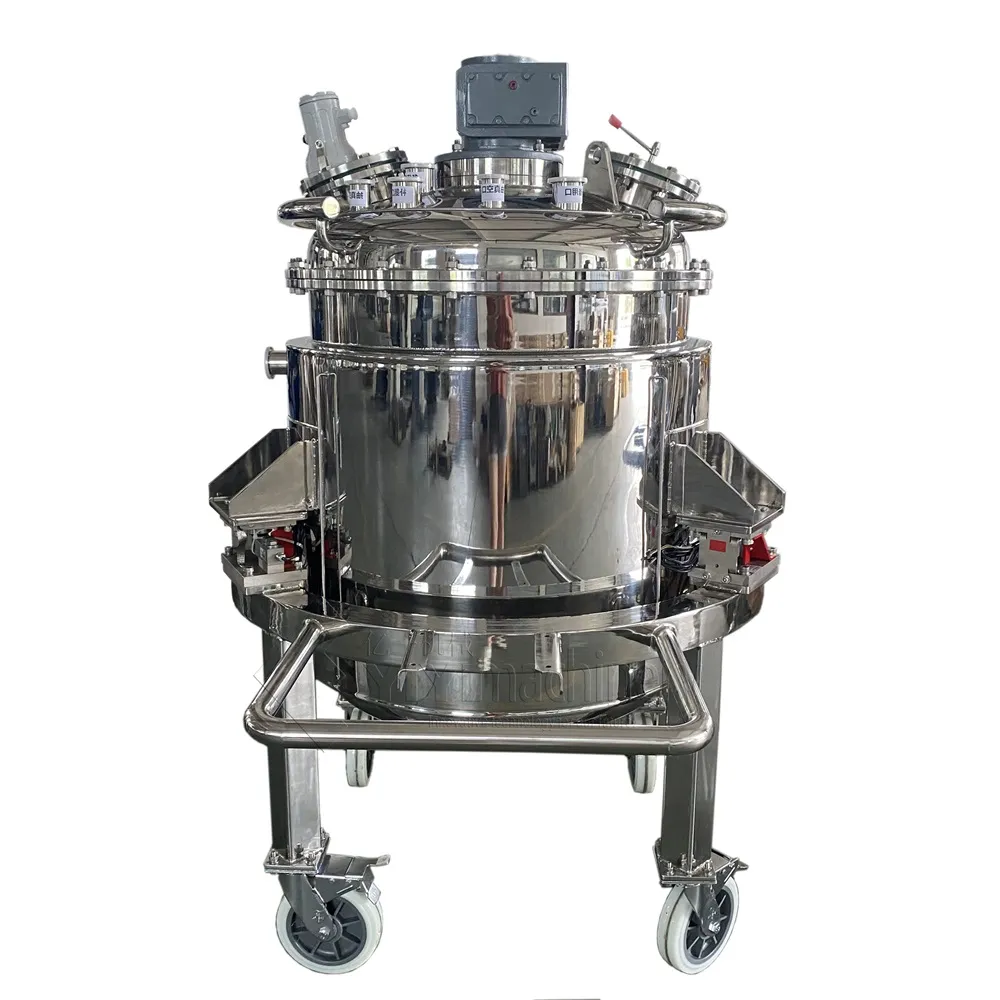
YIYI publica ejemplos como el tanque móvil de calefacción eléctrica para aplicaciones de calefacción eléctrica portátil y unidades calefaccionadas con camisa en el gama de tanques de mezcla. Confirme la capacidad, los kW y la certificación en la página exacta del SKU antes de comprar. Para diseños específicos de proyectos, solicitar un presupuesto con las secciones de la RFQ en la Parte 6.
Preguntas frecuentes
¿Cuál es la diferencia entre un tanque agitador de calefacción eléctrica y un tanque de mezcla estándar?
Un tanque de mezcla estándar puede no tener fuente de calor. Un tanque agitador con calefacción eléctrica añade calefacción por resistencia y los controles necesarios para mantener la temperatura del lote mientras se agita.
¿Pueden los tanques de mezcla calefaccionados eléctricamente reemplazar las camisas de vapor?
Pueden hacerlo cuando la exigencia de temperatura es moderada y la electricidad es el servicio preferido. Las plantas con vapor existente a menudo todavía eligen camisas de vapor para su integración y coste operativo; compare ambas opciones para su tarifa y ciclo de lote.
¿Los calentadores de inmersión siempre calientan más rápido que las camisas calefactoras?
La inmersión generalmente ofrece una respuesta más rápida porque el calor entra directamente al fluido. Las camisas protegen el producto del contacto directo con el elemento y pueden ser más fáciles de limpiar en diseños sanitarios.
¿Qué voltaje deben indicar los compradores en una RFQ?
Indique la fase, el voltaje disponibles y cualquier limitación del sitio en la carga conectada. Los proveedores dimensionan los elementos y tableros para ese suministro.
¿Son adecuados los tanques agitadores con calefacción eléctrica para salsas viscosas?
Sí, cuando el tipo de agitador y el área superficial de la camisa coinciden con la viscosidad. Una viscosidad muy alta puede requerir agitadores de ancla o de cinta y tiempos de calentamiento más largos; indique la viscosidad en la solicitud de cotización (RFQ).
¿Qué documentación deben solicitar las plantas de alimentos?
Registros de acabado superficial, certificados de material, alcance de soldadura sanitaria y controles de calibración. Vincular las solicitudes a los estándares del propietario como prácticas sanitarias 3-A donde corresponda.
¿Cómo se relaciona esto con los fundamentos de los tanques de mezcla de acero inoxidable?
Comience con la construcción general en qué es un tanque mezclador de acero inoxidable, luego regrese aquí para la especificación de calefacción eléctrica.
¿Cuándo deberían los compradores revisar también la calefacción por aceite térmico?
Si la temperatura de la camisa debe mantenerse alta y estable durante retenciones prolongadas, revise las opciones calentadas por aceite térmico en una guía de selección dedicada para productos viscosos una vez que se publique en el grupo de tanques de mezcla.
Referencias
- ASME BPVC Sección VIII — Recipientes a presión División 1 — alcance del límite de presión, cuando corresponda
- Normas Sanitarias 3-A — expectativas de equipos sanitarios para propietarios de empresas alimentarias y lácteas
- Publicaciones sobre electrocalentamiento industrial de la CEI 60519 — bastidor de seguridad para equipos de calentamiento eléctrico industrial