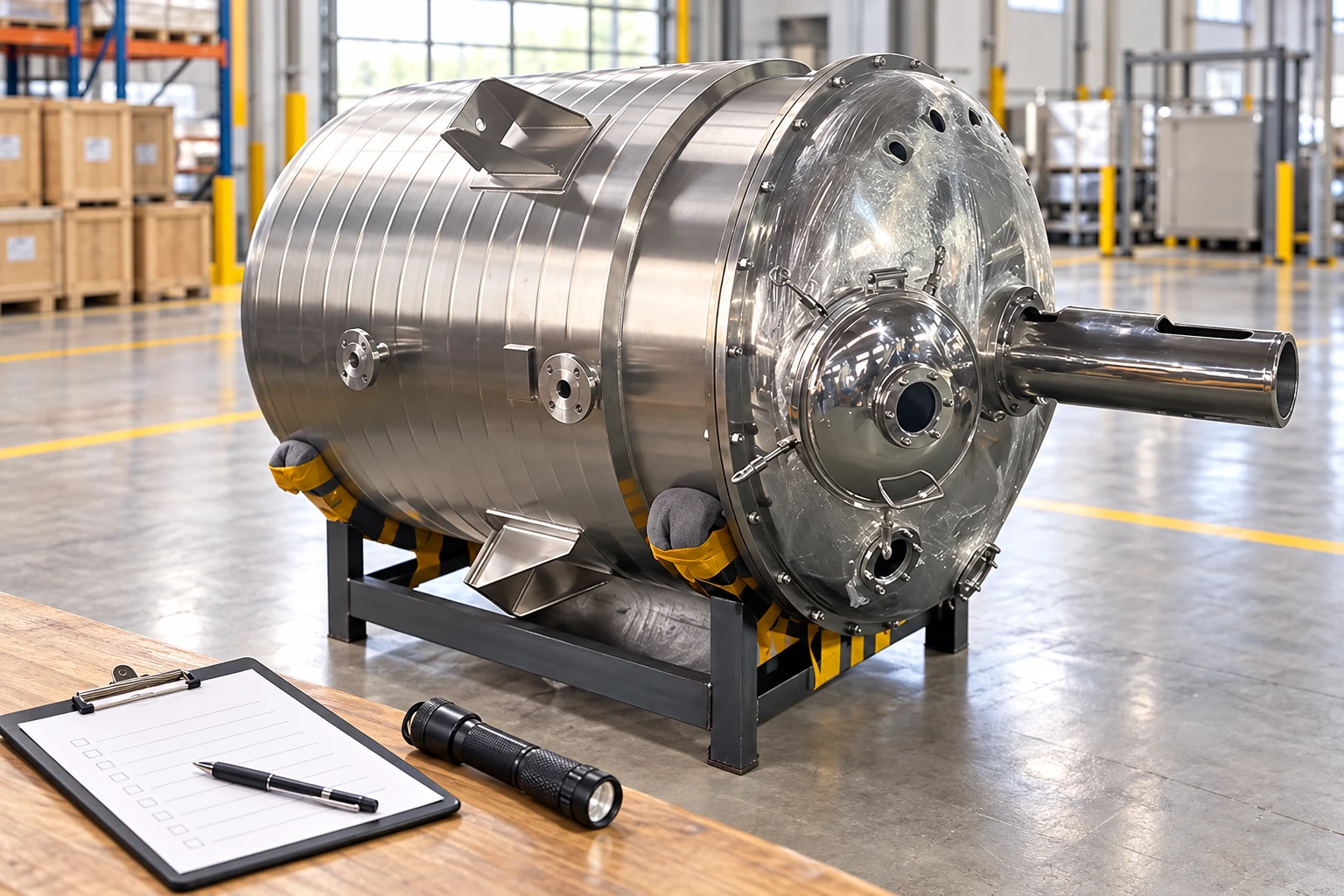
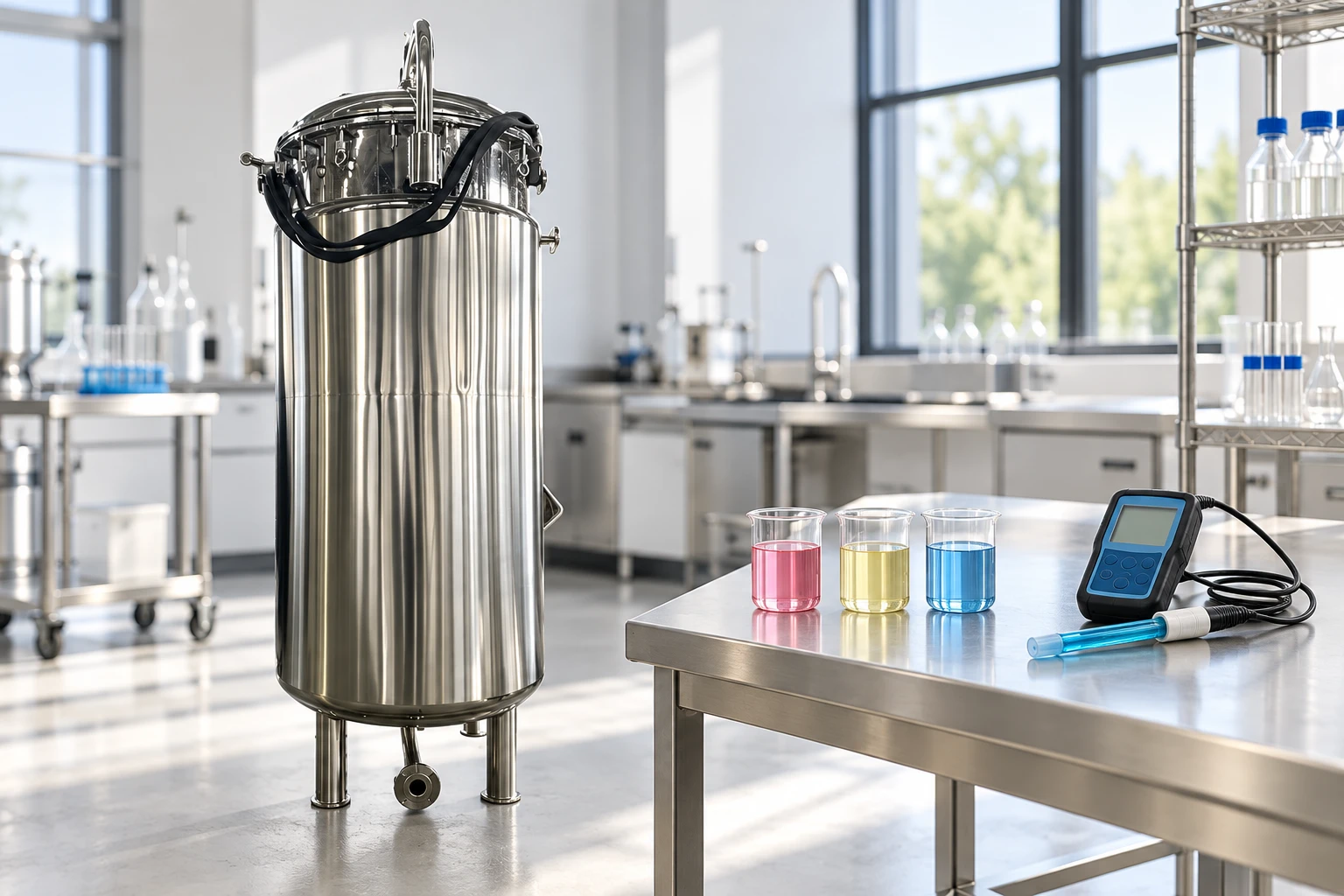
Mixing tank viscosity measurement is useful only when the sample, measurement temperature, instrument method and handling history are defined. A batch can appear thicker because it cooled after collection, rested for longer or was tested with a different instrument setting. Before changing an agitator or rejecting material, establish whether the compared readings describe the same measurement conditions. This guide explains how a production team can build a repeatable viscosity-checking method around a mixing vessel. It does not prescribe a universal spindle, speed, temperature or viscosity limit for food, cosmetic, chemical or other formulations.
Decide which production question viscosity should answer
Viscosity can support several decisions: whether a formulation reached its target condition, whether material can be transferred, whether an incoming ingredient differs from its usual behavior or whether the batch changed during a hold. These questions may require different test methods. A value that predicts filling behavior may not adequately describe mixing loads or stability during storage.
Write down the property and decision you actually need. Include the relevant product state and the consequence of a changed result. If the business requirement concerns texture, pumpability or sediment suspension, ask whether a viscosity reading alone is a suitable indicator. Avoid treating a familiar quality-control number as a complete material description. The chosen method should be justified by its relationship to the process or product requirement.
Identify whether a single viscosity value is meaningful
For some fluids, viscosity at a specified temperature can be described without substantial dependence on the applied shearing conditions. Many structured products require more information. Their apparent viscosity can depend on shear rate, and their structure may also change with time or prior handling. A single unqualified number loses those distinctions.
El NIST introduction to rheology explains the distinction between Newtonian and non-Newtonian behavior. Use that principle to decide what conditions must accompany the result. It does not establish a method for an unknown formulation. Where material behavior is complex, a qualified laboratory may need to characterize a flow curve, recovery behavior or another relevant property before the plant selects a simplified routine check.
Define the sampling point and batch state
A laboratory instrument cannot correct an unrepresentative sample. Specify where material is collected, the batch level, the operating state and the time relative to ingredient addition or an approved mixing endpoint. If the formulation can segregate, a convenient surface or outlet sample may not reflect the population relevant to the decision.
Record the sampling method with the batch identity. Do not compare material taken during active addition with material taken after a long hold without preserving that context. Use a safe, engineered collection arrangement suitable for the process. This guide does not authorize reaching into an operating vessel or opening a hazardous system. If the available point cannot represent the needed condition, address that limitation before using its measurements for release.
Control temperature through the entire measurement
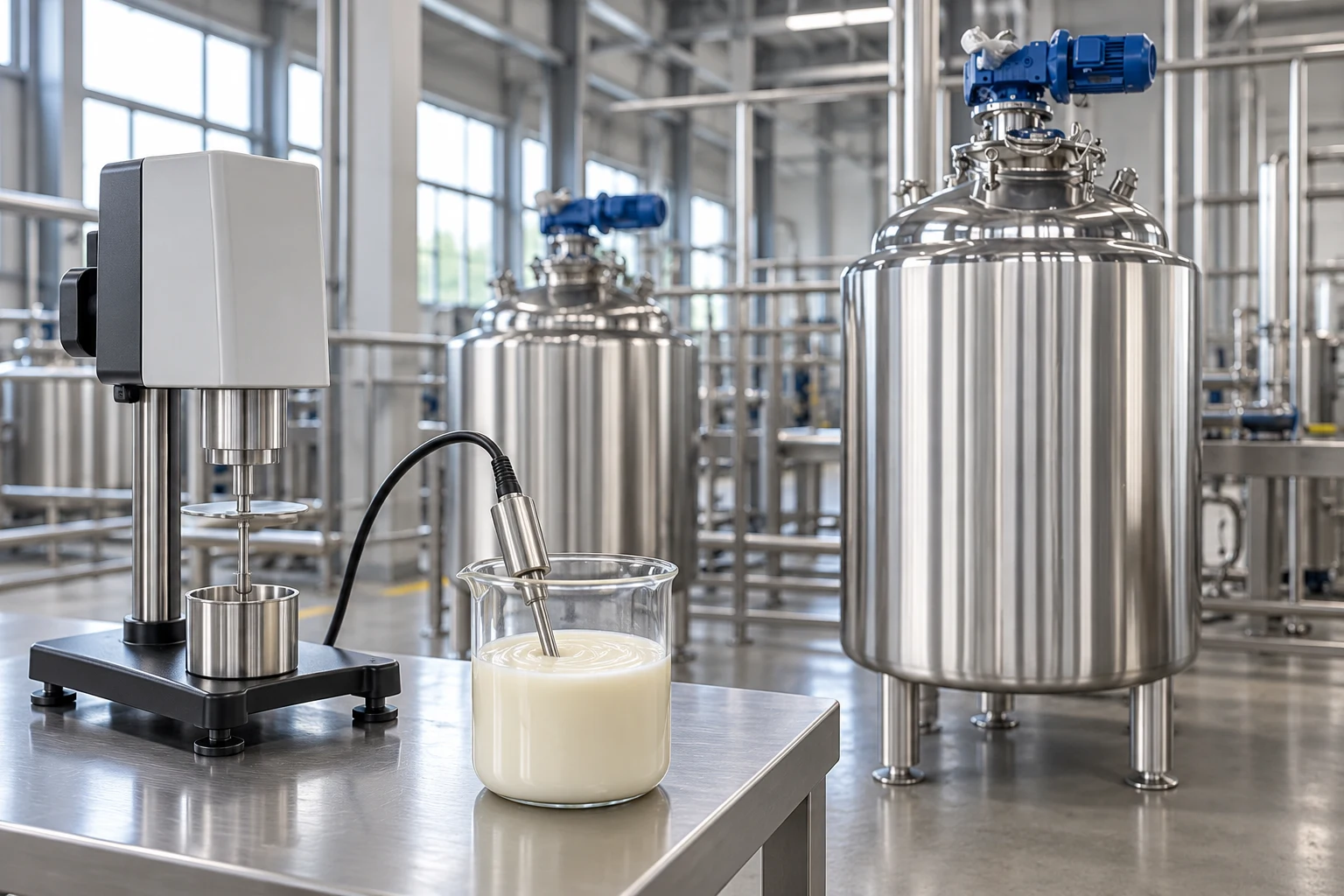
Measure and record sample temperature rather than assuming the sample has reached room temperature. The vessel temperature, transport environment, container and measurement duration can all affect the condition at the instrument. A thick sample may require a defined equilibration method, and excessive waiting can introduce a different ageing or settling effect.
Specify the temperature convention and acceptable measurement conditions in the method. Use suitable equipment to establish and observe that condition. Do not warm one sample informally while measuring another as received. If the routine process requires a rapid in-process indication, develop a method appropriate to that need rather than pretending it is identical to a separately conditioned laboratory test. Results from different conditions may both be useful, but they should be labeled and interpreted separately.
Preserve the sample’s shear and rest history
Collection, pouring, transport and preparation can change a structured material before the instrument starts. Record preparation steps such as redistribution, the time after sampling and any required rest. The method should explain whether these steps are intended to preserve the production state or create a standardized test state. Those are different objectives.
Do not mix, shake or stir a difficult sample until it gives a familiar number. Likewise, avoid selectively testing the easiest portion of a separated container. If the approved preparation cannot produce a suitable test portion, record the observation and investigate it. Reproducible preparation allows comparisons; undocumented manipulation turns the result into a description of the operator’s handling rather than the batch.
Specify the instrument method completely
For a rotational measurement, instrument configuration and settings belong in the record. The appropriate geometry, operating range and sample arrangement depend on the material and instrument instructions. Identify the actual instrument and method version, relevant settings, sample quantity or fill condition, conditioning time and measurement endpoint. Do not assume that identical displayed speed creates an identical shear condition across different geometries.
El NIST publication on a viscosity reference material illustrates how temperature and measurement conditions enter a carefully characterized viscosity measurement. It does not provide a specification for your product. Use suitable reference checks and the instrument manufacturer’s approved procedures to establish whether the instrument is functioning appropriately for the intended method. A reference check cannot by itself validate a different formulation or preparation process.
| Recorded item | Why it belongs with the result | A misleading comparison to avoid |
|---|---|---|
| Sample location and batch stage | The material may change across a vessel or cycle | Comparing an early addition sample with a finished batch |
| Actual measurement temperature | Temperature differences can change the result | Calling both samples room temperature without measuring them |
| Instrument and geometry | Different methods can impose different conditions | Comparing values from unrelated instruments without a method study |
| Setting and measurement endpoint | Apparent viscosity and time behavior may matter | Reporting only the final displayed number |
| Preparation and rest history | Handling can change material structure | Shaking one bottle but not the other |
| Result units and reporting basis | Equivalent units must be interpreted correctly | Confusing dynamic and kinematic viscosity |
This is a method-definition checklist, not a product specification or a list of universal acceptance tolerances.
Keep units and conversions explicit
Dynamic viscosity and kinematic viscosity are different properties. A conversion between them involves density under the relevant conditions. Do not substitute one for the other because the numbers look similar or because a supplier spreadsheet labels a column only viscosity. Retain the full unit with every result and state which property the method measures.
When comparing reports, check the method before converting units. A correct unit conversion does not make two different sample temperatures, geometries or shear conditions equivalent. If a legacy specification is ambiguous, resolve it through a method review and documented agreement. Do not silently reinterpret old records or create a numerical acceptance band from unrelated historical measurements. The specification should describe a test that can be repeated by the parties relying on it.
Study repeatability before setting a narrow limit
Collect repeated results under the defined method and examine where variation enters. Independent production samples can reveal collection variation. Repeated preparation from one retained sample investigates another part of the chain. Repeating the final instrument reading alone does not establish the variability of the entire production check.
Decide whether the method can resolve the difference that matters to the business. If normal method variation is large relative to that difference, improving the method is more useful than tightening the batch limit. Record uncertainty or relevant precision information in a form suitable for the decision. An acceptance rule should be established by the responsible quality and process team, with the test method’s limitations understood, rather than chosen to make a current batch pass.
Diagnose an unexpected reading in a fixed order
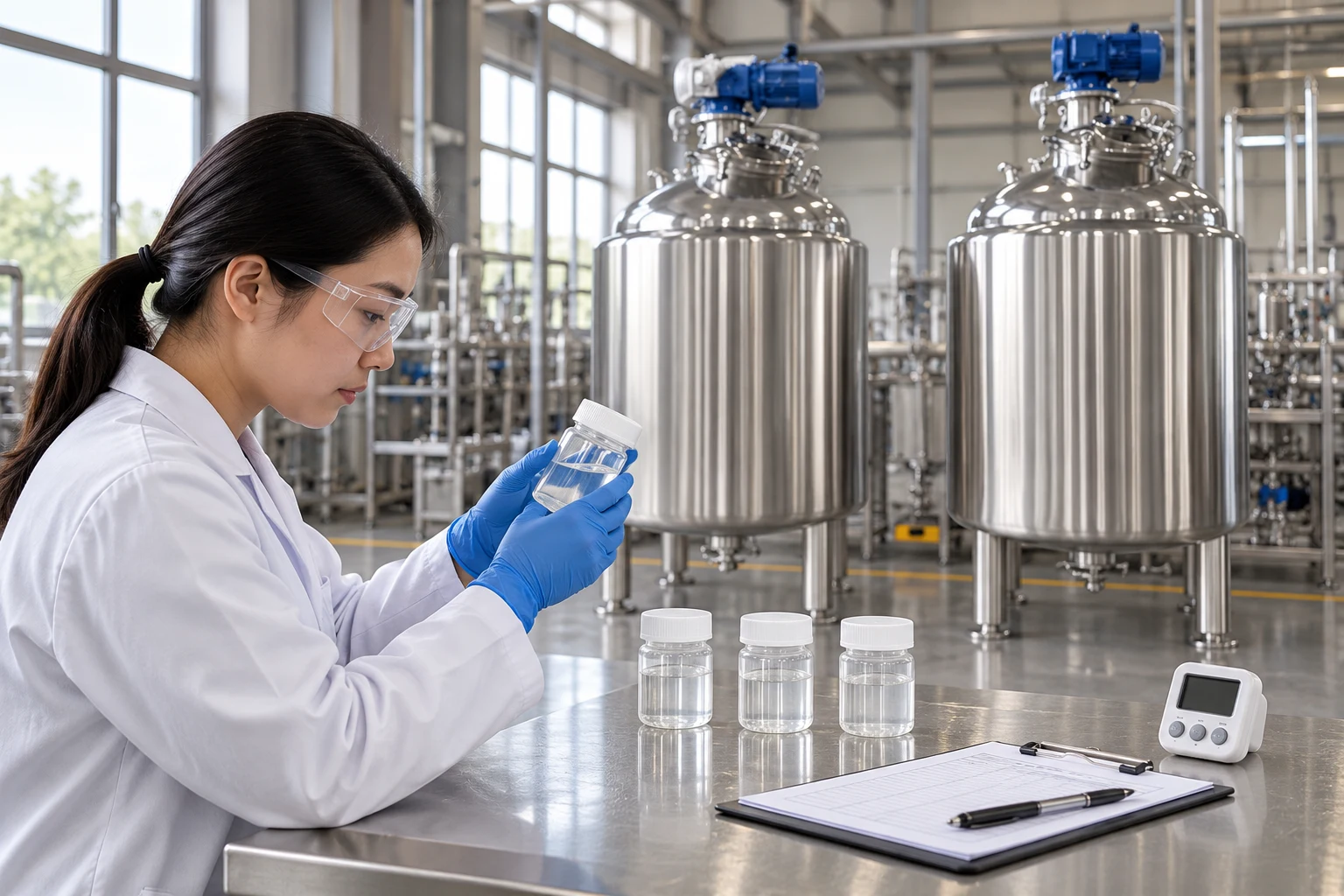
First check identity, units, method version and the measurement record. Confirm that the sample came from the correct batch and that temperature and handling matched the method. Next review instrument status and any reference checks. Then examine production changes such as ingredient condition, addition sequence, batch temperature profile or hold time.
Do not immediately increase mixing speed to force the reading toward a target. More processing can alter some materials, and it may not address a sampling or temperature error. Equally, do not dismiss a repeatable change simply because the equipment appears normal. Preserve the original result and any retest justification. An investigation should explain the evidence behind a correction, not replace an inconvenient reading with the most favorable retest.
Relate the test to mixing and transfer requirements
Routine quality-control viscosity is not automatically the correct input for an agitator or pump calculation. Equipment suppliers may need a broader description of behavior across temperature and processing conditions. Provide the actual measurement method and any available rheological data, rather than sending an isolated number without context.
Para un YIYI variable-speed mixing tank, discuss the formulation range, changing batch behavior, cleaning needs and intended acceptance method. Ask which operating and material inputs are required to evaluate the proposed equipment. The product image does not prove a supplied viscometer, an inline control loop or a guaranteed finished viscosity. Those requirements must be agreed separately and supported by suitable trials or engineering assessment.
Connect the method to related batch investigations
Utiliza el mixing-time guide when defining a blending endpoint and the powder-addition guide when the formulation changes during wetting or hydration. The high-viscosity pump-speed guide addresses a separate transfer question. A repeatable viscosity method makes those discussions more useful because it gives all parties a common description of the material being discussed.
Maintain the approved test method, instrument information, sample records and change history together. Reassess the method after a meaningful formulation, instrument or process change. Do not assume that a method established for one product automatically remains suitable for a new product family merely because both are mixed in the same vessel.
Educational reference: non-Newtonian behavior
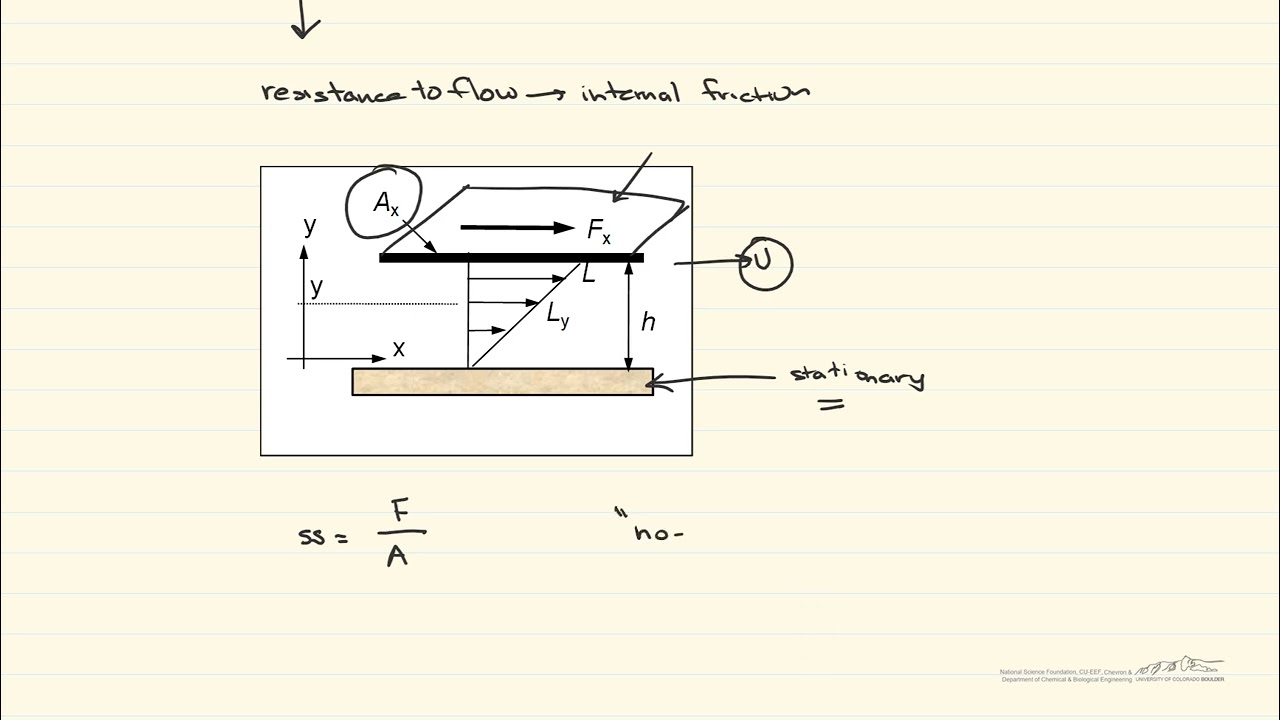
Watch Viscosity and Shear Stress by LearnChemE
The educational reference explains why shearing conditions can matter. It is not a calibration certificate or an operating limit for the illustrated mixing equipment.
Preguntas frecuentes
Can I compare two viscosity readings taken at different temperatures?
Only with a justified interpretation for the material and methods. A numerical unit conversion alone does not remove temperature or handling differences. Record actual conditions and establish the comparison method.
Is one instrument speed enough for every formulation?
No universal setting suits all materials. The geometry, operating range and purpose of the test must be appropriate. A qualified method study may be needed before selecting a routine condition.
Does a lower reading mean that the mixer damaged the product?
Not necessarily. Temperature, sample preparation, rest time, segregation or instrument conditions may contribute. Investigate those factors before assigning the change to production equipment.