Steam jacket condensate removal needs an available drainage path under the conditions that actually occur during a batch. A jacket can receive steam yet heat inconsistently when condensate remains where steam should contact the heat-transfer surface. If steam-side pressure falls as the control valve reduces demand, the pressure available to move condensate into the return system can become inadequate. This condition is often described as stall. Diagnose the complete steam-and-condensate arrangement before blaming the tank, increasing supply pressure or replacing a trap. This guide is a planning and investigation framework for qualified steam-system personnel, not a field modification procedure.
Confirm that the vessel is approved for the duty
Before investigating heating performance, obtain the actual vessel and jacket design information. The product side and the jacket are separate pressure boundaries with their own operating limits. A stainless vessel photograph, a heated-tank description or a connection size does not prove suitability for a particular steam supply. Confirm the allowable conditions, protection arrangements, inspection requirements and approved installation documentation for the specific equipment.
Also establish whether the system uses direct steam in a jacket, a steam-heated secondary-water circuit or another heating medium. These arrangements have different drainage questions. Do not apply a direct-steam diagnosis to a water-filled jacket merely because steam is used elsewhere in the plant. Where records are incomplete, resolve the design basis with the responsible supplier or engineer before conducting a pressurized investigation.
Follow the condensate from the jacket to its destination
Draw the complete route rather than reviewing the trap in isolation. Include the jacket outlet, relevant elevations, piping sections, valves, strainer if fitted, trap arrangement, check devices, receiver and return connection. Identify the pressure and condition at the destination. A condensate return header can impose a different load from an open receiver; elevation and line losses also matter.
The U.S. Department of Energy steam-system sourcebook presents steam traps and condensate return as parts of an interacting system. Its systems approach is useful here, but a generic schematic does not size a trap or approve an installation. For the actual jacket, the responsible engineer needs the operating envelope, condensate load and return conditions, including the difficult low-load state rather than only startup.
Separate the heating symptom from the suspected cause
A batch taking longer to warm may reflect more material, a colder starting temperature, a changed formulation, poorer agitation or a different steam condition. It may also reflect an instrument problem. Collect the batch record and compare like conditions before interpreting a slower temperature rise as evidence of condensate accumulation.
Record when the symptom appears. A problem only near the temperature setpoint suggests a different investigation from a problem at every operating stage. Repeated swings, noise or a changed return condition are useful observations, but none is a complete diagnosis by itself. Preserve the time relationship between product temperature, control demand and available steam-side measurements. Do not infer internal jacket pressure solely from the upstream supply gauge or a valve command.
Understand why part-load operation can be difficult
A temperature controller commonly reduces steam admission when less heat is required. The resulting conditions inside the jacket may provide less pressure to overcome the condensate return system. A trap cannot create a pressure difference that does not exist. Consequently, an arrangement that drains during a demanding warm-up may behave differently as the batch approaches its setpoint.
That explanation is a possible mechanism, not proof that every slow-heating tank has stalled. A restricted path, faulty component, unsuitable arrangement or different heat-transfer problem can produce related symptoms. Confirm the actual conditions with appropriate measurements and engineering review. Do not try to solve the problem by leaving a bypass open, defeating a temperature controller or increasing pressure beyond approved limits. Those actions can introduce a separate hazard and obscure the original cause.

Build a controlled observation plan
Select a representative, authorized batch condition and determine which information can be collected without opening or disturbing a live pressure system. Use existing suitable measurement points or an engineered temporary arrangement approved for the service. Record units, instrument identification, time resolution and known measurement limitations. A handheld surface temperature observation is not automatically equivalent to the fluid temperature inside the jacket.
Compare startup, normal heating and reduced-demand operation where the approved process permits it. Record whether return-system conditions change when other users operate. Keep the observation plan separate from any repair plan. If the investigation identifies a condition requiring shutdown, use the site’s approved response rather than continuing the test merely to complete a trend. Dangerous noise, steam leakage or an uncertain pressure boundary warrants immediate attention by responsible personnel.
| Observed pattern | Question to investigate | Evidence needed before a change |
|---|---|---|
| Normal warm-up, poor control near setpoint | Is drainage pressure inadequate at reduced steam demand? | Actual jacket and return conditions across the operating cycle |
| Poor heating throughout the batch | Is the restriction or heat-transfer limitation present at all loads? | Comparable batch data, steam availability and a reviewed drainage path |
| Problem starts after return-system changes | Has return pressure or elevation duty changed? | Updated return arrangement and measured operating conditions |
| Repeated noise or shocks | Could condensate accumulation or an unsafe transient be involved? | Qualified safety assessment and an approved investigation plan |
| Trap replacement does not resolve the symptom | Was the component blamed for a system-level limitation? | Original selection basis, installation requirements and full-path review |
| Controller demand and measured temperature disagree | Is sensor behavior or control logic contributing? | Sensor location, calibration status and synchronized trend records |
These qualitative checks organize an investigation. They are not a troubleshooting permission to operate a faulty installation or numerical acceptance limits.
Treat trap assessment as a specialist task
A steam trap has to suit its service and installation. Selection involves more than matching a connection size. The condensate load, operating pressure conditions, air-handling needs, return arrangement and maintenance access all influence the assessment. Startup and part-load conditions may differ materially. Follow the trap manufacturer’s instructions and the vessel system’s approved design requirements.
External temperature alone can be misleading. Different trap types and operating cycles require appropriate assessment methods. An apparently hot downstream pipe does not by itself prove live-steam leakage, while a cool section does not explain why drainage stopped. Record the assessment method and its limitations. If a component is removed for inspection, isolate, depressurize and otherwise make the system safe under the applicable procedure; this article does not provide a generic isolation sequence.
Include air and heat-transfer conditions in the review
The investigation should not focus exclusively on liquid drainage. Air and other noncondensable gases can affect heat transfer, and the appropriate means of managing them depends on the installed arrangement. Review the original design and operating instructions rather than adding a vent based on a generic drawing. Any change to a pressure system needs the relevant engineering and safety review.
On the product side, confirm the actual batch level, agitation condition and material behavior. If a thickening product transfers heat poorly, a steam-side modification may not solve the problem. Distinguish utility-side evidence from product-side evidence in the report. A useful diagnosis states which observations support the proposed mechanism and which alternative explanations remain open. That makes the next controlled test or engineering calculation more focused.
Recognize the water-hammer boundary
Condensate-related noise should not be treated as a routine inconvenience. The UK HSE safety notice on condensate-induced water hammer highlights the potential seriousness of this mechanism and the importance of suitable operation and maintenance. Its legal discussion is specific to its jurisdiction; applicable duties elsewhere must be established locally.
For a plant investigation, identify the responsible steam-system personnel, shutdown criteria and escalation route before testing. Retain evidence of reported shocks, changes to drainage and relevant maintenance. Do not attempt to demonstrate a suspected water-hammer event deliberately. The objective is to identify and remove unsafe conditions through a competent review, not to reproduce a hazardous transient for a convincing video or temperature trend.
Ask for a system solution with a documented basis
Potential remedies depend on the confirmed cause. A drainage-path correction, a different return arrangement or an engineered pumping solution may be considered by the responsible designer. This guide does not select one for an unknown tank. Ask the supplier to explain how the proposal works at the difficult operating condition, what information supports the selection and which safeguards and maintenance requirements apply.
After an approved change, repeat the relevant observations under comparable conditions. Confirm both product heating performance and the safe operation of the utility system. A faster batch alone does not establish that a pressure-system change was acceptable. Retain the revised drawings, component data, operating instructions and acceptance records. Include changes to the common condensate return system, since a local repair can affect other equipment sharing that system.
Prepare the vessel enquiry with the utility data
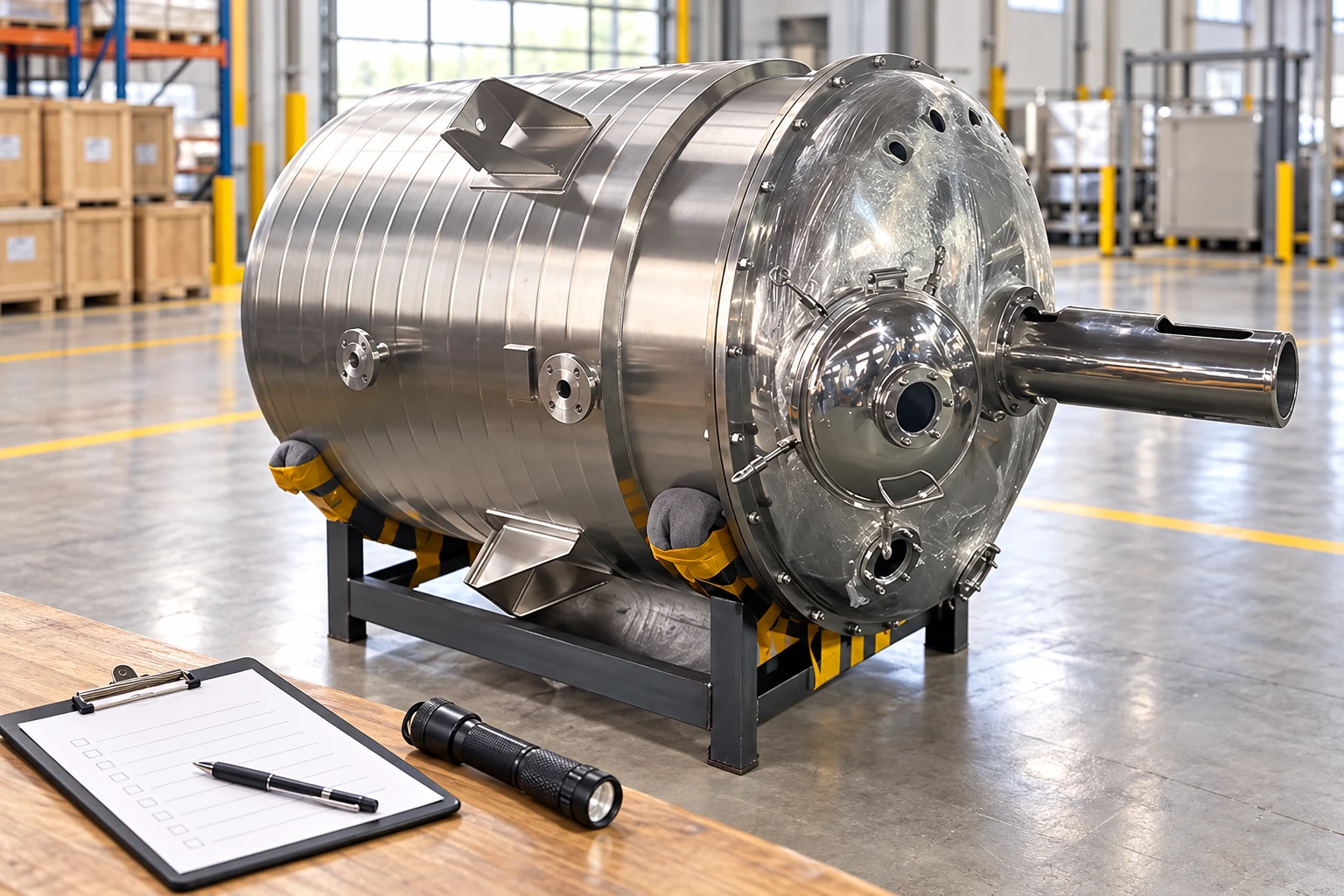
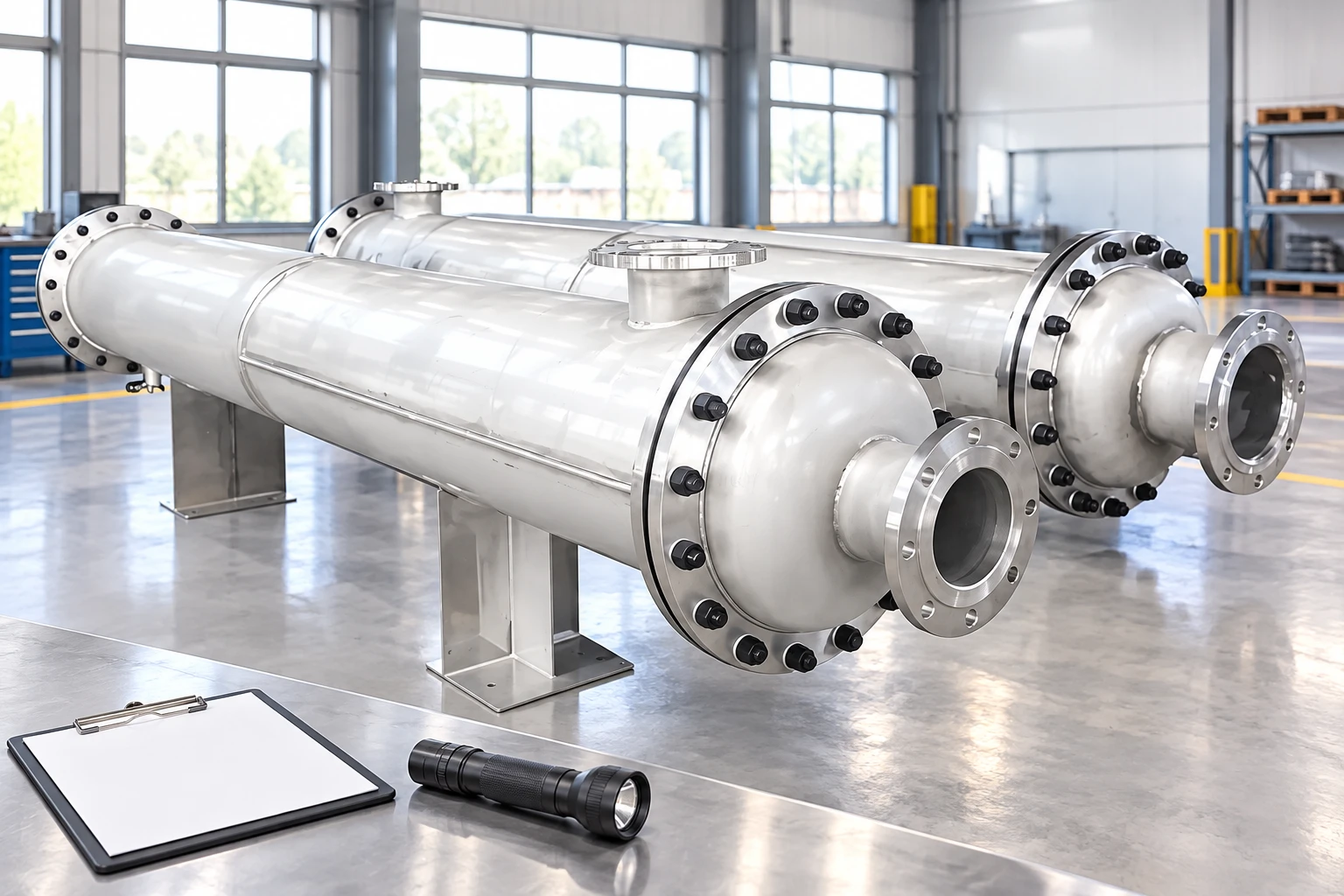
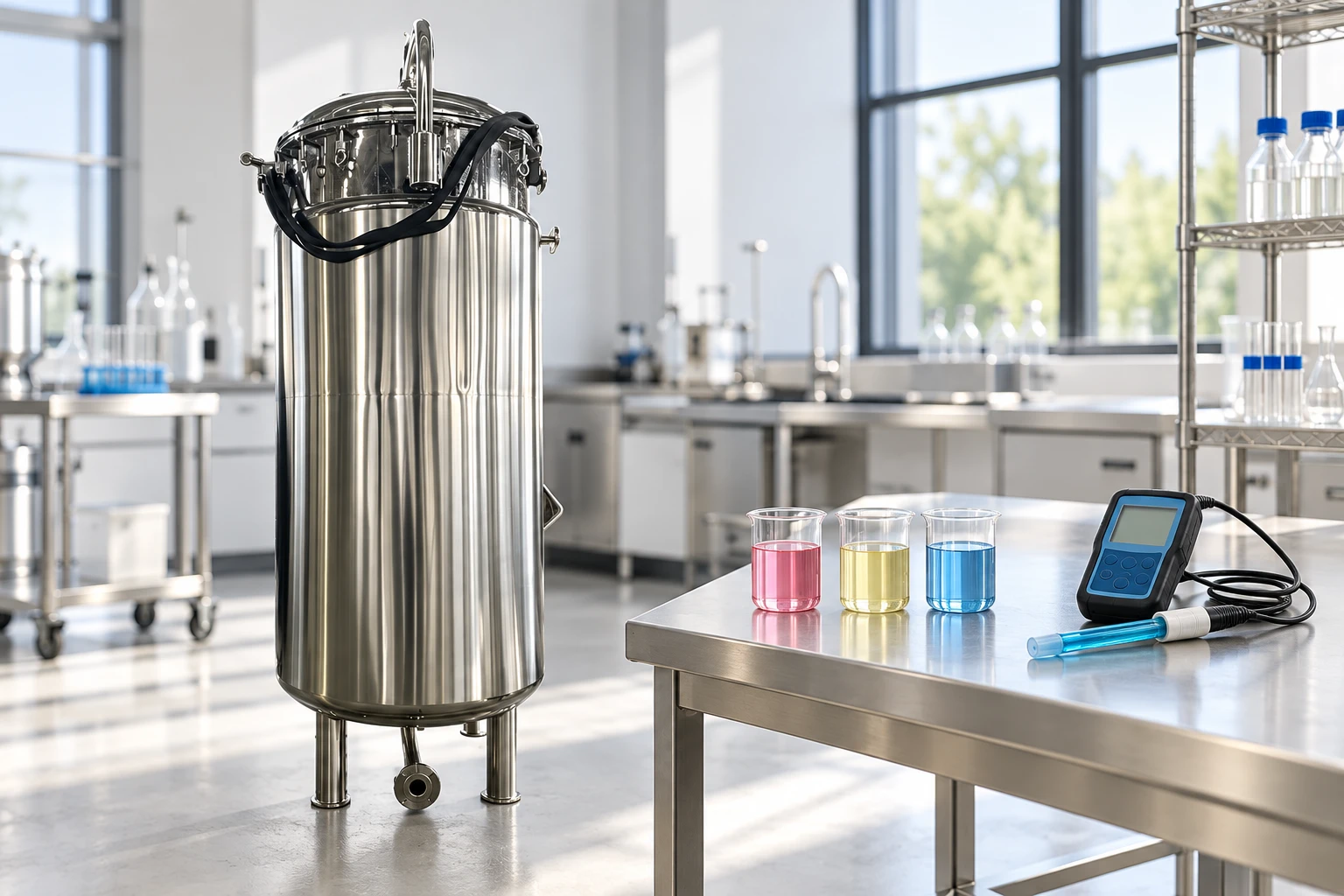
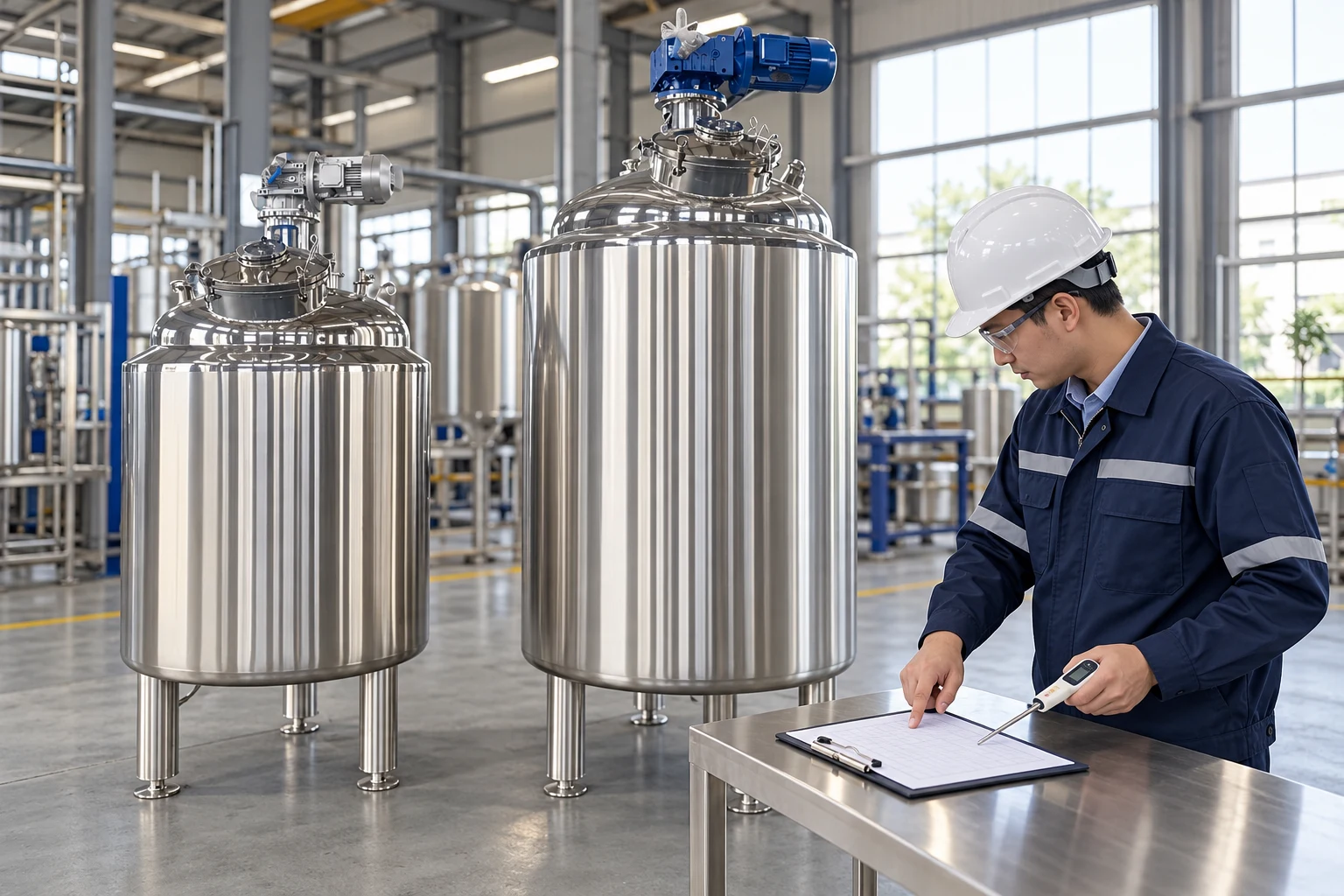
For a YIYI mixing vessel with heating options, send the required product temperature profile, batch range, available utilities and expected return arrangement. Request explicit confirmation of the proposed heating construction and its approved conditions. The illustrated reference vessels show an equipment family; their exterior appearance is not a steam-pressure rating or proof of a supplied trap package.
Use the jacketed-tank heating and cooling guide for the broader control discussion, the steam-heating comparison when selecting a heating approach, and the temperature-monitoring guide for product-measurement planning. Condensate drainage is a distinct utility-interface question that should be resolved before the equipment is commissioned.
Educational reference: steam systems
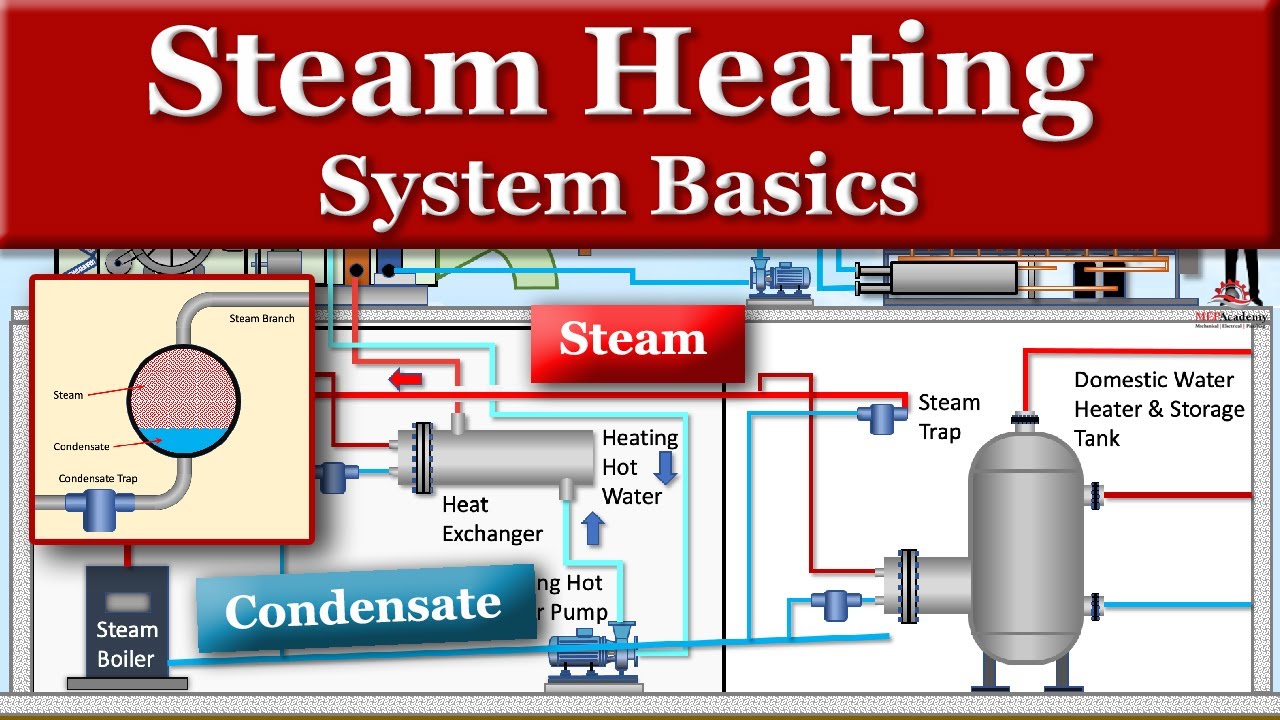
Watch Steam Heating System Basics by MEP Academy
The educational material explains steam-system principles. It does not authorize changes to an installed pressure system or establish ratings for the pictured vessels.
Frequently asked questions
Can a larger trap fix condensate stall?
Not necessarily. If the available pressure cannot move condensate into the return system, selecting a larger connection or nominal capacity does not by itself create the required driving condition. Review the complete arrangement.
Does upstream steam pressure equal jacket pressure?
It should not be assumed to do so, particularly across a modulating control valve. The investigation needs suitable measurements and a clear understanding of their locations and operating conditions.
What information should accompany a slow-heating complaint?
Provide comparable batch records, the heating arrangement, approved design limits, the steam-and-condensate drawing, return conditions and synchronized observations. Report noise, leaks or other safety concerns separately and promptly.