Mixing tank maintenance that continues across a shift change needs a clear decision about the work permit, the equipment condition and responsibility for the unfinished task. A new crew should not assume that yesterday’s authorization remains valid simply because the job number is unchanged. Record the actual stopping point, apply the site’s suspension or continuation procedure, and obtain the required review before work resumes. This guide explains how buyers and maintenance planners can prepare a useful handover package. It does not authorize maintenance, define a universal permit duration or replace the site’s competent isolation and permit arrangements.
Start with the unfinished task
A maintenance order can contain several activities with different stopping points. A drive inspection may be complete while a replacement component is still awaiting verification. A vessel opening may remain under controlled access even though no one is working nearby. Describing the entire order as “ongoing” hides these differences. Divide the work into identifiable tasks and describe what has actually been completed, what remains disturbed and what is waiting for a decision.
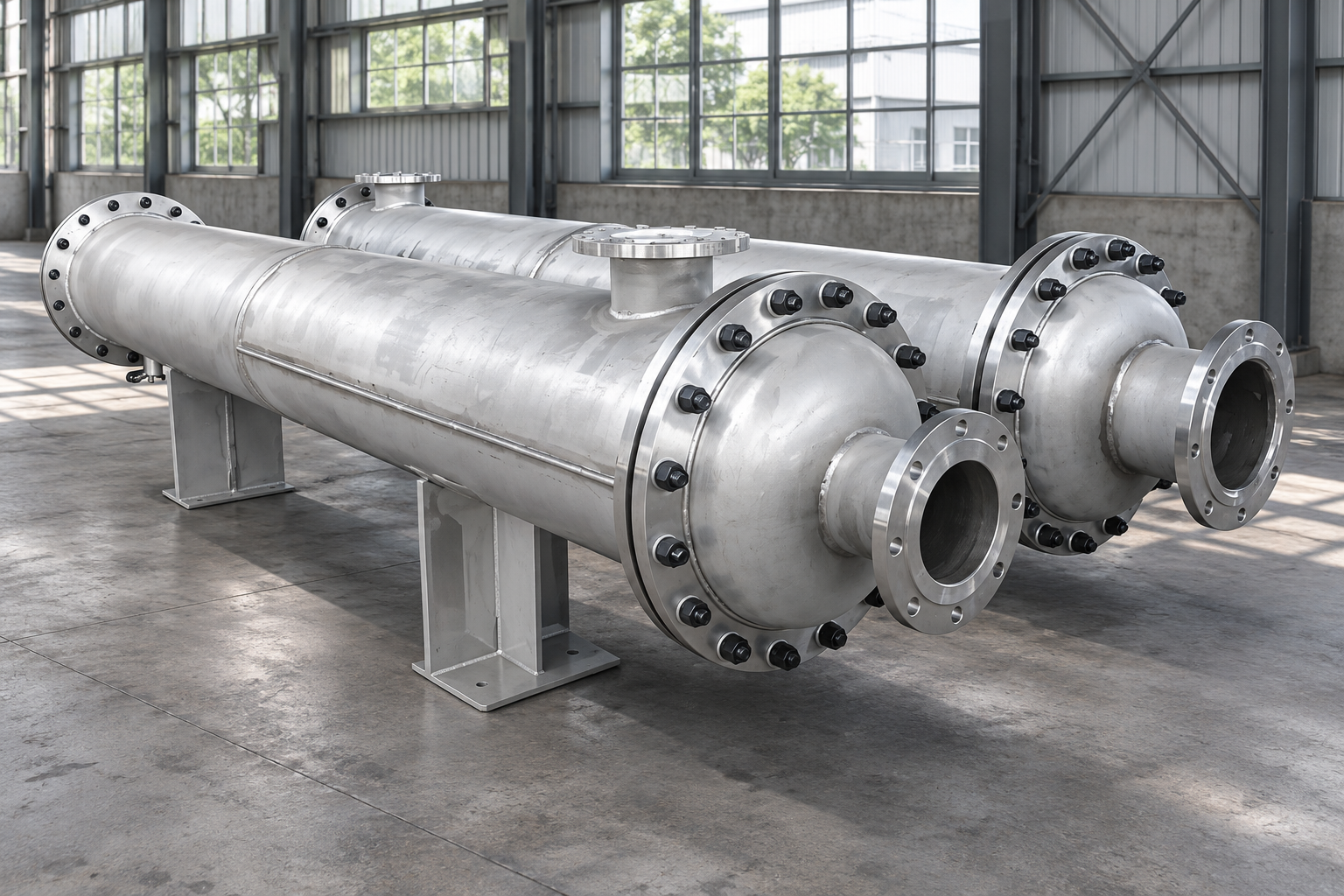
For a mixing tank, use the equipment tag, applicable drawings and the work description together. A product photograph helps establish the equipment family but cannot establish installed energy sources, the position of an isolation device or the status of a permit. The public mixing tank overview provides equipment context; the handover must describe the particular installed asset.
The outgoing planner should distinguish a planned pause from a change that invalidates the agreed work scope. Waiting for an approved spare part is different from discovering an undocumented connection. Both need an explicit status, but the second may require technical reassessment before the original work package can be used again. Do not let a scheduling label conceal the reason for stopping.
Decide how the permit changes hands
The site’s procedure determines whether the permit may continue, must be suspended, requires revalidation or needs replacement. These terms should have defined meanings in the local system. A supplier’s customary shift length does not establish the validity of the owner’s permit. Likewise, an electronic work order remaining open does not demonstrate that its associated permission to work remains active.
HSE’s guidance on permit-to-work systems addresses handover where work crosses shifts and the need to communicate ongoing work and plant condition. It is guidance developed for petroleum, chemical and allied industries, rather than a universal mixing tank operating procedure. Use it to review the quality of the site’s arrangements without copying a generic authorization period into an equipment instruction.
Keep three decisions visible: who controls the equipment while work is paused, who can authorize continuation, and who receives the updated work status. The person receiving the maintenance notes may not be the person authorized to revalidate the permit. Record these roles separately so a signed delivery of information is not mistaken for approval to restart.

Describe the stopping point in physical terms
Use short statements that another competent person can check against the equipment records and the controlled worksite. “Upper drive inspection complete; component verification outstanding” communicates more than “motor work nearly done.” State whether any parts remain removed, which inspection results remain unaccepted and where the associated records can be found. Avoid claiming a guard, connection or opening is restored unless restoration has been confirmed through the appropriate process.
The handover record should also say what the outgoing team has not established. For example, a spare component may be present in stores but not yet confirmed against the required revision. Record the part as awaiting approval rather than describing it as ready. A factual uncertainty is easier to resolve than an optimistic completion statement that has to be corrected later.
Photos can support these descriptions when obtained under the site’s rules. Label each image with the asset, task and capture time in the work record. Do not rely on a close photograph of a drive to identify a distant valve or shared supply. A photograph is a record of the visible scene; it does not replace the checks required to establish a safe condition.
Build a handover record that supports a decision
The following table is a practical planning aid. Its fields should be adapted to the local permit system and the actual work. It contains no prescribed test values or permit duration. The underlying communication principles are explained in HSE’s shift handover guidance.
| Record item | Useful entry | Question for the incoming reviewer |
|---|---|---|
| Equipment and task | Asset tag, work order and exact activity | Is this the same installed equipment and work boundary? |
| Stopping point | Completed steps and disturbed components | What remains unfinished or unavailable? |
| Permit status | Local status, reference and authorized controller | Is continuation allowed under the current procedure? |
| Linked controls | References to isolation and related permits | Are shared controls and other jobs accounted for? |
| Outstanding evidence | Missing drawing, part approval or inspection result | Who must resolve it before the next step? |
| Receiving responsibility | Named role and acceptance record | Has the new team understood the work condition? |
| Restart decision | Required review and recorded outcome | What authorizes the specific next activity? |
Keep the record concise enough to use at the handover meeting. Large attachments should be referenced with a document identifier and revision rather than copied repeatedly into free-text notes. If the same fact appears in several systems, define which record controls and how the others will be updated. Conflicting copies create work for the incoming team and can conceal an unresolved change.
Check interactions with other work
A mixing tank can be part of a larger installation with transfer equipment, utilities and neighboring maintenance tasks. The shift handover should identify relevant interactions through the site’s controlled records. It should not invent a standard list of connections from the tank’s appearance. A shared control or supply may affect another task even when the physical work areas are separated.
Ask the coordinating authority which related jobs remain active, which have been completed and which have changed since the original briefing. If another activity changes the assumptions of the work package, refer the issue for review before continuation. The purpose is to preserve a common understanding of the installation, not to make an incoming contractor reconstruct the entire project from scattered messages.
This review complements maintenance isolation point identification. Identifying an interface during planning is distinct from confirming the actual controls at the job. Both records should be traceable, but neither should be substituted for the other. Avoid instructions to transfer locks or defeat controls in a general purchasing article; those actions belong to trained personnel following the applicable site procedure.
Use two-way communication at the change of shift
Send the written record early enough for the receiving team to review it. During the handover, ask the incoming representative to describe the unfinished task, the restrictions and the next permitted decision in their own words. Questions reveal missing context before it becomes an assumption on the worksite. Resolve discrepancies through the responsible authority and update the controlling record.
Where a contractor changes personnel, confirm that the incoming team has the information and competence required for its assigned work. An approved company name does not automatically establish the competence of every replacement person. The separate subcontractor substitution review addresses that appointment issue. Keep the permit handover focused on the actual work condition and current authorization.
For remote handovers, identify how the receiving team will ask questions and how unresolved items will remain visible. A message marked delivered is weak evidence of understanding. If an important fact cannot be confirmed, record the limitation and keep the affected activity subject to the site’s restriction until the competent reviewer resolves it.
Keep paused work distinct from completed maintenance
A shift ending is not the same event as handing equipment back to production. The records should distinguish a suspended task, a completed maintenance activity and an accepted return to service. These statuses may involve different people and different supporting evidence. A tidy work area alone does not demonstrate that every required check has been accepted.
The planning team can help by defining the evidence expected at each milestone before the shutdown begins. This might include a component identity confirmation, a completed inspection record or an agreed functional verification record, depending on the actual job. The responsible technical personnel determine the appropriate checks. Do not invent a universal restart test from an article or a supplier brochure.
If the incoming team discovers that the written status does not match the equipment, preserve the discrepancy as an issue to resolve. Correct the record through its controlled process, retaining the earlier version where required. Reconstructing the handover later from memory is less reliable than recording the uncertainty when it is found.
Watch a regulator explanation of isolation
The SafeWork NSW video below introduces simple isolation principles. It supports understanding of why work status and energy controls matter, but it does not define a shift handover procedure or authorize a mixing tank task. The article remains usable without the video, and the installed equipment requires its own approved arrangements.

SafeWork NSW: Simple isolation.
Prepare the maintenance inquiry before the outage
When asking an equipment supplier for maintenance information, provide the asset identity, available drawing revisions, the work objective and the expected shift pattern. Ask which instructions or component records apply to the supplied configuration. Explain any known modification so the supplier does not answer against an earlier arrangement. Keep confidential operating information within the agreed inquiry channel.
Separate the supplier’s technical response from the owner’s work authorization. The supplier may clarify a component or drawing while the site remains responsible for the permit system and job coordination. Agree who will resolve questions outside normal working hours and how a delayed response affects the schedule. This makes the handover manageable without promising uninterrupted work regardless of the evidence available.
FAQ
Does a work permit automatically expire at every shift change?
The applicable site procedure determines validity, suspension and continuation requirements. Do not assume either automatic expiry or automatic continuation. The incoming responsible personnel need a clear record of the current authorization and work condition.
Is a signed maintenance log enough to restart work?
A log can record information, but it does not replace required permit review, equipment checks or authorization. Confirm what the signature means in the local system and which decision allows the specific next activity.
What should happen when the outgoing team cannot confirm a detail?
Record the uncertainty, identify the responsible reviewer and keep the affected activity restricted under the site’s procedure. Do not replace missing evidence with an assumption that the previous shift must have completed the check.