Review heat exchanger replacement fastener material documentation by matching the approved part requirement to the delivered fastener and its supporting records before installation. Confirm the exchanger identity, exact joint, specified fastener and nut requirements, traceability evidence and authorized acceptance. A material document with impressive test results is not useful if it cannot be linked to the supplied items. A bolt that fits the hole is not automatically an acceptable replacement. Where identity, material or approval is uncertain, hold the items for competent review rather than using appearance as evidence of suitability.
This guide addresses the receiving and planning stage of a replacement job. It is not a bolting procedure, torque chart or engineering approval for a material substitution. The applicable equipment documents, design requirements, manufacturer instructions and responsible engineering review govern the actual work.
Start with the exchanger and the exact joint
Record the equipment tag, serial identifier, drawing reference and joint location. A shell-side connection, channel closure and support attachment can have different functions and requirements. The phrase heat exchanger bolts is therefore too broad for a purchase order. Use a marked drawing or an approved parts list to establish what is being replaced.
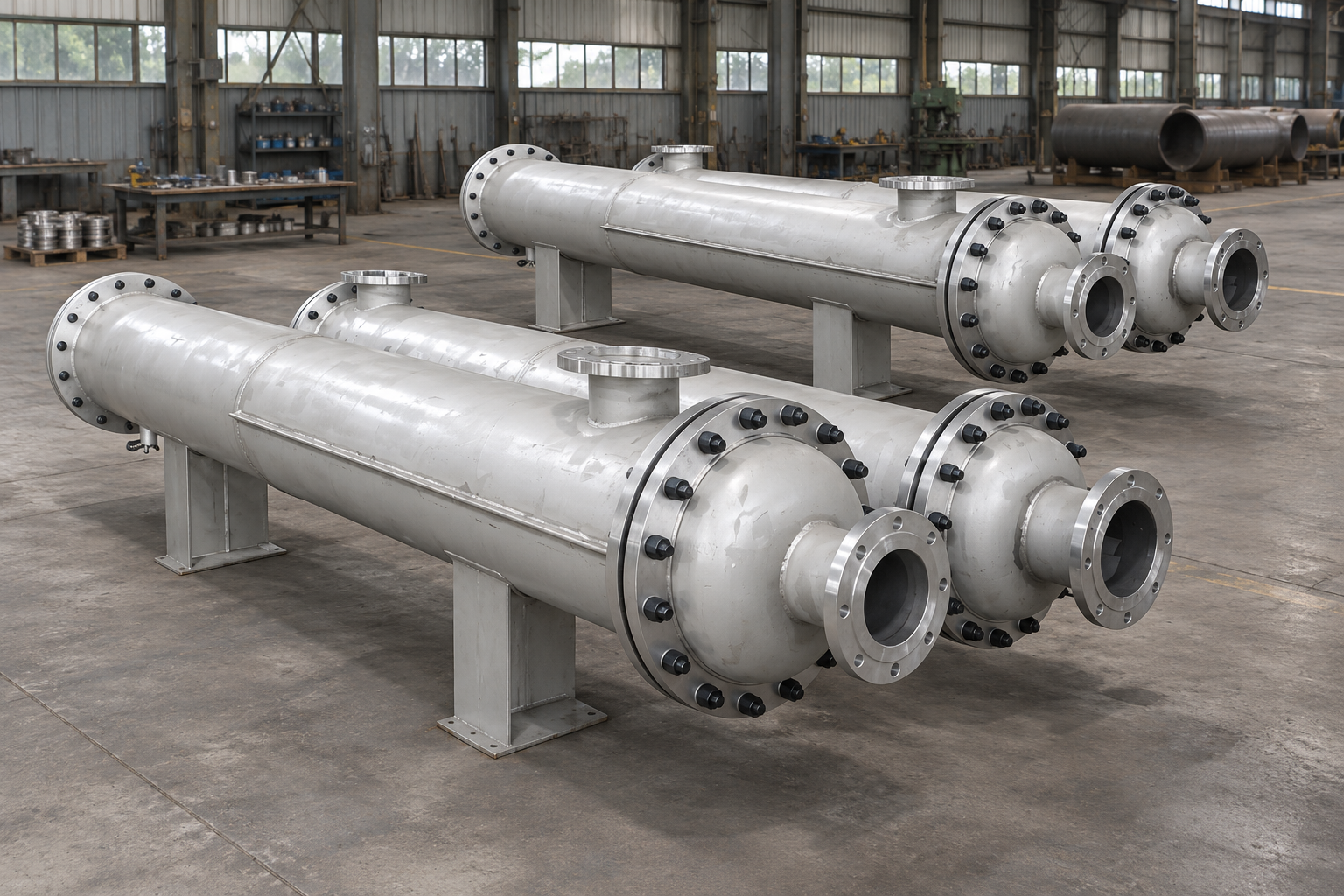
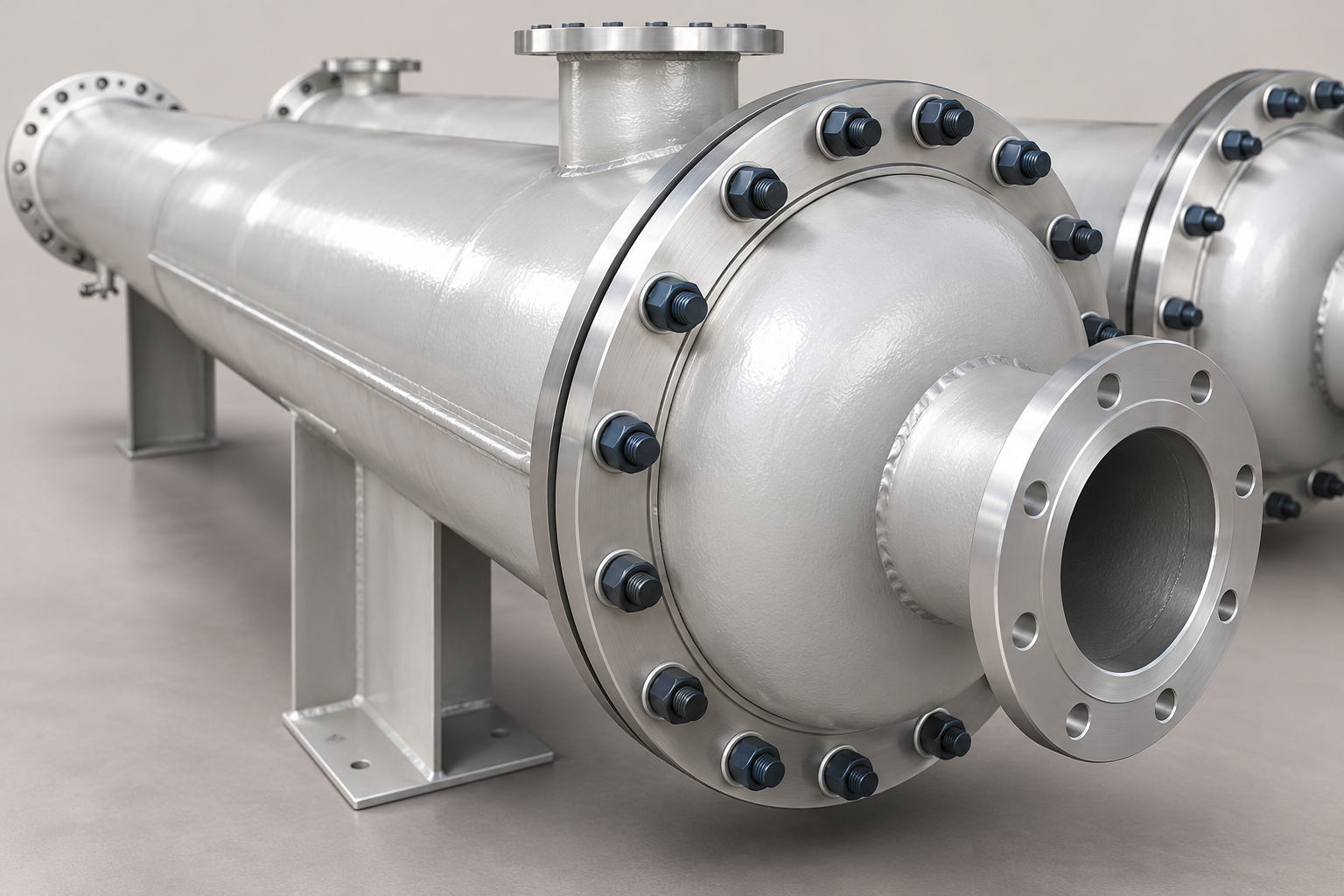
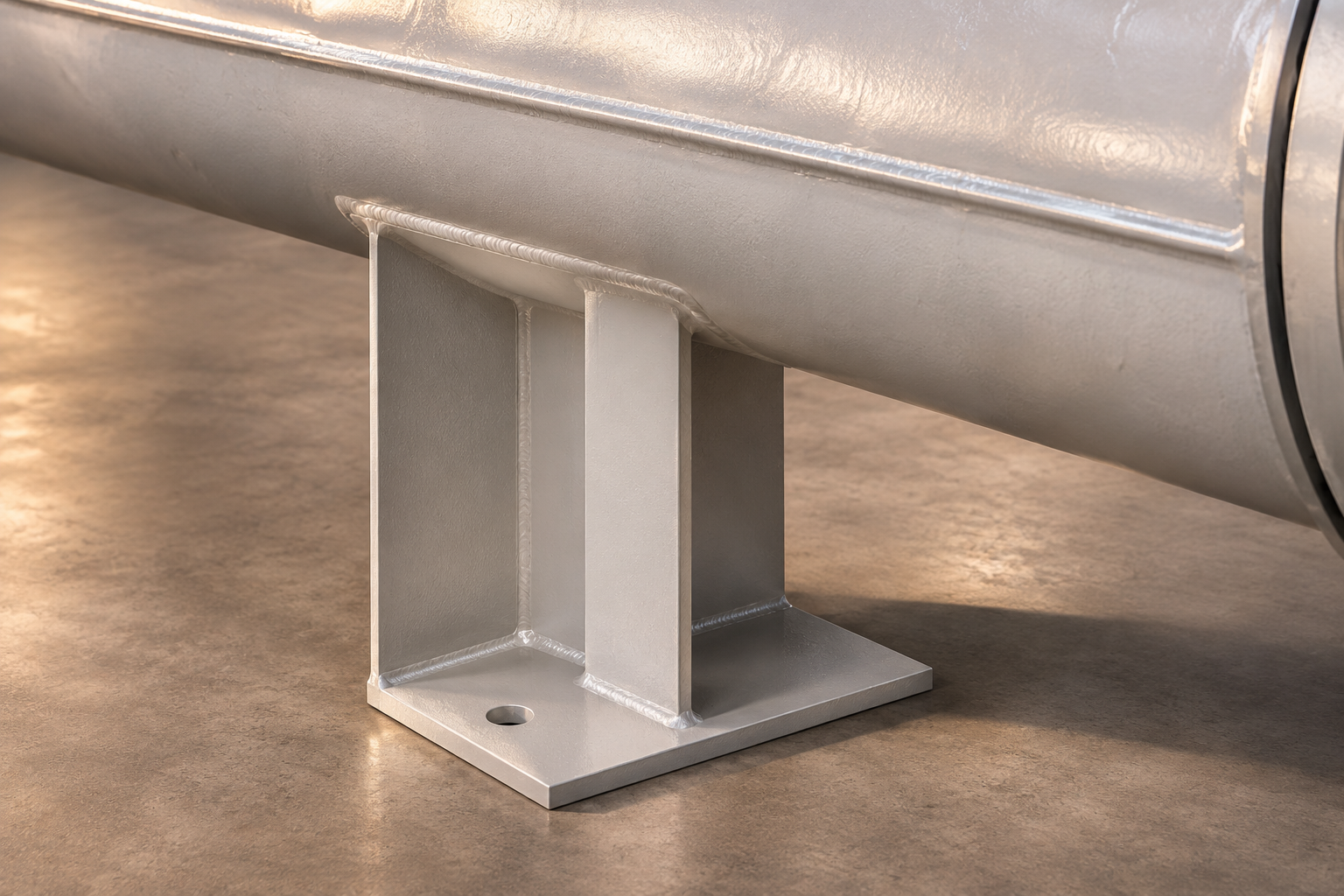
The public fixed tube sheet shell and tube heat exchanger photograph shows bolted external connections and mounting supports. It does not establish the fastener material, pressure design basis, nut grade, coating or required tightening method. Request the actual documentation for the specific unit rather than assigning those properties from the image.
Keep shell-side and tube-side identification clear when preparing the work pack. Similar-looking fasteners from adjacent joints should not be pooled into one unidentified container. An equipment tag and a joint identifier make the receiving decision useful later when a technician needs to select the correct replacement set.
Define the approved requirement before requesting certificates
Obtain the applicable drawing, parts list or written manufacturer requirement. Identify the required material specification and grade, dimensions, thread details, matching nut requirement and any specified surface treatment. Confirm whether washers or other components are included. Where the documents conflict, resolve the conflict before treating either version as the purchase basis.
Do not convert a previous maintenance note into an approved design specification without review. An old purchase description may describe what was bought, rather than what was authorized. Likewise, a warehouse bin label can help find stock but does not independently establish the suitability of every item in the bin.
Use the shell and tube heat exchanger maintenance guide for the broader service-planning context. This article concentrates on documentary identity and approval of replacements. It does not decide whether an exchanger should be opened, which fasteners may be reused or what inspection is required after reassembly.
Distinguish material evidence from replacement approval
A material record can describe a heat, lot or tested item, depending on its scope. Read what it actually covers. A generic data sheet explains a material family; it does not identify delivered stock. A supplier declaration can be useful evidence, but its meaning depends on the purchase requirement and the documented traceability arrangement.
Replacement approval is a separate decision. The responsible engineer or other authorized party needs to compare the evidence with the applicable requirements and the intended service. A different alloy, strength class, finish or manufacturing route must not be accepted merely because someone describes it as equivalent or stronger. Suitability can involve several interacting requirements beyond a single strength value.
For UK pressure systems within its scope, HSE’s Safety of Pressure Systems guidance addresses maintenance, modification, repair and records. Its jurisdiction and applicability must be assessed for the actual installation. It is not a universal fastener specification and does not provide a blanket approval for any proposed replacement material.
Build a practical receiving review
The following qualitative checklist is a suggested purchasing and maintenance control. It does not prescribe a certificate type or acceptance limit. Those requirements must come from the approved equipment and purchase documents. Record the actual evidence reference for each check rather than simply marking every row satisfactory.
| Review item | Evidence to compare | Action when the evidence does not agree |
|---|---|---|
| Equipment and joint | Equipment tag, drawing and approved work scope | Clarify the intended installation location |
| Part requirement | Approved specification, grade and dimensions | Obtain a controlled requirement before acceptance |
| Delivered identity | Packaging, item markings and delivery references | Segregate unidentified or mixed items |
| Material documentation | Applicable heat, lot or item references and declared scope | Request a documented traceability explanation |
| Matching components | Nut, washer and coating requirements where specified | Resolve missing or substituted components |
| Document status | Revision, completeness and authorized issuer details | Obtain the correct record or clarification |
| Acceptance | Named review decision and any conditions | Keep the replacement on hold until disposition |
The emphasis on planned maintenance and competent execution is consistent with HSE’s work-equipment maintenance guidance. The detailed receiving arrangement should fit the site’s quality system and the specific job. Do not claim that completing this example table satisfies every applicable code or inspection obligation.
Maintain traceability through storage and issue
Even a well-reviewed delivery can lose its identity after packaging is opened. Decide how the approved items will remain linked to their records when stored, counted and issued. Use the site’s controlled identification method. Preserve the supplier labels where they form part of the evidence chain, and record any authorized repackaging.
Check for mixed stock. Two packages with similar dimensions can contain different material grades or surface treatments. A partly used box may contain returns from an earlier job. If items cannot be linked to the accepted delivery, do not reconstruct their identity from color, magnet response or memory. Route them through the site’s unidentified-material process.
At issue, record the job and joint to which the accepted set is assigned. If the plan changes and the fasteners return to stores, preserve that movement in the same control system. The objective is that a future reviewer can connect the installed replacement, the receiving decision and the supporting documentation without relying on an individual’s recollection.
Handle substitutions as a separate engineering question
A supplier may propose a different grade because the requested item is unavailable. Keep that proposal separate from an acceptable delivery against the original order. Ask for the complete proposed identity, documented differences and the reason for the change. Send the information to the party authorized to assess the equipment and service.
Avoid a decision based only on the phrase stainless steel. That description does not resolve the required mechanical properties, service environment, temperature considerations, surface condition or compatibility with the joint design. The engineer may need information that is absent from a standard commercial quotation. Purchasing should record the decision, rather than make the technical approval by changing an order description.
Where a substitution is approved, ensure the authorization identifies the equipment, joint and scope. Confirm which work instructions and records need updating. If approval is conditional, carry the conditions into the work pack so they are visible at installation. A quotation email should not become the only surviving evidence of a material change.
Keep documentation review separate from installation readiness
Accepted fasteners do not make a joint ready to assemble. The maintenance team still needs the applicable procedure, equipment condition assessment, isolation arrangements, tools and authorized personnel. Do not derive tightening values from the material document. A material grade alone does not establish the approved assembly method or the actual joint condition.
Coordinate the replacement records with the heat exchanger pressure-gauge calibration traceability review if subsequent testing is planned. Use the hydrotest report and instrument-record reconciliation guide to organize that evidence. Whether testing is required, and how it is performed, remains a decision under the applicable equipment requirements and authorized procedure.
Do not use a successful test as a substitute for missing material identity. A particular test records performance under its stated conditions; it does not automatically establish every property of an unidentified replacement. Keep material acceptance, installation completion and any required examination or test as distinct records with clear links.
Ask for a quotation that can be reviewed
Provide the equipment tag, joint reference, approved part description, quantity and required documentation scope. Include the relevant controlled drawing extract where authorized. Ask the supplier to state any proposed departure explicitly, rather than burying it in a general condition or a shortened item description.
For a new exchanger inquiry, request the parts and documentation arrangements needed for future maintenance. Describe the intended service and the plant’s record requirements without assuming a public listing includes a particular code certificate or replacement package. A useful supplier response identifies what is included, what needs engineering confirmation and which information the purchaser must provide.
Further learning: maintenance energy control
The neutral educational video below introduces energy-control principles relevant to maintenance planning. It does not provide a heat exchanger opening sequence, certify isolation or approve a replacement fastener. Follow the installation’s specific safe-work arrangements and competent instructions for the job.
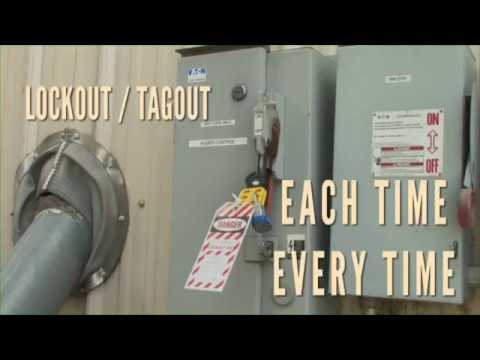
U.S. Agricultural Safety and Health Centers: Control of Hazardous Energy for lockout/tag out.
FAQ
Is a material certificate enough to approve replacement bolts?
No. The record must be relevant to the delivered items and compared with the approved equipment and purchase requirements. Material evidence and replacement authorization serve different purposes. Resolve unidentified stock, document mismatches and proposed substitutions before installation.
Can I use a different grade if its stated strength is higher?
Do not make that substitution without the required engineering authorization. Strength is only one consideration, and the replacement must suit the joint design and actual service. Record the complete proposed difference and obtain the applicable approval before changing the purchase or work basis.
What should I send with a replacement fastener inquiry?
Send the exchanger identity, exact joint reference, approved part requirements, quantity and required documentation scope. Include relevant controlled drawing information where permitted. Ask the supplier to identify substitutions clearly so they can be reviewed before the items are accepted.