Storage tank lifting accessory examination record identity checks connect each selected sling, shackle or other accessory to the examination evidence that actually covers it. Start with the physical item identifier, then compare the report, its scope, relevant dates, findings and restrictions. A current-looking document for a similar item is not enough. Keep unresolved accessories out of the released lifting set until the responsible competent person resolves the issue. This is a document and identity review for a planned operation; it does not calculate lifting capacity, select lifting points or authorize a lift.
Separate the tank, the accessory and the lifting operation
The tank has its own identity and approved handling information. Each lifting accessory has a separate identity and condition history. The operation brings these together through a lift plan, suitable equipment and competent people. Keeping these records separate makes it easier to see exactly which question remains unanswered when a delivery arrives with a folder of mixed certificates.
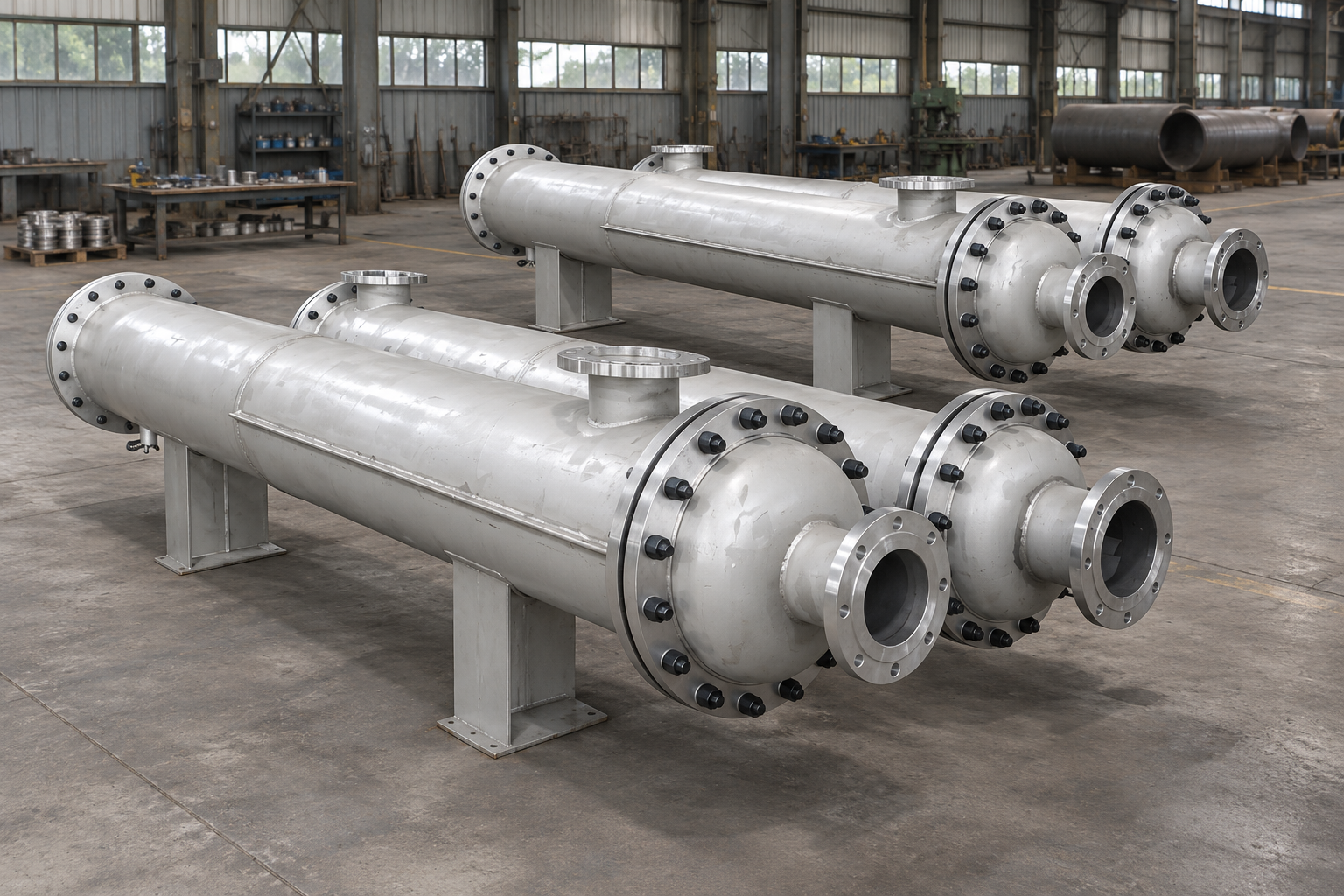
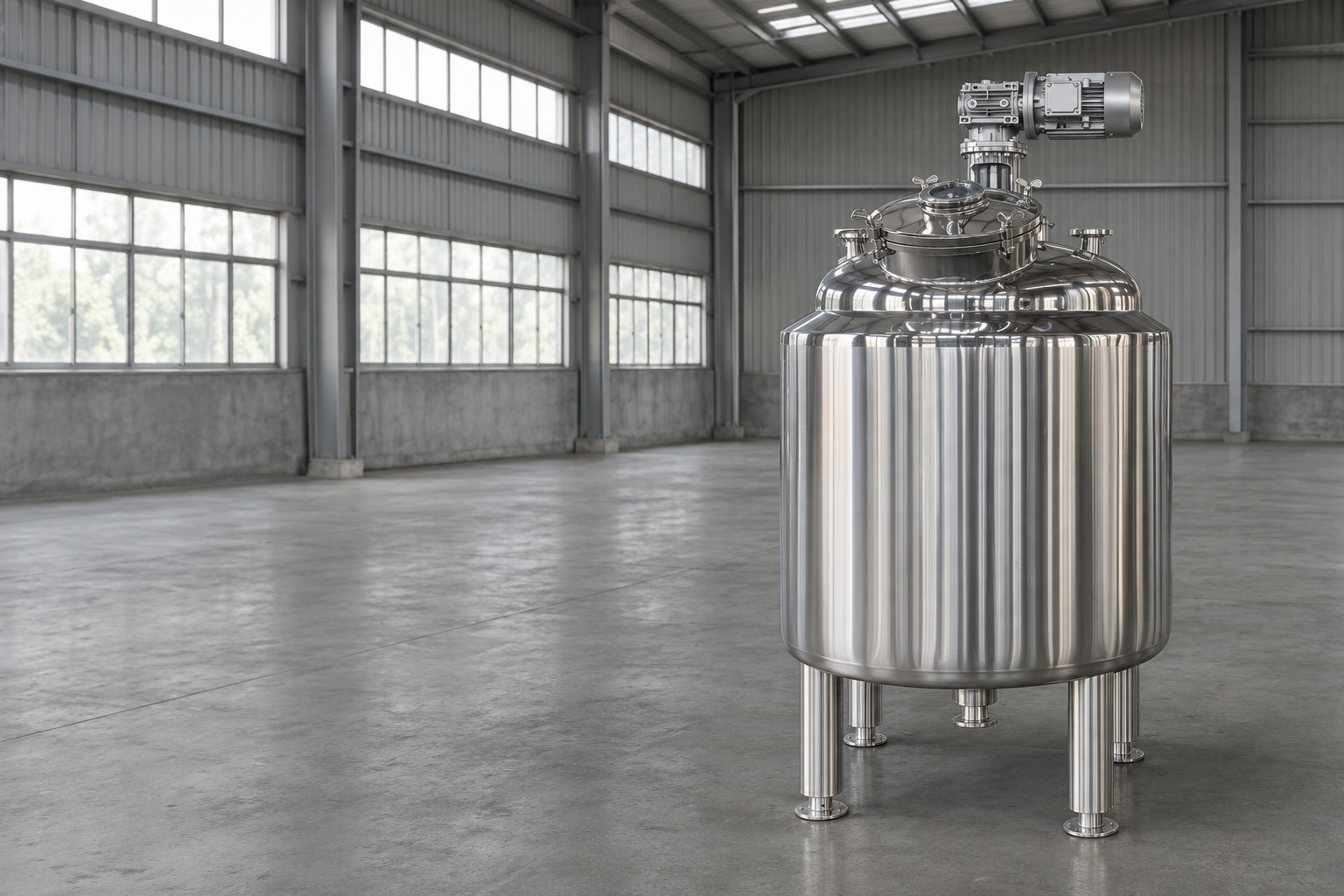
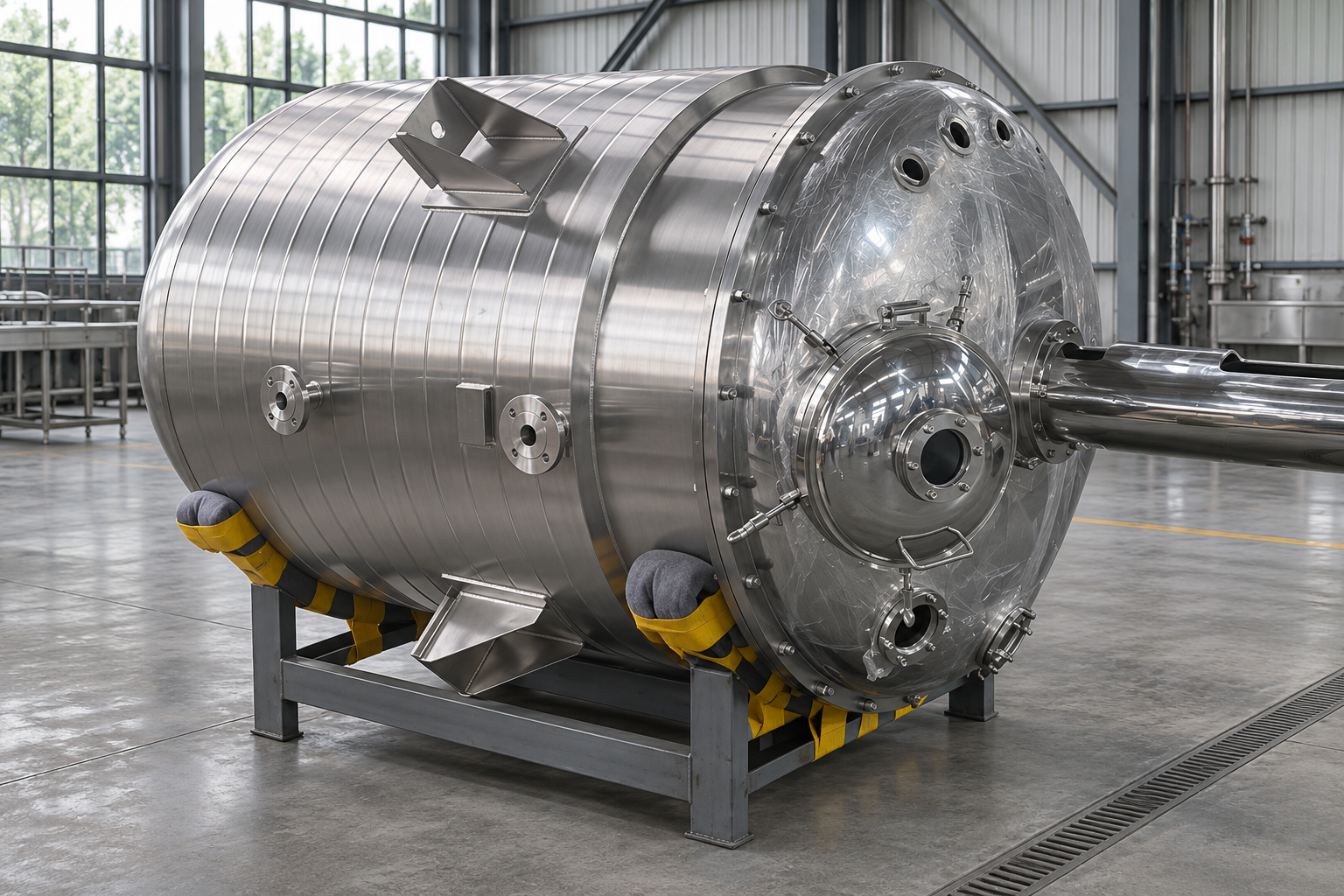
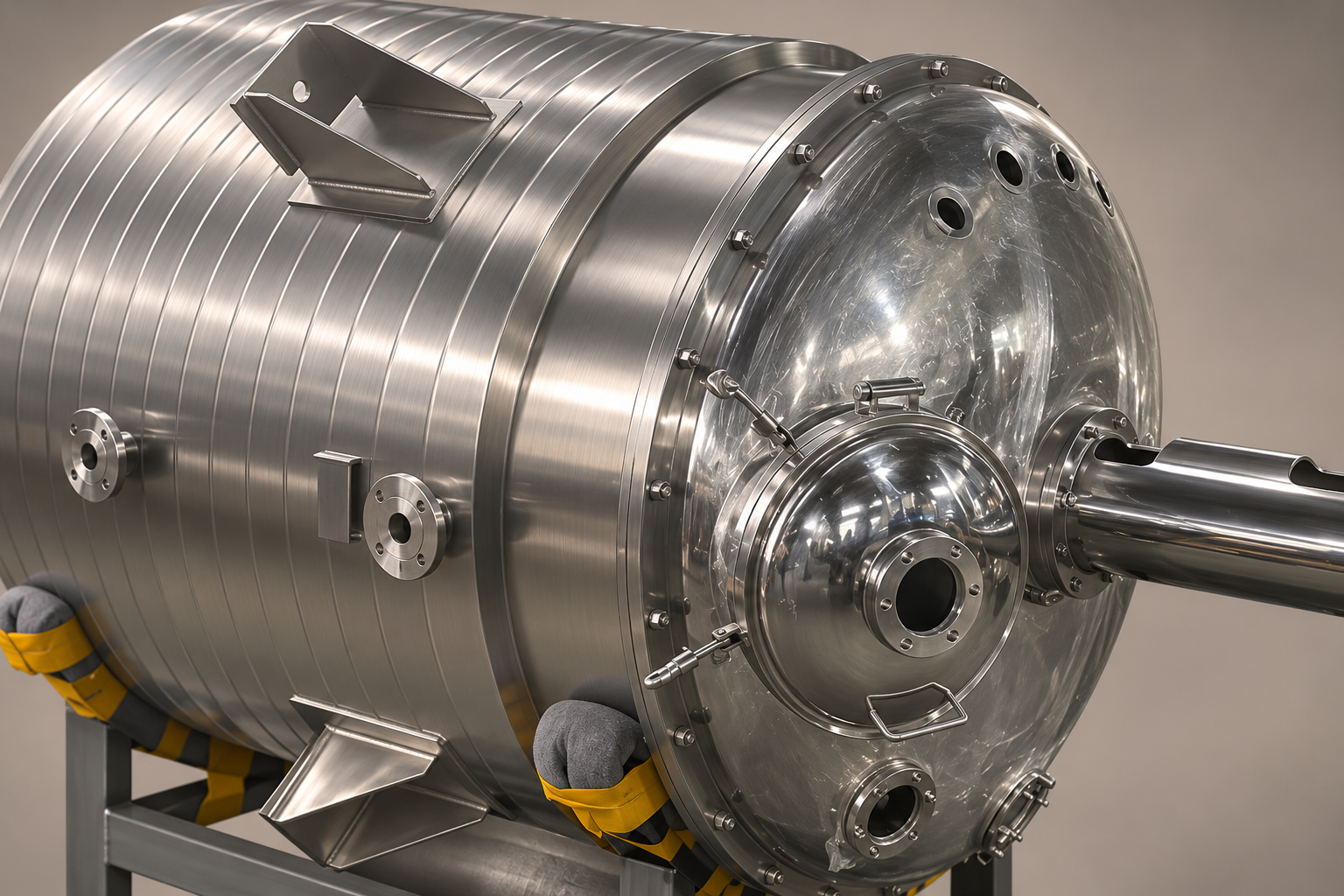
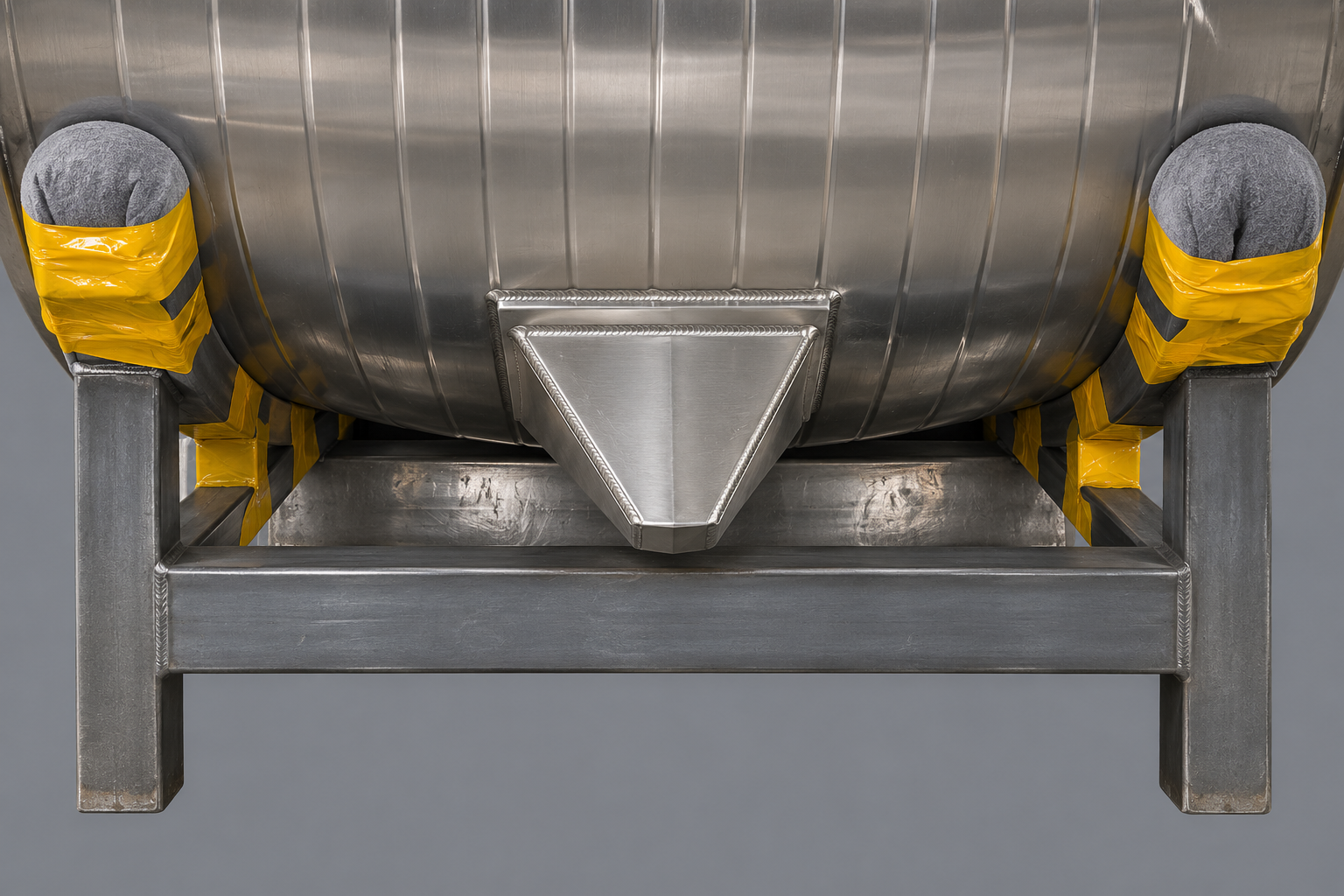
The storage tank product page establishes equipment context, not a complete rigging arrangement. In particular, a photograph of a vessel resting on a frame does not establish that every visible projection is a lifting point. Obtain the handling information for the actual assembly, including its delivery configuration and any requirements that affect access to the intended lifting attachments.
Build the list from the physical lifting set
Ask the responsible lifting team to identify the actual accessories proposed for the job. Record the identifiers visible on the items and distinguish them from supplier order numbers, storage-bin labels and delivery-note references. Where several similar accessories arrive together, preserve a one-to-one or otherwise clearly documented connection between the items and the evidence that covers them.
Do not create a new marking on an accessory simply to make a document match. An unreadable identifier requires assessment through the appropriate supplier or competent person. Photographs can help document the observed condition and location of markings, but a photograph alone cannot establish the item’s full specification, suitability or examination status. Record what can be read and exactly what needs clarification.
Distinguish examination evidence from other paperwork
A declaration, a manufacturing test document, a delivery note and a thorough examination report have different purposes. Assemble the required package for the applicable jurisdiction and work situation rather than treating every document headed certificate as equivalent. A purchased accessory may have paperwork associated with manufacture as well as records generated later during its service life.
HSE’s guidance on thorough examination of lifting equipment explains the role of competent examination and written findings in the UK framework. It distinguishes that process from routine checks. Apply its legal details only where relevant; a storage tank being shipped to another country may require a different regulatory and contractual assessment. The reviewer should identify the applicable framework before deciding that a particular document set is complete.
Read the report body rather than just the front page
Locate the item identity within the report and compare the description with the accessory presented. Check whether the report covers one item, an assembly or a clearly identified list. Look for attachments referenced by the report, and confirm that they are available. An attractive cover page is of little use if the item schedule containing the actual identifiers is missing.
Read findings, restrictions and required actions alongside the date information. A future next-examination date does not erase an unresolved finding elsewhere in the report. Where a report refers to remedial work, establish what evidence confirms completion and who is responsible for releasing the item. Keep a question about report completeness separate from a technical decision about continued use.
Review the timeline in its proper context
Record the examination date, the next due point stated in the applicable record or scheme, and the intended date of use. Do not impose a universal interval from an internet checklist. Requirements can depend on equipment category, jurisdiction and an applicable examination scheme. Ask the responsible specialist when the documentation does not make the relevant basis clear.
Also ask about events after the examination that may affect suitability. Repairs, damage or unusual service conditions can raise questions that a calendar check alone will miss. This does not mean the receiving clerk should perform a technical examination. It means the handover should preserve known events and route them to the person able to decide what further assessment is needed.
Use a matching table before assembling the job pack
The table below is a suggested record structure, not a statutory form or an engineering acceptance standard. It helps expose missing connections between the accessory, the report and the planned operation.
| Item to review | Evidence needed | Unresolved condition to flag |
|---|---|---|
| Physical identity | Readable item marking and recorded identifier | Marking missing, ambiguous or different from the report |
| Report coverage | Item schedule, description and referenced attachments | Similar item listed but no clear match to the supplied item |
| Examination status | Applicable report dates, findings and scheme information | Unclear validity basis or outstanding action |
| Post-examination history | Handover information about damage, repair or unusual events | Event not assessed by the responsible person |
| Planned application | Approved lift plan and accessory selection | Report present but suitability for this operation unconfirmed |
| Release record | Decision, reviewer and supporting clarification | Item used while a material question remains open |
Maintain the underlying evidence behind each entry. If the report lists a set, record how the presented items correspond to that set and whether missing or substituted components affect the match. A checklist should make a complex package easier to understand; it should not turn several uncertain observations into an unsupported pass merely because every cell contains text.
Keep document review distinct from pre-use checks
The paperwork review establishes what evidence is available. The actual item’s current condition still needs the checks required for the task. Arrange these responsibilities explicitly with the lifting team so that neither party assumes the other has covered them. A document reviewer should not describe a visual glance as a completed technical examination or imply that an older report proves the item remains undamaged today.
HSE’s safe lifting guidance places equipment suitability, safe use and records within the wider lifting arrangements. For this article, the practical implication is to hand an organized evidence package to the responsible lifting personnel. Do not use a matched certificate as permission to bypass their selection, planning or pre-use responsibilities.
Coordinate hired and contractor-supplied accessories
For hired equipment, ask which specific items will be dispatched and how their records will be provided at handover. A generic sample report can demonstrate the supplier’s format, but it does not cover an unidentified item arriving later. If the dispatch set changes, update the matching record before the substitute enters the released job pack.
Agree who receives documents, who checks identities and who resolves discrepancies. Use the separate storage tank contractor handover review to clarify work boundaries. Avoid assuming that the tank supplier, haulage company and lifting contractor have each accepted the same responsibilities simply because all three organizations appear on the delivery schedule.
Resolve mismatches before the accessory enters service
If an accessory identifier does not match the report, record the difference without altering either original. Ask for clarification that explicitly connects to the item supplied. Where the supplier confirms an administrative error, retain the original and the controlled correction so that a later reviewer can understand what happened. Where identity remains uncertain, use another properly supported item selected by the responsible team.
An urgent unloading window is a planning constraint, not evidence of suitability. Escalate an unresolved discrepancy early enough for the lifting coordinator to arrange a safe alternative. Keep the held item physically distinguishable from the released set. A folder note will not prevent accidental use if identical-looking accessories remain mixed together at the unloading area.
Connect the review to the vessel handling information
Return to the vessel-specific plan once the accessory records are organized. Confirm that the lifting coordinator has the correct equipment identity, handling instructions, configuration and relevant supplier clarifications. The existing storage tank lifting plan and center-of-gravity guide addresses the planning inputs separately. Neither that guide nor this record review supplies a certified lifting arrangement for the pictured vessel.
When preparing an inquiry or delivery handover, request the actual handling documentation and define the expected accessory scope. Preserve the transition from transport support to the next operation; the transport restraint inspection planning guide covers that adjacent question. Document matching is useful precisely because it leaves the engineering and operational decisions visible rather than burying them in a general delivery acceptance signature.
Further learning: control energy during maintenance preparation
The educational video below explains hazardous-energy control. It supports discussion of isolation and responsibilities around maintenance work near equipment; it does not teach rigging selection, certify lifting accessories or replace the approved lift plan. Use task-specific lifting instructions for the actual operation.
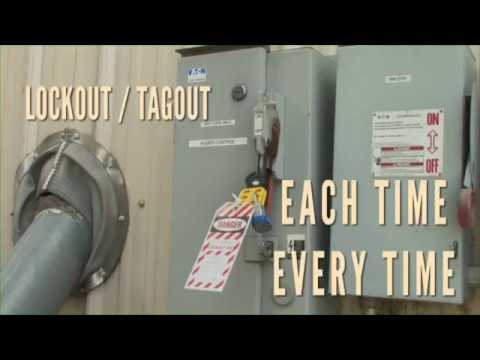
U.S. Agricultural Safety and Health Centers: Control of Hazardous Energy for lockout/tag out.
FAQ
Is an examination report enough to approve a storage tank lift?
No. The report concerns the identified equipment within its stated scope. The responsible team must still assess the tank, selected accessories, lifting arrangement, current condition and operation through the applicable planning process.
Can a report for an identical-looking shackle cover the supplied one?
Do not assume that it can. Establish the documented connection between the actual item identifier and the report or its item schedule, and resolve unclear identity before the accessory joins the released set.
What should happen when the supplier sends a corrected report?
Retain the original record and the controlled correction with a clear explanation of the change. Have the responsible reviewer assess whether the clarification resolves the discrepancy and whether any further action is needed.