A fermenter contamination investigation should begin with controlled records, sample identities and an assessment by the responsible quality and biosafety personnel. An unexpected test result or process change is a finding to investigate, not immediate proof that one connection, operator or sterilization step caused the problem. Preserve the original evidence, establish the affected scope and reconstruct the timeline before selecting a corrective action. This guide addresses investigation planning and equipment-interface questions. It does not provide culturing methods, organism-handling instructions, disinfection recipes or permission to open an unknown biological system.
Put containment and material disposition first
Identify the people responsible for safety, quality decisions and process operation. The appropriate response depends on the material, organism, facility and applicable controls. A production investigation should not bypass containment or material-hold arrangements simply because the team wants a faster explanation. Follow the approved response for the actual situation.
Record which material and equipment are potentially affected and what restrictions apply while the finding is assessed. Avoid an unsupported declaration that the entire facility is affected, but do not narrow the scope merely for convenience. Preserve the reasoning behind the initial boundary and revise it as evidence develops. This creates a controlled starting point rather than allowing normal production activity to overwrite information or distribute material whose status remains unresolved.
Describe the original finding precisely
State what was observed, how it was detected and which sample or process record it concerns. Distinguish an analytical result, an online measurement change and a visual observation. They may support related questions, but they do not have the same meaning. An unexplained process trend should not be described as a confirmed microbial identity.
Retain the original report and relevant metadata. Record collection time, analysis time, method identification and any stated limitations. If an external laboratory supplied a result, preserve the actual report rather than a transcribed summary that omits qualifiers. The initial description should remain available even if a later investigation changes the interpretation. Replacing it with the eventual conclusion makes it harder to understand why the investigation followed a particular path.
Establish the decision and investigation responsibilities
Clarify who can authorize sampling, testing, equipment access, material release and a return to operation. The person operating a vessel may not be the person responsible for interpreting a laboratory finding or approving a biosafety response. Make the communication route explicit so that an urgent observation reaches the appropriate decision-maker.
The WHO Laboratory Biosafety Manual, fourth edition emphasizes a risk-based approach in its laboratory context. It does not prescribe a manufacturing investigation or authorize handling an unknown culture. Its relevance here is the need to assess the actual risks and establish suitable controls through competent personnel. Do not use an equipment troubleshooting article as a substitute for the facility’s biological safety arrangements.
Reconstruct the timeline using independent records
Build a timeline from preparation, equipment release, connections, transfers, observations and sample events relevant to the finding. Include changes, interruptions and maintenance that may matter. Use actual timestamps and identify uncertainty where records are incomplete. Do not fill a gap with an assumed event simply because it would make one explanation more convenient.
Keep sample collection time separate from result-reporting time. A result received late in a run may concern material collected much earlier. Align process trends with the corresponding operating events before interpreting them. Where several clocks or systems are involved, determine whether their time references are comparable. A sequence that looks convincing can be wrong if unrelated records have been placed on an inconsistent timeline.
Check the sample and analytical pathway
Review identity, collection, handling, transport and the relevant laboratory record through the approved investigation process. The purpose is to understand what the evidence represents, not to presume that an inconvenient finding must be a sampling error. Use qualified personnel and suitable methods for any additional work.
Do not perform informal cultivation, repeat testing or sample manipulation outside the authorized arrangements. Retesting should have a documented purpose and interpretation plan. The FDA guidance on investigating out-of-specification results discusses investigation discipline in pharmaceutical production. Its regulatory scope does not automatically apply to every fermentation process, but it is a useful reference for preserving original results and avoiding unsupported dismissal of an unfavorable finding.
Review equipment interfaces without inventing a breach
Identify the actual connections and activities that fall inside the investigation boundary. These may include sampling, additions, gas handling, transfer and maintenance, depending on the installation. Use the current equipment drawing and approved procedures. A generic fermenter diagram or product photograph cannot establish the exact path present in the facility.
For each relevant interface, ask what records show its condition and use during the affected period. Distinguish a documented deviation from a merely possible failure route. The absence of a record may be a significant gap, but it is not proof that the imagined event occurred. Keep possible explanations labeled as hypotheses until evidence supports or rejects them. This makes the investigation more objective and helps identify the next justified information request.
| Investigation question | Evidence to review | Unsupported conclusion to avoid |
|---|---|---|
| What material does the finding represent? | Sample identity, collection event and analytical report | Treating every result as a description of the entire process |
| When could the relevant condition have arisen? | Synchronized operating and sample timeline | Assigning cause from the result-reporting time alone |
| Was an equipment interface used as approved? | Current drawing, procedure and event records | Declaring a breach solely from a generic diagram |
| Could a measurement or sample issue contribute? | Qualified method and handling review | Dismissing an adverse result without evidence |
| Is other material potentially affected? | Justified process and transfer boundary | Limiting or expanding scope without a documented basis |
| Is the response effective? | Approved corrective action and suitable verification | Equating a favorable single retest with a resolved cause |
The table organizes an investigation. It contains no biological testing protocol or organism-specific safety instruction.
Include maintenance and configuration changes
Review relevant equipment changes, repairs, replaced components and temporary arrangements. A change can alter a connection, documentation requirement or operating practice without appearing as a major process modification. Confirm the actual state during the affected period rather than relying only on the current arrangement.
Keep component identity and the applicable maintenance or installation records connected to the timeline. Do not automatically blame the most recent intervention. Its timing may make it worth reviewing, but a causal conclusion needs supporting evidence. Similarly, do not exclude a temporary item merely because it was not part of the original equipment purchase. The investigation boundary should follow the actual process and risk, not the ownership of a component.
Distinguish a supported cause from a useful correction
A practical correction may be justified before every aspect of an investigation is resolved, but its purpose and basis should be recorded. Replacing a component or revising a record does not by itself demonstrate what caused the original finding. Avoid calling an explanation confirmed solely because the problem did not immediately recur.
State what evidence supports the proposed cause and what remains uncertain. If several contributions are plausible, identify how the response addresses them and what additional evidence is required. An honest investigation can close particular questions while retaining a documented limitation. A confident but unsupported single-cause statement can lead to an ineffective response and make a later recurrence harder to understand.
Define verification before returning to routine operation
The responsible team should specify what must be demonstrated before the relevant material or equipment is released. The verification method needs to fit the action and the actual risk. This article does not select a sterilization cycle, a sampling frequency or a biological acceptance limit for an unknown process.
Retain the authorization, completed work and verification results with the investigation record. Confirm that updated procedures, training or equipment documentation reach the people who use them. A corrective action is incomplete if the new requirement exists only in the investigation report while the operating documents still describe the previous arrangement. Review effectiveness through an appropriate, predefined process rather than assuming one favorable observation covers every future batch.
Make the investigation record useful for later decisions
A complete record should identify the original finding, affected scope, timeline, reviewed evidence, supported conclusions, actions and authorization. Preserve contradictory or inconclusive information rather than selecting only the facts that fit the final explanation. Link the record to the applicable equipment and process configuration.
Use the findings to identify meaningful improvements without adding unnecessary procedures to every operation. A missing identity check may call for a focused record change; a confirmed equipment issue may require an engineered correction. The response should address the evidence and risks actually found. Do not turn an investigation into a generic list of every possible contamination route or a claim that an equipment family can guarantee contamination-free production.
Bring defined interface requirements to the fermenter enquiry
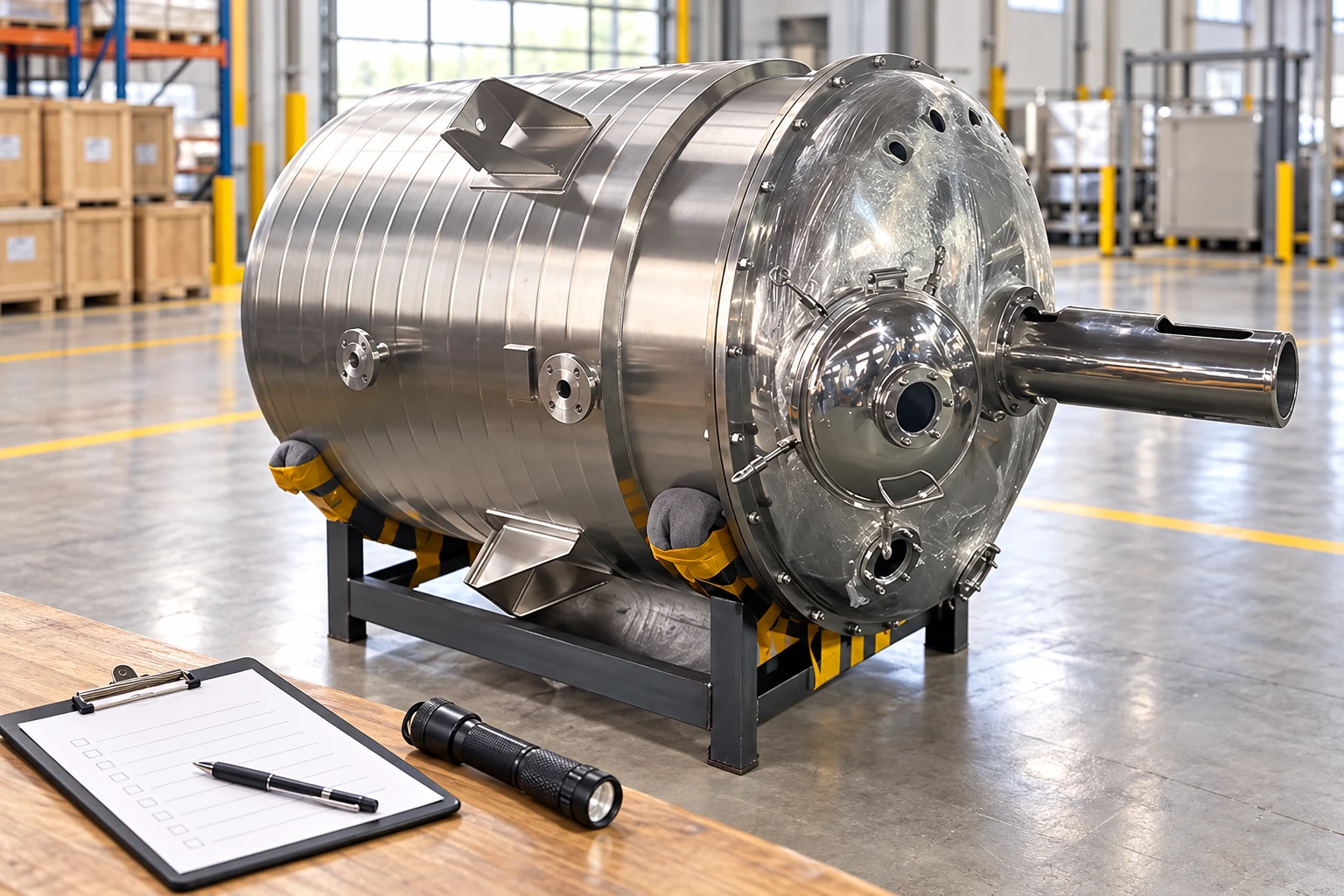
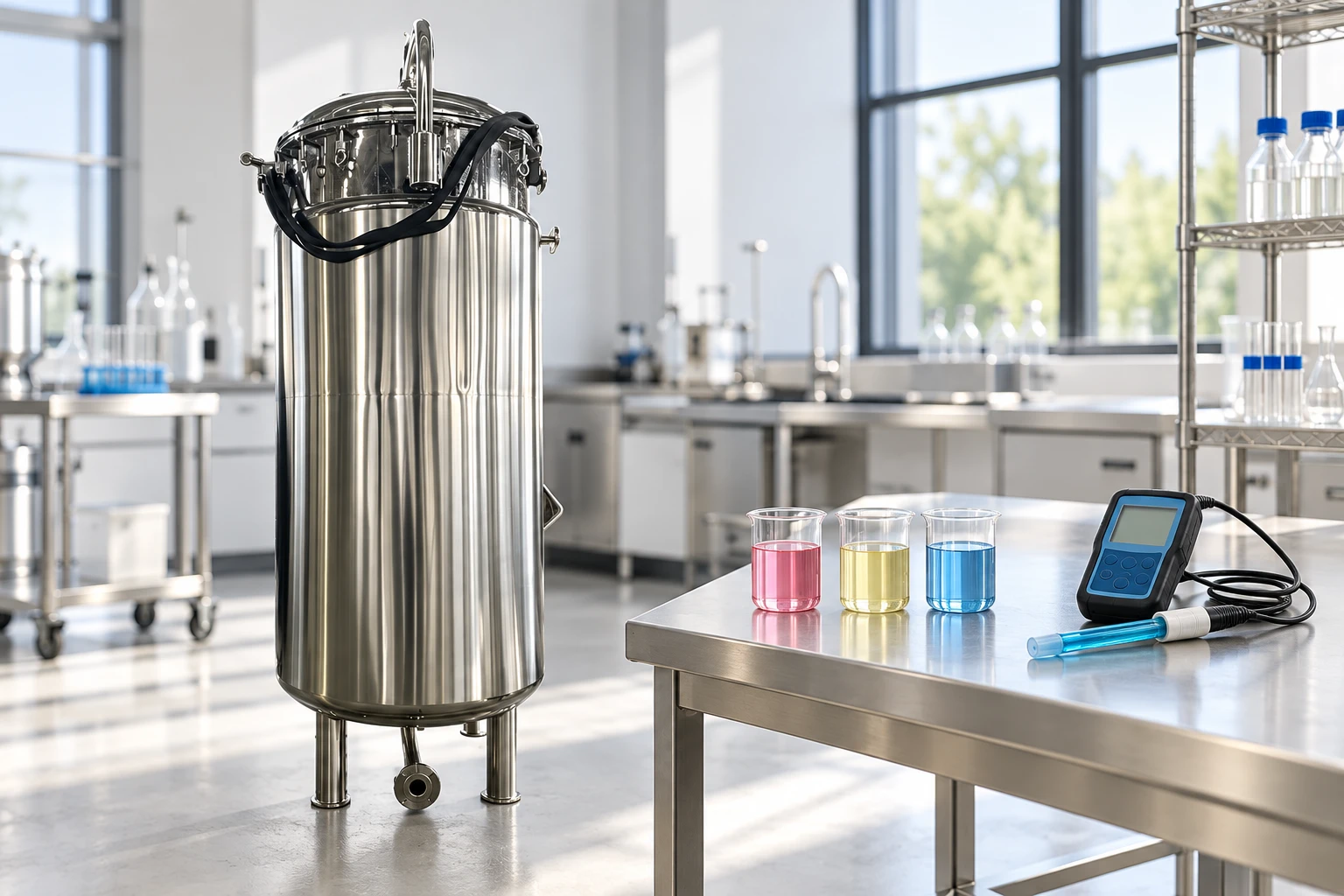
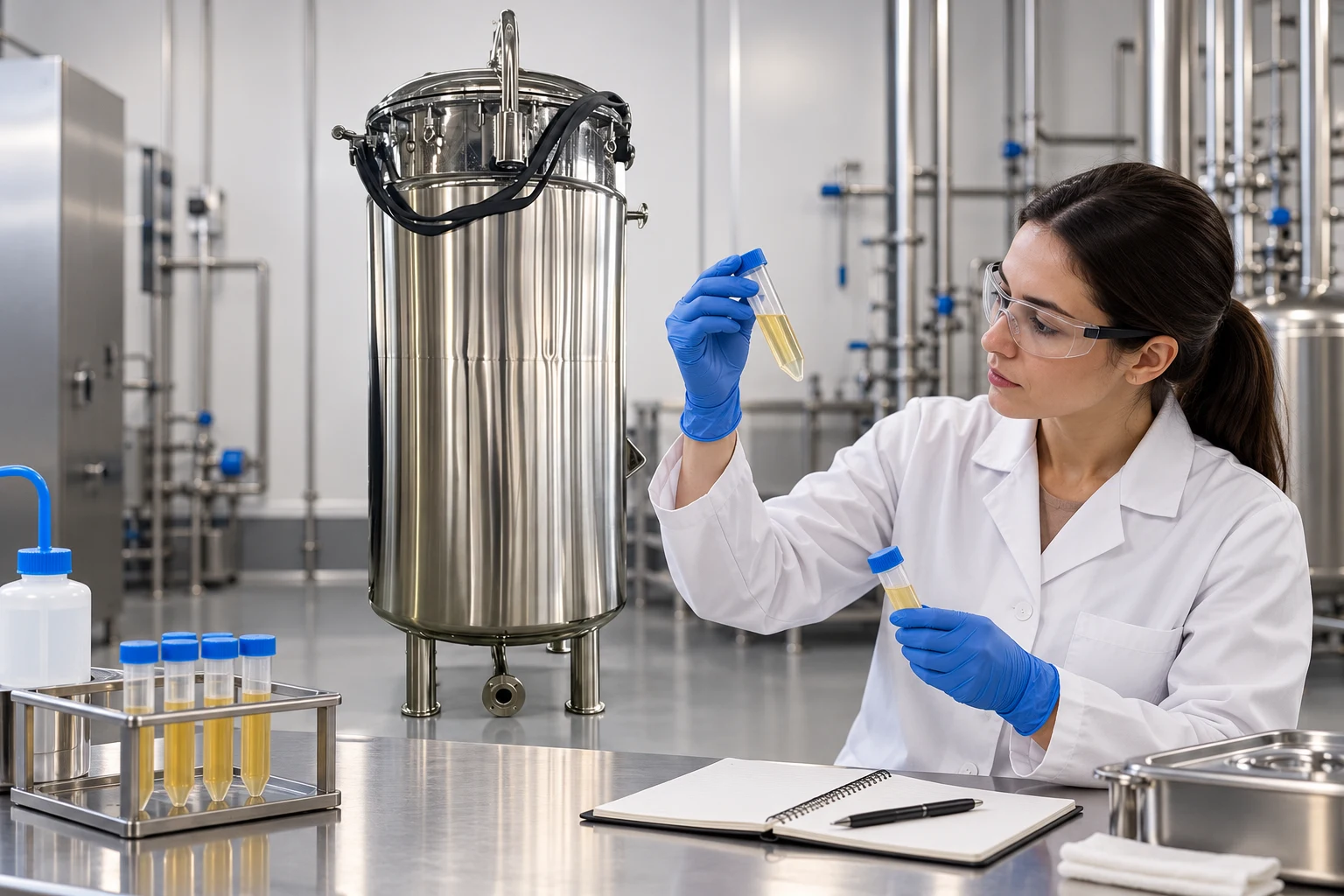
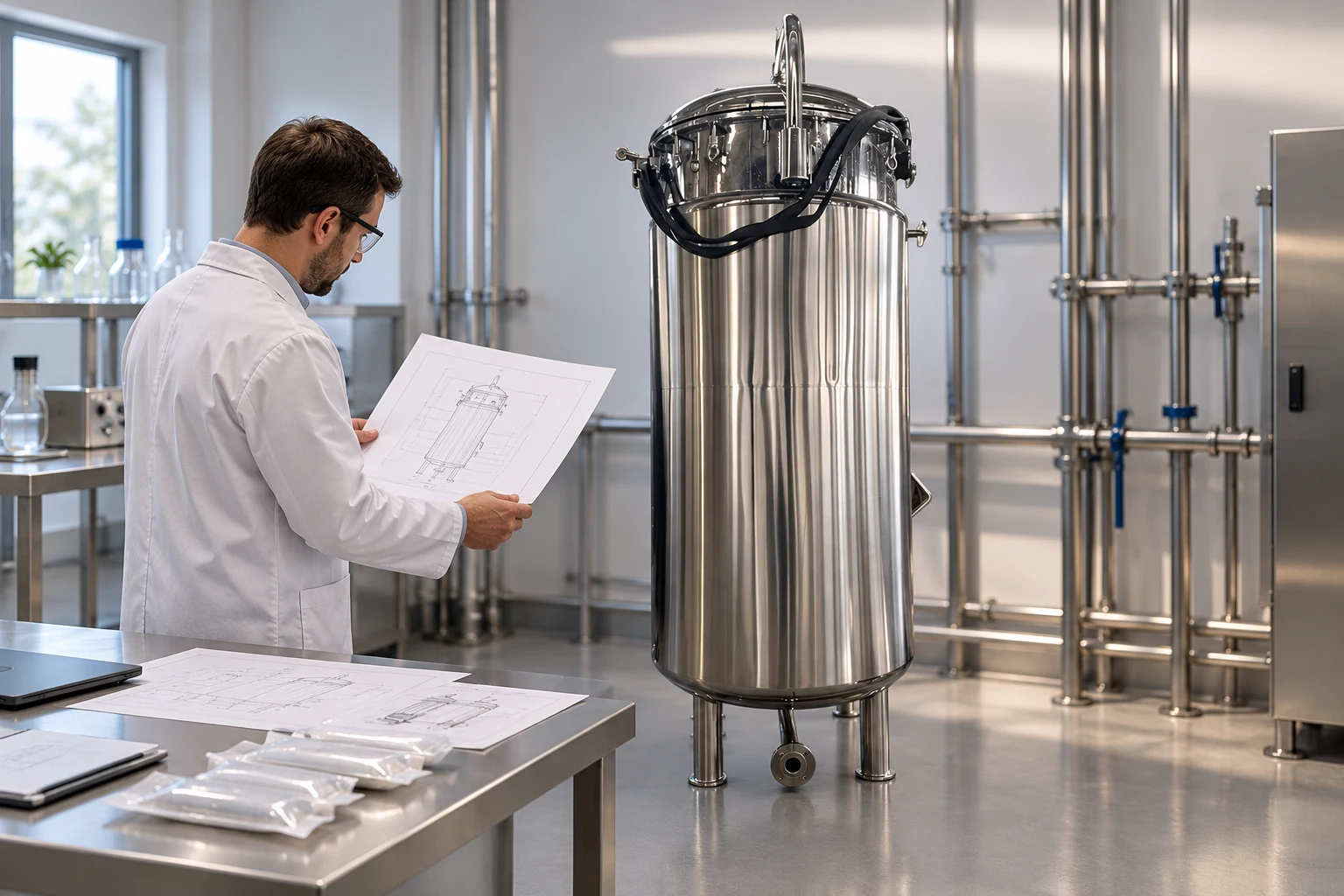
For a YIYI fermenter, provide the intended service, required containment and sampling interfaces, cleaning and sterilization responsibilities and relevant documentation needs. Ask the supplier to confirm the actual proposed configuration and scope. The reference vessel photograph and capped training samples in this article are illustrative; they do not establish a supplied analytical system, a validated biological process or a contamination-free outcome.
Use the inoculum-transfer guide for a separate transfer-interface discussion, the fermenter SIP temperature-mapping guide for an equipment-verification activity and the validation-document guide when defining the handover package. Those records can support an investigation, but their presence does not by itself establish the cause of an unexpected finding.
Educational reference: contamination-control awareness
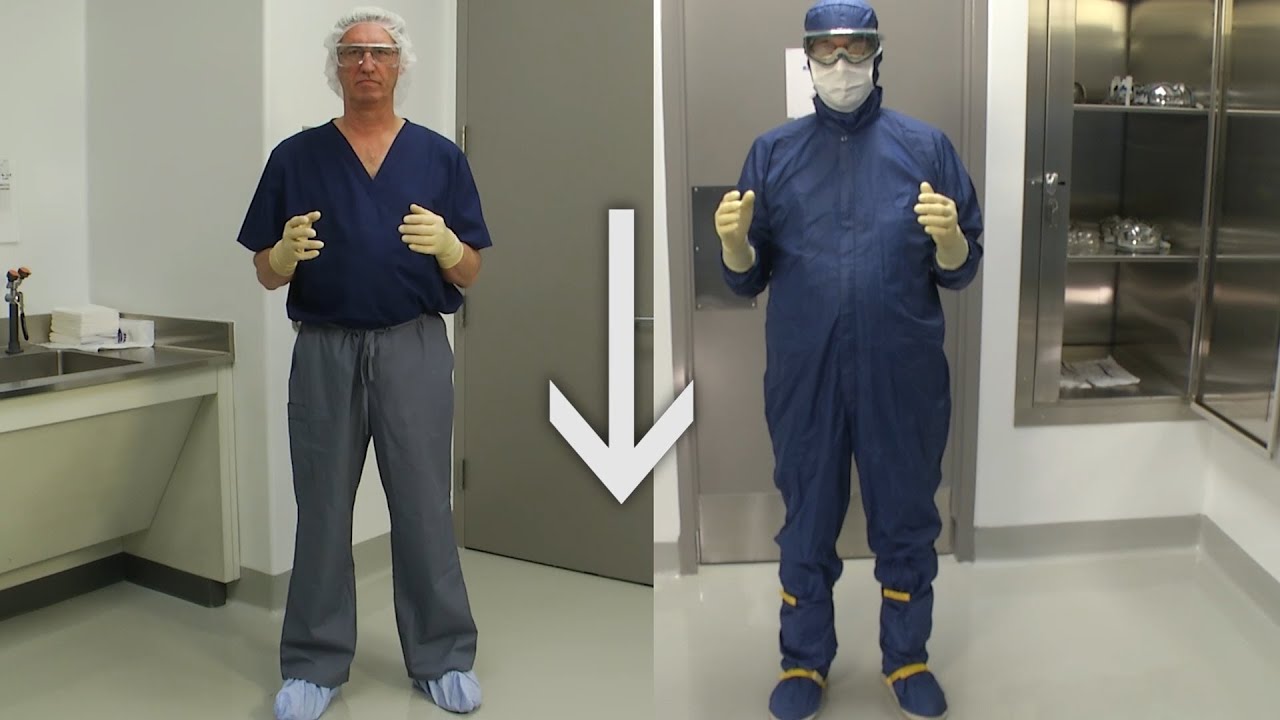
Watch Aseptic Gowning for the Cleanroom by BioNetwork
The educational reference supports awareness of controlled working practices. It is not an organism-handling protocol or authorization to perform an investigation outside the facility’s approved safety arrangements.
Frequently asked questions
Does an unexpected result prove that a fermenter connection failed?
No. Review the sample, timeline, process and actual interfaces through a qualified investigation. A possible route is a hypothesis until supported by evidence.
Can repeated testing replace an investigation?
No. Additional testing needs a defined purpose and interpretation. Preserve original findings and avoid selecting only favorable results to justify a decision.
Does replacing a suspected component establish the root cause?
Not by itself. Record why the action was taken and what evidence supports the explanation. Verify the response through the approved process and retain any unresolved limitations.