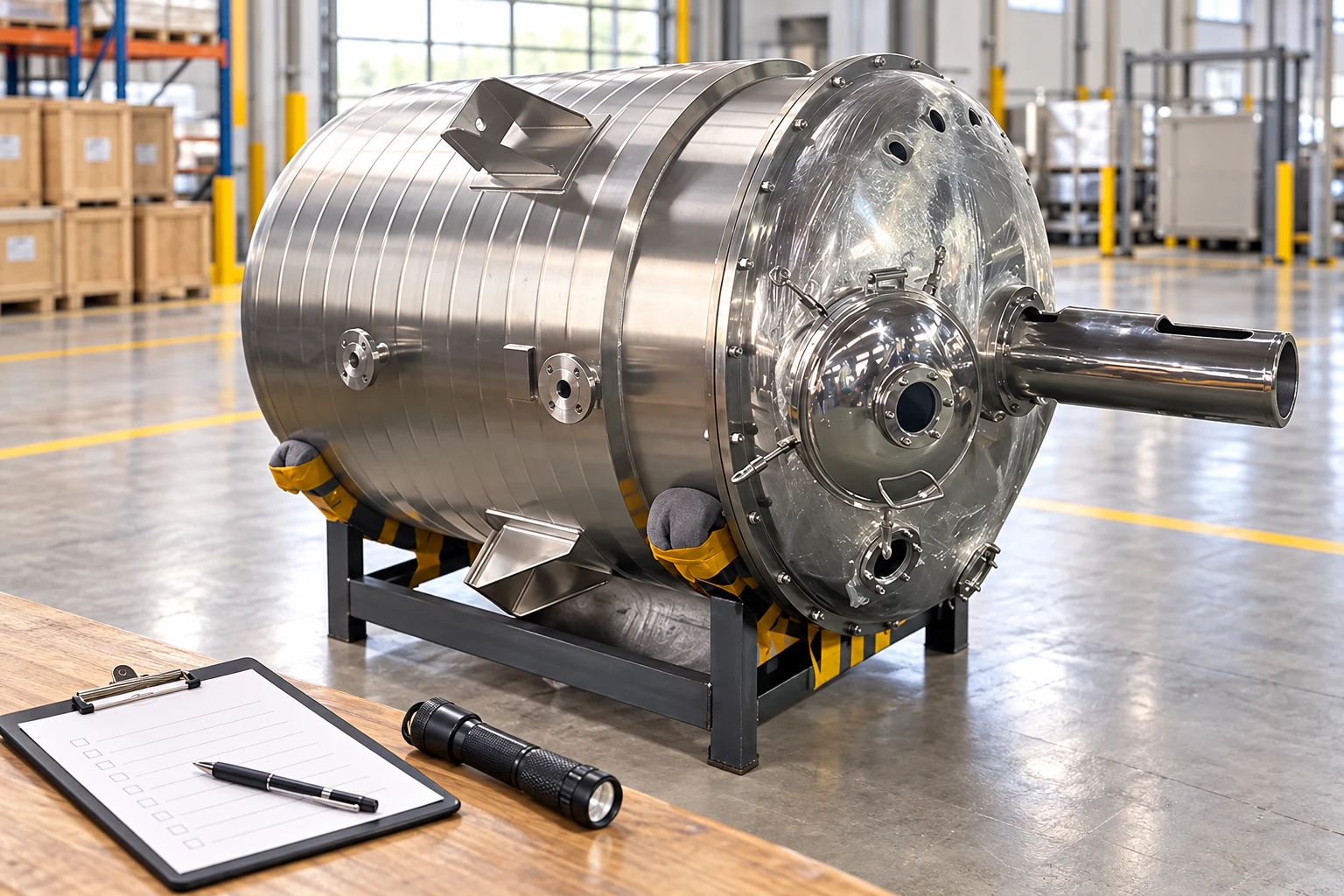
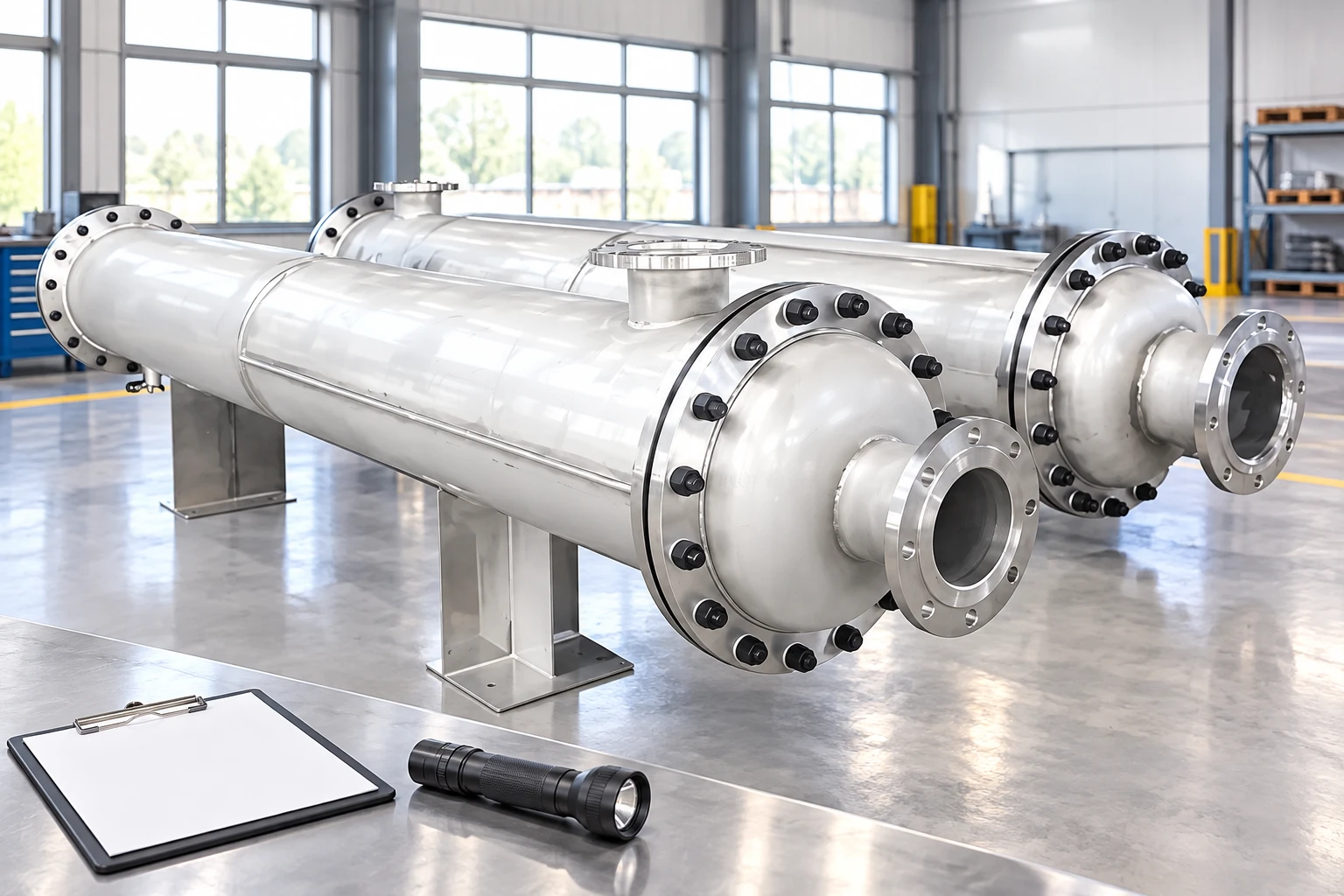
When evaluating different types of containers for your company, knowing how vertical tanks work and what is available will be helpful in selecting the best storage tank for your company or plant. The vertical tank maximises space, offers safe and secure storage, and creates a more efficient process for storing items. This article discusses the various vertical tanks available, their characteristics, advantages and disadvantages compared to horizontal storage tanks to assist you in making an educated decision.
What is a Vertical Storage Tank?
A vertical storage tank is a cylindrical vessel that can hold liquids, including water, chemicals, and petroleum-based liquids. Vertical tanks take up less ground space than horizontal tanks since they are the same height but have a much longer, lower profile; thus, they are a great solution for facilities with limited storage space that need to make the most of their available footprint.
Function of a Vertical Storage Tank
Praised for their ability to safely hold liquids, vertical storage tanks are designed to support pressure from inside the tank as well as outside factors impacting the contents of the tank. The types of industries utilizing vertical storage tanks are as wide ranging as agriculture, chemical, and oil & gas, all having high quantity demands for the volume of liquid materials they utilize.
Characteristics of a Vertical Storage Tank
Vertical storage tanks come with several distinct characteristics that make them appealing for various applications:
1. Space Efficiency: Their upright configuration allows them to be stored in restricted spaces, making them the perfect solution for those with limited site-space availability.
2. Increased Liquid Storage Size: When comparing tanks with similar size (diameter) horizontal tanks typically hold less liquid than a vertical tank.
3. Improved Gravity Flow: The gravity feed design will make it easier to fill and drain tanks; this will enhance the efficiency of your operations.
4. Customizable: They are customizable in terms of their wide variety of choices, including dimensions, construction materials, and accessories, all associated with the type of liquid to be used.
Advantages of Vertical Storage Tanks
Choosing a vertical storage tank comes with a range of advantages that can benefit your operations:
1. Cost Efficiency – Using less land to store the same amount of liquid provides an opportunity to save money on both the land and construction of the liquid storage facility.
2. Maintenance-Friendly: Cleaning and inspecting vertical tanks tends to be more straightforward due to their design and ease of access.
3. Safety: Most often they come with built in design features to prevent risks such as venting and overflow protections.
4. Versatility – Vertical tanks can be made out of multiple types (e.g., fabric or composite), which makes them usable for many different types of fluid.
Difference Between Vertical and Horizontal Storage Tanks
By knowing the important distinctions among vertical and horizontal storage tanks, you will be able to decide which option is best for you:
– Orientation: Vertical tanks are upright, while horizontal tanks are long. Both types of tanks occupy a different amount of space.
The volume of vertical tanks typically holds a higher amount of liquid compared to a similarly-sized horizontal tank.
– Installation: So long as they are horizontal, tanks tend to require greater site preparation and space for their base. In contrast, tanks installed vertically may fit more easily into confined spaces.
FAQs About Vertical Storage Tanks
What is a vertical storage tank?
A vertical storage tank, in most cases, is a type of storage container designed to hold liquid materials and take up less room than other types of containers because it’s vertical.
What is the function of a vertical storage tank?
Functionally, this piece is designed to store liquid materials securely while providing ease of access and safety for those materials.
What are the characteristics of a vertical storage tank?
They provide greater storage in a smaller amount of area, a greater volume of liquids, an ability of liquids to flow by gravity, and may be built to accommodate different requirements.
What is the difference between vertical and horizontal storage tanks?
Water tanks can differ in terms of their orientations, capacities and installation needs. Vertical tanks, for example have a higher space efficiency than horizontal tanks.
To sum Up, vertical tanks offer several advantages to those needing bulk liquid storage solutions; they have superior efficiency (space & safety), easy access for maintenance, and are suitable for agricultural, chemical or general manufacturing industries. Therefore, if you require bulk liquid storage solutions, vertical tanks could be right for your use case.