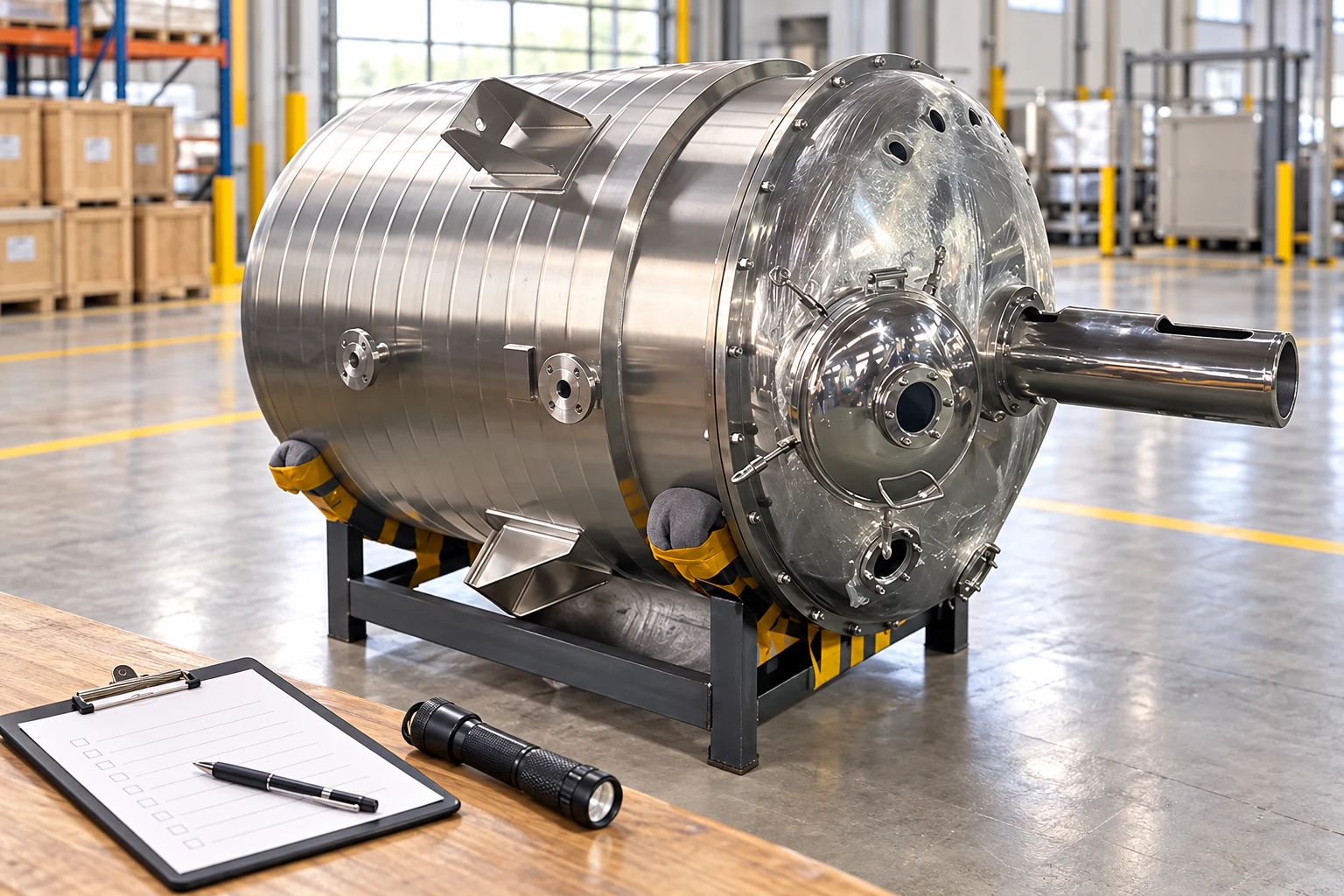
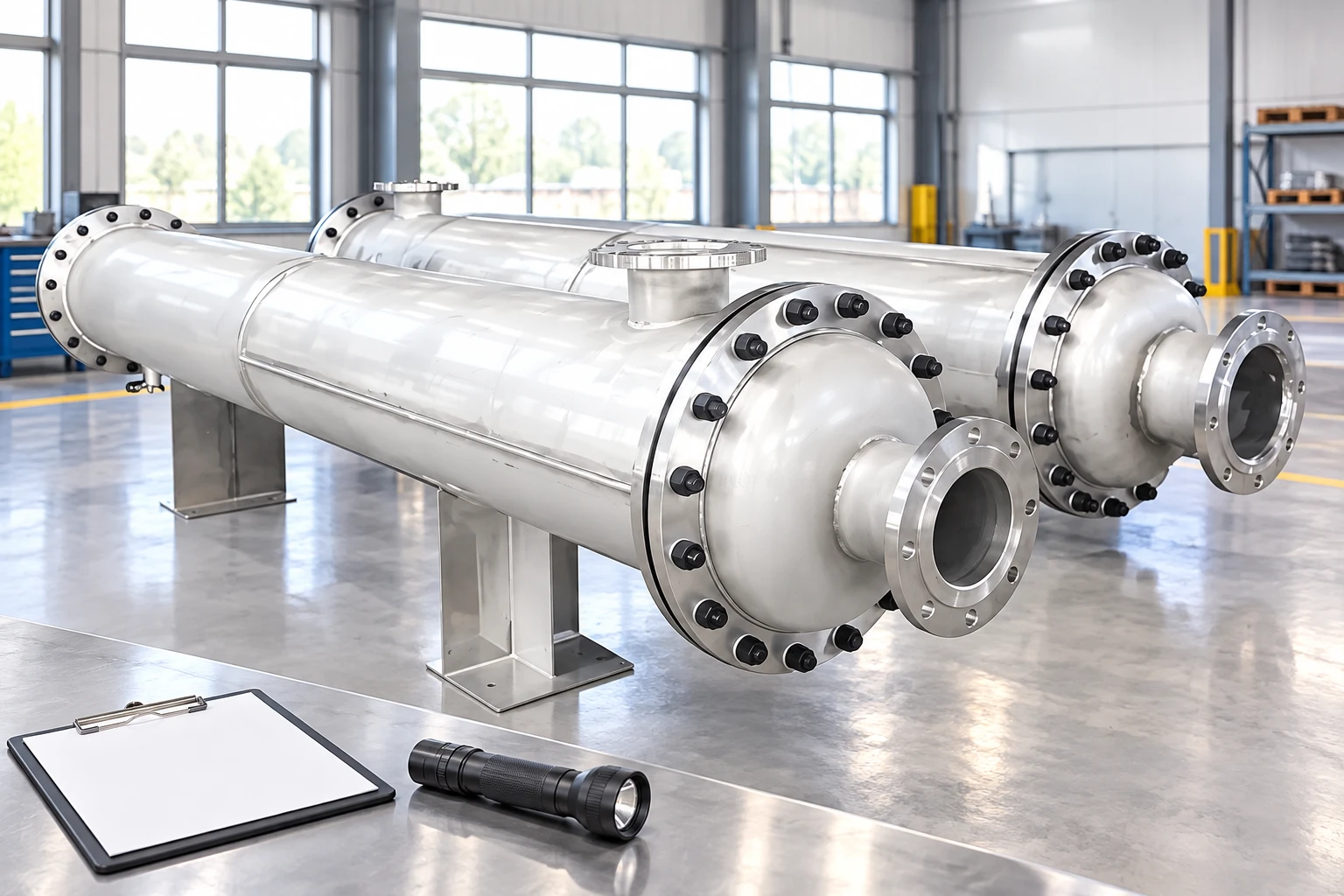
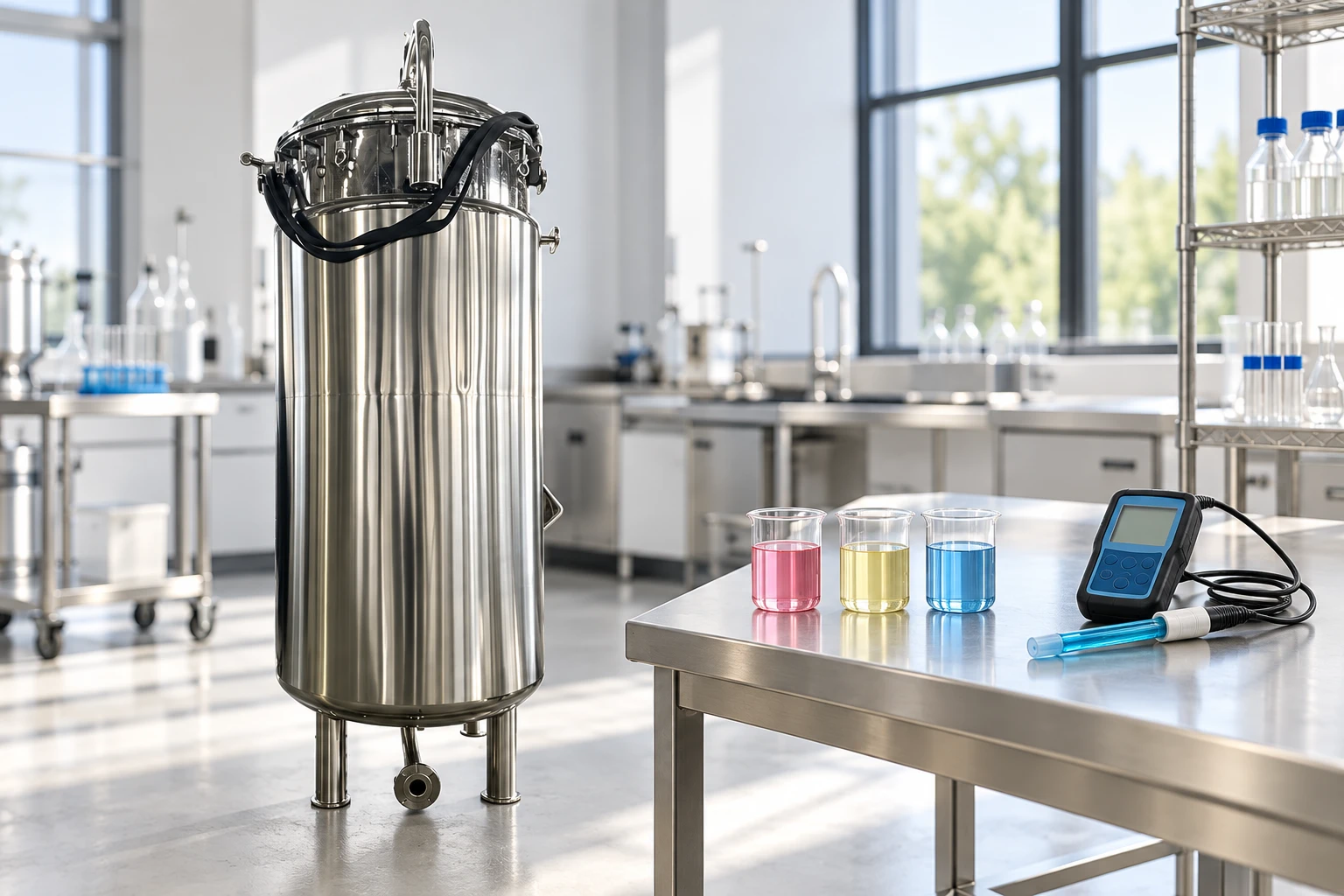
An investment in your brewing future doesn’t come solely in a pot; rather, it’s an investment in a brewing tank that will help improve the deliciousness and consistency of your brews. This article discusses many factors related to brewing tanks such as their manufacturing materials, the different kinds of brewing tanks available, how they differ from one another, and how these differences all lend themselves to offering different benefits for brewers. By taking all these factors into consideration, you will be able to make the right selection for your specific brewing requirements.
What is a Brewing Tank?
Brewing tanks are specifically designed to carry out both fermentation and conditioning during the brewing process. The tank is built to create an environment conducive for yeast to ferment sugars into alcohol and carbon dioxide. The type of tank can significantly influence the brewing process in terms of both performance and quality.
What Materials are Used in Brewing Tanks?
The majority of brewing tanks are made of stainless steel because they have several advantages, such as strength, resistance against oxidation, and simple to clean. Additionally, stainless-steel tanks will be better at maintaining appropriate temperature levels and will not interact with the contents in a way that could alter the taste, keeping the final product as pure as possible.
While some small or home breweries might choose to use glass or plastic brewing tanks, these materials generally do not perform as well or last as long as stainless steel.
What Types of Brewing Tanks Are Available?
Brewery’s equipment comes in many different models and used for all stages of the brewing process.
1. The fermentation tank is where you will put your wort after boiling in order to ferment it. Most fermentation tanks will have some sort of mechanism to control the thermal environment of the tank.
2. Brite Tanks: Used for the conditioning and carbonating of beer, the use of Brite tanks also allows brewers to clarify their beer before packaging. Brite tanks are therefore an essential part of achieving a high-quality final product.
3.Serving tanks are used primarily in restaurants and bars to provide beer directly to customers, by storing beer in the tank for dispensing.
4. Bright Beer Tank: Bright beer tanks are similar to serving tanks but are designed for additional conditioning to improve flavor.
What are the Advantages of a Brewing Tank?
Choosing a brewing tank comes with several advantages:
- Using a single dedicated fermenter allows brewers greater control of temperature and pressure during fermentation.
- Scalable Business: Brewery owners want to be able to increase their tank sizes so that they can brew greater quantities of beer as demand increases.
- Adaptability: There are numerous tanks that work for more than one purpose, so you’ll save on space while saving on costs of equipment.
- Durability: Brew kettles made of stainless steel are long lasting and do not rust, therefore they provide a reliable way to brew beer.
Choosing a brewing tank can be highly influential on beer quality, so it’s important to learn about different kinds of brewing containers, their materials, and all the advantages they bring in order to find the best fit for your brewery’s needs. A great brewing tank will provide the foundation for the sale of your homebrew and/or microbrewery.
To sum it all up; getting yourself a quality brewing vessel (brewing tank) will help you produce the best beers possible. To make that decision based upon what material (stainless steel vs plastic), what type of tank to brew in and all of the benefits would help ensure the highest quality brewing experience. Please keep in mind you are going to get what you paid for; invest in good equipment now (the initial cost will pay for itself through flavour and consistency) so that your future batches have a consistent nice flavour all around!