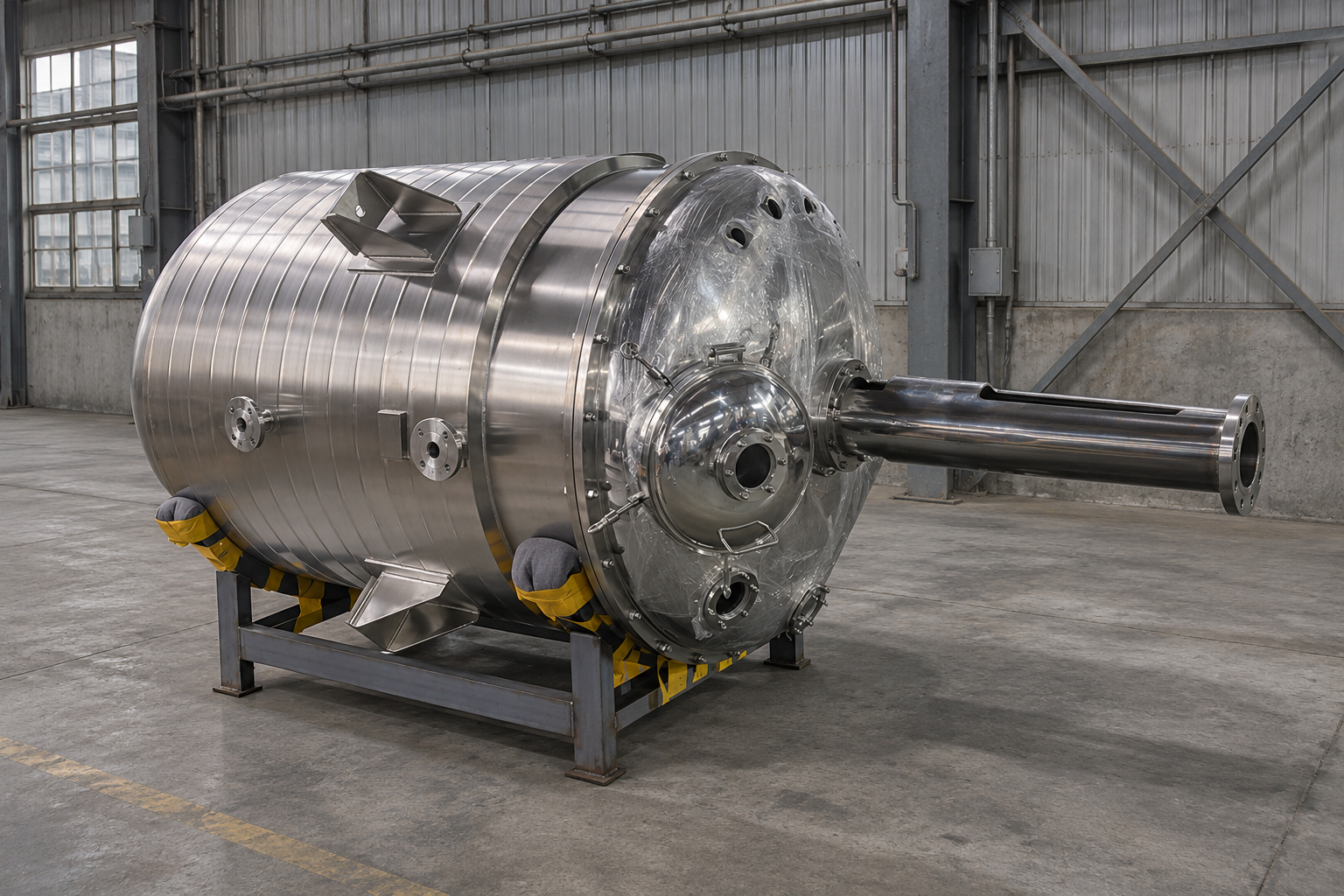
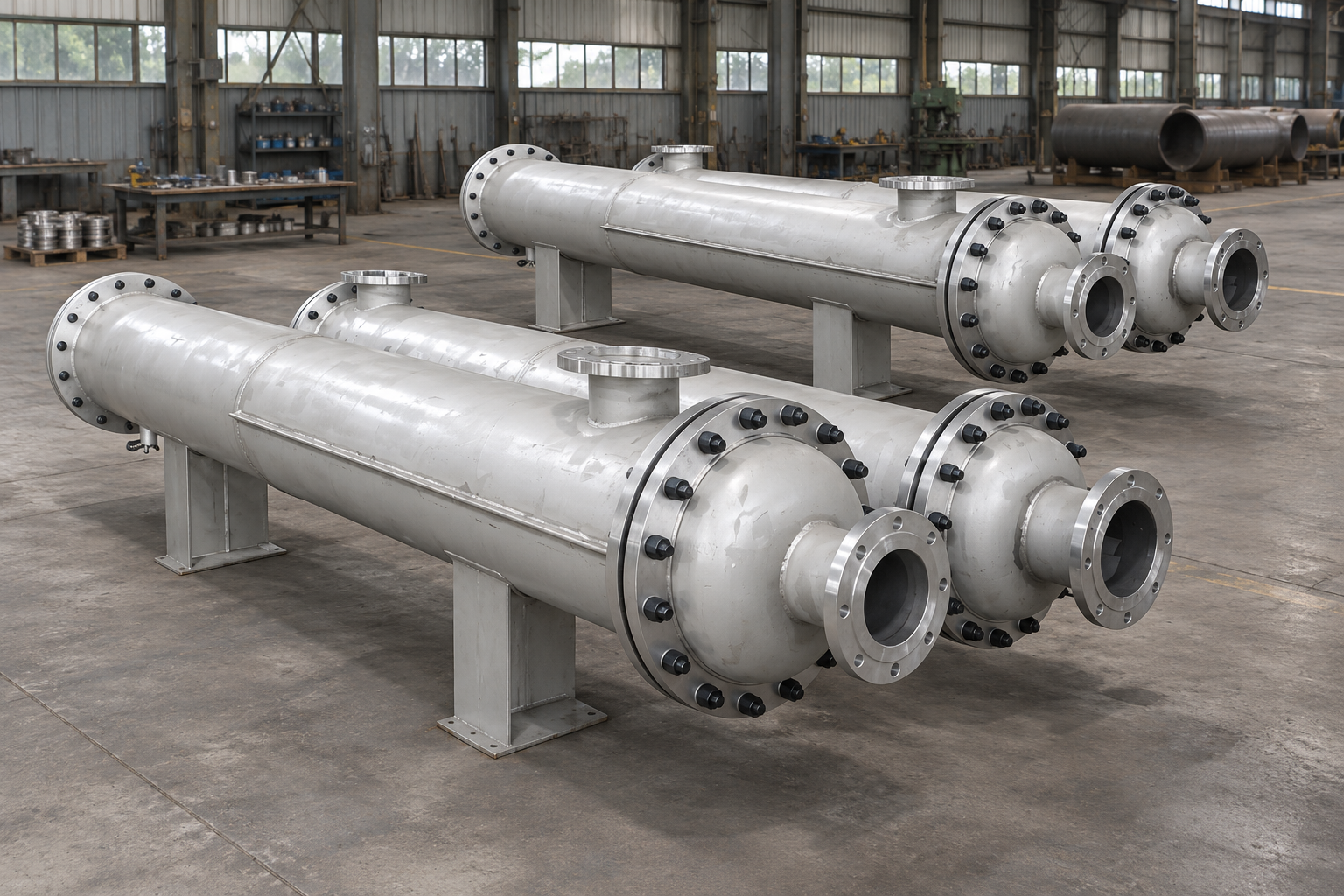
A heat exchanger preservation cover inspection record identifies each protected opening, records its observed condition, and connects defects or authorized changes to the responsible equipment owner. It helps a receiving or storage team determine whether the agreed protection remains accounted for. A cover looking intact does not prove that the exchanger interior is clean, dry or suitable for service. Base protection requirements, inspection scope and corrective action on the actual manufacturer’s instructions and project requirements; do not infer them from a generic photograph or another exchanger’s storage procedure.
Establish what each opening is supposed to have
Start with the equipment identity and the accepted receiving documents. Obtain the relevant general arrangement, nozzle schedule and storage instructions where included in the supply. The purpose is to distinguish the particular opening being checked from another connection that looks similar. A shell-side connection and a tube-side connection must not become one vague line reading “all caps checked.”
Эт YIYI fixed tube sheet shell and tube heat exchanger page shows the product form relevant to this discussion. Its visible flanges and heads support recognition of equipment geometry, but the image does not specify shipment protection or establish how a delivered unit must be stored. Ask for the documents applicable to the ordered exchanger and agreed preservation scope.
If the paperwork does not identify an opening clearly, record the discrepancy and obtain clarification before treating the receiving check as complete. Do not assign a connection function solely from its position. Use equipment records, photographs and a responsible technical review to create a reliable reference for subsequent checks.
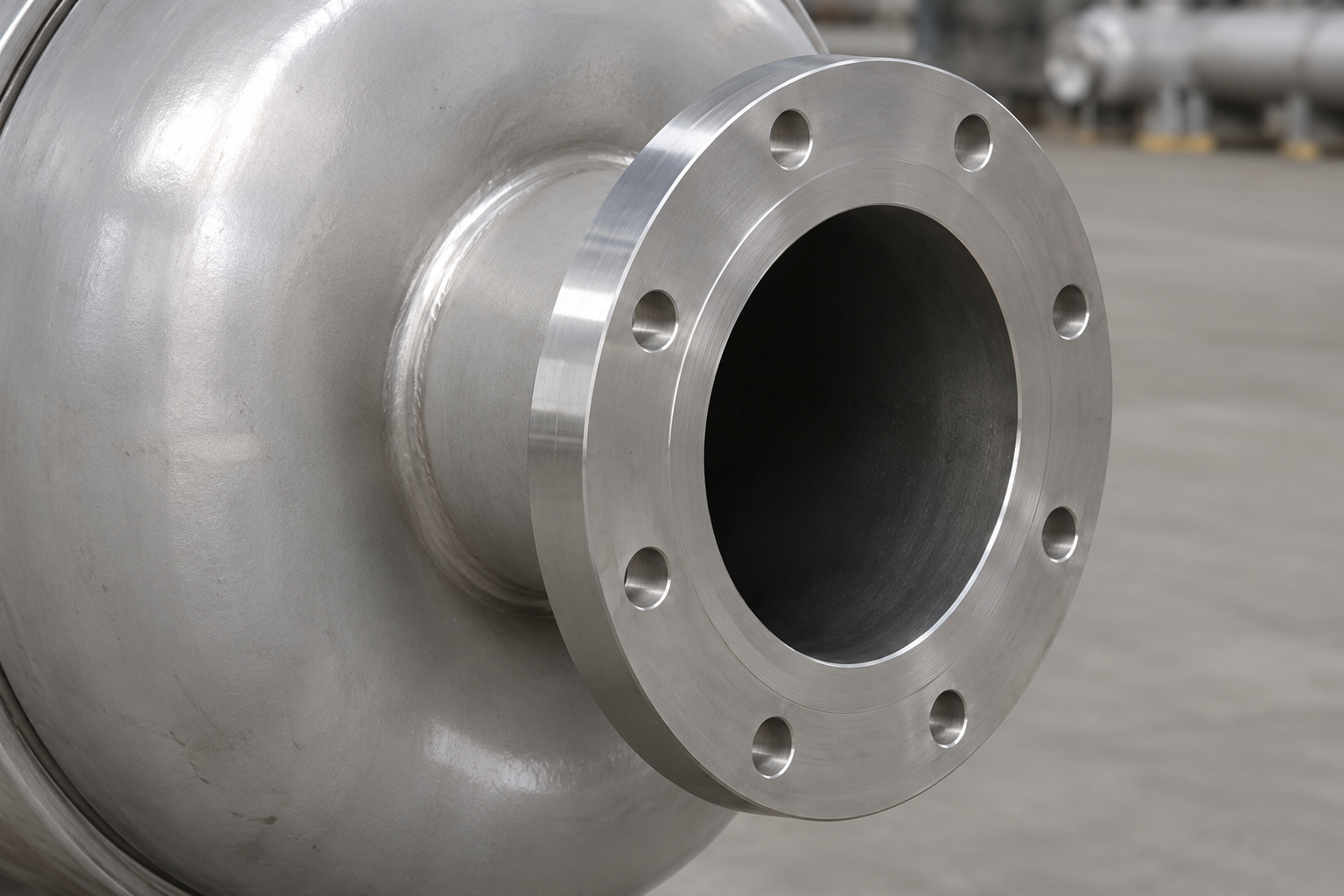
Separate a shipping closure from a service component
An apparent closure can have a shipping, preservation or operating purpose. Those functions are not interchangeable. The correct record describes the item according to the applicable documents rather than assuming that anything bolted to a flange is a pressure-rated blind suitable for later testing.
Record the specified protection type in the project’s own terminology. Where its status is uncertain, state what is visible and which document is needed. Avoid recording a pressure capability, material grade, gasket specification or tightening requirement without evidence. Visual resemblance is insufficient for those decisions.
This matters when storage is prolonged or the unit moves between custodians. A replacement selected merely because it fits the visible opening may not satisfy the original preservation requirements. Refer the proposed replacement through the authorized technical route and retain the resulting instructions with the equipment record. This article provides no closure design or pressure-testing instructions.
Use risk-based checks rather than a universal calendar
Эт HSE guidance on inspection of work equipment explains that inspection scope and frequency depend on risk, exposure and relevant manufacturer recommendations. In Great Britain, that guidance concerns work-equipment safety. It does not prescribe one storage interval for all heat exchangers or turn every shipping cover into a regulated inspection item.
For a preservation record, capture the interval or event trigger that the responsible project has actually adopted. A delivery, relocation or known damage event may require review under the applicable instructions. Record the reason for the check so that later reviewers can understand whether it was routine, receipt-related or prompted by a concern.
Do not copy an interval from an unrelated installation manual. Materials, preservation arrangements and environmental exposure may differ. If storage extends beyond the period originally planned, ask the responsible owner to review the requirements rather than silently continuing an assumption made at purchase.
Make the inspection record useful at the individual opening
The table below is a qualitative record format, not a manufacturer’s preservation specification. Adapt it to the exchanger and the scope agreed by the responsible technical team. Avoid adding fields that the checker cannot answer reliably from the authorized inspection method.
| Поле записи | Какие данные необходимо зафиксировать | Why it affects the next decision |
|---|---|---|
| Equipment and opening identity | Equipment tag and the controlled connection reference | Prevents photographs and actions being assigned to the wrong opening |
| Expected protection | Applicable document and the described closure arrangement | Establishes the basis for comparison without inventing a specification |
| Observed external condition | Visible damage, displacement or other findings within the inspection scope | Identifies a concern without claiming internal condition is known |
| Image reference | Dated photograph connected to the equipment and opening | Allows later reviewers to understand the observation |
| Change history | Authorized opening, replacement or other intervention reference | Explains why the present arrangement differs from receipt |
| Расположение | Responsible reviewer, decision reference and remaining action | Keeps an unresolved condition from being treated as accepted |
| Custody and next review | Current custodian and the applicable review trigger | Maintains continuity when equipment changes location or responsibility |
The important outcome is traceability. Someone reviewing the record later should be able to identify the opening, understand the observed issue and locate the decision. A series of untitled photographs or identical checkmarks cannot reliably provide that chain.
Describe observations without inventing a diagnosis
Use factual descriptions that match the evidence. “Closure edge visibly displaced in the attached photograph” is more useful than declaring the exchanger contaminated without an internal assessment. Likewise, “no external damage observed within the stated scope” is more defensible than “interior clean.”
A visual external check has limits. It may identify a reason for further review but cannot exclude all hidden deterioration. Record any viewing restrictions, inaccessible areas or missing baseline information. These limits help the technical reviewer decide what additional evidence is needed without asking the storage checker to make an unsupported engineering judgment.
For the broader question of equipment condition after storage, use the separate stored heat exchanger deterioration inspection planning guide. That review considers the equipment as a whole. The opening record supplies one specific part of its evidence, rather than replacing the overall assessment.
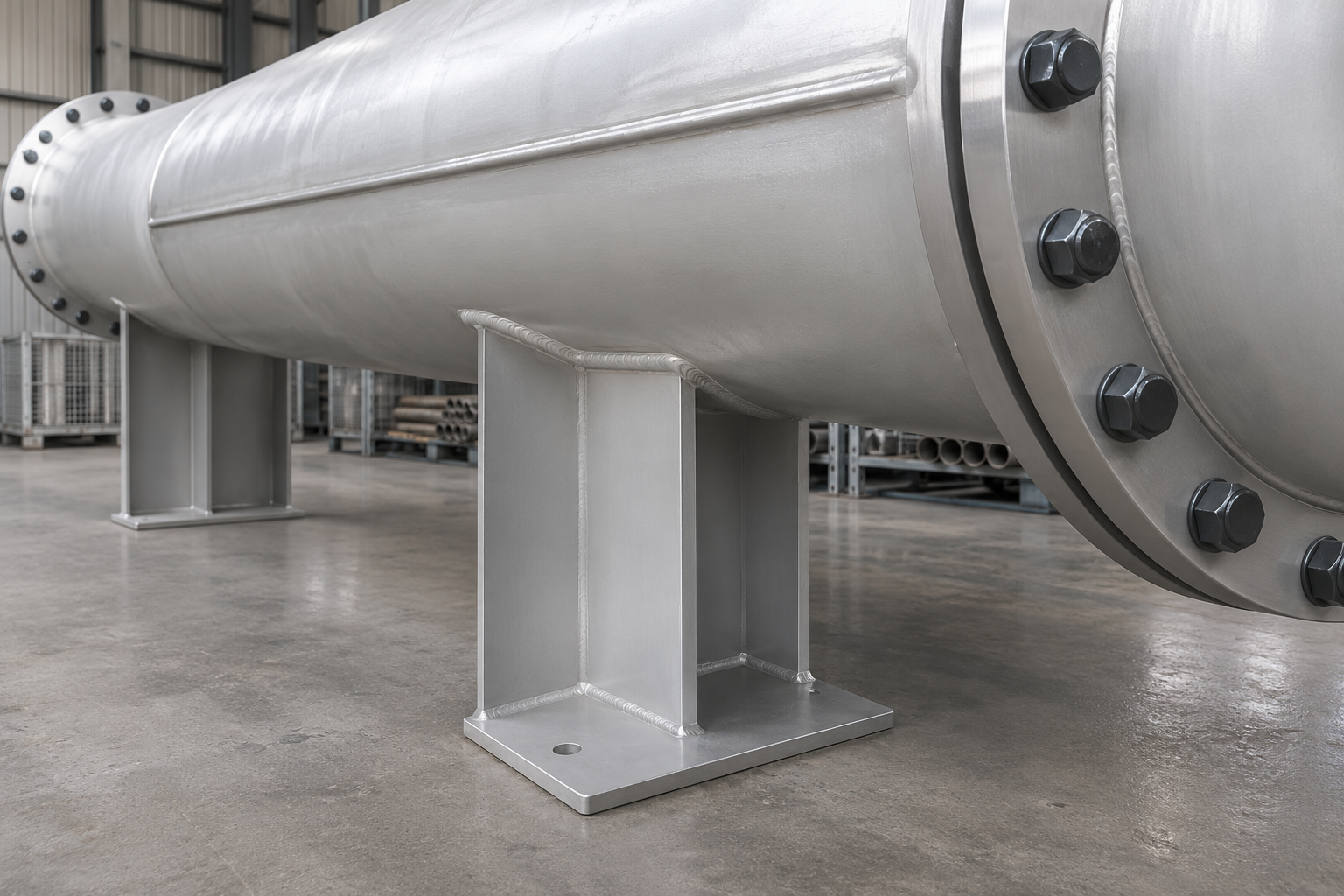
Control authorized openings and reinstatement records
An opening may be disturbed for an approved inspection or other work. The record should identify the work reference, who controlled the change and the documented condition afterward. Preserve the before-and-after evidence if the original receiving arrangement is changed.
Do not tell a warehouse team to remove a closure merely to obtain a better photograph. Opening equipment can introduce hazards or affect preservation. The Руководство HSE по техническому обслуживанию supports competent planning and communication when maintenance is required. The specific work must follow the responsible site’s procedures and applicable equipment information.
If a different gasket or closure component is proposed, keep that technical decision separate from the visual record. The spare gasket drawing revision confirmation guide explains how equipment identity and controlled documents inform a purchasing inquiry. A storage observation alone does not establish the correct spare specification.
Carry the record across custody changes
When equipment moves to another storage location, identify which record accompanies it and who receives responsibility for unresolved actions. Physical transfer is not the same as technical acceptance. A receiving signature should not silently close a defect that still needs engineering review.
For example, consider a hypothetical transfer where one image shows a damaged closure but the delivery sheet lists only the exchanger tag. The receiving team should reconcile the image with the opening identity and obtain the documented disposition. This example concerns record continuity; it does not prescribe how to repair or preserve the exchanger.
Connect the custody package to the pressure-system ownership transfer information review where that separate subject applies. Ownership information, storage custody and authorization for service are distinct decisions, and each needs the relevant evidence.
Use an investigation video to discuss equipment records
The US Chemical Safety Board video below examines an explosion involving pressure equipment and missed warning signs. It is provided to illustrate the importance of equipment condition and responsible review. It does not demonstrate preservation-cover inspection, certify this exchanger design or establish a storage method. Keep that distinction clear when using the video in a planning discussion.

USCSB: Проигнорированные предупреждения: взрыв в Сент-Луисе.
Prepare a focused supplier clarification
A useful inquiry contains the equipment identity, connection reference, applicable document revision, observed condition and storage history relevant to the question. Attach photographs with a scale or orientation reference where suitable, while avoiding unsupported measurements taken from images. State which decision you need, such as clarification of the originally supplied protection arrangement.
Ask the supplier to distinguish information available from the original supply record from advice requiring further site assessment. Do not request a blanket “safe to use” confirmation based only on an external photograph. The responsible technical team must determine whether the evidence is sufficient for the intended next activity.
When a response arrives, connect it to the original issue rather than leaving it in an isolated email. Update the disposition with the reference and remaining action. Retain the observation so that later reviewers can see both the concern and the basis for its resolution.
ЧаВо
Доказывает ли наличие неповреждённого защитного чехла, что теплообменник готов к эксплуатации?
Нет. В документе зафиксировано только наблюдаемое состояние защитных средств в пределах указанной области проверки. Готовность к эксплуатации требует проведения проверок, оформления записей и получения согласований, относящихся к конкретному оборудованию, предполагаемому месту установки и условиям эксплуатации.
Can one photograph represent every opening on a pair of exchangers?
A general photograph can provide context, but individual references are needed where openings cannot be identified and assessed from that view. Keep each observation tied to the correct exchanger and connection.
What should happen if the original preservation instructions are missing?
Record the missing information and seek the applicable documents from the equipment owner or supplier. Do not substitute another manufacturer’s procedure or invent a storage interval to complete the form.
Ссылки
Preserve the evidence before the next transfer
Reconcile the opening identities, photographs and unresolved actions with the current equipment custodian. Use the resulting record to request targeted technical clarification and to plan the next equipment-specific review.